Will Medicare Pay for Prostate Surgery? What Australian Men Need to Know

Medicare will cover a portion of prostate surgery costs in Australia, but rarely the full amount. How much you pay out of pocket depends on whether you have private health insurance, which surgeon you choose, and where the procedure takes place. Here is what that actually looks like in practice.
Is Prostate Surgery Covered by Medicare in Australia?
Yes, Medicare covers prostate surgery under the Medicare Benefits Schedule (MBS). The MBS assigns a fee to each procedure, and Medicare pays 75% of that scheduled fee if you are treated as a private patient in hospital, or 100% if you are treated as a public patient in a public hospital.
The catch is that most surgeons charge above the MBS fee. That gap between what your surgeon charges and what Medicare pays comes out of your pocket. In my experience reviewing these costs with patients, that gap can be significant, sometimes thousands of dollars, depending on the surgeon and the facility.
If you have private health insurance with hospital cover, your insurer typically covers the remaining 25% of the MBS fee. But if your surgeon charges above the MBS rate, you still pay the difference unless your surgeon participates in a no-gap or known-gap arrangement.
How Much Does a Prostate Operation Cost in Australia?
The total cost of prostate surgery in Australia varies widely based on the type of procedure, the surgeon, and the hospital.
For a radical prostatectomy, which is the surgical removal of the prostate gland, typical costs break down like this:
- Surgeon fees: $5,000 to $15,000 or more
- Anaesthetist fees: $1,500 to $3,500
- Hospital fees: $10,000 to $25,000 for a private hospital stay
- Assistant surgeon fees: $500 to $2,000
As a public patient in a public hospital, you pay nothing out of pocket. Medicare and the hospital system cover the full cost. The trade-off is that you join a waiting list and have less choice over your surgeon.
As a private patient with hospital cover, Medicare and your insurer cover the MBS fee components. Your real exposure is the gap between what each provider charges and what is covered. What I found was that the anaesthetist gap is often the surprise cost people do not plan for.
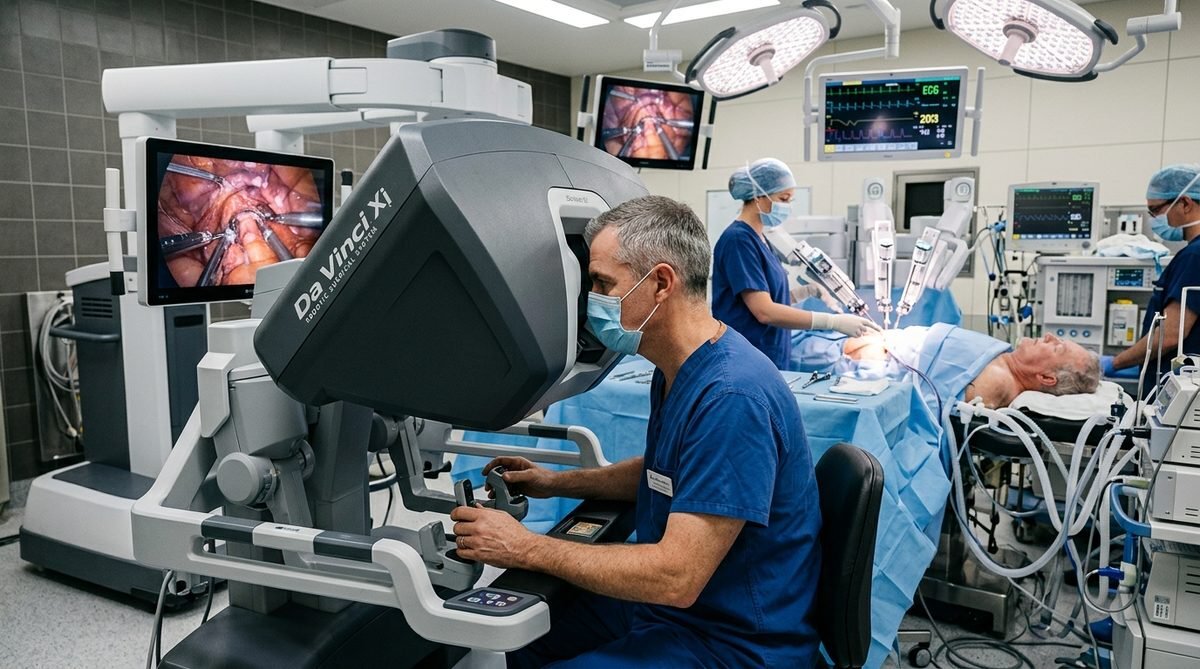
Robotic-assisted laparoscopic prostatectomy (RALP) is now the most common surgical approach in Australia. It carries the same MBS item numbers as open surgery, so Medicare coverage applies the same way. The robot itself is not separately billed to you, but surgeons who perform robotic surgery often charge higher fees overall.
What Does Medicare Actually Pay for Prostate Cancer Treatment?
Medicare covers more than just surgery. If you are diagnosed with prostate cancer, the following are all covered under Medicare:
- GP consultations for referrals and ongoing management
- PSA blood tests and other diagnostic pathology
- Prostate biopsies under MBS item numbers
- MRI scans for staging, subject to eligibility criteria
- Radiation therapy including external beam and brachytherapy
- Specialist consultations with urologists and oncologists
- Hormone therapy medications through the Pharmaceutical Benefits Scheme (PBS)
The PBS is separate from Medicare but works alongside it. Many prostate cancer medications, including androgen deprivation therapy drugs, are subsidised through the PBS, which significantly reduces what you pay at the pharmacy.
What Is the 2 Week Rule for Prostate Cancer?
The two week rule is a clinical urgency guideline used in Australian public hospitals. If your GP suspects cancer based on your symptoms or test results, they can refer you under an urgent pathway that aims to get you seen by a specialist within two weeks.
In practice, this is not a legally guaranteed timeframe. It is a target. Public hospital waiting times vary by state and by how stretched the urology department is at any given time. What it does do is flag your case as high priority so it moves faster through the system than a routine referral.
If your PSA is significantly elevated, your GP finds a suspicious nodule on examination, or your biopsy confirms cancer, ask your GP directly whether you qualify for an urgent referral. Do not assume it will happen automatically. Asking the question gets it on the record.
Private patients bypass this system entirely. You book directly with a urologist, and appointment times are typically days to weeks rather than months.
What Benefits Can You Get If You Have Prostate Cancer?
Several financial support options exist beyond Medicare and PBS coverage.
Centrelink and Government Support
If prostate cancer or its treatment affects your ability to work, you may be eligible for:
- Sickness Allowance or JobSeeker Payment if you cannot work during treatment
- Disability Support Pension if your condition is permanent and severe enough to prevent work
- Carer Payment for a partner or family member who provides full-time care
Eligibility depends on your income, assets, and the severity of your condition. Services Australia assesses each case individually.
Medicare Safety Net
Once your out-of-pocket Medicare costs reach a certain threshold in a calendar year, the Medicare Safety Net kicks in and increases the rebate you receive for subsequent services. For families dealing with ongoing cancer treatment, this can provide meaningful relief in the second half of the year.
Private Health Insurance Extras
Some private health funds offer cancer support programs that include case management, access to support nurses, and coverage for some allied health services related to cancer recovery. Check with your insurer directly, as these programs vary significantly between funds. Understanding how health insurance coverage works across different conditions can help you choose the right policy.
Superannuation Early Release
If you have a terminal illness diagnosis, you may be able to access your superannuation early on compassionate grounds. This requires medical certification and an application through the ATO or your super fund. It is worth knowing this option exists, even if you hope not to need it.
Cancer Council Financial Assistance
The Cancer Council Australia offers financial counselling and, in some states, direct financial assistance for people experiencing hardship due to cancer. They can also help you navigate what you are entitled to claim. Their 13 11 20 helpline is a practical starting point.
Three Things Most Articles Get Wrong About Medicare and Prostate Surgery
1. Medicare Does Not Mean Free as a Private Patient
A lot of men assume that because Medicare exists, their surgery will cost little or nothing. That assumption leads to real financial shock. Medicare sets a floor, not a ceiling. Your surgeon sets the ceiling. Always ask for a written cost estimate before you agree to anything, and ask specifically whether your surgeon bulk bills or charges a gap.
2. The Hospital Gap Is Often Bigger Than the Surgeon Gap
Most people focus on the surgeon fee. What I found was that the hospital excess on your private health insurance policy, combined with any items your insurer does not cover, can exceed the surgeon gap. Read your policy before your admission date, not after.
3. Active Surveillance Is a Legitimate Treatment Choice, Not Giving Up
For low-risk prostate cancer, active surveillance, which means monitoring the cancer closely without immediate treatment, is a clinically supported approach. It avoids surgery costs entirely and carries no out-of-pocket expense beyond regular monitoring appointments and tests. Many men are not told this clearly. If your cancer is low-grade, ask your urologist directly whether active surveillance is appropriate for your case.
How to Reduce Your Out-of-Pocket Costs
You have more control over costs than most people realise.
- Ask about no-gap surgeons. Some urologists participate in no-gap agreements with private health funds. You pay nothing above what Medicare and your insurer cover. These surgeons exist. You may need to search for them.
- Consider the public system. If your cancer is not aggressive and you can tolerate a wait, the public system delivers the same surgical outcomes at zero cost to you.
- Check your health fund's preferred provider list. Using a surgeon on your fund's list often reduces or eliminates gaps.
- Request an itemised quote. Ask for the MBS item numbers for your procedure and look them up on the MBS website. This tells you exactly what Medicare will pay and what your gap exposure is.
- Talk to a patient advocate or navigator. Services like those offered through PTNA help patients understand their options, navigate the health system, and avoid unexpected costs.
FAQ
Does Medicare cover robotic prostate surgery?
Yes. Robotic-assisted prostatectomy uses the same MBS item numbers as open surgery. Medicare applies the same rebate. The higher cost of robotic surgery is reflected in surgeon fees, not a separate charge for the robot.
Can I get prostate surgery for free in Australia?
Yes, as a public patient in a public hospital. You will have no choice of surgeon and will join a waiting list, but the surgery itself costs you nothing.
Does private health insurance cover the full cost of prostate surgery?
It covers the hospital accommodation and theatre fees up to your policy limits, and the 25% of the MBS fee that Medicare does not pay. It does not automatically cover any amount your surgeon charges above the MBS fee unless a no-gap arrangement is in place.
What MBS item numbers apply to prostate surgery?
Radical prostatectomy is typically billed under MBS item 37210 or 37219 depending on the approach. Your surgeon can confirm the exact item numbers for your procedure.
Is hormone therapy for prostate cancer covered by Medicare?
Hormone therapy medications are covered under the PBS, which is separate from Medicare but works alongside it. You pay a subsidised co-payment at the pharmacy rather than the full drug cost.
What if I cannot afford the gap fees?
Contact the Cancer Council on 13 11 20, speak to a financial counsellor through your hospital's social work team, or reach out to a patient navigation service. Options exist. The worst outcome is paying more than you need to because you did not ask.
Your Next Step
Before your next specialist appointment, call your private health insurer and ask two questions: what is my hospital excess, and does my policy cover MBS item 37210 with no gap? Those two answers will tell you most of what you need to know about your financial exposure. If you want help understanding your options or navigating the system, a patient navigator can walk through the specifics with you before costs become a problem.
Explore related health and wellbeing guides
This article is part of PTNA's consumer health and wellbeing library. Browse the Health & Wellbeing Resources hub to find related guides by topic, including Australian health cover, Medicare, prostate health, mental health, disability support and life insurance.
How Much Does It Cost to Have Your Prostate Removed Privately in Melbourne?
Read article →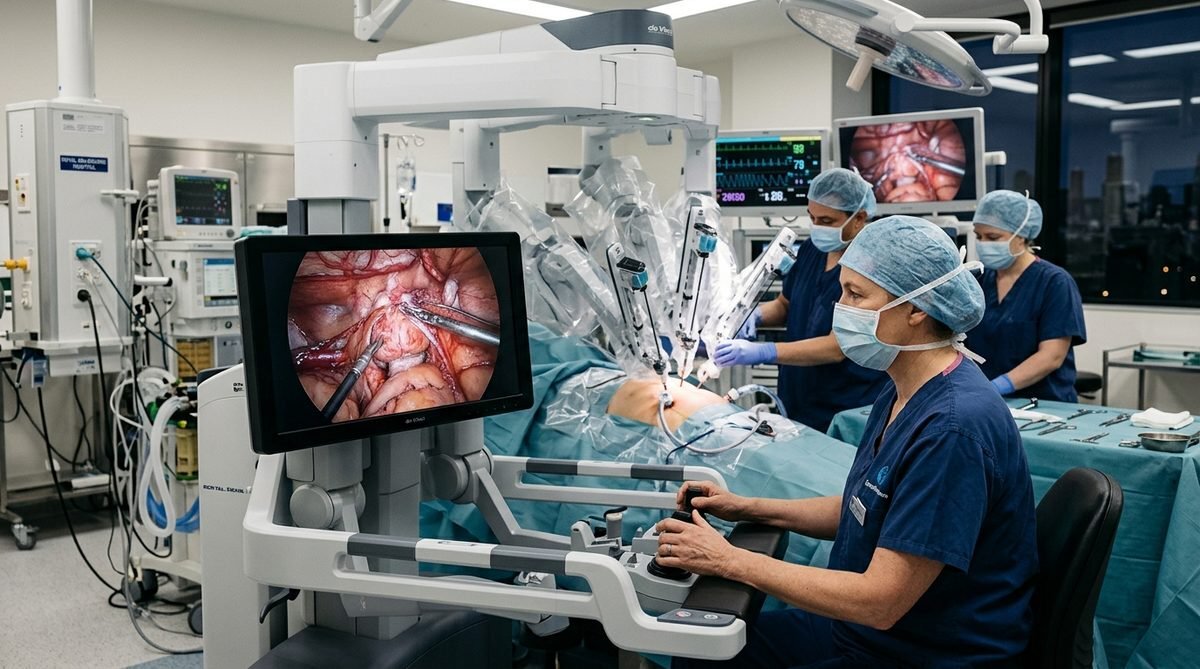
Is It Worth Having Your Prostate Removed in Melbourne?
Read article →
Can You Get Anything Free if You Have Cancer in Melbourne?
Read article →
What Are the Negatives of Removing Your Prostate in Melbourne?
Read article →
Is Prostate Cancer Classed as a Disability in Melbourne?
Read article →