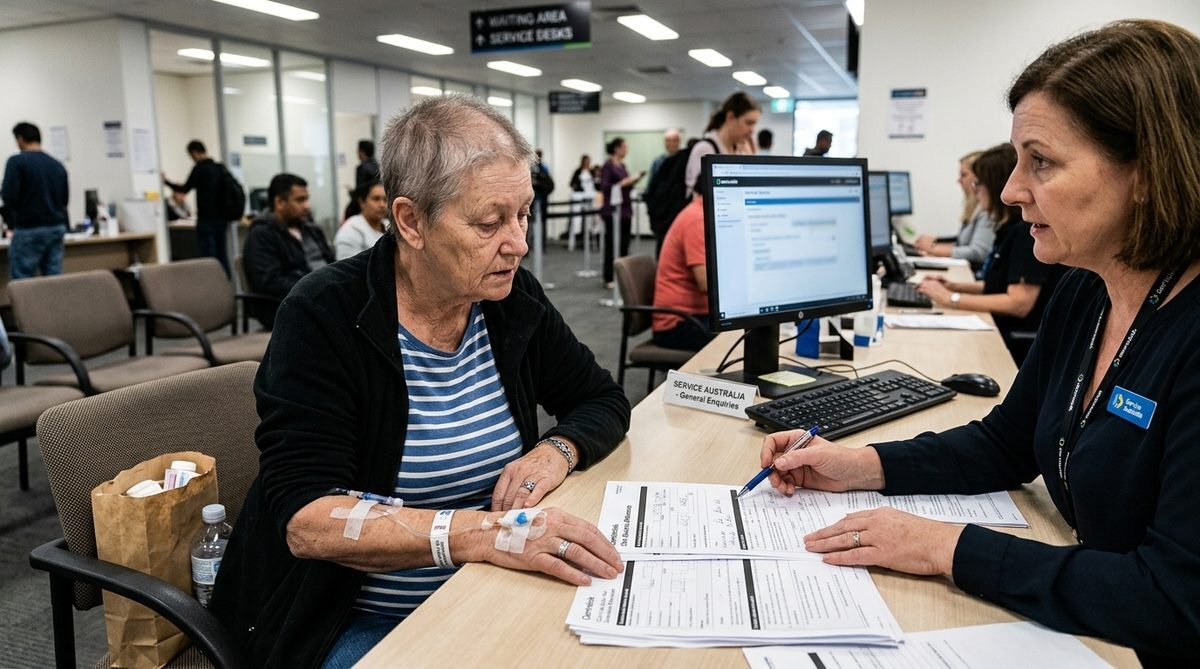
Will Medicare Pay for My Prostate Surgery? What Australian Men Need to Know

Medicare will pay a portion of your prostate surgery in Australia, but rarely all of it. How much you end up paying depends on which procedure you need, whether you go public or private, and whether your surgeon bulk bills or charges above the Medicare Benefits Schedule (MBS) fee.
Most men are surprised when the bill arrives. Understanding the system before you book anything saves real money and real stress.
What Does Medicare Actually Cover for Prostate Surgery?
Medicare covers a set percentage of the MBS fee for any listed procedure. For prostate surgery, the most common procedures are a radical prostatectomy (removal of the prostate, usually for cancer) and a transurethral resection of the prostate, known as a TURP, which treats benign prostatic hyperplasia (enlarged prostate).
For in-hospital procedures, Medicare pays 75% of the MBS fee. If you have private hospital cover, your insurer typically pays the remaining 25%. If you have no private cover and choose a private hospital, you pay that 25% gap yourself, plus any amount your surgeon charges above the MBS fee.
In a public hospital, Medicare covers the full cost of your surgery if you're a public patient. You get no choice of surgeon, and you join the waiting list, but your out-of-pocket cost is zero.
How Much Does a Prostate Operation Cost in Australia?
This is where it gets real. The MBS fee for a radical prostatectomy sits around $2,000 to $2,500. But surgeons aren't required to charge the MBS fee. Many charge two to four times that amount, which creates a gap you pay directly.
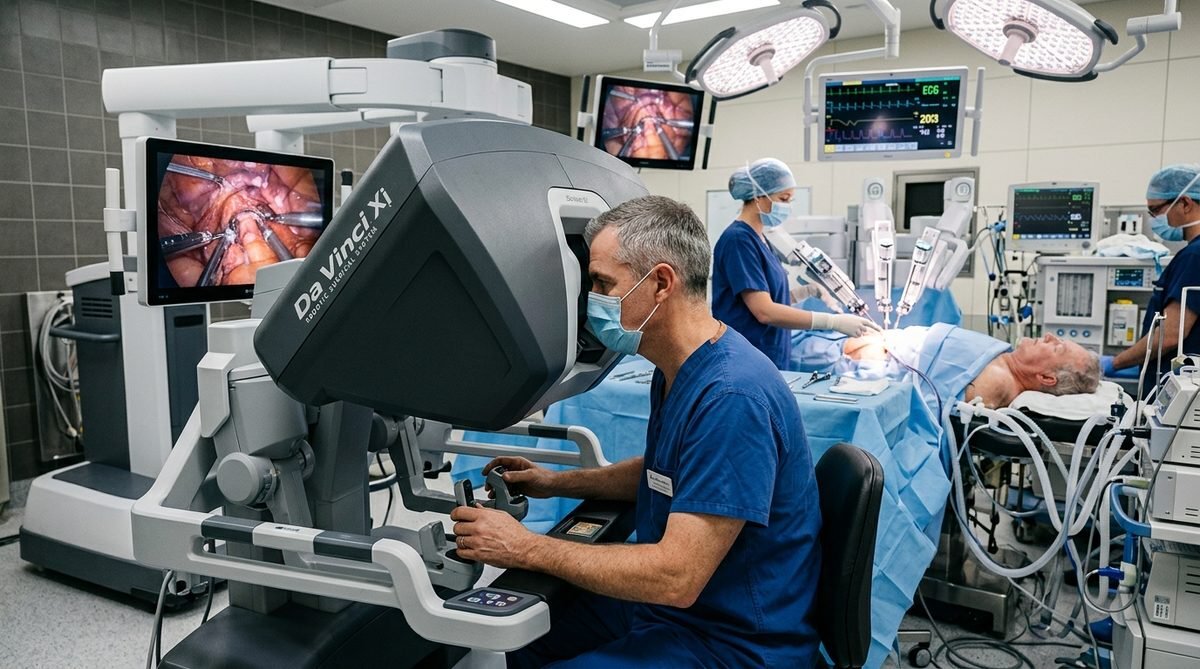
A robotic-assisted radical prostatectomy, which is now the most common technique in Australia, can cost $15,000 to $25,000 in a private setting when you add up the surgeon's fee, anaesthetist, assistant surgeon, and hospital charges. Medicare and private insurance will cover a chunk of that, but the out-of-pocket gap for men with average private cover often lands between $2,000 and $6,000.
One of my clients went through this process last year. He had mid-level private hospital cover and expected to pay almost nothing. His out-of-pocket came to $4,800. He wasn't prepared for that.
His surgeon had charged 250% of the MBS fee, and nobody had told him upfront.
A TURP for benign prostatic hyperplasia is less expensive. Total costs in a private hospital typically range from $5,000 to $10,000, with gaps of $500 to $2,000 after Medicare and insurance.
How Much Does Medicare Pay for Prostate Removal Surgery Specifically?
Let's use real numbers. If the MBS fee for your radical prostatectomy is $2,200, Medicare pays 75% of that in a private hospital, which is $1,650. Your private insurer covers the remaining $550. So far, so good.
But if your surgeon charges $5,000 for the same procedure, the gap between what Medicare plus your insurer pays ($2,200 total) and what your surgeon charges ($5,000) is $2,800. That comes out of your pocket.
Some surgeons participate in no-gap or known-gap arrangements with private health funds. Under no-gap, you pay nothing extra. Under known-gap, you pay a set amount, usually under $500. Always ask your surgeon directly which arrangement they offer before you commit.
The anaesthetist is a separate cost entirely. Medicare covers 75% of their MBS fee too, but anaesthetists frequently charge above schedule rates. Budget for this separately and ask upfront.
Going Public Means Zero Out-of-Pocket
If you're a public patient at a public hospital, Medicare covers everything. Surgeon, theatre, hospital stay, all of it. The trade-off is waiting time and no surgeon choice.
For cancer, the public system moves faster than people expect. Clinically urgent cases get prioritised. I know this because a client of mine was diagnosed with intermediate-risk prostate cancer, chose the public system to avoid costs, and had his surgery within six weeks. He was surprised by how smooth it was.
For TURP and other benign procedures, waits can be longer since it's not life-threatening. If your symptoms are significantly affecting your quality of life and you can afford private, the faster access may be worth it to you.
Is 72 Too Old for Prostate Surgery?
Age alone doesn't disqualify you. Surgeons assess biological age, not the number on your licence. A fit, healthy 72-year-old with no serious comorbidities is a very different surgical candidate from a 65-year-old with significant heart disease and diabetes.
What changes with age is the risk-benefit calculation. Prostate cancer in older men is often slow-growing. active surveillance, where you monitor the cancer regularly without treating it immediately, is a legitimate option for many men over 70 with low to intermediate-risk disease.
The logic is straightforward: the cancer may never progress enough to cause harm within a normal lifespan, and surgery carries real risks including incontinence and erectile dysfunction.
That said, surgery at 72 is performed regularly and successfully. I remember a client in his mid-70s who was told by a GP that he was probably too old to bother. He got a second opinion from a urologist who assessed him properly and cleared him for surgery. He recovered well and is now five years post-operation with undetectable PSA.
The conversation to have is with your urologist, not a GP making assumptions. Ask specifically about your fitness for surgery, the alternatives, and what active surveillance would look like for your specific cancer grade and stage.
How Long After Prostate Surgery Are You Considered Cancer Free?
The benchmark most urologists use is an undetectable PSA, defined as below 0.1 nanograms per millilitre, at five years post-surgery. Reaching this point is a strong indicator that the cancer has not returned.
After a radical prostatectomy, your PSA should drop to essentially zero within a few weeks, because the prostate that produces PSA has been removed. Your surgeon will monitor this with regular blood tests, typically every three to six months for the first two years, then annually after that.
A rising PSA after surgery, called biochemical recurrence, is the first sign cancer may have returned. It doesn't always mean the cancer is back in force or that it will become symptomatic, but it triggers closer monitoring and possibly further treatment.
At the ten-year mark with consistently undetectable PSA, most oncologists consider the outlook excellent. The word "cured" is used carefully in oncology, but a decade of undetectable PSA is about as close to that as prostate cancer treatment gets.
Private Health Insurance: What Level Do You Actually Need?
Not all private hospital cover includes prostate surgery. Some lower-tier policies exclude it or restrict it. Before anything else, call your insurer and ask two specific questions: is radical prostatectomy or TURP covered under my current policy, and what's my out-of-pocket likely to be?
If your policy excludes it and you've just been diagnosed, you can't simply upgrade and have the surgery straight away. Most insurers have a 12-month waiting period for pre-existing conditions. This is a major reason why health insurance advisors recommend reviewing your cover before you need it.
If you're approaching 50 or have a family history of prostate cancer, upgrading your cover now is worth doing. The waiting period clock starts when you upgrade, so getting ahead of it means you'll have full cover if you need it.
The Costs Nobody Warns You About
The surgery itself is only part of the financial picture. Recovery involves costs too.
Continence aids in the weeks after surgery are an out-of-pocket expense. Pelvic floor physiotherapy, which significantly improves continence recovery, is partially covered by Medicare if referred correctly but still has a gap. If erectile dysfunction follows surgery, medications like PDE5 inhibitors aren't subsidised under the PBS for this indication, so you pay full price.
Time off work is the biggest hidden cost for men who are still working. Recovery after robotic prostatectomy is typically four to six weeks before returning to desk work, and longer for physical labour. If you don't have income protection insurance, this gap in earnings can dwarf the medical costs entirely.
In my experience, the men who navigate this best are the ones who ask their surgeon's rooms for a full cost estimate in writing before the procedure. Every surgeon's office can produce this. Most men just don't know to ask for it.
Frequently Asked Questions
Does Medicare cover robotic prostatectomy?
Yes. Robotic-assisted radical prostatectomy has its own MBS item number and is covered under Medicare at the standard rate. The robotic technique doesn't cost you more from a Medicare perspective, though some surgeons charge more for it.
What if I have no private health insurance?
You have two options. Go public and pay nothing as a public patient, or go private and cover the full cost yourself minus the 75% Medicare rebate on the MBS fee. Self-funding a private prostatectomy can cost $20,000 or more. Most men without private cover are better served by the public system for prostate surgery.
Can I claim any costs on tax?
Medical expenses are no longer claimable as a tax offset in Australia. That scheme was phased out. But if your out-of-pocket costs are significant, your accountant may identify other mechanisms depending on your circumstances.
Does Medicare cover follow-up PSA tests after surgery?
Yes. PSA blood tests are covered under Medicare as part of ongoing cancer monitoring. There's usually no out-of-pocket cost for the test itself, though your GP consultation has a gap if your doctor doesn't bulk bill.
Is active surveillance covered by Medicare?
Yes. The PSA tests, biopsies, and specialist consultations involved in active surveillance are all covered under Medicare at the standard rates.
What to Do Before You Book Anything
Get a written cost estimate from your surgeon's rooms before you agree to a date. Ask specifically about the surgeon's fee, the anaesthetist, and whether your surgeon participates in a no-gap or known-gap arrangement with your insurer. Call your health fund with the MBS item number and ask what you will receive and what your gap will be. Then call the hospital and ask about the facility fee.
If you're using a patient navigator or healthcare advocate, they can make these calls on your behalf and decode the numbers. Services like the team at PTNA exist specifically to help patients understand their options and costs before committing, so you aren't caught off guard by a bill that arrives after the fact.
The one action that matters most: ask for the full cost estimate in writing before your surgery date is locked in. That single step changes everything.
Explore related health and wellbeing guides
This article is part of PTNA's consumer health and wellbeing library. Browse the Health & Wellbeing Resources hub to find related guides by topic, including Australian health cover, Medicare, prostate health, mental health, disability support and life insurance.
How Much Does It Cost to Have Your Prostate Removed Privately in Melbourne?
Read article →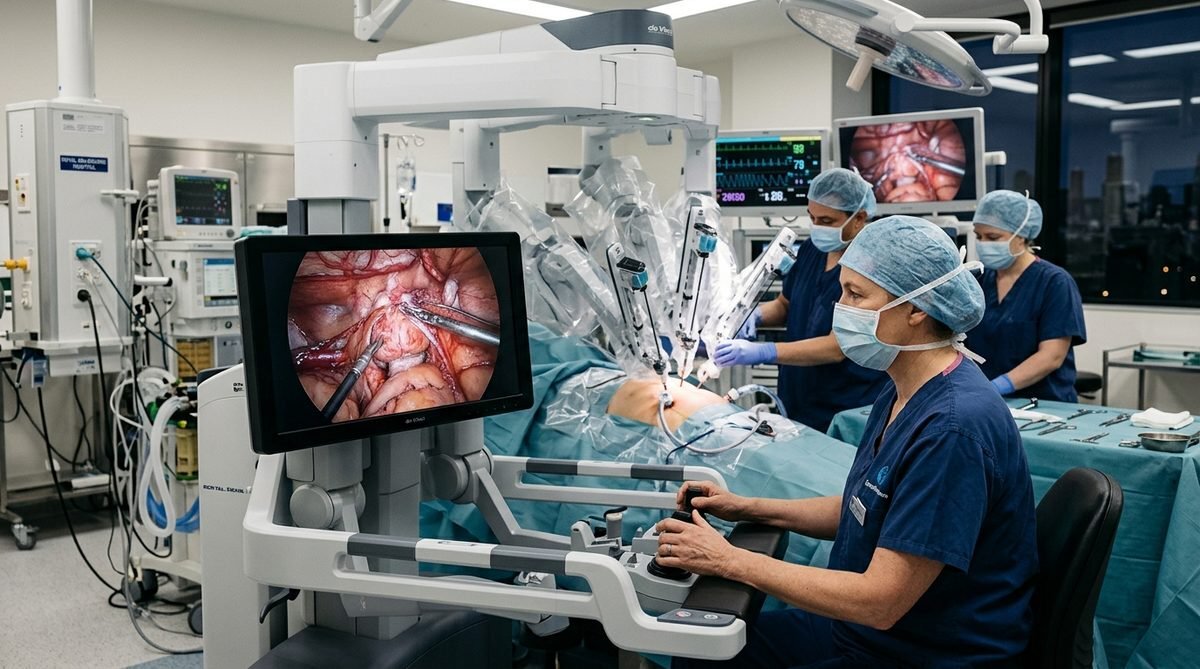
Is It Worth Having Your Prostate Removed in Melbourne?
Read article →
Can You Get Anything Free if You Have Cancer in Melbourne?
Read article →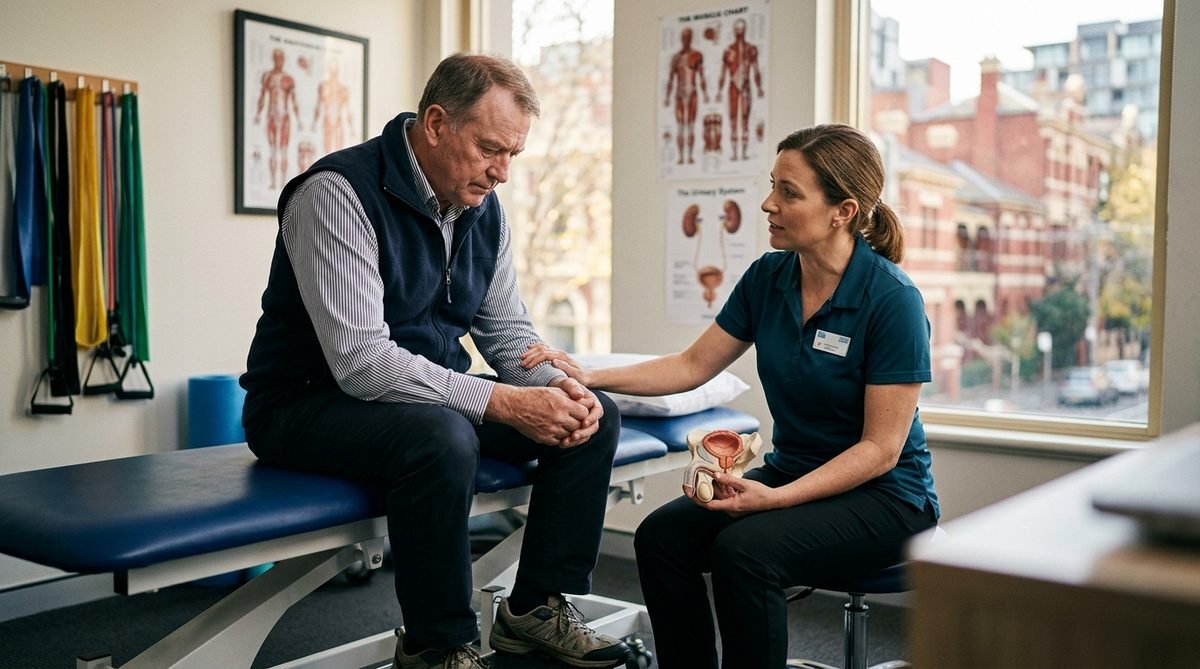
What Are the Negatives of Removing Your Prostate in Melbourne?
Read article →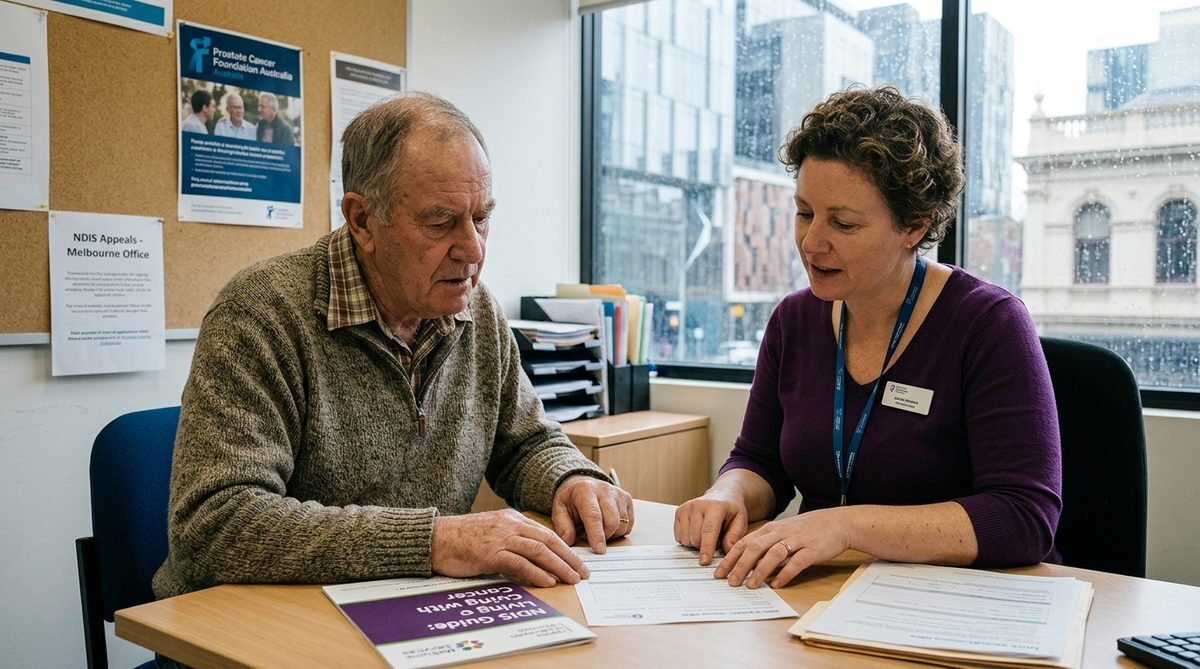
Is Prostate Cancer Classed as a Disability in Melbourne?
Read article →