Who is the Minister Responsible for Medicare in Australia?
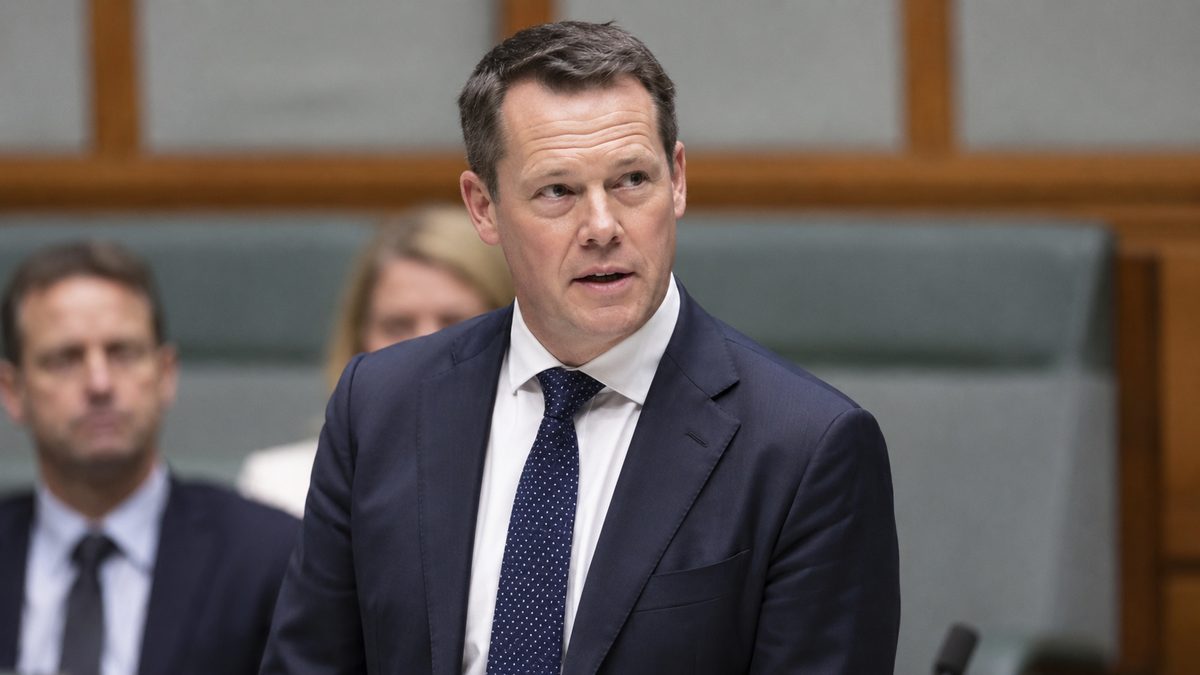
The Minister responsible for Medicare in Australia is the Minister for Health and Aged Care. As of 2024, that's Mark Butler. He sits in the federal cabinet and oversees Medicare policy, funding, and reform on behalf of the Albanese Labor government.
Medicare itself is a national public health insurance scheme. It gives Australians access to subsidised medical services, including GP visits, specialist consultations, diagnostics, and allied health services. The Minister for Health sets the direction of that scheme, negotiates fee schedules, and decides what gets added or removed from the Medicare Benefits Schedule. Understanding the history of Medicare helps explain why the current minister's role is so critical.
What Does the Minister for Health Actually Control?
Most people interact with Medicare at the GP or specialist level and assume it just runs itself. It doesn't. The Minister for Health has direct influence over which services are funded, at what rate, and under what conditions.
In my experience talking with patients confused about why a specific service isn't covered, the answer almost always traces back to a policy decision made at the ministerial level. The Minister for Health chairs or oversees the Medical Services Advisory Committee process, which evaluates new items for inclusion on the Medicare Benefits Schedule.
Mark Butler has been particularly active on bulk billing. The government tripled the bulk billing incentive in 2023, the largest single investment in Medicare in decades. That decision came directly from his portfolio. For patients, this meant more GP practices returning to bulk billing, particularly for children, pensioners, and concession card holders.
Which Minister is Responsible for Medicare Specifically?
responsibility for Medicare, so the Minister for Health and Aged Care carries that responsibility. There's sometimes confusion because the broader social support architecture, including Centrelink and welfare payments, falls under a different minister. Medicare as a health insurance program is firmly in the Health portfolio.
The Department of Health and Aged Care administers the day-to-day running of Medicare. Services Australia processes claims. But the policy settings, funding decisions, and legislative changes all flow from the Minister for Health.
Within the current Albanese government, there are also assistant ministers and parliamentary secretaries who handle specific parts of the health portfolio, including mental health, preventive health, and rural health. But Medicare itself sits at the top level with Mark Butler.
What About Other Ministers Sometimes Linked to Health?
A few other cabinet members come up regularly when people ask about health policy in Australia.
Chris Bowen holds the portfolio of Climate Change and Energy, not Health. His work has intersected with public health in the sense that the government has framed the clean energy transition partly as a health issue, citing reduced emissions and better air quality. But Bowen has no direct responsibility for Medicare.
Anne Aly serves as Minister for Early Childhood Education and Minister for Youth. She doesn't hold a health portfolio. Her religion, which she has spoken about publicly as Islam, sometimes comes up in search results alongside her name and government role, likely because she's one of the few openly Muslim women in federal cabinet. That has no bearing on Medicare administration.
Tony Burke holds the portfolios of Employment and Workplace Relations, and Arts. He also serves as the Manager of Government Business in the House of Representatives. Again, no connection to Medicare beyond being a cabinet colleague of the minister who does run it.
These names surface together because people often search for the broader Albanese cabinet when trying to understand who runs what. For Medicare specifically, the answer is Mark Butler, Minister for Health and Aged Care.
How Medicare Policy Gets Made
Most people assume Medicare is a fixed system. It isn't. It gets updated, cut back, and expanded based on political priorities, budget cycles, and clinical evidence.
The process works roughly like this: Clinical groups and patient advocates propose new items or changes to existing ones. The Medical Services Advisory Committee reviews the evidence. Treasury models the cost. The Minister for Health decides whether to take it to cabinet. Cabinet approves or rejects. The change gets legislated or implemented through a schedule update.
This means a single minister can block or fast-track access to a service for millions of people. When I look at what has changed in Medicare over the past decade, the fingerprints of each health minister are visible. Peter Dutton's tenure saw significant cuts to the schedule. Greg Hunt's tenure saw major telehealth expansion, accelerated by COVID-19. Mark Butler's tenure has focused on bulk billing viability and strengthening primary care. Tracking Medicare policy changes over time reveals how ministerial decisions reshape healthcare access.
Why Does This Matter for Patients?
If you're trying to understand why your GP charges a gap fee, why a specific scan isn't covered, or why mental health plan sessions are capped at ten per year, the answer connects back to ministerial decisions made at the federal level.
One of my clients spent months trying to understand why a treatment her specialist recommended wasn't rebateable under Medicare. The treatment existed. Specialists used it. But it had never been added to the Medicare Benefits Schedule. She eventually found out that the application to list it had been submitted, reviewed, and was sitting with the minister's office awaiting a budget decision. That's the real-world consequence of who holds this portfolio and how they prioritise the work in front of them.
For allied health providers, the minister's decisions on Mental Health Treatment Plans, Chronic Disease Management plans, and Enhanced Primary Care items directly determine how many patients can afford to see them. This isn't abstract policy. It's what fills or empties a clinic's appointment book.
Does the Minister Change When Governments Change?
Yes. The Minister for Health is a political appointment. When the government changes, so does the minister. The department and its staff remain, but the policy direction shifts.
Medicare as a scheme has bipartisan support in Australia, meaning no government has seriously proposed abolishing it. But both major parties have made changes that significantly affected how accessible and affordable it is in practice. Under the Coalition, the Medicare rebate freeze ran for several years, effectively reducing the real value of Medicare rebates while practice costs rose. That freeze ended under Labor.
Understanding who holds the portfolio matters because that person is the single point of accountability for the scheme's health. Literally and figuratively.
How to Find Out Who the Current Minister Is
The easiest way is to go to the Australian Government's Department of Health and Aged Care website at health.gov.au. The current minister is listed on the homepage. Cabinet compositions are also published at pmc.gov.au under the Cabinet section.
If you want to contact the minister's office about a policy issue, Medicare complaints go through Services Australia first. For systemic issues or policy feedback, you can submit to the minister's office directly via the contact form on the Department of Health website.
Frequently Asked Questions
Who is currently the Minister for Health in Australia?
Mark Butler is the Minister for Health and Aged Care as of 2024. He's the minister responsible for Medicare policy and the Medicare Benefits Schedule.
Is Medicare run by the federal or state government?
Medicare is a federal program. It's funded and administered at the Commonwealth level, though state governments run public hospitals, which interact with Medicare in complex ways.
Can I contact the Minister for Health about a Medicare issue?
For individual Medicare claims or billing problems, contact Services Australia. For feedback on policy or coverage gaps, you can write to the Minister for Health through the Department of Health and Aged Care website.
What is the Medicare Benefits Schedule?
It's the list of medical services that Medicare subsidises. Each item has a code and a set rebate amount. The minister, advised by clinical committees, determines what gets listed and at what rate.
Does the Minister for Health control the Pharmaceutical Benefits Scheme too?
Yes. The PBS sits within the same portfolio. The Minister for Health oversees both Medicare and the PBS, meaning they control both the services and the medicines that Australians access at subsidised rates.
What to Do If Medicare Is Not Covering What You Need
Start by confirming whether the service has a Medicare item number. Your provider can check this. If it doesn't, ask whether there's an application pending to have it listed. The Department of Health publishes a register of items under review.
If the service is listed but you're being charged a gap fee, that's a private decision made by your provider, not a Medicare failure. Bulk billing is voluntary for providers. The government incentivises it but can't compel it.
If you believe a service should be covered and isn't, the most direct route is to contact your local federal MP and ask them to raise it with the Minister for Health. Patient advocacy groups also submit formal applications to the Medical Services Advisory Committee, and that process does result in new items being listed over time.
The minister responsible for Medicare shapes what's possible within the system. Knowing who that is, and how to engage with their office, is the starting point for anyone trying to change something that isn't working.
Explore related health and wellbeing guides
This article is part of PTNA's consumer health and wellbeing library. Browse the Health & Wellbeing Resources hub to find related guides by topic, including Australian health cover, Medicare, prostate health, mental health, disability support and life insurance.

How Much Does It Cost to Have Your Prostate Removed Privately in Melbourne?
Read article →
Is It Worth Having Your Prostate Removed in Melbourne?
Read article →
Can You Get Anything Free if You Have Cancer in Melbourne?
Read article →
What Are the Negatives of Removing Your Prostate in Melbourne?
Read article →
Is Prostate Cancer Classed as a Disability in Melbourne?
Read article →