Who Is the Best Prostate Surgeon in Australia in Melbourne?
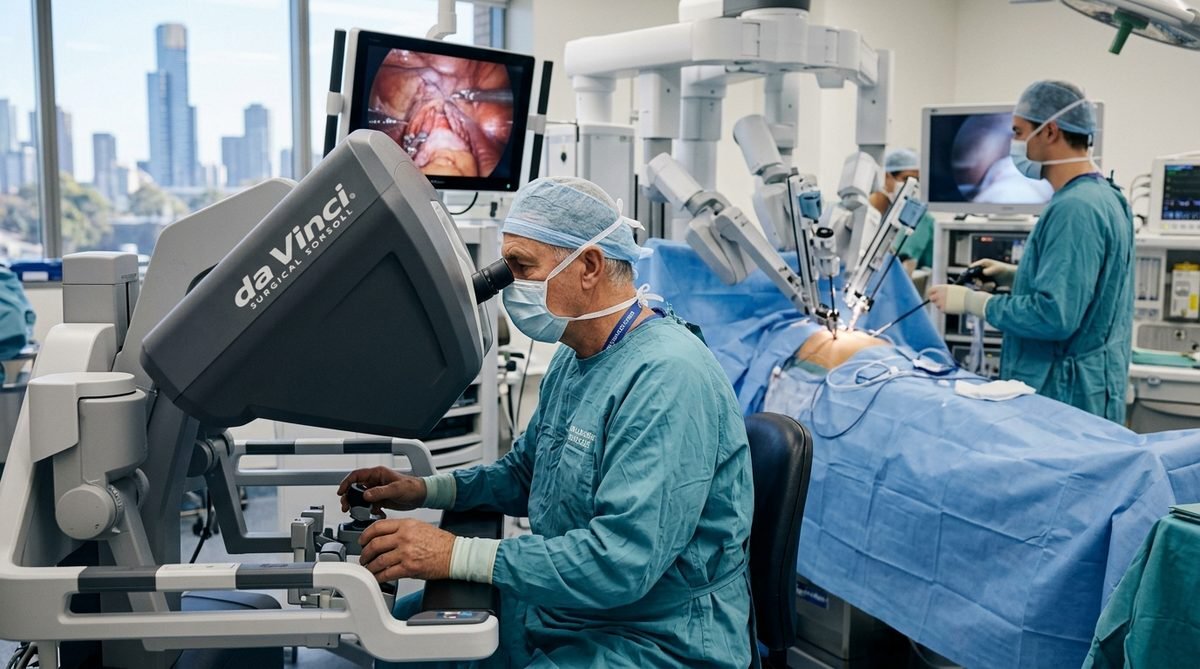
No single surgeon is the best choice for every patient. The right Melbourne prostate surgeon will have deep experience with your exact condition, clear outcome data and strong hospital support. A surgeon who is an excellent fit for one man may be wrong for another.
Your diagnosis, disease stage, urinary symptoms and treatment goals all shape what good care looks like. Melbourne specialist review
The safest way to choose is to compare surgeons using facts you can check. Look at their training, current case volume, treatment range, complication rates and follow-up care. Also note how clearly they explain options besides surgery.
A confident surgeon will tell you when an operation may help and when another treatment could suit you better.
This guide shows how people in Melbourne, Victoria can make that choice without trusting online ratings, advertising claims or a famous name.
What type of prostate surgeon should you look for?
Most prostate operations are done by urologists. A urologist treats problems affecting the urinary system and male reproductive organs. Some urologists spend much of their time on prostate disease, while others treat a wider range of conditions.
If you have prostate cancer, look for a urologist who focuses strongly on urologic cancer and Surgical oncology. The surgeon should work often with medical oncologists, radiation oncologists, radiologists and specialist nurses in Melbourne. This team approach matters because surgery is just one treatment option. prostate cancer
If your main problem is Benign prostatic hyperplasia, often called BPH, cancer experience alone doesn't make a surgeon the right fit. Ask about their experience with the exact procedure being considered. Surgery for benign prostatic hyperplasia may remove or destroy tissue that blocks urine flow.
The best method depends on prostate size, medicine use, bladder function and whether you want to preserve ejaculation.
A Benign tumor doesn't spread like cancer, but benign doesn't mean harmless. Non-cancerous growth can still block urine, damage the bladder or cause repeated retention. Your surgeon should explain the need for treatment in plain words instead of relying on the label.
Which qualifications and experience actually matter?
Specialist registration and recognised urology training are the starting points. They don't show how often a surgeon does your procedure or how well their patients recover.
Ask how many similar operations the surgeon completed in the past year. A useful answer names both the operation and the condition. One total covering every type of urology procedure says little about current prostate experience.
For cancer, ask how often the surgeon performs radical Prostatectomy. This operation removes the prostate and usually the seminal vesicles. The surgeon may also remove nearby lymph nodes when there is a real risk that cancer has spread.
Robotic equipment doesn't make every operator equally skilled. It's a tool. Results still depend on choosing the right cases, sound surgical judgement and the surgeon's skill in dealing with difficult anatomy.
Ask how long the surgeon has used the method and whether they also understand open surgery. That wider skill can matter if scar tissue, bleeding or another finding changes the plan.
Experience must fit your case too. Past pelvic treatment, a very large prostate or cancer near key structures can make surgery harder. Ask whether the surgeon often treats patients with features like yours.
How can you compare a surgeon's results?
Good outcome data should cover both cancer control and daily function. A surgeon may report low complication rates, but you need to know which problems were counted and how long patients were followed.
For cancer surgery, ask about the surgeon's positive Resection margin rate. A positive margin means cancer cells were found at the edge of the removed tissue. It can increase the chance that more treatment will be needed.
The number must be read alongside the cancer stage because advanced tumours are more likely to reach the specimen edge.
Ask how continence is measured. Some clinics count a man as continent if he uses one safety pad each day. Others require no pads.
Timing matters as well. Results at three months can look very different from results after one year.
Erectile function data needs the same care. Recovery is shaped by age, function before treatment, diabetes and whether nerves can be spared safely. A simple success percentage can be misleading if the clinic doesn't explain who was included.
Also ask about unplanned hospital returns, urine leaks, infections and further procedures. Trustworthy surgeons discuss poor outcomes as openly as good ones. They explain what their team does when recovery doesn't follow the usual path.
How should your test results shape the choice?
Your records help show what kind of expertise you need. Bring your Prostate-specific antigen history, not just one isolated result. The pattern over time can tell you more than a single number.
Prostate cancer screening can find disease before symptoms begin, but an unusual result doesn't prove cancer. Infection, prostate growth and recent procedures can change the Prostate-specific antigen level. A careful specialist looks at the whole picture before suggesting a biopsy or treatment.
If a biopsy found cancer, ask the surgeon to explain the Gleason grading system and what it means for your report. This system describes how abnormal the cancer cells look under a microscope. The grade group, scan findings, amount of cancer in each biopsy sample and PSA pattern help show how the disease may act.
A strong surgeon links those results to a treatment choice. Low-risk disease may be watched through active surveillance. Disease more likely to grow may need surgery or radiation.
When both treatments make sense, you should be able to get a radiation oncology opinion before choosing.
One point many articles miss: the best surgeon may be the one who advises against surgery. An operation can remove cancer, but it can also affect bladder control and sexual function. Good judgement means knowing when the likely harm is greater than the likely benefit.
What should happen during the first consultation?
The consultation should give you a clear view of your diagnosis and every reasonable option. You should leave knowing why surgery is being offered, what may happen without it and what recovery will likely involve.
A helpful surgeon explains technical terms without rushing. They should review your scans and pathology, not speak only from a short referral note. If details are missing, they should say what needs to be checked before making a firm plan.
Notice whether the surgeon asks what matters to you. One patient may care most about cancer control. Another may worry most about continence because his job offers limited bathroom access.
Those concerns should shape the discussion.
Consider this common Melbourne patient scenario. A man sees a surgeon after a raised test result and assumes he needs an operation right away. The surgeon checks the biopsy and finds low-volume disease that can be watched safely.
The man chooses surveillance and avoids treatment side effects for now. That's good care, even though no operation took place.
You should never feel pushed to decide at the first visit. Getting a planned second opinion is reasonable when treatment could permanently change urinary or sexual function.
Which questions reveal the quality of care?
Take written questions to the appointment. The answers should be clear enough to compare across Melbourne surgeons.
- How many patients with my diagnosis did you treat in the past 12 months?
- How many times did you perform the proposed operation in that period?
- Why do you favour this treatment over active surveillance, radiation or medicine?
- How do you report your continence and cancer-control results?
- What is your Resection margin rate for patients with a stage similar to mine?
- Who handles urgent concerns after discharge?
- Which health professionals support continence and sexual recovery?
- What would make you change or stop the planned operation?
Listen for clear numbers and plain definitions. Loose claims such as excellent outcomes or world-class care aren't evidence. A surgeon may not have perfect results in every area, but they should know their data and explain it honestly.
Why does the hospital and care team matter?
The surgeon is only one part of the result. Hospital nursing, anaesthetic care, pathology review and access to urgent help can all affect recovery. Ask where the operation will happen and what support is available overnight.
For Prostate cancer, a review by several specialists can lower the risk of choosing treatment from one narrow viewpoint. A Melbourne service should be able to organise imaging, pathology and opinions from the right cancer specialists. This helps when test findings clash or more than one treatment offers a similar chance of control. A Melbourne service should also inform you about financial support available for cancer patients.
Follow-up matters too. After cancer surgery, the team should explain when Prostate-specific antigen testing will begin and what result is expected. You should know who checks the result and what would lead to more care.
After surgery for urinary blockage, follow-up should check urine flow, bladder emptying and symptom relief. Ongoing leakage, bleeding or infection needs a clear response plan. A surgeon with impressive operating skills but poor follow-up systems isn't the best choice.
What do online reviews fail to tell you?
Reviews can show whether staff communicate well or appointments run late. They can't tell you whether a treatment recommendation was sound. Patients rarely know how hard their case was or how their result compares with similar patients.
Review scores also favour simple stories. Someone with a smooth recovery may post quickly, while a person going through a slow but expected recovery may leave a low score before healing is complete. The reverse can happen when a friendly consultation gets praise despite poor clinical advice.
Use reviews to find repeated service problems. Don't use them as the main test of surgical skill. Procedure volume, clearly defined outcomes and the quality of the treatment explanation should carry more weight.
Should you choose the surgeon with the newest technology?
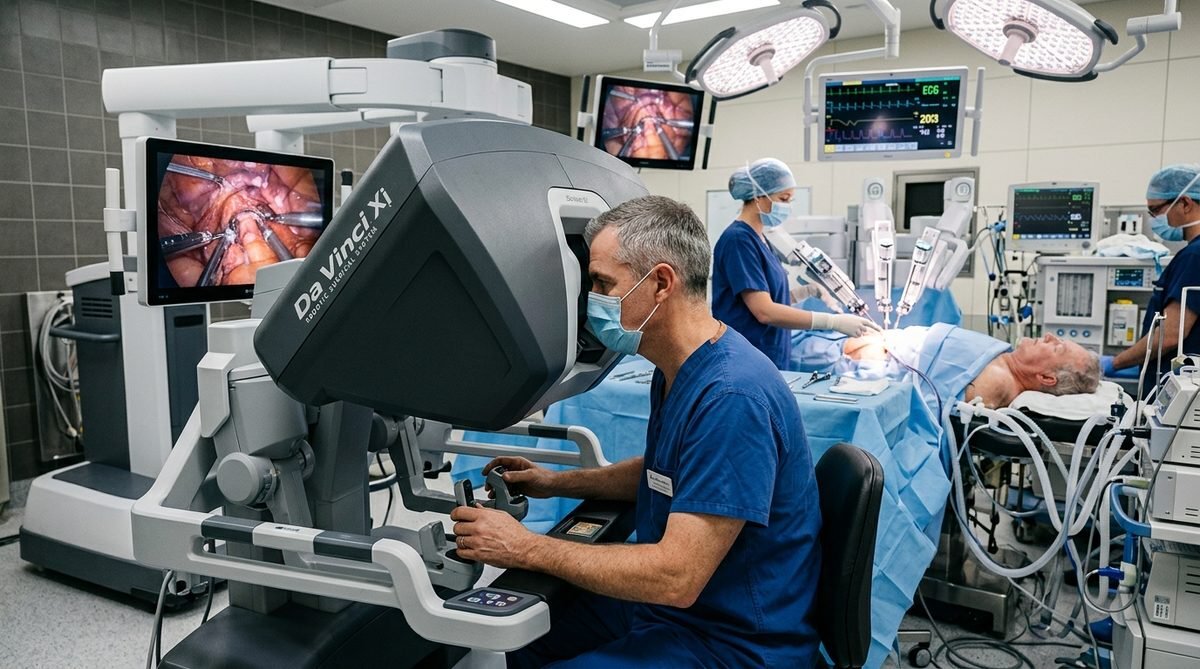
Choose the surgeon and treatment plan before you choose a machine. Robotic systems, lasers and other devices can help with precise work, but each has limits.
For cancer, the aim is to remove disease safely while protecting nearby structures when the cancer's position allows it. For Benign prostatic hyperplasia, the aim is to open the urine channel using a method that fits the prostate size and patient's needs. A newer device can't fix poor case selection.
Ask what the technology may do for your case. Then ask what evidence backs that benefit. The answer should cover likely recovery, side effects and the chance that you'll need another procedure.
If the explanation focuses on small cuts or brand names, ask for more detail.
How do you make the final decision?
Make a short comparison for each Melbourne surgeon you meet. Write down their relevant case volume, proposed treatment, outcome definitions and follow-up plan. Add how well they answered your questions and whether they offered access to other specialist views.
Don't choose based on confidence alone. A calm speaker can still give poor advice, while a less polished speaker may have excellent judgement. Check that the recommendation fits your pathology, scans and goals.
Get another opinion if the options are still unclear, the surgeon brushes aside alternatives or their outcome claims can't be explained. Bring the same medical records and questions to every visit so the comparison is fair.
The best prostate surgeon in Melbourne is the qualified specialist whose current experience fits your condition, whose results can be clearly explained and whose care team supports you through recovery.
Your next step is to gather your PSA history, scan reports and pathology. Then book a Melbourne specialist review and ask the comparison questions in this guide before agreeing to treatment.
How Much Does It Cost to Have Your Prostate Removed Privately in Melbourne?
Read article →
Is It Worth Having Your Prostate Removed in Melbourne?
Read article →
Can You Get Anything Free if You Have Cancer in Melbourne?
Read article →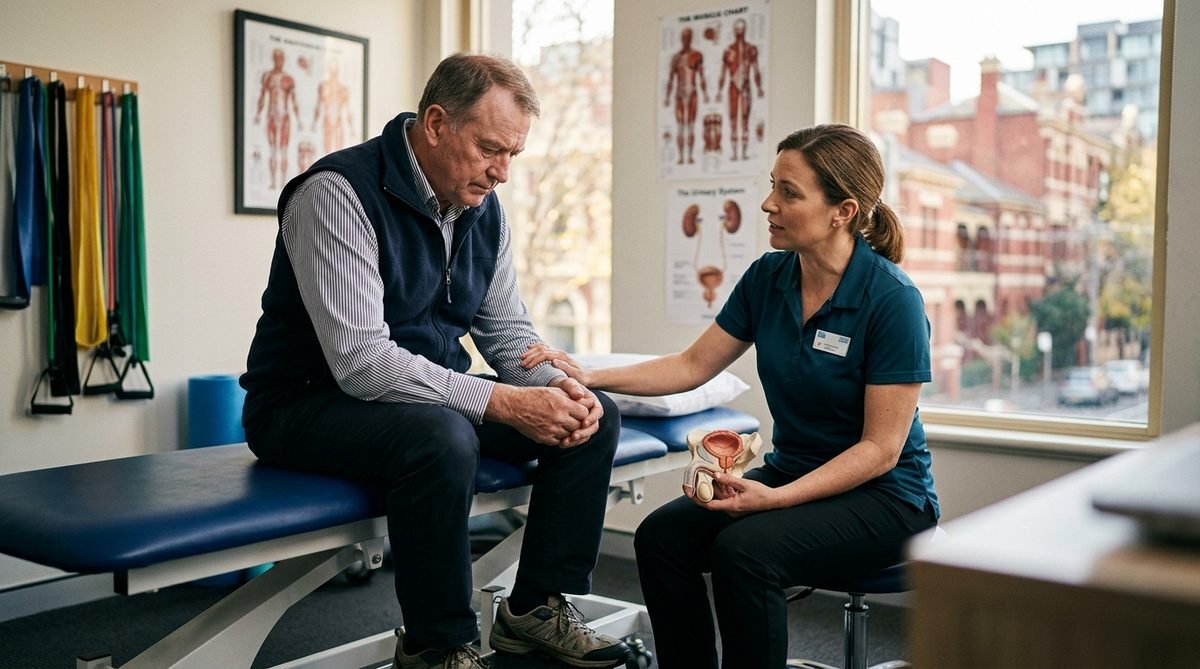
What Are the Negatives of Removing Your Prostate in Melbourne?
Read article →
Is Prostate Cancer Classed as a Disability in Melbourne?
Read article →