Who Is Responsible for Medicare in Australia? A Clear Guide

The Australian federal government owns and funds Medicare. Full stop. It's a national program, not a state one, and it's been that way since 1984 under the Hawke government. Your Medicare card works the same in Darwin or Hobart for a reason.
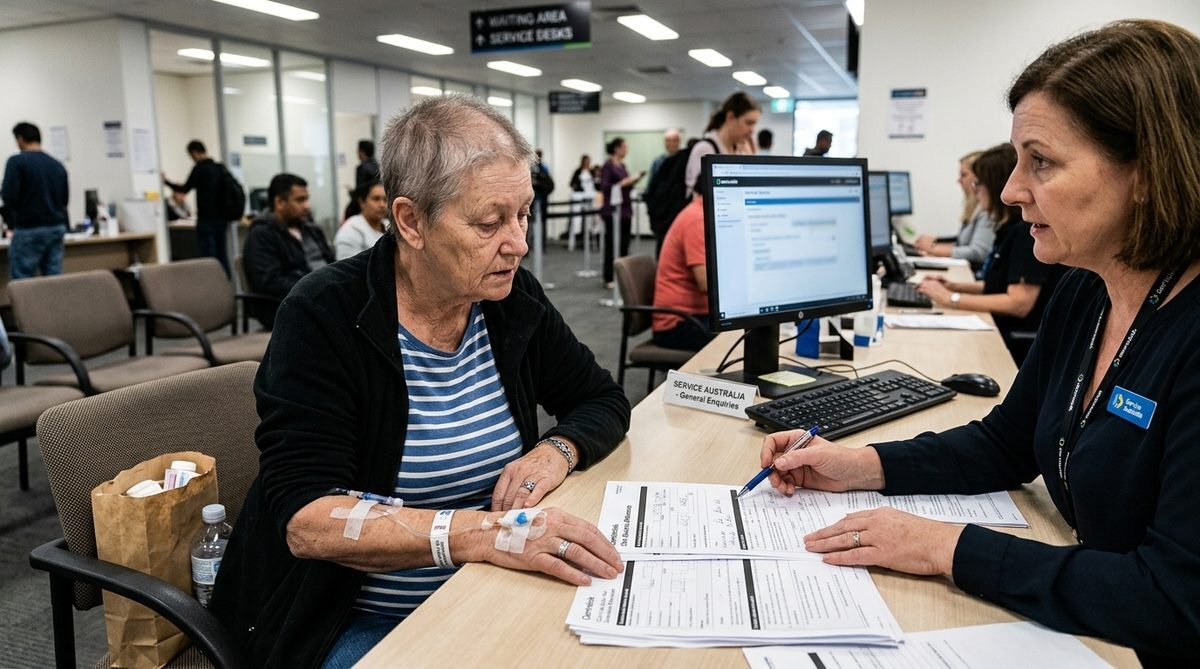
Services Australia administers Medicare day to day. They process claims, manage the Medicare card system, and handle rebates back to patients and providers. But the policy decisions, funding, and coverage rules? Those sit with the federal Department of Health and Aged Care.
State and territory governments aren't off the hook entirely. They run the public hospitals. So the federal government pays for your GP visit through Medicare, but the state government covers that emergency department you end up in if your GP sends you to hospital. This split is one of the most misunderstood things about the Australian health system, and it causes genuine confusion for patients.
Which Government Actually Funds Medicare?
The federal government funds Medicare through general taxation and the Medicare Levy, currently set at 2% of taxable income for most Australians. Higher earners without private hospital cover pay an extra Medicare Levy Surcharge.
This makes Medicare federal in every meaningful sense. The states have no say over what's on the Medicare Benefits Schedule, what a GP receives, or whether a scan is covered. Those decisions happen in Canberra. Current health minister Chris Bowen has shaped recent Medicare policy direction.
What the states control is how public hospitals are resourced and run. The federal government contributes through National Health Reform Agreements, but the hospitals themselves are a state responsibility. When a public hospital has a four-hour emergency wait, that's a state resourcing issue, even though Medicare is paying part of the bill in the background.
One of my clients spent weeks trying to get clarity on a billing dispute after an overnight hospital stay. She kept calling Medicare thinking they controlled the hospital charges. They don't. The hospital bill came from the state health system. Medicare only covered the doctor who treated her inside. Two different systems, two phone numbers, one very frustrated patient.
What Does Medicare Actually Cover?
Medicare covers services listed on the Medicare Benefits Schedule. That includes GP visits, specialist consultations, most diagnostic imaging and pathology, and some allied health services under specific care plans. It also covers treatment as a public patient in a public hospital.
What it doesn't cover is where people get caught out. Dental, optical, and most physiotherapy aren't covered under standard Medicare. Ambulance services are a state responsibility. Private hospital accommodation isn't covered unless you have private health insurance.
Is Surgery Covered by Medicare?
Yes, but it depends on how and where the surgery happens. As a public patient in a public hospital, Medicare and the state hospital system cover the procedure at no cost. The surgeon, anaesthetist, and facility are all covered.
Private surgery gets complicated. Medicare pays a rebate toward the surgeon's fee and anaesthetist's fee based on the Medicare Benefits Schedule. But many specialists charge above the schedule fee, which creates a gap. Private health insurance can cover some or all of that gap, but without cover, you pay the difference.
This catches people off guard after elective procedures. One client had knee surgery privately, assumed Medicare would cover most of it, and ended up with a $2,400 out-of-pocket bill because her surgeon charged well above the schedule fee. She hadn't asked beforehand. Always ask your specialist what their fee is relative to the Medicare schedule rate before you agree to a private procedure.
Some surgeries also require equipment or implants that Medicare doesn't cover at all. Certain spinal procedures, some cardiac devices, and newer surgical technologies fall into this gap. Your surgeon should disclose this, but not all do proactively.
Who Owns Medicare in Australia?
Medicare is owned by the Australian public through the federal government. It's not a private company, not a statutory authority with independent governance, and not owned by any political party even though Labor introduced it and the Coalition tried to abolish it early on.
Services Australia runs the operational side. It was formerly the Department of Human Services and before that Medicare Australia as a standalone body. The rebranding to Services Australia happened in 2019, which is why some older Australians still refer to Medicare offices that no longer exist under that structure.
Policy and funding decisions sit with the federal Minister for Health. The Pharmaceutical Benefits Advisory Committee and the Medical Services Advisory Committee advise on what gets listed on the relevant schedules, but the minister has the authority to add, change, or remove items.
What Is the Point of MyMedicare?
MyMedicare is a voluntary patient registration system the federal government launched in 2023. The idea is to formally link patients to a regular GP or general practice so the system can better track continuity of care and direct funding toward people with complex or chronic health needs.
For most healthy adults who see a GP a couple times a year, MyMedicare doesn't change much right now. Where it matters is for patients with chronic conditions who see the same GP regularly. Practices with a high proportion of registered patients can access blended funding models, which make it financially viable for GPs to spend more time with complex patients rather than churning through short consultations to stay profitable.
There's also a push to use MyMedicare registration to unlock certain telehealth services, particularly for patients in rural and remote areas. The long game is moving away from pure fee-for-service general practice and toward something that rewards continuity and care coordination. MyMedicare is the infrastructure that makes that possible.
From a patient perspective, registering takes about two minutes through MyGov. If your GP is bulk billing and you see them regularly, it's worth doing. If you're unsure whether your GP is registered, ask at the front desk.
The Part Most People Miss: The Federal-State Split Creates Real Gaps
The split between federal Medicare responsibility and state hospital responsibility sounds clean on paper. In practice, it creates cracks that patients fall through regularly.
Take mental health. Medicare covers a set number of psychology sessions per year under a Mental Health Care Plan. But if someone needs higher-level psychiatric care or an inpatient stay, that moves into the state hospital system, which has its own waiting lists, funding constraints, and rules about who qualifies. The handoff between the two systems isn't smooth, and patients in crisis often get bounced between phone numbers.
Aged care is another area where the boundary matters. Residential aged care is federally funded and regulated. But when an aged care resident needs hospital treatment, they go into the state hospital system. Coordinating between a federal aged care provider and a state hospital for a patient with complex needs is a genuine problem that families deal with constantly.
Health economists have written about this for decades. The structural misalignment of funding incentives means the federal government saves money when people end up in state hospitals rather than being managed in primary care. That's part of why the push toward more GP-centered care coordination through things like MyMedicare has bipartisan support even if the implementation is contested.
What Universal Health Care Actually Means in the Australian Context
Australia has a universal health care system, which means every Australian resident is entitled to Medicare coverage regardless of income, employment status, or prior health history. There's no underwriting, no denial of coverage for pre-existing conditions, and no lifetime limit on what Medicare will pay.
What universal doesn't mean is free at the point of service for everything. GPs can choose to bulk bill, which means Medicare pays them directly and you pay nothing. Or they can charge above the Medicare rebate, which means you pay the gap. The proportion of GPs bulk billing has dropped significantly over the past several years as the Medicare rebate failed to keep pace with practice costs, which is why the federal government introduced a large rebate increase for bulk billing in 2023.
Specialists almost never bulk bill outside of the public hospital system. Pathology and radiology often do, particularly for standard tests. Understanding which services are likely to carry a gap and asking upfront is the single most useful habit you can develop when navigating the Australian health system. PTNA
Frequently Asked Questions
Which government is responsible for Medicare in Australia?
The federal government. Medicare is a national program funded and governed by the Commonwealth. State governments run public hospitals but have no authority over Medicare policy or the Medicare Benefits Schedule.
Who owns Medicare in Australia?
It's publicly owned and administered by Services Australia under the authority of the federal Department of Health and Aged Care. It's not a private entity.
Is surgery covered by Medicare?
Surgery in a public hospital as a public patient is covered. Private surgery gets a Medicare rebate toward the surgeon and anaesthetist fees, but gaps are common if the specialist charges above the schedule fee. Always ask what your out-of-pocket cost will be before agreeing to a private procedure.
What is MyMedicare and do I need it?
MyMedicare is a voluntary registration system that links you to your regular GP. It doesn't change your Medicare card or your entitlements. Its main benefit is for people with chronic conditions or those who want to access certain telehealth services. Registering through MyGov takes a few minutes and costs nothing.
Does Medicare cover dental?
Standard Medicare doesn't cover dental for adults. There's a Child Dental Benefits Schedule for children aged 2 to 17, which covers basic services up to a capped amount over two years. Adults with specific chronic health conditions can sometimes access limited dental through the public system via their state health service, but that's not Medicare.
Can I use Medicare in a private hospital?
Medicare pays rebates toward doctor fees inside a private hospital but doesn't cover the hospital accommodation or theatre fees. That's what private health insurance is for. Without private cover, a stay in a private hospital will result in significant out-of-pocket costs even with Medicare.
What to Do Next
If you're managing your own health or helping a family member navigate the system, the most useful thing you can do right now is check whether your regular GP bulk bills. Register with MyMedicare through MyGov if you have a chronic condition or see a GP regularly. And before any specialist appointment or planned procedure, ask directly what the Medicare rebate is and what your gap will be. That one question will save you more money and more stress than anything else in this article.
If you want help understanding how Medicare and private health insurance work together for your specific situation, the team at PTNA can walk you through it.
Explore related health and wellbeing guides
This article is part of PTNA's consumer health and wellbeing library. Browse the Health & Wellbeing Resources hub to find related guides by topic, including Australian health cover, Medicare, prostate health, mental health, disability support and life insurance.
How Much Does It Cost to Have Your Prostate Removed Privately in Melbourne?
Read article →
Is It Worth Having Your Prostate Removed in Melbourne?
Read article →
Can You Get Anything Free if You Have Cancer in Melbourne?
Read article →
What Are the Negatives of Removing Your Prostate in Melbourne?
Read article →
Is Prostate Cancer Classed as a Disability in Melbourne?
Read article →