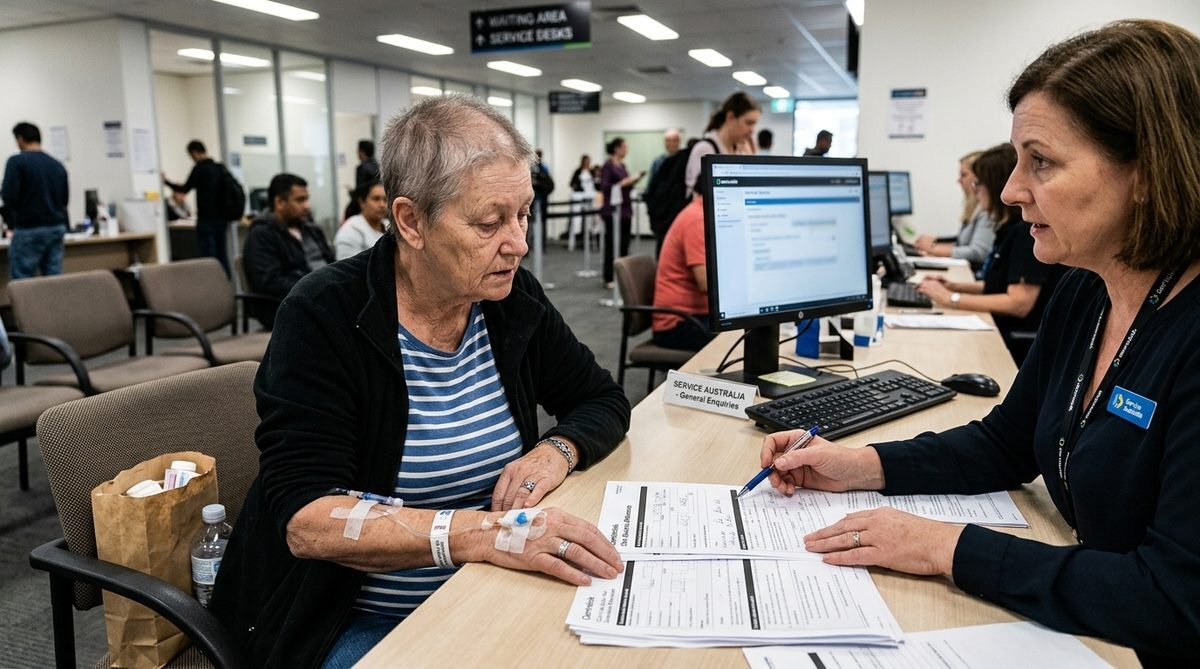
Who introduced Medicare into Australia?
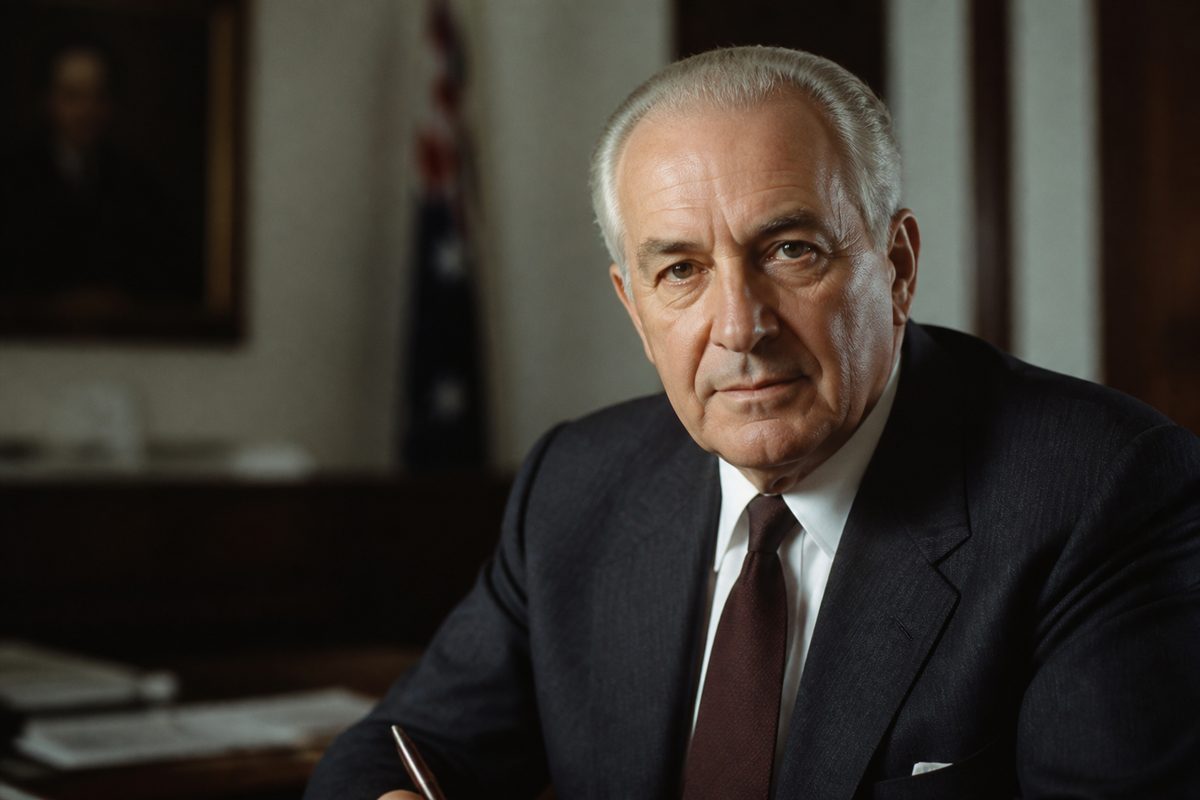
Bob Hawke's Labor government introduced Medicare into Australia on 1 February 1984. Health Minister Neal Blewett led the lawmaking and rollout. But the story reaches back to Gough Whitlam's government, which created Medibank in 1975.
Medibank was Australia's first universal health insurance scheme. It became the model Medicare later restored.
That's why two names often come up in accounts of Medicare. Whitlam introduced the first national system. Bob Hawke's Labor government under the Medicare name still used today.
Both answers can be right. The key is making the difference between Medibank and Medicare clear.
Why is one name not enough to explain Medicare's origin?
Medicare grew from two linked reforms, almost nine years apart. The Whitlam government built the first universal scheme. The Hawke government restored its main idea after the Fraser government had changed and cut back Medibank.
If the question means the program named Medicare, the answer is Bob Hawke's government. If it means the start of universal public health insurance in Australia, Gough Whitlam's government gets the earlier credit.
This difference matters because Medicare wasn't drawn from scratch in 1984. Its designers used Medibank's legal structure, payment methods and public track record. They also learned from the fierce political fights around the earlier scheme. Medicare's legal structure and payment methods
Here's an easy way to remember it: Whitlam created the first national model. Hawke restored and renamed the model Australians use today.
What did Gough Whitlam's government create?
Gough Whitlam took office in December 1972 with a plan for universal health insurance. At that time, access depended heavily on private insurance funds. People without the right cover could face steep medical bills or put off care.
The answer was Medibank. It aimed to give Australians subsidised medical care, whatever their income. The Commonwealth would pay benefits for eligible services, while public hospital deals would support care without direct charges for public patients.
The plan met strong political resistance. The Senate rejected key bills, and the fight became part of the events leading to the 1974 double dissolution election. The law later passed at Parliament's joint sitting in August 1974.
Medibank started on 1 July 1975.
Whitlam was the prime minister who pushed the reform through Parliament. Bill Hayden, the social security minister, handled much of the policy and political work behind it. Economists John Deeble and Dick Scotton had also built an influential national health insurance model that shaped Labor's plan.
Giving one prime minister all the credit hides how public policy gets made. A prime minister sets the course and spends political capital. Ministers turn that goal into law.
Advisers and public servants tackle the hard design work. Then Parliament decides whether the system becomes law.
Who were the policy minds behind the first universal model?
John Deeble and Dick Scotton built much of Medibank's intellectual base during the 1960s. They studied how Australia could fund medical care for everyone, instead of tying access to membership of private insurance funds.
Bill Hayden turned that policy base into a government program. He argued that health cover should be a public system open to most people. His part is easy to overlook because major reforms tend to be remembered by the prime minister's name.
Whitlam still bears clear political responsibility. He took the policy to elections, defended it through a bitter fight in Parliament and made it central to his government's plans.
Deeble, Scotton and Hayden explain where the design came from. Whitlam explains how it became a national reform.
This wider view fixes a common mistake. Medicare's history isn't a contest where only Whitlam or Hawke gets credit. The system grew through design, lawmaking, removal and restoration.
Why did Medibank fail to remain in its original form?
The Fraser government took office in November 1975. It didn't remove Medibank in one swift act. Instead, it changed the scheme several times.
Those changes altered contributions, pushed private insurance and weakened universal access.
By the early 1980s, Australia no longer had the same simple universal setup that began in 1975. People dealt with a mix of public support, private cover and direct costs. Their cover could depend on insurance choices and financial position.
This period shaped the later Medicare design. Labor had seen how a public health scheme could be worn down through a string of technical changes. Its replacement needed a clear public benefit and a form people could grasp in daily life.
That lesson is often overlooked. A public program lasts when people know what it does for them. Medicare made its promise plain through subsidised medical services and free care as a public patient in a public hospital.
How did the Hawke government turn the idea into Medicare?
Labor returned to office under Bob Hawke in March 1983. Restoring universal health insurance was part of its election program. The government moved fast because it wanted the new system running within its first year.
Neal Blewett, the federal health minister, led the work. Parliament passed the needed law in 1983, and Medicare began on 1 February 1984. The fresh name helped set the scheme apart from the many changes Medibank had faced.
Hawke gave the reform its authority and public case. Blewett handled the fine points of the law and its rollout. Cabinet backed the spending and practical choices needed to run the system across Australia.
Medicare brought back the core promise of universal cover. Eligible patients could get a benefit for listed medical services. They could also receive care as public patients in public hospitals without being charged for that treatment.
The system didn't make every kind of health care free. Medicare benefits followed set rules and scheduled fees. Doctors could charge more than the scheduled amount.
Many dental services, ambulance services and other types of care sat outside general Medicare cover. Universal access meant each eligible person joined the same public system. It didn't mean every health cost vanished.
Why does the name Bob Hawke appear most often?
Medicare began while Bob Hawke was prime minister, and the program still has the same name. That gives him the clearest tie to the system Australians know now.
Prime ministers also become the public face of big reforms. Hawke sold Medicare as a clear benefit delivered by his government. It began while his government held strong public attention, so the link stuck.
But saying Hawke acted alone leaves out much of the story. Neal Blewett held the health portfolio and steered the reform into operation. Earlier work by Whitlam, Hayden, Deeble and Scotton supplied much of its policy heritage.
The fairest wording is exact: the Hawke Labor government introduced Medicare in 1984, building on the universal Medibank system introduced by the Whitlam Labor government in 1975.
Was Medicare simply Medibank with a new name?
No. Medicare restored the main universal idea behind the original Medibank, but it came through new laws and in a changed political climate. The Hawke government had to rebuild national arrangements after years of policy shifts.
The two systems shared the same roots. Both aimed to spread health costs across the community and protect access to medical care. Both used Commonwealth benefits for eligible medical services and deals that supported public hospital care.
Medicare also gained from Medibank's track record. Policymakers knew how doctors, hospitals, insurers and patients reacted to a national scheme. They could spot which rules caused confusion and which political attacks had worked.
For patients, the real issue was access. Under a universal scheme, losing a job or having a low income didn't take away someone's place in the public health system. That security was the main idea restored in 1984.
What role did Parliament play in deciding who gets credit?
Neither Medibank nor Medicare could start with a prime minister's announcement alone. Each one needed laws, funding and public administration.
Whitlam's plan faced fierce resistance in the Senate. The 1974 joint sitting remains a key part of the story because it shows how hard his government pushed to set up Medibank. Passing the bills turned party policy into law.
Hawke's government dealt with a different Parliament. It introduced Medicare legislation after winning office with a stated plan to restore universal health insurance. Blewett then led the legal and practical work needed for the February 1984 start.
Political credit should match the act being discussed. Whitlam's government deserves credit for setting up Australia's first universal scheme. Hawke's government deserves credit for creating Medicare as the lasting program.
Parliament made both reforms possible in law.
Why do some sources give different answers?
Most clashing answers use the word Medicare in different ways. Some treat it as a broad name for Australia's whole history of universal health insurance. Others mean only the program that began in 1984.
A source looking at the policy's roots may name Whitlam and Medibank. One focused on the current program may name Hawke and Medicare. Neither answer helps unless it says which event it means.
Dates clear up most of the mix-up. Medibank began on 1 July 1975 under Whitlam. Medicare began on 1 February 1984 under Hawke.
The different names and dates show that these were linked reforms, not one unbroken launch.
Medibank Private creates another source of confusion. The private health insurer grew from later changes to the Medibank system, but it is separate from Medicare. Those similar names can make a fairly clear history seem murky.
What does the history reveal about Medicare's main purpose?
The main goal was to make essential medical and public hospital care less tied to a person's wealth or private insurance status. That idea joins the reforms of 1975 and 1984.
Before universal cover, someone who let private insurance lapse could face serious costs. A family might also pay premiums yet still get bills that stretched its budget.
Medibank changed the basic rule by putting the whole eligible population inside a public insurance system. Medicare brought that rule back.
The word universal can still set up false hopes. Medicare pays benefits under the law and the Medicare Benefits Schedule. A provider may bulk bill, meaning they accept the Medicare benefit as full payment.
Or the provider may charge a higher fee, leaving the patient to pay the gap.
This doesn't change who introduced the scheme, but it shows what the Hawke government really introduced. Medicare was a national insurance system with set benefits. It was never a promise that every health service would come with no personal cost.
How should the historical answer be stated?
Use a two-part answer when accuracy counts. Bob Hawke's Labor government introduced Medicare in 1984, with Health Minister Neal Blewett leading the reform. It grew from Medibank, the universal scheme created by Gough Whitlam's Labor government in 1975.
This wording credits both the current program and its roots. It also avoids treating Medicare as a lone idea that suddenly appeared in 1984.
A fuller account can name Bill Hayden as a major political architect of Medibank. It can also name John Deeble and Dick Scotton as key policy thinkers. Those names show how the first model moved from research into government policy.
The main answer should still start with Hawke's government because the question uses the formal name Medicare. Whitlam belongs in the next sentence because his government created the model that Medicare restored.
What is the one takeaway to use?
Remember the answer as Hawke for Medicare in 1984, built on Whitlam's Medibank from 1975.
Common questions
Which political party brought Medicare?
The Australian Labor Party brought in Medicare. It began on 1 February 1984.
Did Bob Hawke introduce Medicare?
Yes, Bob Hawke introduced Medicare while he was prime minister. His Labor government launched it in 1984.
Which prime minister brought in Medicare in Australia?
Prime Minister Bob Hawke brought Medicare into Australia. His government started the program in 1984.
Do immigrants get Medicare in Australia?
Some immigrants can get Medicare, depending on their visa and residency status. Permanent residents and people from certain partner countries may qualify.
How Much Does It Cost to Have Your Prostate Removed Privately in Melbourne?
Read article →
Is It Worth Having Your Prostate Removed in Melbourne?
Read article →
Can You Get Anything Free if You Have Cancer in Melbourne?
Read article →
What Are the Negatives of Removing Your Prostate in Melbourne?
Read article →
Is Prostate Cancer Classed as a Disability in Melbourne?
Read article →