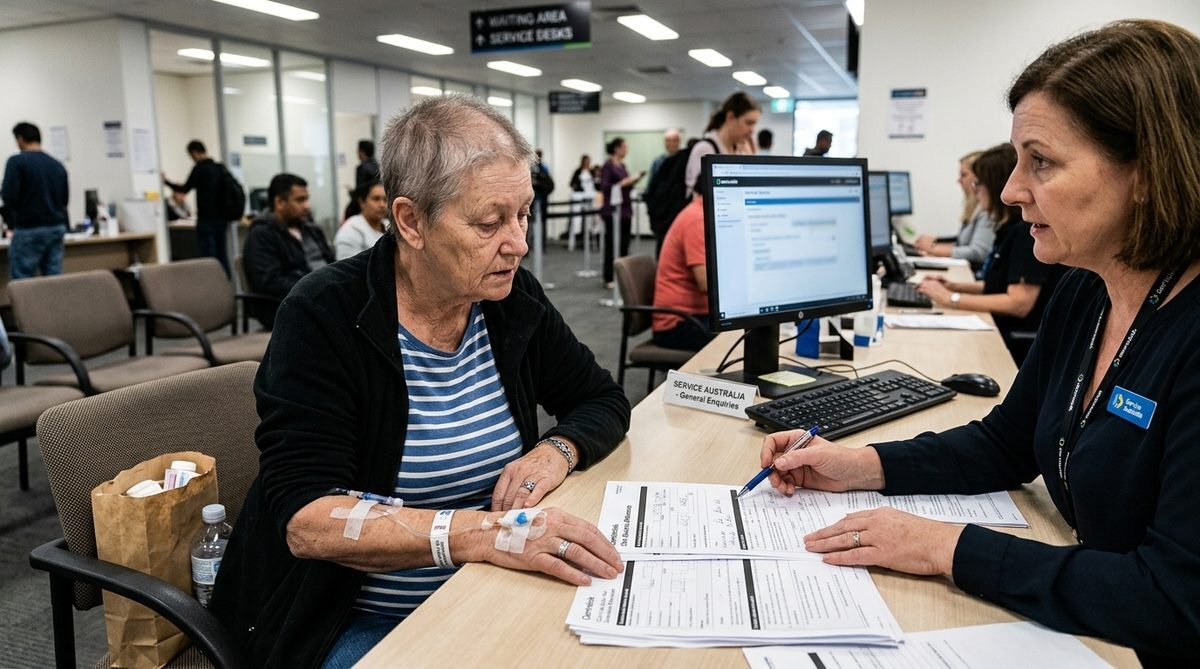
Who brought Medicare to Australia?
Bob Hawke’s Labor government brought Medicare to Australia on 1 February 1984. Health Minister Neal Blewett led the work that turned the policy into a working national system. But Medicare grew out of Medibank, the universal health scheme set up by Gough Whitlam’s government in 1975. Bill Hayden, Whitlam’s social security minister, designed much of that first scheme.
So the answer has a few layers. Hawke launched Medicare. Blewett shaped it and steered it through Parliament. Whitlam and Hayden built the model behind it. Medicare wasn’t a brand-new idea. It was Medibank rebuilt with firmer political planning.
Why does Bob Hawke receive the main credit?
Bob Hawke gets the main credit because he was prime minister when Medicare became law and started across Australia. His government won the 1983 federal election after promising to bring back universal health cover. Then it moved quickly. Medicare began less than a year after Labor took office. Like other major social reforms, Medicare required both political will and careful timing.
The scheme gave eligible Australians free treatment as public patients in public hospitals. It also paid benefits for many medical services outside hospital. Part of its funding came from a levy tied to taxable income.
Hawke made Medicare a plain public promise. He saw universal health cover as part of the social wage, meaning services given to the public alongside cash wages. This linked health policy to the everyday cost of living.
His job was both political and practical. A national health scheme can fall apart if voters don’t understand it or state governments won’t join in. Hawke’s government had to pass federal laws, strike hospital funding deals with the states and show families how the system would affect them.
For patients, the change was easy to understand. A serious illness would no longer bring the same threat of a huge hospital bill just because someone lacked private insurance. That promise made a tricky funding system feel real in people’s lives.
What did Neal Blewett do to make Medicare real?
Neal Blewett was the federal health minister who led Medicare’s rollout. He took care of the detailed work behind Hawke’s promise, from the laws and talks with governments to the shape of the restored scheme.
His job involved far more than putting a new name on a card. The Commonwealth needed deals that covered access to public hospitals. Doctors needed clear rules for claiming benefits. Public servants needed a way to handle payments. The government also had to set the Medicare levy and tell people who would pay it.
Blewett had learned from Medibank’s rocky history. A universal scheme needed steady funding and deals that could withstand fights between different levels of government. So Medicare used a levy that made the link between tax and health cover clearer.
He also had to steer the Health Legislation Amendment Act 1983 through Parliament. That law set the federal framework for Medicare. The system opened on 1 February 1984.
Australian Labor Party. Yet the health minister usually does much of the policy work. Here, Hawke brought authority and public support. Blewett turned that support into rules, deals and services.
How did Medibank lay the foundation?
Medicare’s direct ancestor was Medibank. The Whitlam government launched Medibank on 1 July 1975 after a long political battle. Its aim was simple: give Australians access to health care, whatever their income.
Before Medibank, many people depended on private health funds backed by government subsidies. That system failed people who couldn’t afford membership or struggled to get cover. Some families faced medical bills at the worst possible time.
Medibank changed the ground rules. Health cover would depend on citizenship and eligibility, not whether someone could buy private insurance. The Commonwealth would pay medical benefits and back free public hospital treatment through deals with the states.
That’s why the credit for Medicare stretches back to the Whitlam years. Hawke’s government didn’t start from scratch. It brought back the main idea, changed the funding plan and named the scheme Medicare.
One point often gets missed. Medibank lived on as an idea even after later governments changed how it worked. Once Australians had used universal cover, the whole debate shifted. The question was no longer whether government could build such a system. It became whether that system should stay universal.
Why does Bill Hayden belong in the story?
Bill Hayden belongs here because he developed the Medibank plan while serving as social security minister under Gough Whitlam. His work laid out much of the policy structure that Medicare later brought back.
Hayden had a deeply personal reason to care about health care access. As a young police officer, he saw how illness and medical costs could hurt families with little money. He later studied economics and entered federal politics, where he worked on a national health insurance model.
The plan met fierce resistance. Critics feared more government control and fought its funding method. The Whitlam government couldn’t get the original bills through the Senate. After the 1974 double dissolution election, Parliament held a joint sitting and passed key Medibank laws.
That history matters. It shows that universal health care needed careful design before it could become a lasting public service. Hayden helped decide who would get benefits, how doctors would be paid and how federal support would link with public hospitals.
Calling Hayden the sole creator of Medicare would muddle the dates. He designed Medibank, not the 1984 program called Medicare. Still, Medicare borrowed so much from Medibank’s purpose that the story feels unfinished without him.
Why did Australia need to restore universal cover?
Medibank didn’t stay in its first form after the Fraser government took office in 1975. A run of changes weakened its universal nature. Rules moved, charges changed and private insurance took on a bigger role again. By 1981, most of the universal model had been pulled apart.
Australia was left with a mixed system, and some people had no reliable cover. Those without suitable insurance could face hospital or medical costs. The Hawke opposition used that gap to make the case for a simpler national scheme.
The restoration also taught a lesson about policy design. A health system must work at the clinic desk, not just in Parliament. Patients need to know if they’re covered. Doctors need a clear billing path. Hospitals need steady funding. A maze of changing rules can drain trust even when some help is still there.
Medicare tackled that problem with a broad right to care and a public name people could recognise. It also let doctors bulk bill. With bulk billing, a doctor takes the Medicare benefit as full payment and sends the claim straight to the government. The patient pays nothing for that service.
This didn’t make every kind of health care free. Medicare benefits are based on set fees, and doctors can charge above the scheduled amount. Dental care, ambulance services and many allied health services follow separate rules. The reform’s big win was a lasting national base for medical care and public hospitals.
Was Medicare created in one moment?
No. Medicare started on a set date, but its creation came from more than a decade of policy work.
Whitlam gave universal health insurance real force in national politics. Hayden built the Medibank model. Hawke won public backing to restore universal cover. Blewett shaped the 1984 system and led its launch. Understanding this shared credit requires looking at the detailed policy history behind major reforms.
Short accounts often miss this shared credit. Political history likes to pair one person with one reform. That makes dates neat and memorable, but it hides how public systems come together. One leader can approve the goal, a minister can write the plan, and earlier reformers can provide the model already put to the test.
This chain also explains why sources give different names. A source focused on the Medicare name points to Hawke. One focused on universal health insurance may point to Whitlam. A policy history may place more weight on Hayden or Blewett. They’re describing separate stages, not rival versions of one event.
The clearest answer is to match each person to an act. Hawke’s government introduced Medicare in 1984. Blewett led the rollout. Whitlam’s government introduced Medibank in 1975. Hayden designed that first plan.
What changed for ordinary Australians in 1984?
Medicare gave eligible people a direct right to use the national health system. They could get free care as public patients in public hospitals and claim benefits for listed medical services. Access no longer depended on keeping private hospital insurance.
Picture a worker struck by sudden appendicitis. Under Medicare, that person could go into a public hospital as a public patient without first proving membership in a private fund. Public funding covered the hospital’s treatment. Care rested on medical need.
Outside hospital, the result depended on the doctor’s billing choice. A doctor who bulk billed could claim the Medicare benefit directly. Another doctor could bill the patient, who would get a Medicare rebate and pay any gap.
People often get one detail wrong: Medicare didn’t make every health service free. It set up universal public cover for certain services. It didn’t wipe out every fee. That gap still affects choices about bulk billing, private insurance and services outside the main benefit schedule.
Another point slips by. Medicare didn’t end private health care. Australians could still buy private insurance and use private hospitals. The system put a public floor under the whole population while keeping private care as an option.
Why has the 1984 model lasted?
Medicare lasted because Australians came to see public hospital and medical care as a normal part of national life. Removing it would hit people across income levels, regions and age groups.
Its setup also spreads the work around. The Commonwealth pays Medicare benefits and helps fund hospitals. State and territory governments run public hospitals. Doctors can use different billing models. This split can spark disputes, but it also roots Medicare across many parts of government and health care.
The scheme has shifted since 1984. Levy rules, rebates and covered services have changed many times. But its main promise remains clear: eligible Australians can use a national public system for core medical and hospital care.
That staying power adds to Hawke and Blewett’s achievement. They restored a policy that had already endured years of conflict and shaped it into something later governments kept. It also proves the value of the earlier Medibank work. The 1984 system lasted because its core model had already been fought over, built and tested.
What is the clearest way to remember the answer?
Think of the history as a relay, not a single act. Whitlam backed the first universal scheme. Hayden designed it. Hawke brought universal cover back under the Medicare name. Blewett carried the policy into law and put it to work.
If you need just one name, use Bob Hawke because Medicare began during his time as prime minister on 1 February 1984. If the question asks about the deeper roots of universal health insurance, include Gough Whitlam and Bill Hayden. If it asks who delivered the system, add Neal Blewett.
Action: remember one date and one chain of credit: Medicare began on 1 February 1984 under Bob Hawke, built by Neal Blewett on the Medibank foundation created by Gough Whitlam and Bill Hayden.
Common questions
Which prime minister brought in Medicare in Australia?
Prime Minister Bob Hawke brought in Medicare in 1984. It replaced an earlier health care system called Medibank.
Which party created Medicare in Australia?
The Australian Labor Party created Medicare. It began in 1984 under Prime Minister Bob Hawke.
Which government brought in Medicare in Australia?
The Hawke Labor government brought in Medicare. The program started on 1 February 1984.
Do immigrants get Medicare in Australia?
Many immigrants can get Medicare if they are permanent residents or meet other rules. Some temporary visitors may also qualify through an agreement with their home country.
How Much Does It Cost to Have Your Prostate Removed Privately in Melbourne?
Read article →
Is It Worth Having Your Prostate Removed in Melbourne?
Read article →
Can You Get Anything Free if You Have Cancer in Melbourne?
Read article →
What Are the Negatives of Removing Your Prostate in Melbourne?
Read article →
Is Prostate Cancer Classed as a Disability in Melbourne?
Read article →