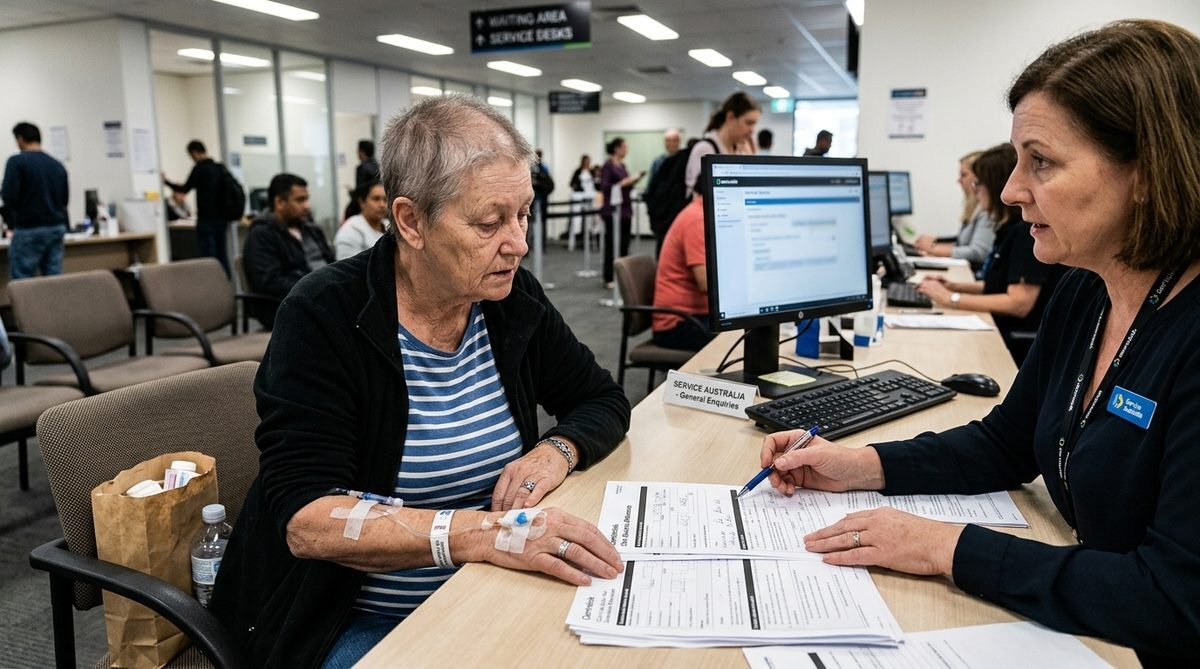
Which Treatment Is Not Covered Under Health Insurance? What Australians Get Wrong

Most people find out what their health insurance doesn't cover at the worst possible time: when they're already sick, already stressed, and already expecting a bill to be paid. That gap between what you assumed was covered and what actually is covered can cost thousands of dollars.
This article breaks down exactly which treatments are not covered under health insurance in Australia, why those exclusions exist, and what you can do about it before you need care.
Which Treatment Is Generally Not Covered Under Health Insurance?
The honest answer is that exclusions vary by policy, but there are categories that almost every private health insurer in Australia leaves out or severely limits. Knowing these categories protects you.
The most commonly excluded or restricted treatments include:
- Cosmetic and elective aesthetic procedures — rhinoplasty, facelifts, liposuction, and similar surgeries performed for appearance rather than medical necessity
- Dental treatment — most hospital policies exclude general dental entirely; extras cover helps but has annual limits
- Fertility treatments — IVF and assisted reproductive technology are excluded on many basic and mid-tier policies
- Weight loss surgery — bariatric procedures like gastric banding are often excluded or require a higher-tier policy
- Experimental or unproven treatments — therapies not yet approved by the Therapeutic Goods Administration (TGA) or not listed on the Medicare Benefits Schedule (MBS)
- Overseas medical treatment — injuries or illness that occur outside Australia are generally not covered by Australian private health insurance
- Pre-existing conditions during waiting periods — treatment for conditions you had before taking out the policy is excluded for a set period, typically 12 months
- Ambulance services — coverage depends on your state and policy; many hospital policies do not include ambulance
What I found when reviewing common policy documents is that the exclusions list is often longer than the inclusions list on basic and mid-tier products. Insurers are required to disclose exclusions clearly, but the language is dense and easy to skim past.
What Services Are Not Covered by Private Health Insurance?
Beyond specific treatments, there are whole service categories that private health insurance in Australia does not touch.
General Practice and GP Visits
Private health insurance does not cover visits to your GP. Medicare handles that. Your private insurer steps in for hospital admissions and, if you have extras cover, for ancillary services. Many people assume their private cover pays for GP consultations. It does not.
Outpatient Specialist Consultations
Seeing a specialist as an outpatient, meaning you are not admitted to hospital, is generally not covered by hospital insurance. Medicare covers a portion of the fee, but the gap between the Medicare rebate and what the specialist charges comes out of your pocket. This surprises a lot of people.
Pharmacy and Prescription Medications
Private health insurance does not cover prescription medications. The Pharmaceutical Benefits Scheme (PBS) handles subsidised medicines. Some extras policies include a small pharmacy benefit, but it is minimal and capped.
Physiotherapy, Chiropractic, and Allied Health
These are only covered if you have extras cover, and even then, annual limits apply. Hospital cover alone does not pay for physiotherapy sessions outside of a hospital admission.
Mental Health Services Outside Hospital
Ongoing psychology or counselling sessions as an outpatient are not covered by hospital insurance. Medicare's Better Access initiative provides some rebates for psychology, but private health insurance does not extend that coverage further unless you have specific extras inclusions.
Dental and Optical
Hospital cover excludes dental and optical almost universally. You need extras cover for these, and even then, annual benefit limits mean you will pay a portion yourself. In my experience reviewing policies for clients, dental is the most common area where people feel underinsured.
What Is Not Covered by a Health Insurance Policy Due to Waiting Periods?
Waiting periods are a separate category of non-coverage that catches people off guard. Even if a treatment is included in your policy, you may not be able to claim it yet.
Standard waiting periods in Australia include:
- 2 months for most hospital treatments
- 12 months for pre-existing conditions
- 12 months for obstetrics and pregnancy-related services
- 2 months for most extras services
- 12 months for major dental work like crowns and orthodontics
If you take out a policy and need surgery within the first two months for a condition that developed after you joined, you are still not covered. The waiting period applies regardless of when the condition started.
Pre-existing condition waiting periods are the most financially painful. If you had back problems before joining a fund and need spinal surgery within the first 12 months, the insurer can decline the claim. After 12 months, that same surgery would be covered.
Which Treatments Are Excluded on Basic and Bronze Tier Policies?
Since 2019, Australian private health insurance has used a tiered system: Gold, Silver, Bronze, and Basic. The tier determines which clinical categories are included.
On Basic tier policies, the following are commonly excluded:
- Joint replacements
- Cardiac and cardiac-related services
- Cataracts
- Dialysis for chronic kidney failure
- Pregnancy and birth
- Assisted reproductive technology
- Weight loss surgery
- Insulin pumps
- Pain management with a device
Bronze tier adds some of these back in but still excludes Gold-level categories like joint replacements and cardiac services on many products.
What most articles miss here is that the tier label alone does not tell you everything. Two Bronze policies from different insurers can have different restricted and excluded categories. The label is a floor, not a guarantee of identical coverage.
Three Things Most Articles Get Wrong About Health Insurance Exclusions
1. "Restricted" Is Not the Same as "Excluded"
A restricted service is included in your policy but only paid at the minimum benefit rate. That rate often only covers treatment in a public hospital as a private patient. If you go to a private hospital for a restricted service, you may face a large out-of-pocket cost even though the treatment is technically "covered." Many people read "restricted" and assume they are protected. They are not, not fully.
2. The Medicare Safety Net Does Not Fill the Gap
There is a common belief that once you hit the Medicare Safety Net threshold, your out-of-pocket costs disappear. The Safety Net increases the Medicare rebate for out-of-hospital services, but it does not cover the gap between what a specialist charges and what Medicare pays. Private health insurance does not bridge that gap either for outpatient services. You can hit the Safety Net and still owe hundreds of dollars per specialist visit.
3. Cosmetic Exclusions Are Broader Than You Think
Insurers can classify a procedure as cosmetic even when you and your doctor consider it medically necessary. Breast reduction surgery, for example, is sometimes covered when there is documented physical harm from the condition, but insurers can and do dispute this. The burden is on you to demonstrate medical necessity, and the insurer makes the final call. When I tried to find clear guidance on this in policy documents, the language was deliberately vague.
What About Ambulance Cover?
Ambulance coverage in Australia is a patchwork. Queensland and Tasmania residents get free ambulance through state schemes. Everyone else needs to check their policy or hold a separate ambulance subscription.
Many hospital policies include ambulance cover, but not all. Some only cover emergency ambulance, not non-emergency transport. A single ambulance call-out can cost over $1,000 in states without a state scheme. Check this specifically on your policy, not just the summary brochure.
FAQ: Common Questions About Health Insurance Exclusions
Is mental health treatment covered by private health insurance?
Hospital admission for mental health is covered on most mid-tier and above policies. Outpatient psychology sessions are not covered by hospital insurance. Some extras policies include a psychology benefit, but it is usually capped at a low annual limit. Medicare's Better Access program provides rebates for up to 10 psychology sessions per year, which is separate from private health insurance.
Does private health insurance cover cancer treatment?
Most Gold and Silver tier policies cover cancer treatment including chemotherapy and radiation therapy when delivered as an admitted patient in hospital. Some treatments, particularly newer targeted therapies, may not be covered if they are not on the MBS or if the insurer classifies them as experimental. Always confirm with your insurer before starting a treatment plan.
Are dental implants covered by health insurance?
Dental implants are generally not covered or are covered at a very low benefit rate even with extras cover. Most extras policies cap major dental benefits at $500 to $1,500 per year, and implants typically cost $3,000 to $6,000 per tooth. The gap is significant.
Does health insurance cover physiotherapy?
Physiotherapy during a hospital admission is covered by hospital insurance. Outpatient physiotherapy sessions require extras cover, and annual limits apply. Most extras policies pay $30 to $50 per session up to an annual cap of $300 to $600.
Is IVF covered by private health insurance?
IVF is excluded on Basic and Bronze tier policies. Silver and Gold tier policies may include assisted reproductive technology, but there is often a 12-month waiting period. The hospital component of IVF may be covered, but the clinical and pharmaceutical costs are largely out-of-pocket.
What happens if I need treatment for a pre-existing condition?
You must serve the 12-month waiting period before your insurer will pay for treatment related to a pre-existing condition. If you switch funds, the new fund must recognise waiting periods you have already served with your previous fund, so you do not restart the clock when you switch.
How to Find Out Exactly What Your Policy Excludes
The policy document, called the Product Disclosure Statement (PDS), lists all exclusions and restrictions. It is not the brochure. It is not the summary email. It is the full legal document, and it is the only source that matters when a claim is disputed.
Read the exclusions section first. Then read the restricted services section. Then check the waiting periods table. If you are considering a specific procedure, call your insurer and ask them to confirm in writing whether that procedure is covered under your policy number.
A health insurance comparison and advisory service can do this work for you and match your actual health needs to a policy that covers them. That is worth doing before you need care, not after.
Your Action Points
- Pull out your PDS today and read the exclusions and restricted services sections. If you do not have it, download it from your insurer's website or call and ask them to send it.
- List the treatments you are most likely to need in the next two to three years, including dental, specialist consultations, and any ongoing conditions, then check each one against your policy.
- If you find gaps, compare policies using a broker or comparison service that can match your health profile to actual coverage, not just price.
- Confirm ambulance cover separately if you are not in Queensland or Tasmania.
The best time to understand your health insurance exclusions is before you need to use it. A 30-minute review of your policy now can save you from a multi-thousand dollar surprise later.
Explore related health and wellbeing guides
This article is part of PTNA's consumer health and wellbeing library. Browse the Health & Wellbeing Resources hub to find related guides by topic, including Australian health cover, Medicare, prostate health, mental health, disability support and life insurance.
How Much Does It Cost to Have Your Prostate Removed Privately in Melbourne?
Read article →
Is It Worth Having Your Prostate Removed in Melbourne?
Read article →
Can You Get Anything Free if You Have Cancer in Melbourne?
Read article →
What Are the Negatives of Removing Your Prostate in Melbourne?
Read article →
Is Prostate Cancer Classed as a Disability in Melbourne?
Read article →