Which Prime Minister Brought in Medicare? Australia and Canada Explained
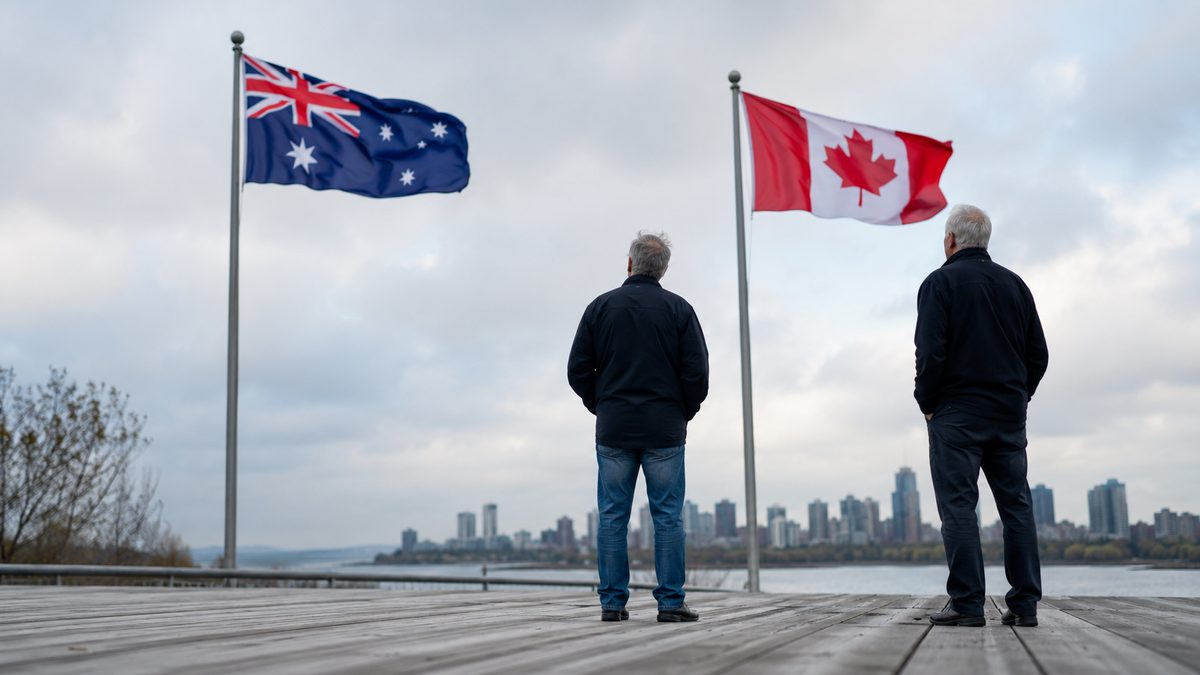
Two countries, two programs called Medicare, two very different political stories. The confusion is understandable. Here is the straight answer for both.
In Australia, Bob Hawke introduced Medicare in 1984. In Canada, the federal program was built under Lester Pearson, though the groundwork was laid years earlier by Tommy Douglas at the provincial level. Pierre Trudeau is often credited by mistake.
Which Australian Prime Minister Introduced Medicare?
Bob Hawke, Labor Prime Minister from 1983 to 1991, introduced Medicare on 1 February 1984. It was one of the defining policy moves of his government and replaced a previous scheme that had been dismantled by the Fraser Coalition government in 1981.
The legislation passed with Hawke as PM and Bill Hayden as Health Minister doing much of the groundwork. Medicare gave all Australians access to free or subsidised medical treatment through a universal insurance scheme funded by a levy on taxable income.
What most articles skip over is that Hawke had to win a double dissolution election in 1983 partly on the promise of restoring universal health cover. The political will to push it through came directly from that mandate. It was not a quiet administrative change. It was a fought-for reform.
What Was Medicare Called Before It Became Medicare in Australia?
Before Medicare, Australia had Medibank. Gough Whitlam introduced Medibank in 1975, making him the first Australian prime minister to establish universal health insurance. It operated for only a few years before Malcolm Fraser's government progressively dismantled it between 1976 and 1981.
So the lineage runs like this: Whitlam created Medibank, Fraser killed it, Hawke replaced it with Medicare. The name changed but the principle was the same. Universal access, funded by a levy, administered federally.
Medibank Private, the health insurer that still exists today, was originally the government-run fund created under Whitlam's scheme. It was corporatised and eventually privatised, which is why the name survived even after the original program ended.
When people ask which prime minister brought in Medicare specifically, the answer is Hawke. When they mean universal health cover in Australia more broadly, Whitlam got there first.
Which Prime Minister Introduced Medicare in Canada?
Lester B. Pearson is the prime minister who introduced Medicare in Canada at the federal level. The Medical Care Act passed in 1966 under his government and came into full effect on 1 July 1968.
Pierre Trudeau was Pearson's Justice Minister at the time and succeeded him as PM in 1968, which is likely why some people associate Trudeau with Medicare. But the legislation was Pearson's. Trudeau inherited a program already in motion.
The question of whether it was Pearson or Trudeau is one of the more common mix-ups in Canadian political history. Pearson gets the credit. Trudeau gets the confusion.
Who Is Credited With Creating Universal Healthcare in Canada?
Tommy Douglas is widely credited as the father of Canadian Medicare, even though he was never federal prime minister. Douglas was Premier of Saskatchewan and introduced the first provincial universal hospital insurance plan in 1947, followed by universal medical care insurance in Saskatchewan in 1962.
That 1962 Saskatchewan program was the proof of concept. It survived a bitter doctors' strike and demonstrated that universal coverage could work. Pearson's federal government then used it as the model for the national program.
In 2004, CBC ran a public vote called The Greatest Canadian. Tommy Douglas won. Not Trudeau, not Pearson. The public understood who actually built the thing from the ground up.
What I find interesting is that Douglas achieved this as a provincial leader of a small prairie province, not from the centre of federal power. The idea spread because it worked, not because it was mandated from Ottawa.
When Did Medicare Officially Begin in Canada?
The Medical Care Act received royal assent on 19 December 1966. The program came into full national operation on 1 July 1968, after provinces had time to set up their own compliant insurance plans.
Canada's system works differently from Australia's. Rather than a single federal insurer, each province runs its own plan. The federal government sets the conditions through the Canada Health Act (1984) and transfers funding to provinces that meet those conditions. Universal, comprehensive, portable, publicly administered, and accessible are the five criteria a provincial plan must meet to receive full federal funding.
So 1966 is when the federal framework passed. 1968 is when it was fully operational. Saskatchewan had been running its own version since 1962.
Did Lester Pearson or Pierre Trudeau Bring in Medicare in Canada?
Pearson. The Medical Care Act was introduced and passed under his government. Trudeau became PM in April 1968, three months before the program officially launched nationally on 1 July 1968.
Trudeau did later strengthen the program. The Canada Health Act of 1984, which replaced the original legislation and banned extra-billing by doctors, passed under his government. So Trudeau's contribution was real, but it came 18 years after Pearson's original legislation.
If someone tells you Trudeau brought in Medicare, they are either thinking of the 1984 Act or confusing the two prime ministers. The original program belongs to Pearson.
How Australia and Canada Compare
Both countries call their system Medicare. Both are publicly funded. Both guarantee access regardless of ability to pay. But the structures differ in ways that matter.
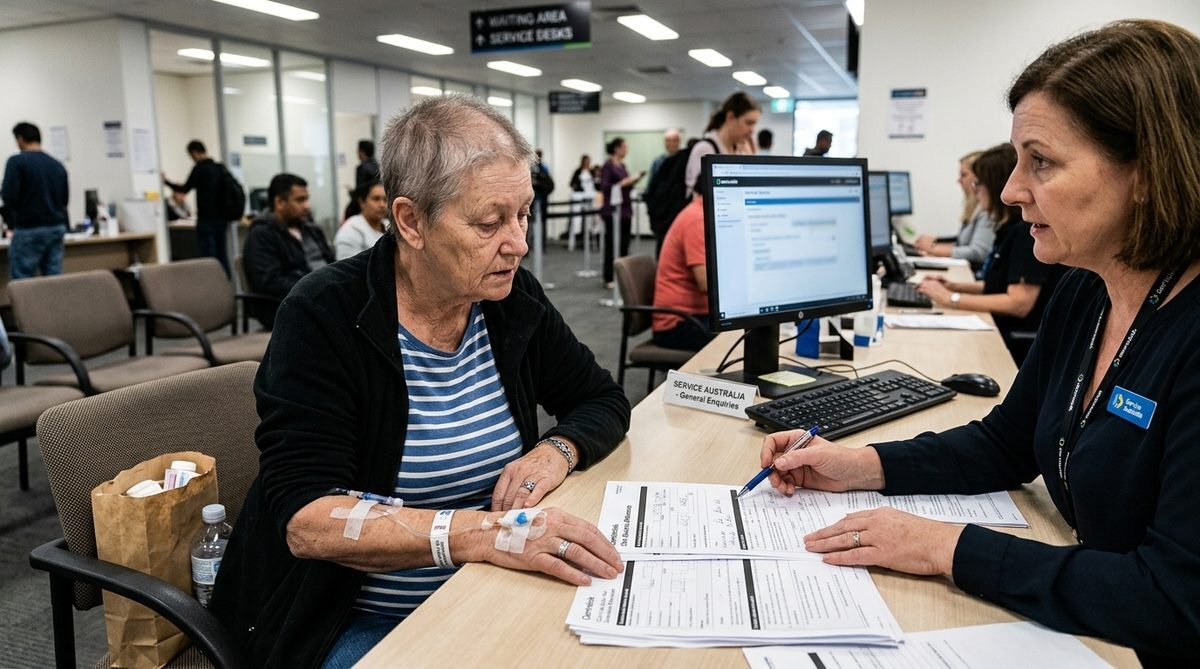
Australia runs a single national scheme administered by Services Australia (formerly Medicare Australia). The federal government sets the rules and pays the benefits directly. Canada runs 13 separate provincial and territorial plans that must meet federal standards to receive transfer payments.
Australia's Medicare covers GP visits, specialist consultations, and some allied health services. Hospital treatment in a public hospital is covered separately through state governments. Canada's provincial plans cover medically necessary hospital and physician services but generally do not cover prescription drugs, dental, or vision outside hospital settings.
In my experience reading through the policy history, the Australian model is more centralised and arguably simpler for patients to navigate. The Canadian model gives provinces more flexibility but creates variation in what is covered depending on where you live.
What This Means If You Are Navigating the Australian System
Understanding who built Medicare and why matters if you want to understand what it does and does not cover. Medicare was designed as a floor, not a ceiling. It covers essential medical services but leaves significant gaps, particularly in dental, optical, physiotherapy, and allied health.
private health insurance in Australia exists to fill those gaps and to give people access to private hospital treatment, choice of specialist, and shorter waiting times for elective procedures. The two systems are meant to work together, not compete.
Services like physiotherapy services, which is what PTNA provides, sit outside standard Medicare coverage for most patients. Some access is available through GP Management Plans and Team Care Arrangements for people with chronic conditions, but the bulk of physiotherapy is either self-funded or covered through private health insurance extras.
Knowing this distinction helps you plan. If you rely solely on Medicare for allied health, you will find the coverage limited. A private health extras policy or a chronic disease management plan through your GP are the two main pathways to subsidised physiotherapy under the current system.
FAQ
Which prime minister brought in Medicare in Australia?
Bob Hawke introduced Medicare on 1 February 1984. Gough Whitlam introduced the earlier version called Medibank in 1975, which was later dismantled before Hawke restored universal cover under the Medicare name.
Which prime minister introduced Medicare in Canada?
Lester B. Pearson. The Medical Care Act passed in 1966 under his government and came into full effect in 1968.
Who is credited with creating universal healthcare in Canada?
Tommy Douglas, Premier of Saskatchewan, is widely credited as the father of Canadian Medicare. He introduced the first universal medical care plan at the provincial level in 1962, which became the model for the national program.
When did Medicare officially begin in Canada?
The Medical Care Act passed in December 1966. The national program was fully operational from 1 July 1968.
What was Medicare called before it became Medicare in Australia?
Medibank. Gough Whitlam introduced Medibank in 1975. After it was dismantled under Fraser, Hawke's government replaced it with Medicare in 1984.
Did Lester Pearson or Pierre Trudeau bring in Medicare in Canada?
Pearson introduced the original program. Trudeau later strengthened it through the Canada Health Act in 1984, which banned extra-billing and reinforced the five principles of universal coverage.
Does Medicare in Australia cover physiotherapy?
Standard Medicare does not cover physiotherapy for most patients. Access is available through a GP Management Plan for people with chronic conditions, which allows a limited number of subsidised allied health visits per year. Private health insurance extras cover is the more common route.
The single most useful thing you can do with this information is check whether you have a chronic condition that qualifies for a GP Management Plan. If you do, ask your GP to set one up. It is one of the few ways to access subsidised physiotherapy through the public system without private insurance.
Explore related health and wellbeing guides
This article is part of PTNA's consumer health and wellbeing library. Browse the Health & Wellbeing Resources hub to find related guides by topic, including Australian health cover, Medicare, prostate health, mental health, disability support and life insurance.
How Much Does It Cost to Have Your Prostate Removed Privately in Melbourne?
Read article →
Is It Worth Having Your Prostate Removed in Melbourne?
Read article →
Can You Get Anything Free if You Have Cancer in Melbourne?
Read article →
What Are the Negatives of Removing Your Prostate in Melbourne?
Read article →
Is Prostate Cancer Classed as a Disability in Melbourne?
Read article →