Which Political Party Introduced Medicare in Australia?

Labor introduced Medicare. The Hawke Labor government launched it on 1 February 1984, and it's been the foundation of Australia's public health system ever since.
That's the direct answer. But the story behind it matters, because Medicare almost didn't survive its first decade. Understanding that history tells you a lot about how the system works today and why it still generates political argument.
What Prime Minister Started Medicare?
Bob Hawke was Prime Minister when Medicare launched in 1984, but the groundwork was laid by Gough Whitlam. Whitlam introduced a predecessor scheme called Medibank in 1975. It was the same concept: universal health insurance funded by a levy on income, giving every Australian access to a doctor without paying out of pocket at the time of care.
The Fraser Coalition government dismantled Medibank between 1976 and 1981, gradually turning it into an opt-in private scheme. By the early 1980s, millions of Australians had no health cover at all.
When Hawke won the 1983 election, restoring universal health insurance was a centrepiece of Labor's platform. His health minister Neal Blewett drove the policy design, and on 1 February 1984 Medicare opened to the public. It's operated continuously since that date.
So if you want a single name: Bob Hawke started Medicare. If you want the origin of the idea in Australian politics: Gough Whitlam.
Which Minister Is Responsible for Medicare in Australia?
Day to day, Medicare sits under the federal Minister for Health and Aged Care. That minister oversees the Department of Health and Aged Care, which administers Medicare benefits, the Medicare Benefits Schedule, and public hospital funding agreements with state governments.
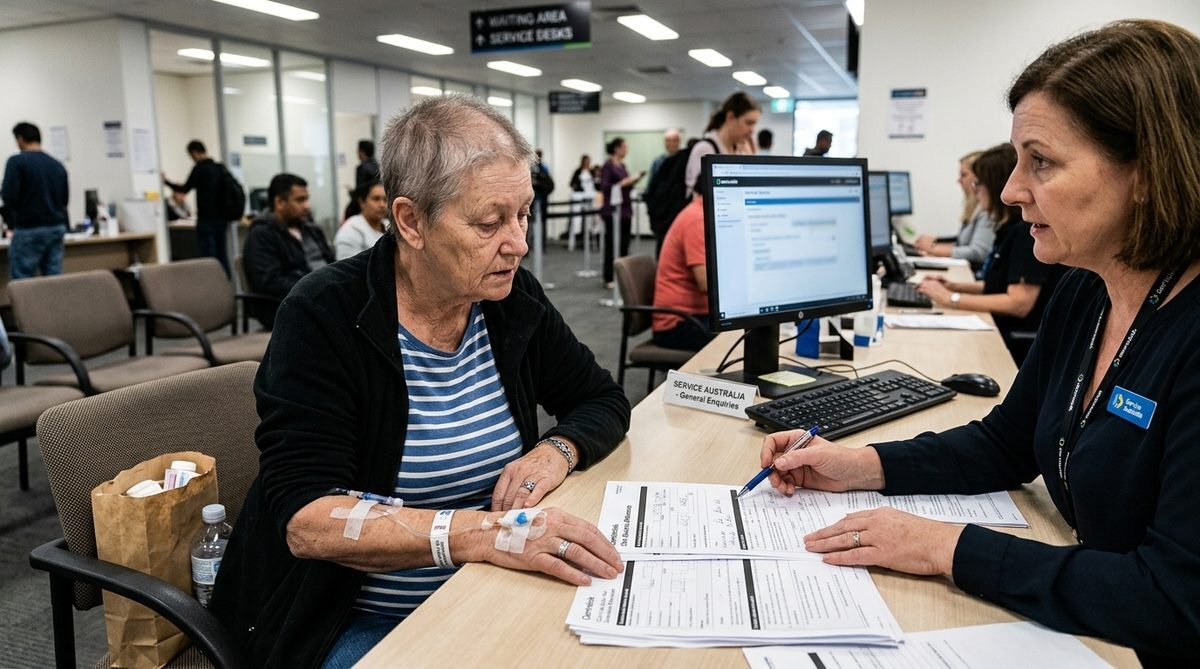
Services Australia, a separate federal agency, handles the operational side: processing claims, running Medicare Centres, and managing the Medicare card system. The minister responsible for Services Australia holds a separate portfolio, though both portfolios typically sit within the same government.
Finding the current minister is straightforward through the Australian Government directory. Policy settings, benefit rates, and what's covered under Medicare all flow from decisions made at the ministerial and cabinet level.
Why Labor and Not the Coalition?
This question comes up often, and the answer sits in how each party understands the role of government in health care.
Labor has historically operated from a social liberal position: the idea that the state has a responsibility to provide baseline services that the market alone won't distribute fairly. Health care is the clearest example. If access to a doctor depends entirely on your ability to pay, low-income workers simply go without.
The Coalition, particularly its Liberal party, has leaned toward private provision and individual choice. The Fraser government's decision to wind back Medibank reflected a view that private insurance markets, with targeted government support for those who couldn't afford premiums, were better than a universal levy-funded system.
Once Hawke's Medicare was established and proved popular, no subsequent Coalition government has attempted to abolish it. John Howard's government introduced the 30 per cent private health insurance rebate in 1999, partly to reduce pressure on Medicare by encouraging higher earners into private cover, but Medicare itself stayed intact. The debate shifted from whether to have universal health insurance to how much to fund it.
One Thing Most Articles Get Wrong About Medicare's Origins
Most write-ups treat Medibank and Medicare as the same policy restarted after a break. They weren't quite identical. Blewett and the Hawke government made deliberate changes in the redesign.
Medibank under Whitlam was funded by a mix of general revenue and a proposed levy that never fully came into effect. Medicare was funded from the start by a dedicated Medicare levy, initially set at 1 per cent of taxable income. That levy structure was politically significant because it made the cost of the system visible and tied it directly to the benefit.
Australians could see what they were paying and what they were getting. That transparency helped Medicare build public support that Medibank never fully achieved before it was cut.
When we talk about health funding reform today, the mechanism of how costs are collected shapes how durable a policy becomes.
Which Prime Minister Introduced Superannuation in Australia?
Paul Keating. He was Treasurer under Hawke when the Superannuation Guarantee was legislated in 1992, and he became Prime Minister later that same year. The compulsory 3 per cent employer contribution started in 1992 and was designed to rise progressively over time.
Like Medicare, superannuation came from a Labor government and reflected the same underlying logic: that market outcomes alone would leave most workers without adequate retirement income, and that a compulsory system was the only way to achieve broad coverage.
Medicare and superannuation are often mentioned together as Labor's most enduring structural contributions to the Australian welfare system. Both survived changes of government. Both attracted ongoing argument about funding levels and scope. Both are now so embedded in Australian life that removing them would be politically unthinkable.
How Medicare Actually Works
Medicare has three main components that most people interact with regularly.
The Medicare Benefits Schedule sets the fee the government will rebate for a given medical service. When you see a GP who bulk bills, the doctor charges the schedule fee and Medicare pays it directly. You pay nothing. When a doctor charges above the schedule fee, you pay the gap.
Public hospital access is the second component. Medicare guarantees every Australian the right to be treated as a public patient in a public hospital at no cost. The federal government funds roughly 45 per cent of public hospital costs through agreements with state governments, who fund the rest and run the hospitals.
The Pharmaceutical Benefits Scheme sits alongside Medicare and subsidises the cost of listed medicines. A standard PBS co-payment is currently around $31, regardless of what the medicine actually costs to produce. Concession card holders pay less.
Together these three elements mean that a low-income Australian can see a doctor, be admitted to hospital, and fill a prescription without paying anything, or very close to it. That's what universal health care means in practice.
What Has Changed Since 1984?
The Medicare levy has risen. It sits at 2 per cent of taxable income for most Australians now, up from the original 1 per cent. A Medicare Levy Surcharge applies to higher earners who don't hold private hospital cover, which pushes some of that cohort into private insurance.
The gap between Medicare rebates and actual doctor fees has grown significantly over time. Schedule fees haven't kept pace with what GPs need to charge to run a viable practice. That gap is one of the main drivers of declining bulk billing rates, particularly in cities.
The most common frustration I hear from people navigating the health system isn't about hospitals or medications. It's about finding a bulk billing GP who is actually taking new patients.
One of my clients spent three months trying to find a bulk billing GP in her suburb before giving up and paying the gap. She was healthy, employed, and capable of absorbing the cost. Her neighbour, a pensioner, stopped seeing a doctor regularly because the gap fees added up. Same suburb, completely different experience of the same system. That gap problem is structural and has been growing for over a decade.
Who Is Responsible for Medicare in Australia Today?
Responsibility is split across three layers.
The federal government funds Medicare, sets the Benefits Schedule, negotiates hospital funding agreements with states, and controls the PBS. Federal parliament can expand or contract what Medicare covers through legislation and budget decisions.
State and territory governments own and operate public hospitals, train health professionals, and run community health services. They receive federal Medicare funding but make their own decisions about how hospitals are staffed and managed.
Services Australia administers the claims system, issues Medicare cards, and runs the physical and digital infrastructure Australians use to access their benefits.
When something goes wrong with a Medicare claim or rebate question, Services Australia is the operational contact. When something is wrong with what Medicare covers or how much it pays, that's a federal health policy question.
Does the Private Health System Undermine Medicare?
This is the argument that most political coverage flattens into a simple left-right split. That framing misses what's actually happening.
Private health insurance in Australia doesn't replace Medicare. It supplements it. A private patient in a private hospital still has Medicare paying the medical benefit component of their treatment. Private insurance covers the hospital accommodation, theatre fees, and any gap above the Medicare benefit. The two systems are designed to work together.
The political argument is about incentives and resource distribution. Critics of the private health rebate argue that the billions spent subsidising private insurance for higher earners would do more good if directed into lifting Medicare rebate rates and reducing bulk billing pressure. Supporters argue that without those incentives, higher earners would flood the public system and create longer wait times for everyone.
Both arguments have evidence behind them. The people most affected by the gap between the two systems are those who earn too much to qualify for concessions but not enough to easily absorb gap fees or private premiums. They're caught in the middle of a system designed around the edges.
FAQ
Did the Liberal Party ever support Medicare?
Not initially. The Liberal and National parties opposed both Medibank and Medicare when they were introduced. Over time, and particularly after Medicare proved popular through the late 1980s and 1990s, the Coalition's position shifted from opposition to management. No Coalition government has attempted to remove Medicare since Hawke established it.
Is Medicare the same as the NHS in the UK?
No. The UK's National Health Service directly employs doctors and owns hospitals. Medicare is an insurance scheme that pays for services delivered by private practitioners and public hospitals. Australian GPs are mostly private businesses that receive Medicare rebates, not government employees.
What is the Medicare levy and who pays it?
It's a 2 per cent tax on taxable income paid by most Australian residents. Low-income earners are exempt or pay a reduced rate. It goes into consolidated revenue, not a dedicated Medicare fund, which means it doesn't directly cap or ring-fence health spending.
Can I opt out of Medicare?
No. The Medicare levy is compulsory for eligible taxpayers. You can choose not to use Medicare services and pay privately instead, but you still pay the levy.
Does Medicare cover dental?
Largely no. Routine dental isn't covered under Medicare. There is a Child Dental Benefits Schedule that covers basic services for eligible children, and some dental treatment is available in public dental clinics with often long waiting lists. Comprehensive dental coverage remains one of the most significant gaps in Australia's universal health system.
What to Do With This Information
If you're trying to get the most out of Medicare, understand what the Medicare Benefits Schedule actually says about the services you use regularly. Most people have no idea what rebate rate applies to their GP visit, specialist consultation, or diagnostic test. Knowing that number tells you exactly what a no-gap service should cost. For detailed guidance on understanding your Medicare options, visit our resource centre.
If you're navigating the health system for the first time or trying to understand your options around private cover, Services Australia's website and a phone call to 132 011 are the fastest ways to get accurate, current information about your entitlements.
For help understanding how Medicare intersects with allied health, chronic disease management, or aged care, speaking directly with a health professional or a patient advocate will give you more reliable guidance than any general article can.
Explore related health and wellbeing guides
This article is part of PTNA's consumer health and wellbeing library. Browse the Health & Wellbeing Resources hub to find related guides by topic, including Australian health cover, Medicare, prostate health, mental health, disability support and life insurance.
How Much Does It Cost to Have Your Prostate Removed Privately in Melbourne?
Read article →
Is It Worth Having Your Prostate Removed in Melbourne?
Read article →
Can You Get Anything Free if You Have Cancer in Melbourne?
Read article →
What Are the Negatives of Removing Your Prostate in Melbourne?
Read article →
Is Prostate Cancer Classed as a Disability in Melbourne?
Read article →