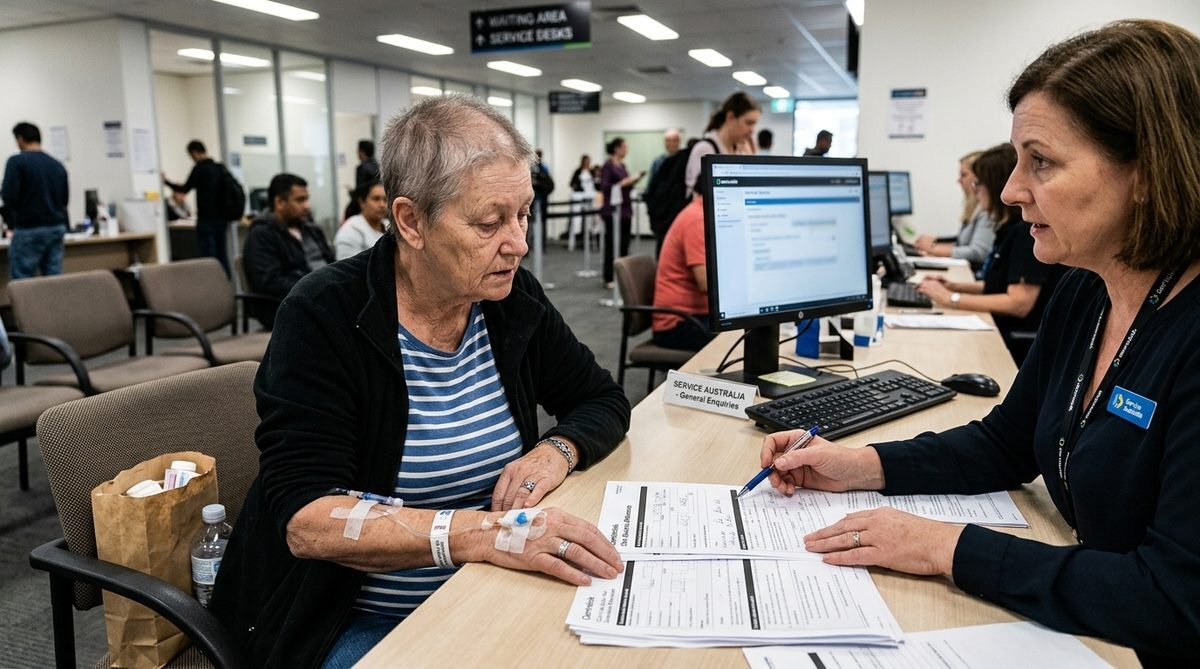
Which of the Following Is Not Typically Covered by Health Insurance? A Clear Guide

Which of the Following Is Not Typically Covered by Health Insurance?
Health insurance provides essential financial protection, yet many people discover unexpected gaps in coverage when they need care most. Most assume their policy covers whatever a doctor recommends, then receive a bill for something they never expected to pay out of pocket. Understanding what health insurance does not cover is just as important as knowing what it does.
This guide explores the most common exclusions in private health insurance policies, explains why these gaps exist, and helps you prepare for potential out-of-pocket expenses.
The General Logic Behind Exclusions
Health insurers design policies around the concept of medical necessity. Treatments and services necessary to diagnose or treat a medical condition have a reasonable chance of being covered. Services outside that definition, whether cosmetic, experimental, self-inflicted, or administrative, typically require you to pay out of pocket. consulting with a specialist who understands the full picture
Health economics drives these decisions. Insurers calculate premiums based on expected claims within their risk pool. Covering every possible health-related expense would make premiums unaffordable for most people, so policies establish boundaries. These boundaries, however, often fall in unexpected places.
What Is Typically Not Covered Under Health Insurance?
Cosmetic and Elective Procedures
Plastic surgery for aesthetic reasons falls firmly outside most health insurance policies. Rhinoplasty, breast augmentation, liposuction, and facelifts are considered elective rather than medically necessary.
An important distinction exists here: reconstructive surgery following an accident, cancer treatment, or birth defect is often covered because it restores function or treats a medical condition. Breast reconstruction after a mastectomy, for example, differs from augmentation for cosmetic preference. Before any procedure, clarify this distinction directly with your insurer.
Dental and Vision Care
Standard health insurance policies, including many plans in Australia and the United States, classify dental and vision care as separate categories requiring separate coverage. Routine checkups, fillings, orthodontics, glasses, contact lenses, and laser eye surgery are typically excluded from general health policies.
Some plans offer optional extras or add-ons that include basic dental and optical benefits, though these carry additional costs, annual limits, and waiting periods. Significant dental work can quickly exhaust these limits.
Experimental and Unproven Treatments
Treatments lacking approval from relevant health authorities or sufficient clinical evidence of effectiveness are generally not covered by insurers. This includes certain clinical trials, off-label drug use in some cases, and emerging therapies under review.
This can be especially difficult for patients with conditions where approved treatments have failed. While the policy rationale, avoiding financial risk without demonstrated medical benefit, is understandable, for individual patients it can feel like a closed door at the worst possible time.
Long-Term and Custodial Care
Health insurance covers medical treatment, not ongoing personal care. Assistance with bathing, dressing, eating, or mobility is classified as custodial rather than medical. Nursing home stays for non-medical supervision, in-home personal care aides, and assisted living facilities generally fall outside health insurance coverage.
This represents one of the most financially significant coverage gaps. Long-term care costs are substantial, and without specific long-term care insurance or government support, families typically bear these expenses themselves.
Mental Health Gaps
While mental health coverage has improved significantly across many health systems, particularly following parity legislation in the United States, gaps remain. Many policies limit the number of psychology or psychiatry sessions covered annually, require higher out-of-pocket contributions, or apply stricter criteria for covered conditions.
Conditions classified as personality disorders or certain behavioral conditions often face increased scrutiny during claims processing. Coverage for residential mental health programs and intensive outpatient therapy can also be limited or excluded depending on the specific policy.
Fertility Treatments and Reproductive Services
IVF, egg freezing, sperm donation, and most fertility-related procedures are excluded from standard health insurance in most markets. Some policies offer partial coverage for fertility diagnostics, but assisted reproductive procedures themselves are rarely covered without a specific add-on or specialized plan.
Fertility treatment costs are significant, and because multiple cycles are often necessary for success, total out-of-pocket expenses can be substantial.
Weight Loss Programs and Bariatric Surgery
Medically supervised weight loss programs, gym memberships, dietary supplements, and weight loss medications are generally not covered. Bariatric surgery occupies a more complicated space. Some policies do cover procedures like gastric sleeve or gastric bypass surgery, but typically only when strict clinical criteria are met, including documented attempts at other interventions and a body mass index above a specified threshold.
If you are considering bariatric surgery, review your policy carefully before consultation, as approval criteria are specific and not guaranteed.
Alternative and Complementary Therapies
Acupuncture, naturopathy, homeopathy, and chiropractic care receive varying treatment from insurers. Some private health insurance extras cover include limited benefits for selected therapies. Standard health policies rarely cover them, and where included, annual limits are typically modest.
Pre-existing Conditions and Waiting Periods
While outright exclusion of pre-existing conditions has been restricted or eliminated in some markets, waiting periods for those conditions remain common in private health insurance. Even if covered, you may not be able to claim for a pre-existing condition until the waiting period passes, ranging from a few months to several years depending on the condition and insurer.
What Conditions Are Not Covered by Health Insurance?
Beyond general exclusion categories, certain specific conditions consistently face coverage challenges. Chronic conditions requiring long-term management rather than acute treatment may exhaust policy limits faster than expected. Conditions with behavioral components, such as substance use disorders, sometimes face coverage restrictions depending on the insurer and jurisdiction.
Self-inflicted injuries present additional complexity. Many policies exclude treatment for intentional self-harm or injuries occurring during illegal activity. How insurers apply these clauses in practice varies and can sometimes be contested.
Injuries sustained in extreme sports or high-risk activities may have reduced or excluded coverage. If you participate in activities classified as dangerous, review whether your policy has specific exclusions before you need to claim.
What Expenses Are Not Covered by a Health Insurance Policy?
Out-of-Pocket Administrative Costs
Medical record copies, paperwork fees, missed appointment charges, and similar administrative expenses fall outside health insurance coverage. These are considered service charges rather than medical costs.
Overseas Treatment
Most domestic health insurance policies do not cover treatment received in other countries. Travel insurance with medical coverage is a separate product designed for this purpose. If you travel frequently or spend extended time abroad, recognize the gap between your health policy and overseas coverage.
Over-the-Counter Medications
While prescription medications may be covered depending on policy structure, over-the-counter drugs purchased without a prescription are generally out-of-pocket expenses regardless of doctor recommendations.
Gap Fees from Specialists
In the Australian private health system, specialists can charge above the schedule fee. The difference between what Medicare and your health fund pay and what the specialist charges is called the gap. Unless your specialist has a no-gap or known-gap arrangement, you pay this difference yourself. This surprises many people who assume private health insurance eliminates out-of-pocket costs for specialist consultations.
Emergency Care and the Limits of Assumptions
Emergency medicine typically offers broader coverage, but assumptions can still be costly. Emergency department visits at public hospitals are generally covered under Medicare in Australia. Private emergency care at private facilities, however, involves the same gap dynamics found elsewhere in the private system.
In the United States, emergency care with insurance can generate significant out-of-pocket costs through facility fees, out-of-network providers, and deductibles that apply before coverage begins. Clinical urgency does not automatically translate into comprehensive coverage of all associated costs.
How to Close the Gaps
Understanding what your policy excludes is the essential first step. Several practical measures can reduce your exposure to unexpected costs.
Reading the product disclosure statement or full policy document rather than relying on summaries provides the clearest understanding of your actual coverage. Contacting your insurer with specific questions before a procedure, rather than after, builds important knowledge. Asking specialists upfront about no-gap arrangements removes one layer of uncertainty.
For gaps that matter to you personally, whether dental, fertility, long-term care, or mental health, investigate whether supplementary products or policy add-ons address those gaps. Weigh the cost of additional coverage against both the likelihood of needing it and the potential expense of paying without cover.
Final Thoughts
Health insurance covers meaningful medical costs for most people, but the boundaries of what it covers are more defined than many realize. Cosmetic procedures, dental and vision care, experimental treatments, long-term custodial care, fertility services, and alternative therapies are among the most common exclusions. Administrative costs, overseas treatment, gap fees, and out-of-pocket medications add further potential expenses.
Health coverage policies, whether in Australia or elsewhere, reflect decisions made at the intersection of health economics, clinical medicine, and health policy. These decisions determine what is covered and what is not. Understanding them reflects informed decision-making about your health and finances.
To understand how your current coverage aligns with your needs or to explore better options, consulting with a specialist who understands the full picture simplifies the process considerably.
Explore related health and wellbeing guides
This article is part of PTNA's consumer health and wellbeing library. Browse the Health & Wellbeing Resources hub to find related guides by topic, including Australian health cover, Medicare, prostate health, mental health, disability support and life insurance.

How Much Does It Cost to Have Your Prostate Removed Privately in Melbourne?
Read article →
Is It Worth Having Your Prostate Removed in Melbourne?
Read article →
Can You Get Anything Free if You Have Cancer in Melbourne?
Read article →
What Are the Negatives of Removing Your Prostate in Melbourne?
Read article →
Is Prostate Cancer Classed as a Disability in Melbourne?
Read article →