Which Minister Is Responsible for Medicare? Australia's Health System Explained

The federal Minister for Health and Aged Care is responsible for Medicare in Australia. Medicare is a national program funded and administered by the Commonwealth Government, not the states. That single fact answers most of the confusion people have about who to hold accountable when Medicare rebates change or services get added and removed.
As of 2024, the Minister for Health and Aged Care is Mark Butler, a Labor MP who has held the role since the Albanese Government took office in May 2022. His portfolio covers Medicare policy, the Pharmaceutical Benefits Scheme, and the broader public health system.
What Government Department Actually Manages Medicare?
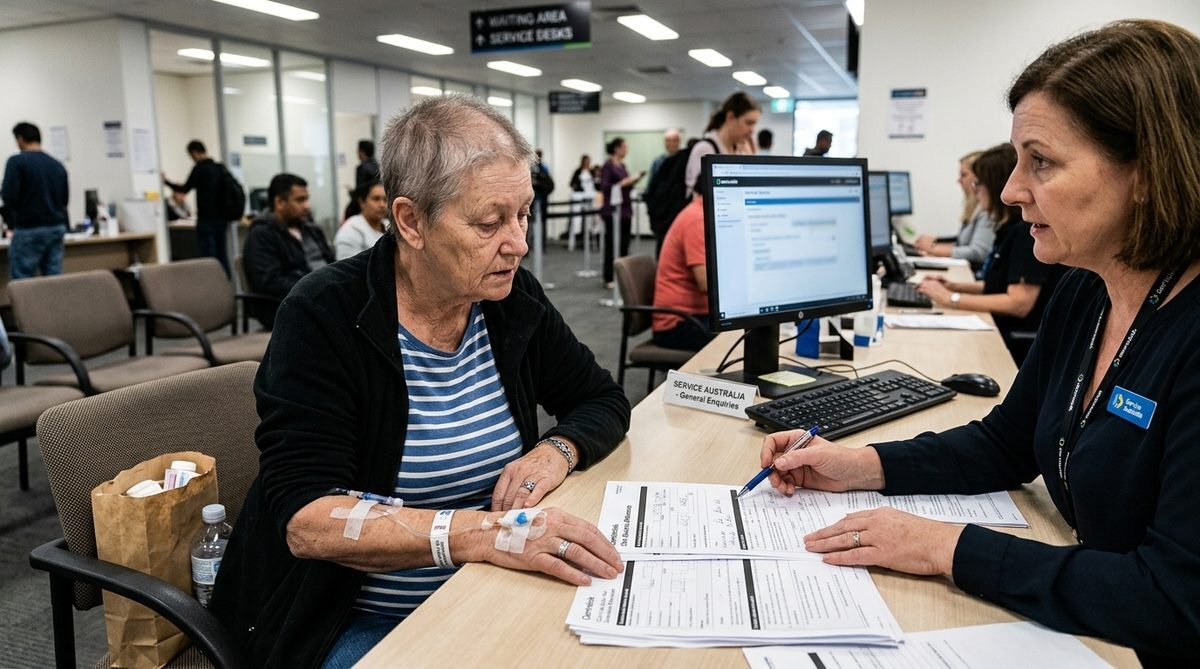
The Department of Health and Aged Care administers Medicare at the operational level. Within that structure, Services Australia (formerly the Department of Human Services) handles the day-to-day processing of Medicare claims, payments to providers, and the Medicare card system that most Australians interact with directly.
So there are two layers. The Minister sets policy and direction. Services Australia executes it. When your GP submits a claim, Services Australia processes it. When the rebate amount changes, that decision traces back to the Minister and the Department of Health and Aged Care.
Does the Federal or State Government Control Medicare?
The federal government controls Medicare. Full stop. States and territories run public hospitals and some community health services, but Medicare itself, including the Medicare Benefits Schedule (MBS), rebates, and eligibility rules, sits entirely with the Commonwealth.
This is why Medicare works the same whether you live in Darwin or Melbourne. A GP visit attracts the same Medicare rebate regardless of which state you are in. The states have no power to change that.
Where it gets confusing is that state governments fund public hospitals, and Medicare covers some costs within those hospitals. The two systems interact, but they are governed separately. If you are admitted to a public hospital as a public patient, Medicare covers your treatment under a different arrangement than a standard GP visit. The federal government funds that through the National Health Reform Agreement with the states, but the Minister for Health and Aged Care still sits at the top of that funding chain.
What Is the Role of the Minister for Health in Relation to Medicare?
The Minister for Health and Aged Care has significant power over how Medicare operates. The role includes setting the policy framework, approving changes to the Medicare Benefits Schedule, negotiating with the Australian Medical Association and specialist colleges over rebate levels, and steering legislation through parliament that affects Medicare funding.
In practice, this means the Minister can direct the Medical Services Advisory Committee (MSAC) to review whether a new procedure should attract a Medicare rebate. The Minister can also freeze rebates, which happened for years under previous governments and effectively reduced the real value of what patients received. Conversely, the Minister can increase rebates, as the Albanese Government did with bulk billing incentives in 2023.
What the Minister cannot do unilaterally is remove Medicare itself. Medicare is established under the Health Insurance Act 1973, and dismantling it would require an act of parliament. But within that legislative framework, the Minister holds considerable discretion over what Medicare covers and how much it pays.
Can the Minister Change Medicare Benefits and Rebates?
Yes. The Minister for Health and Aged Care can change Medicare benefits and rebates, and this happens regularly. The mechanism is the Medicare Benefits Schedule, which is a legislative instrument. Changes to the MBS can be made by the Minister without requiring a full act of parliament, though significant changes typically go through a budget process and public consultation.
What I found when looking at recent changes is that the 2023 bulk billing incentive increase was one of the largest single adjustments to Medicare rebates in years. The government tripled the bulk billing incentive for GP visits involving children under 16, pensioners, and concession card holders. That decision came directly from the Minister and was funded through the federal budget.
Rebate freezes work the same way in reverse. From 2013 to 2020, the MBS schedule fees were largely frozen, meaning the nominal rebate did not increase with inflation. Doctors absorbed the gap or passed it to patients as out-of-pocket costs. That policy was a ministerial and cabinet decision, not something that required new legislation.
So if you are asking whether the minister has real power over what you pay at the doctor, the answer is yes, more than most people realise.
Who Is Responsible for Medicare in the United States?
This is a different program entirely. In the United States, Medicare is a federal health insurance program for people aged 65 and over, and for some younger people with disabilities. It is administered by the Centers for Medicare and Medicaid Services (CMS), which sits within the Department of Health and Human Services (HHS).
The Secretary of Health and Human Services oversees CMS and therefore has oversight of US Medicare. As of 2024, that role is held by Xavier Becerra. The program itself was established under the Social Security Act in 1965 and is funded through payroll taxes, premiums, and general federal revenue.
Australian Medicare and US Medicare share a name but are structured differently. Australian Medicare is a universal system covering all citizens and permanent residents. US Medicare is an age and disability-based entitlement program. The two are not comparable in scope or administration, and the responsible ministers or secretaries operate under entirely different legislative frameworks. private health insurance
Who Was Responsible for Medicare Before Mark Butler?
Greg Hunt held the role of Minister for Health under the Morrison Government from 2017 to 2022. Before him, Sussan Ley and Peter Dutton held the portfolio at various points under the Abbott and Turnbull governments. Each minister shaped Medicare policy during their tenure, from the rebate freeze decisions of the Abbott era to the telehealth expansions that accelerated under Hunt during COVID-19.
Telehealth is a good example of how ministerial decisions create lasting change. When the Morrison Government expanded Medicare-funded telehealth in March 2020, it was a temporary emergency measure. The Albanese Government made most of those telehealth items permanent. Two different ministers, two different governments, but the cumulative effect is that Australians can now see a GP via video call and claim a Medicare rebate, which was not possible before 2020.
How Does the Minister Interact With the MBS Review?
The MBS Review Taskforce ran from 2015 to 2020 and produced over 1,400 recommendations for updating Medicare items that had not been reviewed since the 1980s. The Minister for Health at the time, Greg Hunt, accepted most recommendations and began implementing them. That process is ongoing under Mark Butler.
In my experience reading through the MBS changes, the ones that affect patients most directly are the ones that add new items (meaning Medicare now covers something it did not before) or that change the fee schedule for existing items. Physiotherapy, psychology, and allied health items have all been subject to ministerial review and change in recent years, particularly through the Better Access initiative and its various modifications.
The Minister does not personally review every item. The Department of Health and Aged Care, MSAC, and various clinical advisory committees do the technical work. But the Minister signs off on the final decisions and is politically accountable for them.
What This Means If You Are a Patient or a Provider
If you are a patient trying to understand why your out-of-pocket costs have changed, the answer usually traces back to either a change in the MBS rebate or a change in what your provider charges. The Minister controls the rebate side. The provider controls the gap.
If you are a health provider, particularly a physiotherapist, GP, or allied health professional, the Minister for Health and Aged Care is the person whose policy decisions most directly affect your income from Medicare-funded services. Advocacy through professional associations like the APA or AMA is directed at influencing ministerial decisions on the MBS.
For patients navigating the Medicare system, Services Australia is the first point of contact for claims and eligibility questions. The Department of Health and Aged Care publishes the MBS online, and you can look up any item number to see the current schedule fee and rebate. That information is public and updated when changes take effect.
Which minister is responsible for Medicare shapes everything from bulk billing rates to what allied health services attract a rebate. Understanding that the federal Minister for Health and Aged Care holds that power, and that Services Australia executes it, gives you a clearer picture of how to navigate the system and who to hold accountable when it changes.
FAQ
Who is the current minister responsible for Medicare in Australia?
Mark Butler, the federal Minister for Health and Aged Care, is responsible for Medicare as of 2024. He has held the role since the Albanese Government was elected in May 2022.
Is Medicare run by the state or federal government?
Medicare is run entirely by the federal government. The Commonwealth funds it, sets the rules, and administers it through the Department of Health and Aged Care and Services Australia.
Can the Minister for Health change what Medicare covers?
Yes. The Minister can add or remove items from the Medicare Benefits Schedule and change rebate amounts. Major changes typically go through the federal budget, but the MBS is a legislative instrument that can be amended without a full act of parliament.
What is the Medicare Benefits Schedule?
The MBS is the list of medical services that Medicare will pay a rebate for, along with the schedule fee and rebate amount for each service. It covers GP visits, specialist consultations, diagnostic imaging, pathology, and some allied health services.
Who do I contact about a Medicare claim?
Services Australia handles Medicare claims. You can contact them through myGov, the Medicare app, or by calling 132 011.
Does the Minister for Health control the PBS as well?
Yes. The Pharmaceutical Benefits Scheme also falls under the Minister for Health and Aged Care. The PBS subsidises the cost of many prescription medicines for Australians.
The One Thing to Take Away
If Medicare affects your healthcare costs, the federal Minister for Health and Aged Care is the person whose decisions matter most. Check the MBS online for current rebates, contact Services Australia for claims, and follow ministerial announcements around the federal budget if you want to know what is changing and when.
Explore related health and wellbeing guides
This article is part of PTNA's consumer health and wellbeing library. Browse the Health & Wellbeing Resources hub to find related guides by topic, including Australian health cover, Medicare, prostate health, mental health, disability support and life insurance.

How Much Does It Cost to Have Your Prostate Removed Privately in Melbourne?
Read article →
Is It Worth Having Your Prostate Removed in Melbourne?
Read article →
Can You Get Anything Free if You Have Cancer in Melbourne?
Read article →
What Are the Negatives of Removing Your Prostate in Melbourne?
Read article →
Is Prostate Cancer Classed as a Disability in Melbourne?
Read article →