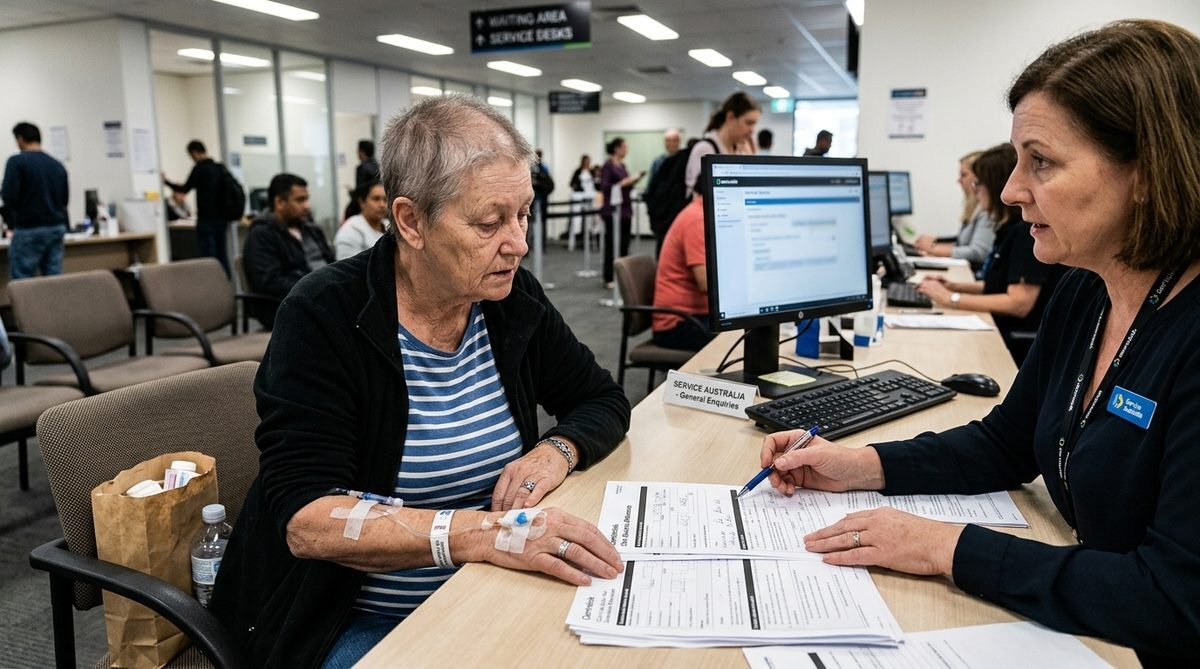
Which Insurance Covers Bipolar Disorder? A Clear Guide for Australians

Private health insurance, life insurance, income protection, and Total and Permanent Disability (TPD) cover can all apply to bipolar disorder in Australia. Which one pays out depends on what you need covered, when you took out the policy, and how your insurer defines mental illness.
This article breaks down each type of cover, what the fine print usually says, and what you can claim through Centrelink if insurance falls short. PTNA
Is Bipolar Disorder Covered by Insurance?
Yes, bipolar disorder is covered by most types of insurance in Australia, but the extent of that cover varies significantly between policies and providers. The Mental Health Treatment Act and pressure from regulators have pushed insurers to treat mental health conditions more consistently with physical ones, yet gaps still exist in practice.
The key variable is whether your policy was taken out before or after your diagnosis. Pre-existing condition clauses are the most common reason claims get reduced or denied. If you disclosed your diagnosis honestly at application and the insurer accepted your policy, you are in a much stronger position than someone who was diagnosed after taking out cover.
In my experience reviewing these policies, the biggest mistake people make is assuming a general statement like "mental health is covered" means their specific situation is covered. Always read the Product Disclosure Statement and look for exclusions related to pre-existing conditions, self-harm, or substance use, since bipolar disorder sometimes intersects with those categories in ways that affect claims.
What Does Private Health Insurance Cover for Bipolar Disorder?
Private health insurance in Australia covers inpatient psychiatric treatment when you hold hospital cover that includes mental health. Under the Private Health Insurance Act 2007, all hospital policies that include psychiatric care must cover at least 35 days of inpatient psychiatric treatment per year.
What this means practically is that if you are admitted to a private psychiatric facility during a manic or depressive episode, your insurer pays the hospital benefit. You may still face out-of-pocket costs depending on whether your doctor charges above the Medicare Benefits Schedule fee and whether your hospital has a gap cover agreement with your insurer.
Outpatient treatment, including regular psychiatrist appointments and psychology sessions, is generally not covered by hospital insurance. That falls under extras cover or the Medicare Better Access scheme, which provides rebates for up to 20 psychology sessions per calendar year for people with a diagnosed mental health condition.
waiting periods matter here. Most insurers apply a two-month waiting period for psychiatric care, but if you are switching from one fund to another, you should not have to re-serve a waiting period you have already completed. The Australian Prudential Regulation Authority (APRA) sets minimum standards, but individual funds can be more generous.
Does Insurance Cover Bipolar Medication?
Medicare and the Pharmaceutical Benefits Scheme (PBS) cover most medications used to treat bipolar disorder, including lithium, valproate, quetiapine, and olanzapine. For most people, the PBS co-payment is the main cost, which sits at around $30 per script for general patients and around $7.70 for concession card holders as of 2024.
Private health insurance extras cover rarely includes prescription medication in a meaningful way. Some top-tier extras policies include a small pharmaceutical benefit, but it is usually capped at a few hundred dollars per year and applies to non-PBS items only. For the medications most commonly prescribed for bipolar disorder, the PBS is the relevant scheme, not private insurance.
Where private insurance does add value is covering the cost of seeing a psychiatrist privately rather than waiting in the public system. A private psychiatrist appointment can cost $300 to $500 or more, and Medicare rebates only a portion of that. If your extras or hospital policy includes psychiatric consultations, the gap is reduced.
Life Insurance and Bipolar Disorder
Life insurance covers death and, in some policies, terminal illness. Bipolar disorder does not automatically disqualify you from life insurance, but it does affect how insurers assess your application.
When you apply, insurers ask about mental health history. If you disclose bipolar disorder, the insurer may offer standard cover, apply a loading (a higher premium), exclude mental health-related claims, or decline cover altogether. The outcome depends on factors like how long you have been stable, whether you have been hospitalised, and whether there is a history of self-harm or suicide attempts.
What most articles get wrong here is framing this as purely a discrimination issue. Insurers are assessing statistical risk, and someone with well-managed bipolar disorder who has been stable for five years presents a very different risk profile than someone who has had multiple hospitalisations in the past two years. Providing detailed clinical evidence from your treating psychiatrist can shift that assessment in your favour.
If you are declined or loaded, you can seek cover through a specialist insurer or a group life policy through your superannuation fund. Super-linked life insurance often has no individual underwriting, meaning you get cover regardless of your health history, though the benefit amounts are standardised.
Income Protection Insurance and Bipolar Disorder
Income protection pays a monthly benefit, usually 70 to 75 percent of your pre-disability income, if you cannot work due to illness or injury. For people with bipolar disorder, this is often the most relevant and most contested type of cover.
Policies typically define disability in one of two ways. "Own occupation" means you cannot perform your specific job. "Any occupation" means you cannot perform any job suited to your education and experience. Own occupation definitions are more generous and more expensive. If you are in a specialised role and a bipolar episode prevents you from working, an own occupation policy is more likely to pay out.
Mental health claims, including those related to bipolar disorder, are among the most scrutinised by insurers. The Australian Securities and Investments Commission (ASIC) has published reports noting that mental health claimants face higher rates of claim disputes than those with physical conditions. Keeping detailed records from your treating team, including letters from your psychiatrist documenting your functional limitations, strengthens your claim considerably.
Some policies include a mental health benefit limit, capping payments for psychiatric conditions at two years even if the policy otherwise pays to age 65. This is a clause worth checking before you buy. The difference between a two-year cap and a to-age-65 benefit can be hundreds of thousands of dollars over a lifetime.
TPD Insurance and Bipolar Disorder
Total and Permanent Disability insurance pays a lump sum if you are unlikely to ever return to work due to illness or injury. Bipolar disorder can qualify for a TPD claim, but the bar is high. Insurers require evidence that the condition is permanent and that you cannot work in any capacity suited to your background.
In practice, TPD claims for mental health conditions succeed when there is a long documented history of treatment, multiple hospitalisations, and consistent evidence from treating clinicians that the person cannot sustain employment. A single severe episode is unlikely to meet the threshold. Chronic, treatment-resistant bipolar disorder with significant functional impairment is a different matter.
If you hold super, you almost certainly have some TPD cover attached to it. Check your super fund's annual statement or log into your account to see the benefit amount and the definition of disability used. Many people with bipolar disorder do not realise they have this cover until they need it.
Is Bipolar a Disability for Centrelink?
Yes. Bipolar disorder can qualify as a disability for Centrelink purposes, and many Australians with the condition receive support through the Disability Support Pension (DSP) or other payments.
The DSP requires that your condition be fully diagnosed, treated, and stabilised, and that it results in a functional impairment of 20 points or more under the Impairment Tables. Bipolar disorder is assessed under the Mental Health Function Impairment Table. The assessment looks at how the condition affects your ability to work, not just the diagnosis itself.
What I found when looking at this closely is that many DSP applications for bipolar disorder are rejected at first because the medical evidence does not clearly link the diagnosis to functional limitations. A letter from your psychiatrist that describes your diagnosis is not enough. The evidence needs to show specifically how the condition limits your capacity to work consistently and reliably.
If you do not meet the DSP threshold, you may still qualify for JobSeeker with a partial capacity to work, which reduces your mutual obligation requirements and provides a higher payment rate than standard JobSeeker.
What Benefits Can I Claim If I Have Bipolar?
The main Centrelink payments available to people with bipolar disorder are the Disability Support Pension, JobSeeker Payment with a partial capacity to work assessment, and Carer Payment or Carer Allowance if someone else is providing care for you.
Beyond Centrelink, the National Disability Insurance Scheme (NDIS) is worth exploring. Bipolar disorder can qualify for NDIS funding if it results in a permanent and significant functional impairment. The NDIS funds supports like psychosocial recovery coaching, help with daily activities, and assistance maintaining employment, not income replacement.
The Medicare Better Access initiative provides rebates for up to 20 individual psychology sessions per year with a Mental Health Treatment Plan from your GP. This is separate from any private insurance and is available to anyone with a diagnosed mental health condition.
Concession cards, including the Health Care Card and Pensioner Concession Card, come with DSP and some other Centrelink payments. These reduce the cost of PBS medications, bulk-billed GP visits, and a range of other services.
If you are working and your employer has an Employee Assistance Program (EAP), that typically includes a small number of free counselling sessions. It is not a long-term solution, but it is a resource many people overlook.
How to Make an Insurance Claim for Bipolar Disorder
Start by reading your PDS carefully before you lodge anything. Understand what your policy covers, what the exclusions are, and what evidence the insurer requires. Submitting an incomplete claim is one of the most common reasons for delays and denials.
Gather clinical documentation from every treating professional involved in your care. This includes your GP, psychiatrist, and any psychologist or other allied health provider. The documentation should describe your diagnosis, treatment history, current medications, and how the condition affects your daily functioning and capacity to work.
If your claim is denied, you have the right to request an internal review. If that fails, you can lodge a complaint with the Australian Financial Complaints Authority (AFCA), which is a free external dispute resolution service. AFCA has the power to overturn insurer decisions, and mental health-related complaints have a reasonable success rate when the claimant has strong clinical evidence.
Working with a financial adviser who specialises in insurance claims, or a lawyer who handles disability insurance disputes, can make a significant difference in complex cases. The cost is often worth it given the benefit amounts at stake.
FAQ
Can I get life insurance if I have bipolar disorder?
Yes, though you may pay a higher premium or have a mental health exclusion applied. Disclosing your diagnosis honestly is required. Providing evidence of stability and treatment compliance improves your chances of standard cover.
Will my insurer know about my bipolar diagnosis?
Only if you tell them or if they request medical records as part of the claims process. You are legally required to disclose information that a reasonable person would consider relevant to the insurer's decision. Non-disclosure can void your policy.
Does Medicare cover psychiatric treatment for bipolar disorder?
Medicare covers a portion of the cost of seeing a psychiatrist and provides rebates for psychology sessions under the Better Access scheme. It does not cover the full cost of private psychiatric care, and gaps can be significant.
Can I be on the NDIS and still receive Centrelink payments?
Yes. NDIS funding and Centrelink payments serve different purposes and can be received at the same time. NDIS funds disability supports; Centrelink provides income support.
What if my insurance claim for bipolar disorder is denied?
Request an internal review from your insurer first. If that does not resolve it, lodge a complaint with AFCA. Keep all correspondence and clinical documentation. Consider getting legal advice if the benefit amount is substantial.
The One Thing Worth Doing Now
Check your superannuation account this week. Most Australians with super have life and TPD insurance attached to it without realising. If you have bipolar disorder and have not looked at what cover you already hold, that is the single most useful action you can take today. The cover may already be there. You just need to know it exists before you need to use it.
If you are looking for professional support navigating insurance, Centrelink, or the NDIS in the context of a mental health condition, the team at PTNA works with people in exactly this situation.
Explore related health and wellbeing guides
This article is part of PTNA's consumer health and wellbeing library. Browse the Health & Wellbeing Resources hub to find related guides by topic, including Australian health cover, Medicare, prostate health, mental health, disability support and life insurance.

How Much Does It Cost to Have Your Prostate Removed Privately in Melbourne?
Read article →
Is It Worth Having Your Prostate Removed in Melbourne?
Read article →
Can You Get Anything Free if You Have Cancer in Melbourne?
Read article →
What Are the Negatives of Removing Your Prostate in Melbourne?
Read article →
Is Prostate Cancer Classed as a Disability in Melbourne?
Read article →