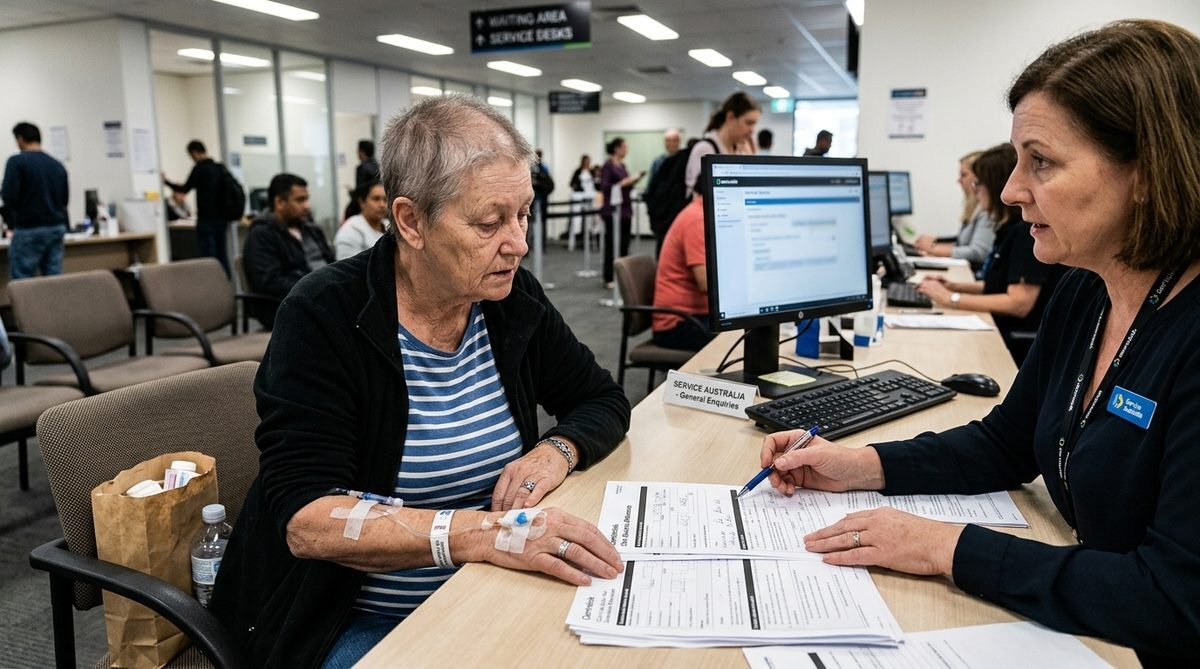
Which Government Started Medicare in Australia? The Full History
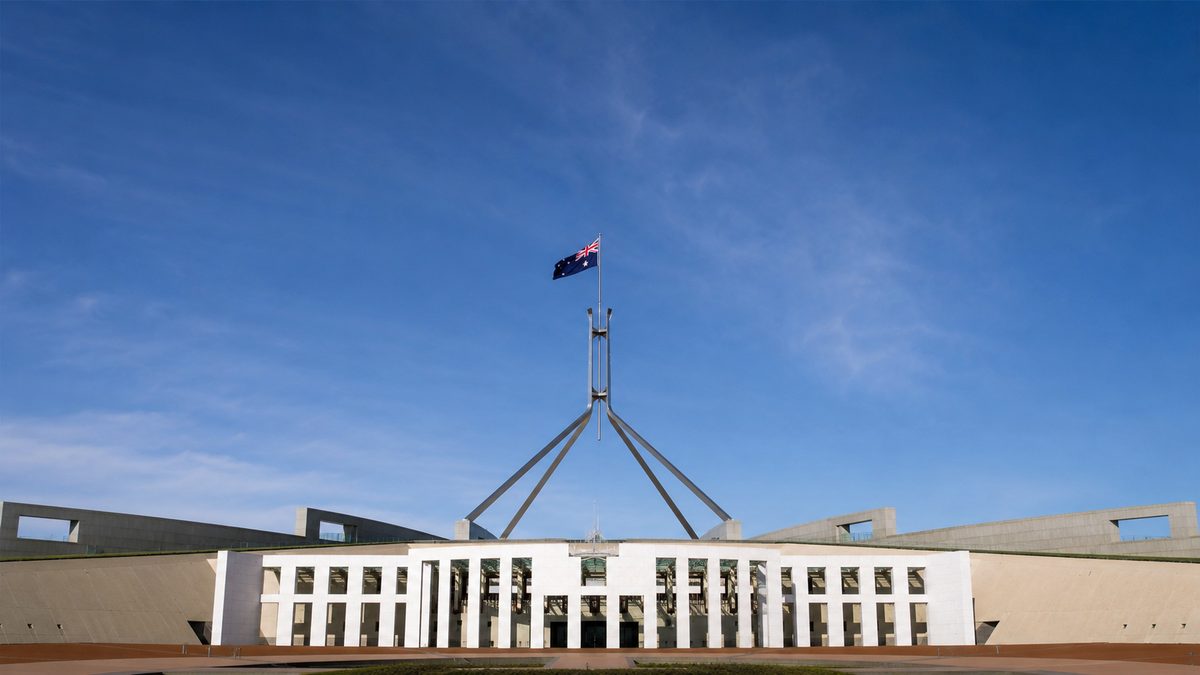
The Hawke Labor government started Medicare in Australia on 1 February 1984. It was a deliberate policy choice by a party that had tried and failed to do the same thing a decade earlier under a different name. Understanding why it happened, who fought it, and how it survived tells you a lot about how Australian health policy actually works.
Who Was Prime Minister When Medicare Was Introduced?
Bob Hawke was Prime Minister when Medicare launched in 1984. He had won the March 1983 federal election in a landslide, defeating Malcolm Fraser's Liberal-National coalition. Medicare was a core Labor commitment going into that election, and the Hawke government moved quickly to deliver it.
The minister responsible for designing and implementing the scheme was Neal Blewett, who served as Minister for Health. Blewett did most of the technical and political heavy lifting to get the legislation through parliament and the system operational. Hawke provided the political cover and the electoral mandate.
What Came Before Medicare?
Before Medicare, Australia had a patchwork system called Medibank Private combined with a voluntary private insurance market. Most Australians needed private health insurance to access affordable care, and those who couldn't afford premiums often went without or faced significant out-of-pocket costs. Understanding your health coverage options helps you navigate these gaps effectively.
The Whitlam Labor government had actually introduced a universal scheme called Medibank in 1975, which was the direct predecessor to Medicare. Medibank operated on similar principles: a levy on income, universal coverage, bulk billing for GP visits. It was funded through a 1.35% levy on taxable income.
When Malcolm Fraser's coalition won the 1975 election, his government systematically dismantled Medibank over the following years. By 1981, the universal coverage model was effectively gone. Australians were back to relying on private insurance, with a safety net for low-income earners that left significant gaps.
So when Labor returned to power in 1983, Medicare wasn't a new idea. It was a rebuilt version of something that had already existed and been deliberately removed.
When Did Medicare Officially Start in Australia?
Medicare started on 1 February 1984. The legislation passed through parliament in late 1983 after a significant political battle. The Australian Medical Association opposed it strongly, arguing it would reduce doctor incomes and undermine the doctor-patient relationship. The private insurance industry also lobbied hard against it.
The Hawke government used a double dissolution trigger and a joint sitting of parliament to get the legislation through, which tells you how contested the process was. It wasn't a smooth passage. The government had to fight for it.
In my reading of this period, what's often missed is that the 1984 launch date was itself a political calculation. Hawke wanted Medicare operational before the next election cycle so voters could experience it directly rather than just hear promises about it.
How Is Medicare Funded in Australia?
Medicare is funded through a combination of the Medicare Levy and general government revenue. The Medicare Levy currently sits at 2% of taxable income for most Australians. High-income earners without private hospital cover pay an additional Medicare Levy Surcharge of between 1% and 1.5%.
What most people don't realise is that the Medicare Levy alone doesn't cover the full cost of the scheme. The Australian Institute of Health and Welfare has consistently shown that Medicare expenditure exceeds levy revenue. The gap is covered by general taxation. In 2022-23, total Medicare benefits paid exceeded $30 billion, while the levy collected roughly $24 billion.
The scheme covers GP visits, specialist consultations, diagnostic imaging, pathology, and some allied health services. It does not cover dental, most physiotherapy, optical, or ambulance services in most states. private health insurance exists alongside Medicare to cover these gaps and to provide access to private hospital rooms and elective surgery with shorter wait times.
The bulk billing system, where doctors accept the Medicare rebate as full payment and charge nothing to the patient, was central to the original design. Bulk billing rates have fluctuated significantly over the decades depending on rebate levels and government policy settings.
Has Any Australian Government Tried to Abolish Medicare?
Yes. The Fraser Liberal government effectively abolished its predecessor Medibank between 1976 and 1981. That's the clearest historical example of a government dismantling universal health cover in Australia.
More recently, the Abbott Liberal government's 2014 budget proposed a $7 GP co-payment that would have required patients to pay out of pocket for GP visits that were previously bulk billed. The proposal was framed as a budget repair measure but was widely seen as an attack on the universality of Medicare. It was defeated in the Senate and eventually abandoned.
What I found interesting when looking at this period was how the co-payment debate revealed the political durability of Medicare. Even within the Liberal Party, there was significant discomfort with the policy. The public backlash was immediate and sustained. Medicare had become politically untouchable in a way that Medibank never was.
The Howard Liberal government (1996-2007) also reduced bulk billing incentives in its early years, which caused bulk billing rates to fall sharply. By 2003, bulk billing had dropped to around 67% of GP consultations nationally. The government eventually reversed course and introduced additional incentives to lift bulk billing rates back up, which they did.
No government since 1984 has attempted to formally abolish Medicare. The political cost would be prohibitive. What governments have done instead is adjust rebate levels, change eligibility rules, and modify the scope of what Medicare covers, which can have significant practical effects without triggering the same political response as outright abolition.
What Most Articles Get Wrong About Medicare's History
Three things come up repeatedly in coverage of Medicare's history that are either wrong or significantly incomplete.
First, Medicare is often described as if it appeared fully formed in 1984. It didn't. It was built on the architecture of Medibank, which itself drew on policy work going back to the Chifley Labor government in the 1940s. Ben Chifley tried to introduce a national health scheme in 1948 and was blocked by the British Medical Association (the predecessor to the AMA) and the High Court. The 1984 launch was the third serious attempt at universal coverage in Australia, not the first.
Second, the role of the AMA in opposing Medicare is usually mentioned briefly and then dropped. What's less discussed is that the AMA's opposition was so strong that the Hawke government had to negotiate directly with state medical associations to get enough doctors to participate in the scheme at launch. Some states had higher participation rates than others in the early months. The scheme launched with genuine uncertainty about whether enough doctors would bulk bill to make it functional.
Third, Medicare is often discussed as a purely federal program. In practice, public hospitals, which are a core part of what Medicare funds, are run by state governments. The funding relationship between the Commonwealth and the states over hospital funding has been a source of ongoing tension since 1984. The specific funding agreements, called Hospital Agreements and later National Health Reform Agreements, have been renegotiated multiple times and have significantly shaped what Medicare actually delivers in practice.
How Medicare Has Changed Since 1984
The Medicare Benefits Schedule, which lists every service Medicare covers and the rebate paid for each, has been updated thousands of times since 1984. Some of those updates have expanded coverage. Others have reduced it.
The Pharmaceutical Benefits Scheme, which subsidises prescription medicines, operates alongside Medicare but is a separate program. It predates Medicare, having been established in its modern form in 1948. The two programs together form the core of Australia's public health system.
Telehealth was a minor part of Medicare for decades, used mainly for patients in remote areas. The COVID-19 pandemic in 2020 triggered a rapid expansion of telehealth Medicare items, allowing GP consultations by phone or video for all Australians. Many of those items were made permanent after the pandemic, which represents one of the most significant expansions of Medicare's scope in years.
The Strengthening Medicare reforms announced by the Albanese Labor government in 2023 included a significant increase in bulk billing incentives for GP visits involving children under 16, pensioners, and concession card holders. The government described it as the largest investment in general practice in Medicare's history. Whether it reverses the long-term decline in bulk billing rates remains to be seen.
Frequently Asked Questions
Which government started Medicare in Australia?
The Hawke Labor government started Medicare on 1 February 1984. Bob Hawke was Prime Minister and Neal Blewett was the Health Minister who implemented it.
Is Medicare the same as Medibank?
No. Medibank was the universal health scheme introduced by the Whitlam Labor government in 1975 and dismantled by the Fraser Liberal government by 1981. Medicare is the scheme introduced by the Hawke Labor government in 1984. They share the same policy design but are separate programs. Medibank Private now exists as a private health insurer, which adds to the confusion.
Do all Australians have to pay the Medicare Levy?
Most do, but low-income earners below a threshold are exempt or pay a reduced rate. The threshold is adjusted annually. People with private hospital cover avoid the Medicare Levy Surcharge but still pay the standard 2% levy.
Does Medicare cover dental?
Generally no. Medicare does not cover routine dental care. There is a Child Dental Benefits Schedule that provides limited dental cover for children aged 2 to 17 in eligible families, but adult dental is not covered under standard Medicare. Some states run public dental services separately.
Can you use Medicare if you are a visitor to Australia?
Australia has Reciprocal Health Care Agreements with several countries including the UK, New Zealand, Ireland, Sweden, the Netherlands, Finland, Belgium, Norway, Slovenia, Malta, and Italy. Citizens of those countries can access some Medicare services while visiting. Visitors from other countries cannot access Medicare.
What is the Medicare Safety Net?
The Medicare Safety Net is a program that provides additional rebates once your out-of-pocket costs for out-of-hospital Medicare services exceed a threshold in a calendar year. Once you hit the threshold, Medicare pays a higher percentage of costs for the rest of that year. There are different thresholds for individuals, families, and concession card holders.
The One Thing Worth Knowing
Medicare exists because Labor governments fought for it twice, once in 1975 and again in 1984, and because the second time they made it durable enough that no subsequent government has been willing to remove it. If you want to understand which government started Medicare in Australia, the answer is Hawke Labor in 1984. But the more useful question is why it survived when Medibank didn't, and the answer to that is political entrenchment through public experience. Once enough Australians had used it and relied on it, the political cost of removal became too high. That's the design feature that mattered most.
Explore related health and wellbeing guides
This article is part of PTNA's consumer health and wellbeing library. Browse the Health & Wellbeing Resources hub to find related guides by topic, including Australian health cover, Medicare, prostate health, mental health, disability support and life insurance.
How Much Does It Cost to Have Your Prostate Removed Privately in Melbourne?
Read article →
Is It Worth Having Your Prostate Removed in Melbourne?
Read article →
Can You Get Anything Free if You Have Cancer in Melbourne?
Read article →
What Are the Negatives of Removing Your Prostate in Melbourne?
Read article →
Is Prostate Cancer Classed as a Disability in Melbourne?
Read article →