Which Government Brought in Medicare? The Full Story Behind Australia's Public Health System

The Hawke Labor government brought in Medicare on February 1, 1984. It was one of the most significant domestic policy decisions in Australian history.
This happened after years of political fighting, a failed first attempt, and a federal election fought almost entirely on the issue.
Labor built it. The Liberals tried to dismantle it. It survived because Australians voted to keep it.
Who Actually Brought Medicare to Australia?
Bob Hawke was Prime Minister when Medicare launched, but the architect was Bill Hayden. Hayden, as Labor's health spokesperson and later Health Minister under Whitlam, designed the original universal health insurance scheme.
Gough Whitlam's government tried to pass it first. That version was called Medibank.
Medibank passed in 1974 but only after a rare joint sitting of parliament following a double dissolution election. It came into effect in 1975. Within months, the Whitlam government was dismissed.
Malcolm Fraser's Liberal government then systematically dismantled Medibank through the late 1970s. They introduced fees, co-payments, and eventually converted it into a voluntary private fund. By 1981, universal public health insurance in Australia was gone.
Labor came back to power in March 1983 under Bob Hawke. His Health Minister was Neal Blewett, who rebuilt the scheme from Hayden's original framework. They called it Medicare this time, partly to give it a fresh identity and partly to distinguish it from the gutted Medibank that Fraser had left behind.
Medicare started on February 1, 1984.
Which Political Party Brought Medicare?
The Australian Labor Party. No ambiguity here. Labor designed it, fought two federal elections to implement it, and introduced it twice in different forms across nearly a decade.
The Liberal and National parties opposed it at every stage. The Fraser government's dismantling of Medibank wasn't a budget measure or a misunderstanding. It was a deliberate ideological rejection of universal public health insurance.
The Coalition's view was that healthcare should be a private responsibility, with government help targeted at low-income earners rather than universal in coverage.
That position has softened considerably over the decades. By the time John Howard's government was in power, Medicare had become politically untouchable. Howard explicitly promised to protect it. But in 1983 and 1984, the divide was sharp and the stakes were real.
What most articles miss: the 1984 double dissolution election was fought almost entirely on Medicare. Fraser called it to block the scheme. Labor won in a landslide. Australians effectively voted Medicare into existence twice.
Which Politician Deserves the Most Credit?
This is where the history gets more interesting than most people realise.
Gough Whitlam gets the symbolic credit. He made universal healthcare a Labor promise and his government first passed it. His 1972 election campaign included Medibank as a centrepiece.
Bill Hayden gets the intellectual credit. He built the policy architecture, navigated it through parliament during Whitlam's chaotic final years, and spent the Fraser years keeping the idea alive inside Labor. His 1983 resignation in favour of Hawke was one of the more selfless acts in Australian political history. It directly enabled Medicare's introduction.
Neal Blewett gets the operational credit. As Health Minister under Hawke, he managed the actual implementation against fierce opposition from the medical profession, private insurers, and the Coalition. The Australian Medical Association ran a major campaign against Medicare. Blewett held the line.
Bob Hawke gets the political credit. His landslide 1983 victory gave Labor the mandate, and his government's negotiation with the states gave Medicare the structural foundation it needed to survive.
In my experience reading through this period, Hayden is the most underrated figure in Medicare's history. His name rarely comes up in casual conversation about it, but without him the policy probably never gets written in the form that actually worked.
Why Did It Take So Long?
Labor first proposed universal health insurance in the 1960s. It took until 1984 to stick. That's roughly 15 to 20 years of false starts, political sabotage, and rebuilding.
The core resistance came from three places. The medical profession feared losing income autonomy and resisted bulk billing as a threat to fee-for-service practice. Private health insurers had a profitable market they didn't want disrupted. And the Liberal Party had a principled objection to government-run universal schemes on the grounds that they were inefficient and socialist.
What changed in 1983 was that Hawke won a majority large enough that the Senate couldn't block Medicare indefinitely. The double dissolution of 1983 was called by Fraser specifically to stop Medicare. When Labor won that election, the political argument was settled.
What most people get wrong: many assume Medicare passed easily because it was popular. It didn't. It passed because Labor won an election that was explicitly a referendum on it, then used that mandate to push it through against sustained opposition.
Which Government Is Responsible for Medicare Today?
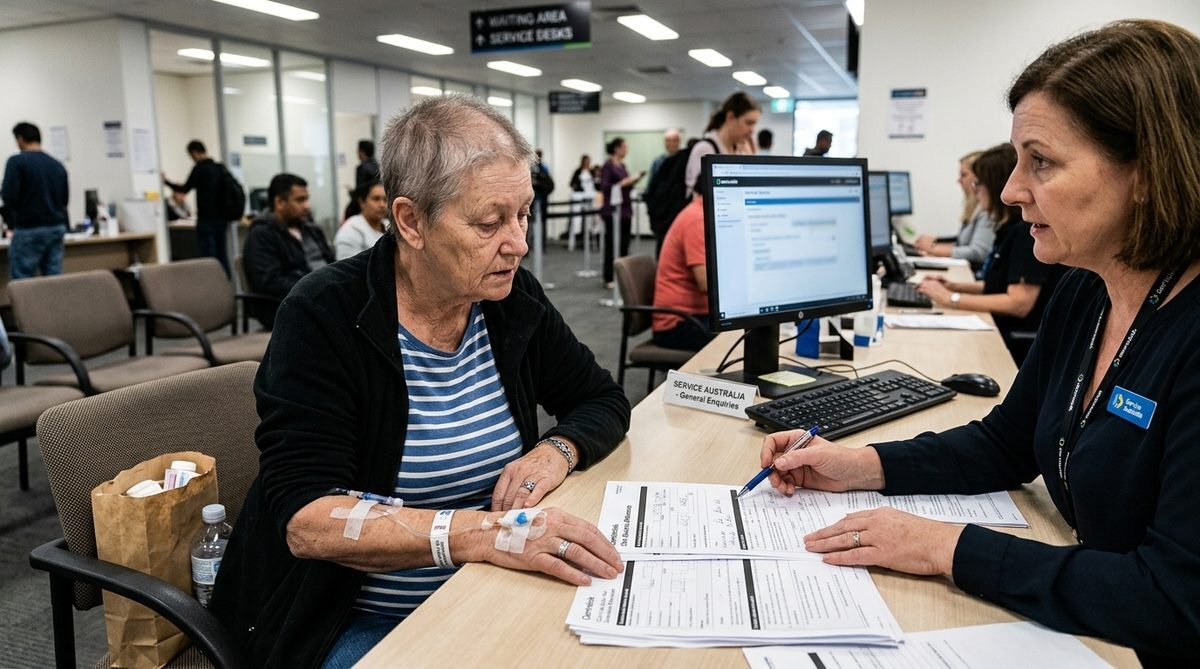
Medicare is administered by Services Australia, which operates under the federal government regardless of which party holds power. The scheme is funded through the Medicare levy, a 2% tax on most taxpayers' income, plus general federal revenue.
Every government since 1984 has modified Medicare in some way. The Howard government introduced the Medicare Safety Net. The Gillard government introduced MyMedicare's precursor systems. The Morrison government expanded telehealth. But no government has attempted to abolish it.
The responsibility for what Medicare covers, what doctors are paid, and which services attract a rebate sits with the federal government's health department and the Medicare Benefits Schedule, which is updated regularly. State governments run the public hospitals that Medicare patients use, which creates an ongoing tension in funding between the federal and state levels.
In practice, when something goes wrong with Medicare access, it's usually a federal government problem. When something goes wrong with a hospital stay, it's usually a state government problem. The line between them isn't always clean. Understanding Medicare structure helps clarify these responsibilities.
What Does Medicare Actually Cover?
Medicare covers visits to GPs and specialists when bulk billed, at a government-set rebate. It covers most surgical procedures performed in public hospitals. It covers diagnostic imaging and pathology when referred by a doctor.
It doesn't cover dental, optical, most physiotherapy, or ambulance services.
Bulk billing means the doctor accepts the Medicare rebate as full payment and charges you nothing out of pocket. When a doctor charges above the rebate, you pay the gap. That gap has grown significantly over the past decade as the Medicare rebate hasn't kept pace with medical practice costs.
When looking at how people actually experience Medicare: the confusion usually comes from the gap between what people expect Medicare to cover and what it actually does. Many Australians assume dental is covered. It's not, except in limited circumstances through the Child Dental Benefits Schedule or specific state programs.
How Does This Affect You Now?
If you're trying to understand your healthcare costs or entitlements, knowing Medicare's history helps you understand its structure. It was built as a floor, not a ceiling. It was designed to make sure nobody went without basic medical care because they couldn't afford it, not to replace private health insurance entirely.
The gap fees that frustrate so many patients today exist because the original system was built on a negotiated compromise with the medical profession that allowed doctors to charge above the rebate. That compromise has stretched significantly as costs have risen and the rebate hasn't kept up.
Understanding that Medicare was always a political construction, built through compromise and maintained through ongoing political will, helps make sense of why it works the way it does rather than the way you might expect it to.
Frequently Asked Questions
Which government brought in Medicare?
The Hawke Labor government introduced Medicare on February 1, 1984. Bob Hawke was Prime Minister and Neal Blewett was Health Minister.
Who brought Medicare to Australia?
Labor's Gough Whitlam first proposed and partially implemented the idea as Medibank in 1974. Bill Hayden designed the policy framework. Bob Hawke's government implemented it as Medicare in 1984. Neal Blewett managed the rollout.
Which political party brought Medicare?
The Australian Labor Party. The Liberal and National parties opposed it at the time of introduction. The Coalition has since accepted and maintained Medicare, but it was a Labor policy from conception to implementation.
Which politician brought Medicare?
Bill Hayden built the policy. Gough Whitlam made it a Labor commitment. Neal Blewett implemented it. Bob Hawke won the election that made it possible. If you want one name, Neal Blewett gets the most direct credit as the minister who got it across the line in 1984.
Did the Liberal Party ever try to abolish Medicare?
The Fraser Liberal government dismantled its predecessor, Medibank, between 1976 and 1981. No Liberal government has attempted to abolish Medicare since 1984, though the 1987 and 1996 elections both involved debates about its future funding and scope.
Is Medicare funded by the Medicare levy?
Partly. The Medicare levy raises roughly a third of Medicare's total cost. The rest comes from general federal government revenue. The levy is 2% of taxable income for most earners, with a surcharge for higher earners without private hospital cover.
Do I need private health insurance if I have Medicare?
Medicare covers public hospital treatment and a range of medical services. Private health insurance covers private hospital accommodation, dental, optical, and extras. Whether you need it depends on your circumstances, but Medicare alone leaves meaningful gaps in dental and allied health coverage.
One Thing Worth Doing
Check your Medicare card is current and your details are correct in MyGov. Then look at your last specialist or GP bill and check whether you were bulk billed or paid a gap.
If you paid a gap and didn't realise it, that's worth understanding before your next appointment. Ask upfront whether the doctor bulk bills or what their gap fee is. It's a normal question and it'll save you surprises.
If you're trying to get the most out of your Medicare entitlements or understand what you're actually covered for, the Services Australia website has a complete Medicare Benefits Schedule where you can look up any specific service or procedure.
Explore related health and wellbeing guides
This article is part of PTNA's consumer health and wellbeing library. Browse the Health & Wellbeing Resources hub to find related guides by topic, including Australian health cover, Medicare, prostate health, mental health, disability support and life insurance.

How Much Does It Cost to Have Your Prostate Removed Privately in Melbourne?
Read article →
Is It Worth Having Your Prostate Removed in Melbourne?
Read article →
Can You Get Anything Free if You Have Cancer in Melbourne?
Read article →
What Are the Negatives of Removing Your Prostate in Melbourne?
Read article →
Is Prostate Cancer Classed as a Disability in Melbourne?
Read article →