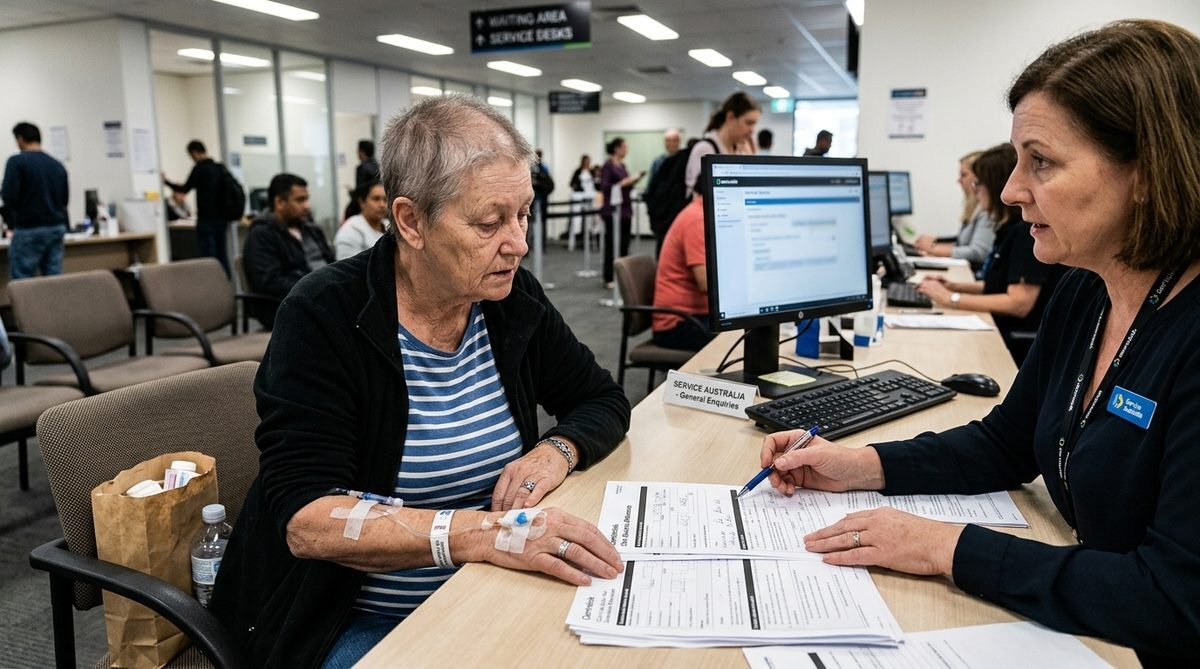
When did Australia get free healthcare?

Australia first got universal publicly funded healthcare through Medibank on 1 July 1975, while the modern Medicare system began on 1 February 1984. Both dates matter.
The first marks the start of universal health care at a national level. The second marks the start of the system Australians use today.
Calling either system “free healthcare” takes a little care. Australians fund it through taxes and the Medicare levy. Patients may also pay for medicine, dental care, ambulance transport, allied health services, private hospital treatment, or a doctor who charges more than the Medicare benefit.
The key point is simple: 1975 created the national promise, and 1984 brought it back in the form that lasted.
Why are there two correct dates?
The answer depends on what someone means by “get.” If they mean the first national system open to all Australians, the date is 1 July 1975. If they mean the start of Medicare, it is 1 February 1984.
Medibank brought in universal public health insurance under the Whitlam government. It helped cover medical treatment and gave Australians access to free care in public hospitals. That was a major shift from earlier government programs.
Medibank did not stay the same. The Fraser government changed the scheme several times from 1976. Eligibility rules, insurance settings, and patient charges all shifted. By the early 1980s, Australia no longer had the universal model launched in 1975.
The Hawke government then brought in Medicare in 1984. It restored universal public health insurance and set up a funding model that proved more durable. That is why many history pages name 1984, even though the first national scheme began nine years earlier.
What changed on 1 July 1975?
Medibank gave Australians a national health insurance scheme funded by the Commonwealth. People no longer had to rely only on joining a private health fund to get help with common medical bills.
The scheme covered medical benefits and backed free public hospital care. A person could see a doctor, receive treatment, and have much of the scheduled fee paid through the public system. Public hospitals could treat people without charging them as private patients.
This cut the financial risk that came with getting sick. Before the reform, a low-income family might put off seeing a doctor because the bill competed with rent, food, and other weekly costs. Medibank did not wipe out every fee, but it turned access from an insurance-based privilege into a broad public right.
One point is often missed. The change was about how the system worked as well as who paid. A universal scheme puts people under one national set of rules, with less need to prove they belong to a certain job, fund, or welfare group before public support applies.
Why did the first system fail to last?
Medibank met fierce political opposition while it was still being planned. The arguments covered taxes, private insurance, Commonwealth power, and how doctors would be paid. It became law only after a long fight in Parliament.
When the government changed, Medibank was reshaped rather than ended all at once. From 1976, the Fraser government changed the levy and pushed greater use of private cover. Later revisions brought in different payment and insurance rules. Bit by bit, the original universal structure weakened.
By 1981, free treatment was harder to access. Many people once again needed private insurance or had to pay more of their own medical costs. Australia still funded hospitals and helped some patients, but the clear universal cover created in 1975 was gone.
That gap explains the two dates. Australia did not travel in a straight line from no national scheme to permanent Medicare. It built a universal model, pulled much of it apart, then brought universal cover back under a new name.
What began on 1 February 1984?
Medicare began across Australia on 1 February 1984. It gave eligible people access to subsidised medical services and care as public patients in public hospitals.
The scheme used a public insurance model. The government set a Medicare Benefits Schedule fee for each listed medical service. Medicare paid a fixed benefit based on that fee. Doctors could take the benefit as full payment through bulk billing, or charge the patient and leave them with a gap.
The system also got a clearer funding base through general tax revenue and the Medicare levy. That helped it last through changes of government. Political arguments carried on, but the core promise of broad access held.
In health policy records, the scheme may be listed as Medicare (Australia). The country name separates it from the United States program, which covers set groups rather than the full population. The systems share a name, but their rules, histories, and aims are different.
Does “free” describe the system well?
“Free at the point of care” is more accurate than “free healthcare.” A public patient can get medically needed treatment in a public hospital without receiving a hospital bill. A bulk-billing doctor can also take the Medicare benefit as full payment, so the patient pays nothing for that visit.
But plenty of services still cost money. A general practice may charge more than the scheduled benefit. A specialist may leave a far bigger gap. Most adults pay for routine dental work.
Physiotherapy, psychology, podiatry, and other allied health services often need private payment unless a limited public program or care plan applies.
Prescription medicine sits under a separate subsidy system. The Pharmaceutical Benefits Scheme cuts the price of listed drugs, but patients often pay a co-payment. Ambulance cover differs between states and territories.
A person may face a large transport bill even when their hospital treatment costs nothing.
Here is a common real-life example. A patient gets free surgery as a public patient, yet pays for the GP visit that led to the referral, medicine after leaving hospital, and later physiotherapy. The surgery may be free at the hospital door while recovery still costs money.
This is an angle many accounts miss. Universal health care means everyone can enter a shared public system. It does not mean every kind of health care comes with a zero-dollar price.
How did taxes replace the old financial risk?
Public healthcare moves much of the cost from the person who is sick to the wider tax base. People pay in under tax rules, while treatment is based mainly on medical need.
The Medicare levy helps fund the system, though it does not cover the whole cost by itself. General government revenue pays a large share of Medicare benefits, public hospitals, medicines, and health programs. Some higher-income people without suitable private hospital cover may also pay the Medicare levy surcharge.
This model spreads risk across millions of people. A healthy worker might use few services this year, then need costly hospital care later. Tax funding means access does not rest on whether that person saw the illness coming and bought enough insurance.
The word “free” can hide that shared bill. Every service still needs staff, buildings, medicine, equipment, and record systems. A patient may pay nothing at the appointment because the community has already paid for the care.
Why did public hospitals matter as much as doctor bills?
National insurance could not create equal access on its own. Australia also needed agreements that let patients receive free treatment in public hospitals.
The Commonwealth and the states share responsibility for the system. The Commonwealth pays Medicare benefits and helps fund hospitals. State and territory governments run public hospitals and many local services. This split is still a central part of Australian healthcare.
It can be confusing. A service may follow federal funding rules in one place and state rules in another. A GP clinic bills Medicare, while a public emergency department runs through a state hospital system. The patient sees one care journey, but several governments may pay for it.
The public patient rule matters. Treatment in a public hospital is generally free for an eligible person who chooses to be treated as a public patient. Choosing private care can bring fees from the hospital, doctors, imaging providers, or other specialists, even when private insurance pays some of the cost.
What did the reform change for an ordinary family?
The biggest effect was certainty. A family knew that lacking private insurance would not automatically block access to a public hospital during a serious illness.
Picture a child getting severe abdominal pain late at night. Under the universal model, the parents can take the child to a public emergency department without first working out whether they can afford an admission. The hospital can assess and treat the child based on need.
There may still be bills later. The family might pay for discharge medicine or a follow-up visit at a clinic that does not bulk bill. But the largest and most urgent part of the event does not depend on showing an insurance card or paying a hospital deposit.
That shift in decision-making matters. People seek help sooner when their first question is “Where should we go?” instead of “Can we pay?” Early treatment may also stop a manageable problem from becoming more severe.
What do simple timelines often get wrong?
The first mistake is treating 1984 as the first time Australia funded healthcare. Governments had supported hospitals, pensioners, medicines, and other services long before Medicare. The real change in 1975 was universal national coverage, not the first public dollar spent on health.
The second mistake is claiming Medibank simply changed its name to Medicare. The original scheme was heavily changed after 1975. Medicare brought back the universal principle after those changes. It grew from Medibank, but its launch was a new reform with new laws and funding rules.
Another missed point: universality and full coverage are not the same thing. A system can cover the whole eligible population while leaving gaps for some services. Australia created broad entitlement without making every clinic, treatment, or health product free.
These details clear up the date question. Use 1975 for the birth of universal national health insurance. Use 1984 for the start of the lasting Medicare system.
How should you read the date in books and news reports?
Look at the event named next to the year. A source using 1975 is usually talking about Medibank or the first universal scheme. One using 1984 is usually talking about Medicare’s launch.
The words “Australia introduced universal healthcare” may point to either date unless the writer explains the break between the two systems. A clear account should include both.
A useful timeline is:
- 1973: The Whitlam government introduced Medibank legislation, starting a long parliamentary fight.
- 1 July 1975: Medibank began as Australia’s first universal national health insurance scheme.
- 1976 to 1981: The Fraser government changed the scheme and cut its universal reach.
- 1 February 1984: The Hawke government launched Medicare and brought back universal national cover.
This sequence gives a clearer answer than picking one year and ignoring the other.
What should Australians expect from the system now?
eligible residents can expect subsidised medical treatment and free care as public patients in public hospitals. They should not expect every provider to bulk bill or every service to appear on the Medicare Benefits Schedule.
Before a non-urgent appointment, ask the clinic about the full fee, the expected Medicare rebate, and the likely gap. Ask a specialist whether other providers, such as an anaesthetist or imaging clinic, will send their own bills. Check the ambulance rules where you live and make sure private insurance covers the service you want to use.
For fitness, injury recovery, or ongoing help, check whether the service is clinical treatment covered by a valid referral, a private service, or a general wellbeing service. The provider should tell you the price before care starts.
Remember both dates: 1 July 1975 created Australia’s first universal national scheme, and 1 February 1984 began the Medicare system that remains today.
Common questions
Which country is no 1 in health care?
There is no single country ranked number one in every health care study. Australia often ranks among the best because it offers good care to most people.
Is healthcare 100% free in Australia?
No, health care is not 100% free in Australia. Medicare covers many costs, but people may still pay for some doctor visits, medicines, dental care, and private treatment.
What did Australians do before Medicare?
Before Medicare, many Australians used private health insurance or paid medical bills themselves. Some people received help through earlier government programs, but coverage was not equal for everyone.
Which prime minister brought in Medicare in Australia?
Prime Minister Bob Hawke introduced Medicare in Australia in 1984. It replaced an earlier public health program called Medibank, which began under Prime Minister Gough Whitlam.

How Much Does It Cost to Have Your Prostate Removed Privately in Melbourne?
Read article →
Is It Worth Having Your Prostate Removed in Melbourne?
Read article →
Can You Get Anything Free if You Have Cancer in Melbourne?
Read article →
What Are the Negatives of Removing Your Prostate in Melbourne?
Read article →
Is Prostate Cancer Classed as a Disability in Melbourne?
Read article →