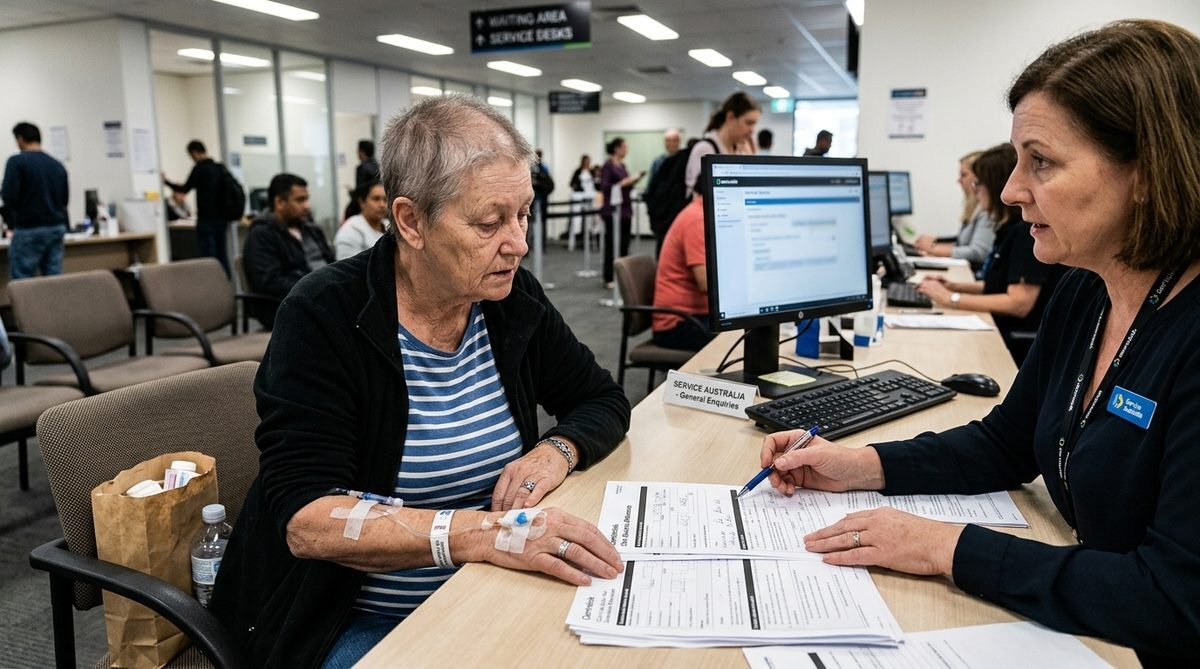
What Services Are Not Covered by Private Health Insurance? A Clear Guide

Private health insurance does not cover everything. Most people find this out the hard way, when they submit a claim and get knocked back. Knowing the gaps before you need care saves money, stress, and a lot of frustration.
Here is a clear breakdown of what falls outside your cover, why it happens, and what you can do about it.
Why Does Private Health Insurance Have Exclusions?
Insurers price policies based on risk. Services that are elective, cosmetic, experimental, or already funded by Medicare get excluded to keep premiums manageable. The Australian government also sets rules about what hospital and extras policies must include at each tier, which means some services are legally outside the scope of lower-tier products. speak with a health insurance specialist
What I found was that most people assume their policy covers more than it does. They pick a mid-tier product, pay monthly, and then discover a specific treatment they need sits in an excluded category. Reading the product disclosure statement before you sign up is the single most useful thing you can do.
What Is Not Covered by Private Health Insurance?
The exclusions fall into several clear categories. Some are universal across all insurers. Others depend on the specific policy you hold.
Cosmetic and Elective Procedures
Cosmetic surgery performed purely for appearance is not covered. This includes rhinoplasty, breast augmentation, liposuction, facelifts, and similar procedures. If there is no medical necessity, no insurer will pay.
The line between cosmetic and reconstructive can blur. Breast reconstruction after a mastectomy is typically covered. A breast augmentation for aesthetic reasons is not. If you are unsure which side your procedure falls on, ask your surgeon to document the medical necessity clearly before you proceed.
Pre-Existing Conditions During Waiting Periods
When you first take out a policy, waiting periods apply. For pre-existing conditions, the standard waiting period is 12 months for hospital cover. During that time, any treatment related to a condition you had before joining is not covered.
Insurers define pre-existing conditions broadly. A condition you did not know you had can still be classified as pre-existing if a medical professional determines signs were present before your cover started. This catches a lot of people off guard.
Dental Treatment
General dental is not included in hospital cover at all. It sits under extras cover, and even then, the scope depends on your policy tier. Basic extras might cover check-ups and simple fillings. Major dental work like crowns, bridges, implants, and orthodontics often requires a higher-tier extras policy, and even then, annual limits apply.
In my experience, dental is where the gap between expectation and reality is widest. People assume their health insurance handles dental the same way it handles hospital stays. It does not. Dental is a separate product with its own rules.
Optical
Glasses and contact lenses are not covered under hospital policies. Like dental, optical falls under extras cover. Most basic extras policies include a small annual benefit for optical, but it rarely covers the full cost of frames and lenses, especially for prescription eyewear.
Physiotherapy, Chiropractic, and Allied Health
Allied health services including physiotherapy, chiropractic, osteopathy, podiatry, and speech therapy are extras cover items. They are not part of hospital cover. If your policy does not include extras, or if your extras policy excludes these services, you pay out of pocket.
Even with extras cover, annual limits are low. A typical policy might pay $300 to $500 per year for physiotherapy. If you need ongoing treatment for a chronic condition, that cap disappears fast.
Experimental and Unproven Treatments
Treatments that have not been approved by the Therapeutic Goods Administration or that lack sufficient clinical evidence are excluded. This includes many alternative therapies, some newer drug treatments, and procedures still in trial phases.
This is one area where the rules exist for good reason. Paying for unproven treatments creates financial risk for both the insurer and the patient. If a treatment you want falls into this category, check whether it is available through a clinical trial, which may cover costs separately.
Ambulance Services
This one surprises people. Ambulance cover is not automatically included in private health insurance. In Queensland and Tasmania, ambulance is covered by state government schemes. In other states and territories, you need either a specific ambulance subscription or a health insurance policy that explicitly includes ambulance cover.
An emergency ambulance call-out without cover can cost over $1,000. Check your policy documents and your state's rules before assuming you are covered.
Overseas Medical Treatment
Australian private health insurance covers treatment in Australia. If you travel overseas and need medical care, your domestic policy does not apply. Travel insurance with medical cover is a separate product and a separate purchase.
Is a Gallbladder Stone Covered by Health Insurance?
Yes, gallbladder surgery is generally covered by private hospital insurance, provided you have served the relevant waiting periods and your policy includes the appropriate clinical category. Cholecystectomy (gallbladder removal) is a common surgical procedure and sits within standard hospital cover for most mid-tier and above policies.
What can catch people out is the gap fee. Your insurer pays the hospital benefit, but your surgeon may charge above the Medicare Benefits Schedule fee. That difference, the gap, comes out of your pocket unless your surgeon participates in a no-gap or known-gap arrangement with your insurer. Always ask your surgeon about gap fees before booking.
Is Psoriasis Covered Under Health Insurance?
It depends on how the psoriasis is being treated. Dermatology consultations with a specialist are covered by Medicare, not private health insurance, when you have a referral. If you are admitted to hospital for treatment of severe psoriasis, your private hospital cover would apply.
Biologic medications used to treat moderate to severe psoriasis may be available through the Pharmaceutical Benefits Scheme, which reduces cost significantly. Private health insurance does not cover PBS medications.
Extras cover sometimes includes a benefit for skin treatments or naturopathy, but this varies widely by policy and is unlikely to cover the cost of specialist dermatology care. If psoriasis management is a priority for you, the PBS and Medicare are your main funding pathways, with private insurance playing a supporting role for any hospital admissions.
What Is Typically Not Covered Under Health Insurance? The Less Obvious Gaps
Beyond the obvious exclusions, several gaps catch people off guard.
Outpatient Services
Private hospital cover applies when you are admitted as an inpatient. If you attend a hospital emergency department and are treated without being formally admitted, your private insurance may not contribute. Medicare covers outpatient and emergency department visits, but the private insurance benefit only kicks in once you are admitted.
This is a structural quirk of the Australian system that most people do not understand until they get a bill.
Mental Health Limitations
Hospital cover for mental health has improved in recent years, but gaps remain. Inpatient psychiatric care is covered under most hospital policies. Outpatient psychology sessions are an extras item, and the annual limits are often low relative to the cost of ongoing therapy.
The Better Access initiative through Medicare provides rebates for psychology sessions, which is often more useful than extras cover for ongoing mental health support. Private health insurance and Medicare work alongside each other here, but neither covers the full cost of long-term psychological treatment.
Fertility Treatments
IVF and assisted reproductive technology are excluded from many hospital policies, particularly at the basic and medium tiers. Some top-tier policies include IVF cover, but waiting periods of 12 months apply. Medicare provides rebates for some fertility-related services, but out-of-pocket costs for IVF remain high regardless of insurance status.
Weight Loss Surgery
Bariatric surgery including gastric banding and sleeve gastrectomy is excluded from basic and medium hospital policies. It requires a top-tier policy and a 12-month waiting period. Even with cover, gap fees from surgeons and anaesthetists can be substantial.
Three Things Most Articles Get Wrong About Health Insurance Exclusions
First, people assume exclusions are the same across all insurers. They are not. Two policies at the same price point from different funds can have meaningfully different exclusion lists. Comparing the product disclosure statements side by side, not just the marketing summaries, is the only way to know what you are actually buying.
Second, the assumption that upgrading your policy removes all exclusions is wrong. Upgrading from basic to medium or medium to top tier removes some exclusions, but waiting periods restart for the newly added services. If you upgrade because you need a specific treatment soon, you may still face a 12-month wait before that treatment is covered.
Third, many people believe that if Medicare covers something, private insurance will too. This is backwards. Medicare and private health insurance cover different things. Medicare covers GP visits, specialist consultations, and outpatient services. Private hospital insurance covers inpatient hospital treatment. They are designed to work together, not duplicate each other. Understanding which system handles which service prevents a lot of confusion.
FAQ
Does private health insurance cover prescription medications?
No. Prescription medications listed on the Pharmaceutical Benefits Scheme are subsidised by the federal government, not private health insurance. Some extras policies include a small benefit for non-PBS medications, but this is limited and not a reliable funding source for ongoing prescriptions.
Is mental health covered by private health insurance?
Inpatient psychiatric care is covered under most hospital policies. Outpatient psychology is an extras item with annual limits. Medicare's Better Access program provides rebates for up to 10 psychology sessions per year, which is often the more practical option for ongoing mental health support.
Are hearing aids covered?
Hearing aids are not covered under hospital policies. Some extras policies include a benefit for hearing aids, but the annual limits are typically well below the cost of devices. The federal government's Hearing Services Program provides subsidised hearing aids for eligible Australians, which is usually a better funding pathway.
Does private health insurance cover GP visits?
No. GP visits are covered by Medicare. Private health insurance does not contribute to the cost of seeing your general practitioner.
Is laser eye surgery covered?
Laser eye surgery for refractive correction (LASIK, PRK) is considered elective and is not covered by private health insurance or Medicare. Some extras policies include a small optical benefit, but it will not come close to covering the cost of laser surgery.
Are blood tests and X-rays covered?
Pathology and diagnostic imaging ordered by a GP or specialist are covered by Medicare when performed as outpatient services. Private health insurance does not cover these when done outside of a hospital admission.
What You Should Do Now
Pull out your current policy's product disclosure statement and look at the exclusions list. Match it against any treatments you know you are likely to need in the next two years. If there are gaps, compare policies from other funds using the government's privatehealth.gov.au comparison tool before switching.
If you want help understanding what your current cover actually includes and whether it fits your situation, speaking with a health insurance specialist is worth the time. The team at PTNA can walk you through your options without the sales pressure. Knowing exactly what you are covered for before you need it is the only way to avoid an unexpected bill.
Explore related health and wellbeing guides
This article is part of PTNA's consumer health and wellbeing library. Browse the Health & Wellbeing Resources hub to find related guides by topic, including Australian health cover, Medicare, prostate health, mental health, disability support and life insurance.
How Much Does It Cost to Have Your Prostate Removed Privately in Melbourne?
Read article →
Is It Worth Having Your Prostate Removed in Melbourne?
Read article →
Can You Get Anything Free if You Have Cancer in Melbourne?
Read article →
What Are the Negatives of Removing Your Prostate in Melbourne?
Read article →
Is Prostate Cancer Classed as a Disability in Melbourne?
Read article →