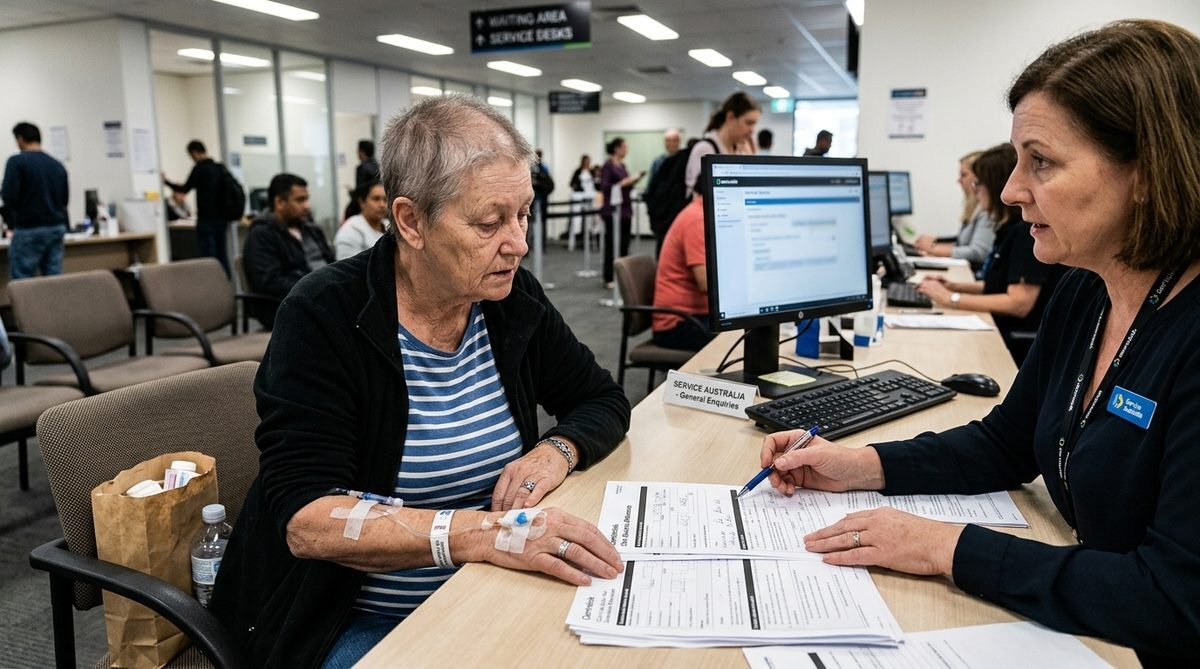
What's the highest percentage you can get for migraines?

Under the US Department of Veterans Affairs rating schedule, the highest schedular disability rating assigned specifically to migraines is generally 50%. This does not mean migraines can affect only half of a person’s life. It means 50% is the highest level available for migraines under that rating schedule.
A veteran may still receive compensation at the 100% rate through a combined evaluation or an unemployability pathway. That outcome is different from receiving a 100% schedular rating for migraines alone.
The country and benefit program matter. The 50% figure comes from the US VA system. Australia and other countries use different disability and compensation rules. A percentage found in a search result may have no bearing on a claim made under another system.
What does the 50% migraine rating actually measure?
A disability rating is an administrative measure. It is not a score for pain, a count of symptoms or a statement that a person is 50% disabled in every part of life. The rating links documented impairment to a level in the governing schedule.
This distinction matters because migraine pain can be severe without the available evidence supporting the highest rating. A decision-maker looks beyond the diagnosis and asks what the attacks are like, how often they happen, how long their disabling effects last and what they do to the person’s ability to function.
Migraines can include pain, nausea, aura and sensitivity to light or sound. Those symptoms help describe the neurological disorder, but a list of symptoms may leave the main disability question unanswered. The record must show what the person cannot do during an attack and how the pattern affects ordinary activity.
For example, consider a hypothetical veteran whose notes record severe headache pain and medication changes. Those notes confirm treatment and symptoms. They do not say whether attacks forced the veteran to stop activity, lie down in a dark room or leave work. The medical condition is clear, yet the functional effect remains unclear. the highest level available for migraines under that rating
The word schedular also has a narrow meaning. It refers to the percentage assigned under the rating schedule for that condition. It does not describe every route by which a veteran might receive payment at a higher overall rate.
Read any percentage with two questions in mind: Which condition does it cover, and which benefit system assigned it? Without those answers, the number can mislead you.
Why is severe migraine pain alone not enough for the highest rate?
A migraine diagnosis establishes that the disease exists. It does not establish the full level of disability caused by the disease. Pain intensity is also only one part of the assessment.
The highest migraine rating generally turns on the full attack pattern. The evidence needs to address the nature of the attacks, their frequency, their duration and their effect on function or earning capacity. Each issue answers a different question.
- Nature: What happens when an attack starts? Does the person have to stop activity, rest or withdraw from light and noise?
- Frequency: How often do attacks with disabling effects occur?
- Duration: How long do those effects prevent normal activity?
- Consequences: What happens to work, study, household tasks or planned commitments?
A general statement such as “my migraines are severe” does not answer all of those questions. Neither does a long medication list. Medication records can support the history of treatment, but the number of medicines tried does not directly measure functional loss.
Daily discomfort and disabling attacks should also be described clearly. A person may have ongoing headache symptoms with fewer attacks that force all activity to stop. Another person may have symptom-free periods between attacks but lose whole blocks of useful time when an attack occurs. A simple pain score can hide that difference.
Aura and nausea may make an attack harder to manage, but their presence does not automatically set the percentage. The practical issue is what the full migraine attack does to the person. Can the person keep working safely? Can they read a screen? Can they drive? Do they have to lie still until the symptoms ease?
Claims often become unclear when every symptom is merged into one label. Keeping the issues separate makes the evidence easier to understand. It also prevents a diagnosis from being treated as if it automatically proves a particular rate.
The strongest description is accurate and concrete. It reports what occurred without stretching the facts. Exaggeration can create conflicts with treatment notes, work records or earlier statements. Those conflicts may weaken otherwise valid evidence.
Why can genuine migraines result in a 30% rating rather than 50%?
A lower rating does not mean the migraines are imaginary or minor. It can mean the evidence proves the condition but does not establish every part of the higher level.
Clinical records are usually written to guide health care. A health care provider may document the diagnosis, symptoms, medication response and treatment plan. The note may never explain whether the patient missed a shift, cancelled an appointment or spent hours unable to complete basic tasks. Disability decisions need facts that treatment notes may not capture.
Vague wording creates another gap. “Frequent headaches” could mean mild head pain on many days, disabling migraine attacks several times within a period or a mix of both. A reviewer cannot safely assume which meaning applies.
Consider two hypothetical records. The first says, “Patient reports frequent severe migraines.” The second lists dated attacks and records whether each one stopped activity, how long the person had to rest and which commitment was interrupted. Both may be honest. The second gives a clearer account of disability because the reader does not have to guess what “frequent” or “severe” meant.
Inconsistent estimates can also affect the result. One medical note may report attacks every few months, while a later statement reports them far more often during the same period. The difference might have a sound explanation. Symptoms may have changed, the earlier note may have counted only certain attacks or the patient may have given a rough estimate during a short appointment. If the record does not explain the difference, it can look unreliable.
Duration is often missing as well. A file may show when an attack began but not when useful activity resumed. It may record that medication reduced the pain without showing whether nausea, aura or sensitivity still prevented work. Relief from one symptom is not always the same as restored function, but the evidence must describe that distinction.
Employment records can be misunderstood in both directions. Remaining employed does not prove that migraines have little economic effect. A person may use leave, lose hours, receive informal help or avoid duties that trigger symptoms. At the same time, unemployment alone does not prove that migraines caused the loss of work. The record needs a clear link between the attacks and the work effect being claimed.
Accurate records should agree on the basic facts across medical notes, personal statements and available work information. They do not need identical wording. They need a timeline that makes sense and enough detail to show what happened.
Which percentage on a disability decision matters most?
A decision can contain several figures that answer different questions. Confusing them may make a migraine award look lower or higher than it really is.
The migraine-specific rating applies to migraines under their own schedular criteria. Its highest level is generally 50% in the US VA system.
An overall combined evaluation considers migraines together with other service-connected disabilities. The final combined figure is not a new migraine rating. It reflects the veteran’s service-connected conditions as a group.
A veteran may also be paid at the 100% rate through an unemployability pathway when the applicable rules are met. That route concerns the ability to maintain qualifying employment because of service-connected disability. It requires evidence beyond the fact that migraine attacks occur.
These routes can produce outcomes that sound similar in casual conversation. Someone might say, “I receive 100% for my migraines,” when the formal decision actually assigns 50% for migraines and reaches the payment rate through another basis. The decision letter should identify the exact route.
The difference affects what evidence is relevant. A migraine-specific evaluation focuses on the attack pattern and its effects under the migraine criteria. A combined evaluation also depends on the person’s other service-connected conditions. An unemployability decision requires a broader review of work capacity and the rules of that pathway.
No single fact guarantees the overall result. A 50% migraine rating does not automatically create a 100% payment. Having several disability ratings does not mean their percentages are added with ordinary arithmetic. Being out of work does not establish unemployability by itself.
When reviewing a decision, identify the percentage assigned to migraines, the overall combined evaluation and the stated payment basis. Treat each as a separate line of inquiry. If the wording is unclear, an accredited representative or other qualified adviser can explain which finding may be reviewed or challenged.
How can you tell whether a migraine percentage applies to your claim?
Start with the governing system. A search for migraine disability may mix US veterans material with Australian health pages, private insurance terms, workplace policies and public health studies. Those sources use the word disability in different ways.
Public health measures do not assign an individual benefit rate. The World Health Organization, the Australian Institute of Health and Welfare and the Global Burden of Disease Study may discuss migraine disease burden or disability-adjusted life years. These measures estimate health loss across populations. They do not decide whether one person receives a 30%, 50% or 100% payment.
Quality of life scores serve another purpose. They can show how a disease affects daily living, but they are not automatically the percentage used by a government compensation scheme. A score from a clinic, research paper or migraine tracking tool should not be confused with a formal disability rating.
Use this verification sequence before relying on any percentage:
- Name the country and program. Confirm whether the claim falls under the US VA, an Australian scheme, private insurance or another system.
- Read the current official criteria. Generic articles may quote old rules or leave out the conditions attached to a percentage.
- Check the effective period. Use the rules that govern the period covered by the decision.
- Separate the figures. Identify the migraine rating, any combined evaluation and the actual payment basis.
- Read the reasons for the result. Note which facts the decision accepted and which required element it found missing.
- Compare the evidence with that reason. Look for accurate records covering the attack pattern and its real functional effects.
- Get qualified help when needed. Seek accredited or appropriately qualified assistance before challenging a decision or relying on an unemployability route.
Actionable takeaway: Find the exact scheme named on your decision, read its current migraine criteria and compare each finding with the evidence actually recorded in your file.
How Much Does It Cost to Have Your Prostate Removed Privately in Melbourne?
Read article →
Is It Worth Having Your Prostate Removed in Melbourne?
Read article →
Can You Get Anything Free if You Have Cancer in Melbourne?
Read article →
What Are the Negatives of Removing Your Prostate in Melbourne?
Read article →
Is Prostate Cancer Classed as a Disability in Melbourne?
Read article →