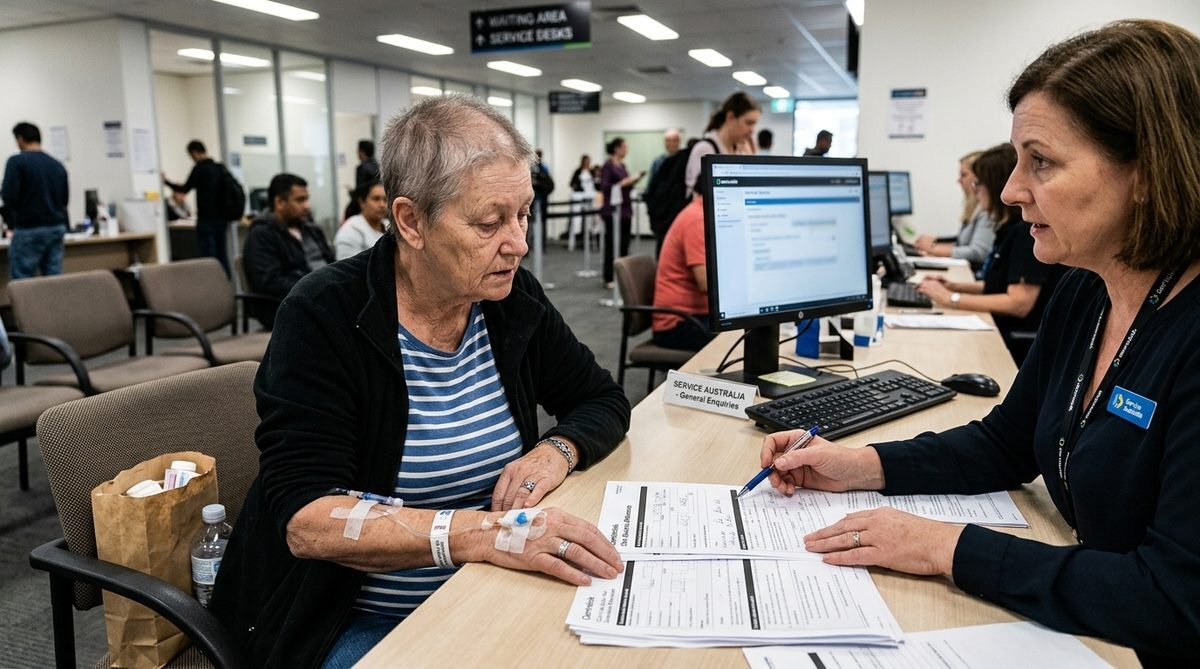
What qualifies a migraine as a disability?

Migraine may qualify as a disability when its attacks and related symptoms substantially restrict daily activities, communication, mobility, safety or reliable work. A diagnosis alone does not settle the question. The main issue is what the condition stops a person from doing, how often this happens, how long the effects last and whether treatment restores dependable function.
This means pain is only part of the picture. Visual disturbance may make driving unsafe. Vertigo may affect walking. Cognitive slowing may cause errors. Light sensitivity may prevent screen use. Nausea may make it hard to leave home. Fatigue after an attack may reduce capacity long after the worst pain has passed.
Migraine can be an invisible disability. A person may look well between attacks yet lose large blocks of usable time when symptoms return. A fair assessment must consider that full pattern, rather than judging the person during one good hour or one symptom-free day.
When does a neurological disorder cause enough loss of function?
Disability describes the effect of a condition on a person's life. Migraine is a neurological disorder, while migraine disability is the loss of function caused by that disorder. The difference matters because two people with the same diagnosis can have very different limits.
One person may control attacks with treatment and continue most normal activities. Another may be unable to read, prepare food, travel alone or speak comfortably during an attack. Both have migraine, but their levels of impairment are different.
A useful way to judge the effect is to ask four direct questions:
- Which activities become difficult, unsafe or impossible?
- How often does that loss of function occur?
- How long does the attack and recovery period last?
- Can the person perform the activity safely and reliably over time?
Specific facts carry more meaning than broad labels. Saying that migraine is severe gives little detail. Saying that visual symptoms prevent safe driving, or that sensory sensitivity forces the person to leave a normal workplace, shows the actual restriction.
Daily life matters as much as paid work. Migraine may affect cooking, shopping, personal care, parenting, housework, social contact or the ability to attend medical appointments. A person does not need a visible impairment for these limits to be real.
Does attack frequency decide whether migraine is disabling?
No single attack count decides every disability question. Frequency matters, but it must be considered with severity, duration, recovery time, predictability and treatment response.
Chronic migraine can point to a high disease burden because symptoms affect many days. It does not create automatic disability status. A frequent pattern that responds well to treatment may cause less restriction than a less frequent pattern that causes total loss of function for long periods.
Consider two hypothetical patterns. In the first, a person has fewer attacks, but each attack causes visual disturbance, vomiting and an inability to stand safely. The person then needs a long recovery period. In the second, a person has more frequent attacks but can complete many activities with treatment and planned changes. The monthly count alone does not show which person has the greater functional limit.
The peak headache phase can also understate the total time affected. Some people experience warning symptoms before the pain. Others have fatigue, poor concentration or sensory sensitivity after it eases. A record that counts only hours of intense pain can miss cancelled work, delayed travel and reduced capacity during recovery.
Unpredictability adds another layer. A person may be able to complete a task on many days but still struggle to commit to fixed shifts, appointments or travel. The disability question is therefore wider than, “Can this person ever do the task?” It asks whether the person can do it often enough, safely enough and with reasonable consistency.
Which migraine symptoms create functional limits?
Head pain may be disabling, but migraine can also affect vision, balance, speech, thought, digestion and tolerance for ordinary surroundings. The most useful evidence links each symptom to a real activity.
- Visual disturbance or aura: Reading, driving and screen use may become difficult or unsafe.
- Vertigo or balance problems: Walking, using stairs, travelling alone or operating equipment may become unsafe.
- Light and sound sensitivity: Offices, shops, public transport and classrooms may become hard to tolerate.
- Nausea or vomiting: A person may need immediate access to a bathroom and may be unable to travel or remain at work.
- Cognitive slowing: Decisions may take longer, instructions may be harder to follow and errors may become more likely.
- Speech difficulty: Phone calls, meetings and customer contact may become difficult.
- Fatigue and post-attack effects: Normal activity may remain limited after the main pain has eased.
Different migraine patterns can produce different limits. A vestibular presentation may affect balance and movement more than head pain. An attack with marked visual symptoms may create a safety issue even when the pain score is moderate. This is why pain intensity should not be used as the only measure.
Symptom wording should stay concrete. “Brain fog” may be familiar, but a description such as “could not follow a two-step instruction” explains the effect more clearly. “Bad vision” is less useful than “could not read text or judge traffic safely.”
New, unusual or changing symptoms need medical review. They should not be assumed to be part of a person's usual migraine pattern without assessment by a health care provider.
How is reliable work capacity assessed?
Work capacity means more than completing a duty once. A person must be able to perform essential duties safely, consistently and at a sustainable level.
Migraine may affect attendance through late starts, early departures or full absences. It may interrupt concentration during detailed work. Screen exposure, bright lighting, noise, heat or travel may aggravate limits during an attack. Medication effects and the recovery phase may also affect alertness or performance.
A hypothetical office worker may complete a report on a symptom-free morning. That result does not show whether the worker can meet regular deadlines if unpredictable attacks repeatedly stop screen use. A hypothetical tradesperson may feel able to work through mild pain, yet visual disturbance or vertigo could make driving, climbing or operating tools unsafe.
This difference between possible performance and reliable performance is often missed. A snapshot taken between attacks can show normal speech, movement and thought. It cannot show how often the person loses those abilities or how much notice an attack gives.
Useful workplace evidence identifies the affected duty and the result. Examples include missing a shift, leaving a customer call, needing a dark and quiet space, being unable to drive, making avoidable errors or taking longer to recover after pushing through symptoms.
Workplace recognition is separate from income support, insurance or service eligibility. Migraine episodes may meet an employment definition of disability in one situation while a different system asks for other evidence. An employer, insurer or government body may also apply its own rules.
Possible workplace adjustments can include changes to lighting, screen settings, noise exposure, breaks, location, start times or duties. The suitable option depends on the person's symptoms and role. Any request should explain the functional problem the adjustment is meant to address.
Why can Australian disability decisions reach different results?
Australia does not use one medical declaration for every disability-related decision. Clinical care, workplace rights, insurance, service access and government income support serve different purposes. Each can apply a different definition, evidence test or duration rule.
A doctor can diagnose migraine and describe its effects. That diagnosis does not force every employer, insurer or government program to reach the same decision. The organisation making the decision may need evidence about duration, treatment, daily function, work capacity or the wording of a policy or law.
The reverse is also possible. Migraine can create serious limits in daily life even when a person does not meet the rules of a particular payment or service. Failure to satisfy one administrative test does not prove that the symptoms are mild or unreal. income support
Before gathering documents, identify the exact decision being sought. A workplace adjustment asks what change would support safe performance. An insurance assessment may focus on policy terms. A service may assess support needs. An income support program may examine continuing impairment and work capacity.
Do not apply one threshold everywhere. A duration requirement used by one scheme is not a universal definition of migraine disability. The correct question is: “What does this decision maker assess, and which parts of my medical and functional record answer that test?”
What makes medical evidence useful?
A useful medical record shows a pattern over time. It connects the migraine attack to symptoms, treatment, recovery and lost function. A diagnosis or pain scale by itself rarely communicates that whole chain.
Strong records may include:
- The date and time an attack began.
- Warning signs and associated symptoms.
- The activity being attempted when function changed.
- Medication or other treatment used.
- The response to treatment and any adverse effects.
- The time needed before normal activity resumed.
- Work, travel, care or household activities missed or changed.
Consistency matters. A one-time account can be affected by poor recall, especially when attacks involve confusion or exhaustion. A record kept near the time of each episode gives a health care provider clearer information about frequency, variation and treatment response.
The record should describe both total loss and reduced capacity. “Could not work” is relevant. So is “worked for one hour, then could no longer read the screen accurately.” Modified activity helps show how migraine affects the person even when they try to continue.
Treatment history also provides context. It can show what has been tried, whether symptoms improved and which limits remained. It should state the facts without suggesting that a failed treatment proves disability on its own.
Other diagnosed conditions should be recorded separately. Anxiety or depression may add to a person's overall impairment when clinically present, but they should never be assumed to be part of migraine. Clear records prevent different symptoms and effects from being blurred together.
How should a migraine record describe a bad day?
Use observable details. Record what started, what changed and what stopped. For example: visual disturbance began during a commute, driving was stopped, medication was taken, nausea continued and normal activity did not resume that day. This explains function better than writing “severe migraine.”
Include recovery rather than ending the entry when pain drops. If concentration, balance or light tolerance remains poor, record the activity still affected. This captures cumulative time lost across the full episode.
A diary is supporting information, not a diagnosis. Take it to a health care provider so the medical record can accurately reflect the reported pattern, clinical findings and treatment plan.
Action: Start one migraine record today and log the symptoms, treatment, recovery time and exact activity each attack prevents or disrupts.
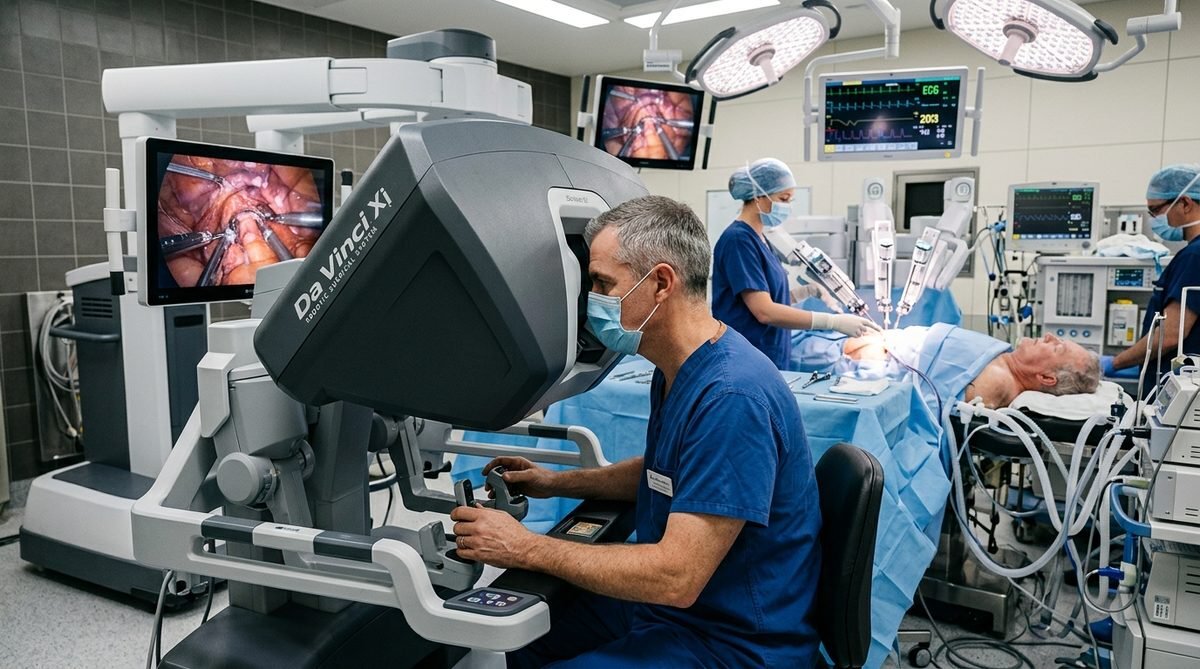
How Much Does It Cost to Have Your Prostate Removed Privately in Melbourne?
Read article →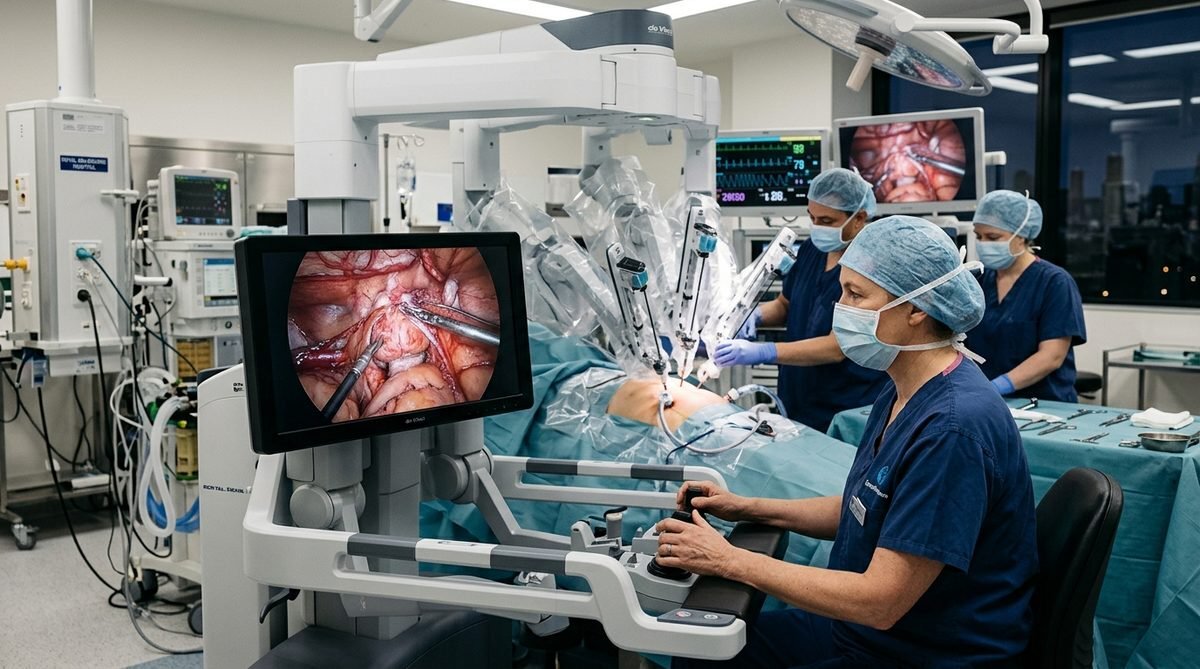
Is It Worth Having Your Prostate Removed in Melbourne?
Read article →
Can You Get Anything Free if You Have Cancer in Melbourne?
Read article →
What Are the Negatives of Removing Your Prostate in Melbourne?
Read article →
Is Prostate Cancer Classed as a Disability in Melbourne?
Read article →