What organ does psoriasis affect?
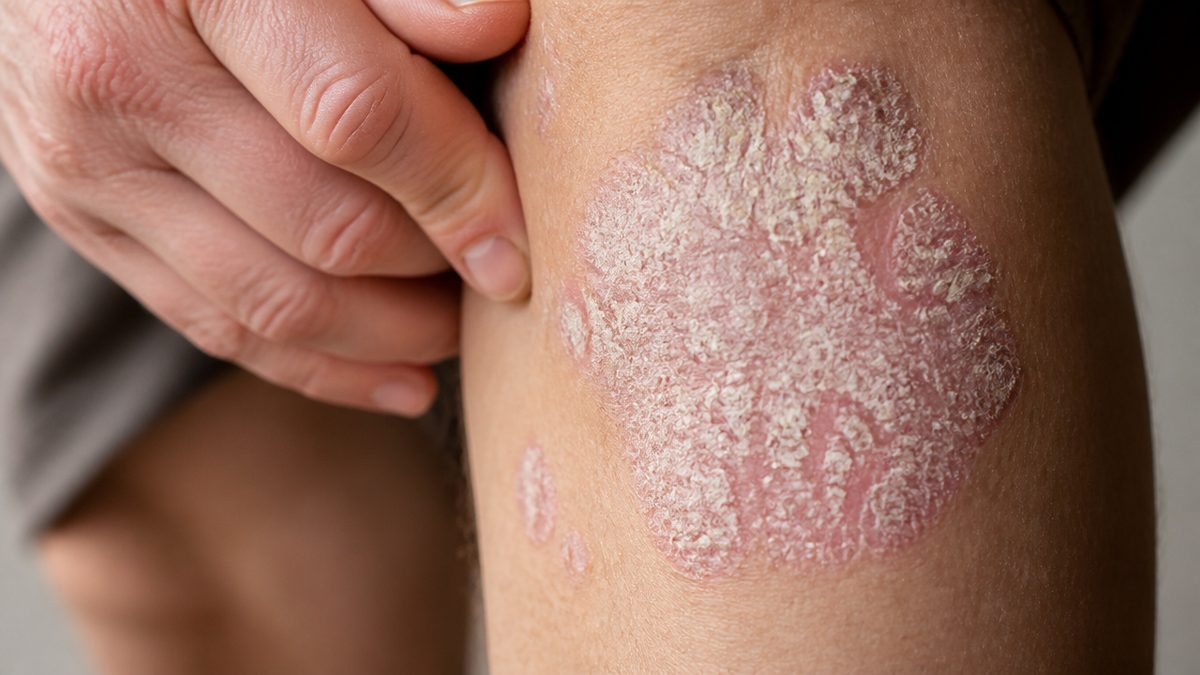
Psoriasis mainly affects the skin, which is the largest organ in the human body. It makes skin cells grow too fast, causing raised, thick, scaly patches called plaques. But the process begins in the immune system.
In some people, the same immune activity affects the joints and is linked to health problems in other parts of the body.
This doesn't mean psoriasis attacks every organ or that a skin plaque spreads inward. Instead, the condition involves signals that can move through the blood. The main point is simple: psoriasis shows most clearly on the skin, but the immune process behind it can have wider effects.
Why is skin classed as an organ?
Many people think an organ must be inside the body, like the heart or liver. But an organ is a body structure made of different tissues working together. Skin fits that definition.
Skin forms a barrier between your body and the outside world. It controls temperature, limits water loss, gives you a sense of touch, and blocks many harmful germs. It also helps with immune defence.
Psoriasis changes the normal renewal cycle inside this organ. Healthy skin cells form in deeper layers, then move toward the surface over several weeks. In a psoriasis plaque, immune signals speed things up.
New cells may reach the surface in days. The body can't shed them just as fast, so they pile up.
This buildup creates the familiar scale. Blood vessels beneath the area also widen, adding redness or a darker purple-brown colour depending on skin tone. Immune cells gather in the tissue and keep the reaction going.
So the visible plaque is an active change in living skin. It's more than dry skin resting on the surface.
What starts the rapid skin cell growth?
Psoriasis begins when the immune system sends the wrong signals. T cells and other immune cells release chemical messengers called cytokines. Several messengers, including tumour necrosis factor, interleukin-17, and interleukin-23, help keep the disease active.
These signals tell skin cells to grow faster. They also draw more immune cells into the area. A loop forms: immune activity speeds cell growth, damaged tissue sends more signals, and the plaque stays active.
Inflammation is the body's response to this activity. It causes redness, heat, swelling, soreness, and changes in how tissue works. In psoriasis, Inflammation may carry on even when there is no infection or open injury to heal.
Doctors class psoriasis as one of the Immune-mediated inflammatory diseases. This means immune activity causes ongoing irritation in tissue. It doesn't mean the immune system is simply weak. Some parts are overactive or aimed in the wrong direction.
Genes shape a person's risk, but they don't predict when plaques will appear. Skin injury, infection, smoking, heavy alcohol use, stress, and some medicines can trigger symptoms or make them worse. A trigger may switch on a risk that is already there. It isn't always the root cause. Understanding potential vitamin deficiencies can help guide nutritional support alongside medical treatment.
Does a plaque damage tissue beneath the skin?
A plaque usually remains within the skin's layers. It doesn't grow downward like cancer or infect nearby muscles or bones. Thick scale may look deep, but its size doesn't show how far a disease has spread.
Repeated scratching can break the skin barrier. Cracks may bleed, sting, or let germs enter. Plaques in skin folds may become sore as heat, sweat, and rubbing damage the surface.
These are local skin problems. They aren't proof that an internal organ has been harmed.
Nails need special care because they're part of the skin system. Psoriasis can cause pits, thickening, colour changes, crumbling, or lifting of the nail from its bed. Nail disease may also raise concern about joint problems, especially when someone has pain or stiffness in the fingers or toes.
Here's a point many articles miss: the amount of visible scale doesn't always match the total burden. A small plaque on a palm may limit work more than several plaques hidden under clothes. Pain, lost sleep, itch, location, and joint symptoms all matter when choosing treatment.
How can an immune condition in the skin reach the joints?
The immune signals involved in psoriasis aren't trapped inside each plaque. Some move through the body. In someone with the right risk factors, immune activity can also develop around joints, tendons, or spots where tendons join bone.
This condition is called Psoriatic arthritis. It can cause swollen fingers or toes, heel pain, back stiffness, sore joints, and morning stiffness that gets better with movement. Joint symptoms may start before, after, or alongside skin symptoms.
Psoriatic arthritis doesn't affect everyone with psoriasis. And skin disease alone doesn't prove that an aching joint is inflamed. Strain, osteoarthritis, and old injuries may feel much the same. A clinician needs to assess the pattern.
Early assessment matters because long-term joint inflammation can damage cartilage and bone. Skin plaques can often clear without leaving a mark, while joint damage may be permanent. That makes new swelling, lasting morning stiffness, or repeated heel pain worth reporting quickly.
Take a simple example. A person with mild scalp psoriasis develops one swollen toe and blames tight shoes. The swelling lasts for weeks, and the foot feels stiff each morning.
The useful clue isn't the size of the scalp patch. It's the pattern of joint symptoms next to a known immune condition.
Does psoriasis directly injure the heart, liver, or kidneys?
Psoriasis doesn't usually form plaques on the heart, liver, or kidneys. It shouldn't be described as a skin disease that physically spreads into those organs.
Moderate or severe psoriasis is linked to higher rates of some other health conditions, including cardiovascular disease and metabolic problems. Shared factors help explain these links. Ongoing immune activity may affect blood vessels, while smoking, low activity, poor sleep, excess body fat, high blood pressure, and diabetes can raise the risk. Some research suggests addressing nutritional gaps may complement cardiovascular health strategies.
A link isn't the same as direct damage. A person with psoriasis isn't certain to develop heart disease. The connection tells doctors to check common risk factors instead of treating the skin on its own.
The liver needs the same clear explanation. Fatty liver disease is more common in people with psoriasis, especially when diabetes, high cholesterol, or excess body weight is present. Some psoriasis medicines can also change liver test results.
The skin condition doesn't put scaly plaques inside the liver.
Kidney problems aren't a usual result of every case. Risk may be higher with severe disease or when other health conditions are present. Blood pressure, diabetes, medicine use, and the full disease burden offer better guidance than the presence of one plaque.
This difference can prevent needless fear. Wider health checks are a form of prevention, not proof that hidden organ damage has already happened.
Can treatment affect organs even when psoriasis does not?
Yes. Some treatments work throughout the body and need safety checks. That's different from saying psoriasis has damaged the organ being tested.
Methotrexate can affect the liver and blood cell production, so clinicians order blood tests. Ciclosporin can affect kidney function and blood pressure. Some biologic medicines change parts of immune defence, so tests for certain infections may be needed before treatment starts.
These checks help a clinician pick a safe dose and catch side effects early. An abnormal result may come from the medicine, another health condition, alcohol use, an infection, or a separate cause. It needs a proper review, not a guess.
Topical treatments work mainly on the skin. Still, strong steroid creams can cause thinning or other side effects if they're used too long, over a large area, or on delicate skin. Following the planned amount, site, and treatment period helps protect the skin barrier.
Another point often missed: good treatment may reduce wider immune activity. Systemic medicines aren't used because psoriasis has invaded an internal organ. They're used because the immune signals behind the skin disease can be controlled throughout the body.
What does the affected area reveal about the condition?
Location can help identify the type of psoriasis and shape treatment. Plaque psoriasis often appears on the scalp, elbows, knees, or lower back. Inverse psoriasis affects folds such as the groin, armpits, or areas under the breasts.
Guttate psoriasis causes many small spots, often after an infection. Disease on the palms and soles can split, making walking or gripping painful.
The pattern also helps tell psoriasis apart from eczema, fungal infection, contact reactions, and other skin conditions. A clinician may check the scalp, nails, folds, and joints even when the person reports only one patch.
Appearance changes with skin tone. Plaques may look pink or red on lighter skin. On darker skin, they may appear violet, grey, dark brown, or less clearly red.
Scale may still look silver or pale. Colour alone should never decide the diagnosis.
Severity depends on more than surface area. A small patch near an eye, on the genitals, or across a palm can cause major limits. Frequent flares, severe itch, lost sleep, pain, nail changes, and topical treatment failure may call for a wider care plan.
Which warning signs need prompt medical care?
Most psoriasis can be checked during routine primary care or dermatology visits. But some changes need faster care.
- Seek urgent care if widespread redness develops quickly, especially with fever, chills, weakness, or dehydration.
- Get prompt advice for pus-filled bumps over a large area, because generalised pustular psoriasis can become serious.
- Report a hot, very swollen joint or sudden severe joint pain. Infection and other urgent causes must be ruled out.
- Arrange an assessment for lasting morning stiffness, swollen fingers or toes, heel pain, or repeated joint swelling.
- Ask for help if cracked plaques show spreading redness, warmth, pus, or worsening pain.
Don't suddenly stop a prescribed systemic medicine or steroid treatment unless a clinician tells you to. Sudden changes can cause a flare, and some symptoms may come from another illness.
How should psoriasis care be planned around the skin and immune system?
Start with a clear diagnosis. A GP or dermatologist can often diagnose psoriasis by checking the skin and nails. A skin sample is rarely needed, though it may help when another condition looks similar.
Next, match treatment to the real burden. Moisturisers and prescribed creams may control small areas of plaque. Light therapy or systemic treatment may suit disease that is widespread, stubborn, or has a strong effect on daily life.
Joint symptoms may need care from a rheumatologist as well as a skin specialist. A holistic approach combining dermatology and rheumatology with comprehensive psoriasis care offers the best outcomes.
Track patterns without blaming yourself. Note where plaques appear, how long morning stiffness lasts, which medicines you use, and whether a flare came after an infection or skin injury. Photos taken in similar light can show changes better than memory.
Ask for routine checks based on your own risk. Blood pressure, blood sugar, cholesterol, smoking, sleep, activity, and body weight may need review. These checks address known links without making the false claim that every internal organ is being attacked.
Protect the skin barrier each day. Use a plain moisturiser, don't pick at scale, and follow the directions for medicated creams. Treat cuts gently because psoriasis can sometimes appear where the skin has been injured.
And mention joint symptoms even if the skin looks mild. The visible area can't rule Psoriatic arthritis in or out. That one detail can change which clinician you see and which treatment gives the best protection.
What should you do next?
Book a medical review if a rash may be psoriasis, plaques are spreading, treatment has stopped working, or joint symptoms have started. Bring photos, a medicine list, and a short symptom timeline so the clinician can assess the skin, immune activity, and joint risk together.
Your next step is to check your skin and joints today, then arrange an assessment for any lasting plaque, swelling, or morning stiffness.
Common questions
What does psoriasis do to you internally?
Psoriasis makes the immune system too active, causing inflammation inside the body. This can also raise the risk of joint, heart, and other health problems.
What illness is connected to psoriasis?
Psoriasis is often connected to psoriatic arthritis, which causes painful and swollen joints. It is also linked to heart disease, diabetes, and bowel problems.
Which organ is affected by psoriasis?
Psoriasis mainly affects the skin, which is the body's largest organ. It can also affect the nails and joints.
What parts of the body are most affected by psoriasis?
Psoriasis often appears on the scalp, elbows, knees, and lower back. It can also affect the face, hands, feet, nails, and skin folds.
How Much Does It Cost to Have Your Prostate Removed Privately in Melbourne?
Read article →
Is It Worth Having Your Prostate Removed in Melbourne?
Read article →
Can You Get Anything Free if You Have Cancer in Melbourne?
Read article →
What Are the Negatives of Removing Your Prostate in Melbourne?
Read article →
Is Prostate Cancer Classed as a Disability in Melbourne?
Read article →