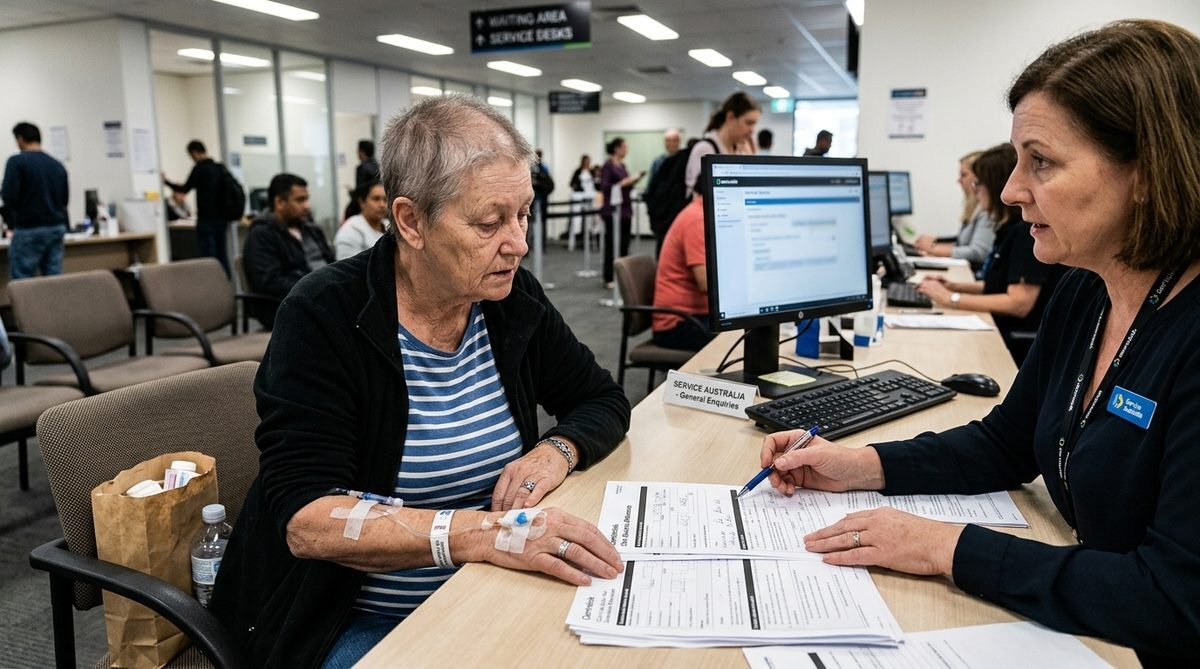
What Is Typically Not Covered Under Health Insurance? A Plain-English Guide

Most people find out what their health insurance doesn't cover at the worst possible moment. They're sitting in a waiting room, or they've just received a bill, and suddenly the policy they thought protected them has a gap right where they needed it most.
This guide covers the most common exclusions in plain terms, so you can plan ahead rather than find out the hard way.
Why Health Insurance Has Exclusions at All
Health insurance is priced around risk. Insurers calculate what a pool of people is likely to need, then set premiums accordingly. If every possible treatment were included, premiums would be unaffordable for most people. talking to a health insurance specialist
So policies draw lines. And those lines are worth knowing before you need to cross one.
In Australia, the Private Health Insurance Act 2007 sets the rules around what private health insurance must cover and what it can exclude. But individual funds have significant room to shape what their policies actually pay for. Two policies at similar price points can have very different gaps.
Dental Treatment
This is the exclusion that catches the most people off guard. General dental, checkups, fillings, and cleans, is not covered by Medicare at all. Private health hospital cover doesn't cover routine dental either. You need a separate extras policy, and even then, annual limits apply.
One of my clients had top-tier hospital cover and assumed her family was protected. When her teenage son needed orthodontic work, she was looking at a several-thousand-dollar out-of-pocket expense. Her hospital cover was irrelevant. She needed extras cover with an orthodontic benefit, which she didn't have.
Major dental work like crowns, root canals, and orthodontics sits under extras policies, and most policies cap the annual benefit well below the actual cost of treatment. If your family has significant dental needs, map out this gap before it arrives.
Cosmetic and Elective Surgery
Cosmetic surgery is almost universally excluded from private health insurance. Procedures done purely for appearance rather than medical necessity, rhinoplasty, facelifts, breast augmentation for cosmetic reasons, liposuction, sit outside what any standard policy will pay for.
The line between cosmetic and reconstructive can get complicated. A breast reconstruction after a mastectomy is generally covered. Breast augmentation without a clinical reason is not. Surgeons can sometimes argue medical necessity for procedures that might otherwise look elective, but that's a conversation to have with your fund before booking anything.
Elective surgery doesn't mean unnecessary. It means non-urgent, procedures that are planned rather than emergency. Most elective procedures are covered by private hospital insurance if they're medically necessary, but your policy may include waiting periods of up to 12 months for certain categories.
If you take out cover and then try to claim on a pre-existing condition or a planned procedure within that waiting period, you will not be covered.
Alternative Medicine and Natural Therapies
Since 2019, the Australian government removed several natural therapies from the list of treatments that private health funds can claim government rebates on. Most funds dropped cover for aromatherapy, homeopathy, naturopathy, reflexology, and iridology.
Some extras policies still cover osteopathy, remedial massage, and acupuncture, but coverage varies significantly between funds. If these treatments are part of your regular health routine, check specifically before assuming your policy pays for them.
I know this because a client who managed chronic pain with regular acupuncture switched funds to save money on premiums, only to discover her new policy had dropped acupuncture from its extras cover entirely. She was paying less per month but spending significantly more out of pocket each year.
Prescription Medications
Private health insurance in Australia does not cover most prescription drugs. That's what the Pharmaceutical Benefits Scheme handles. The PBS subsidises a large list of medications, and your private health fund is largely separate from this system.
Where private health insurance does interact with medication is during a hospital stay. If you're admitted as a private patient and your treatment requires drugs on the hospital's approved list, those are usually covered.
But medications prescribed for ongoing use outside hospital, maintenance medications for chronic conditions, drugs that sit outside the PBS, these fall on you. Some high-cost medications, particularly newer drugs that haven't yet made it onto the PBS, can cost thousands of dollars per month. This is a genuine gap in the Australian system.
Pre-existing Conditions and Waiting Periods
If you already have a condition when you take out health insurance, your fund may apply a waiting period before they cover treatment related to it. For most hospital cover, the maximum waiting period for Pre-existing conditionss is 12 months. For psychiatric care, rehabilitation, and palliative care, it can be up to two months for some benefits.
The definition of pre-existing condition matters here. It's not just what a doctor has diagnosed. It includes conditions where symptoms existed and a reasonable person would have sought medical advice, even if no formal diagnosis had been made. Funds have the right to investigate this when you make a claim, particularly for significant procedures.
This catches people who let their cover lapse during a healthy period and then try to pick it back up when something changes. Reinstating cover is not the same as continuing it. If you've been uninsured for more than 13 weeks, waiting periods can reset.
What Conditions Are Not Covered by Health Insurance?
Beyond waiting periods, some conditions and treatment categories are excluded by specific policies through what are called restricted or excluded services. These are legal exclusions that funds can apply, and they vary between policies.
Common excluded categories include joint replacements, cardiac procedures, pregnancy and birth, assisted reproductive technology including IVF, weight loss surgery, sleep studies, and psychiatric care. Budget hospital policies often exclude many of these.
If any of them are relevant to your health situation or life plans, read the product disclosure statement of any policy you're considering. Don't just check the marketing page.
IVF is a particularly common gap discovery. Couples who assume their hospital cover extends to fertility treatment often find it's excluded entirely or restricted to a much lower benefit than the actual cost. The out-of-pocket costs for IVF in Australia run into tens of thousands of dollars, and a basic or mid-tier policy will typically pay nothing toward them.
Mental Health Treatment
This is improving but remains an area where gaps persist. Medicare covers a number of psychology sessions per year under a mental health care plan, but access to inpatient psychiatric care, residential treatment programs, and intensive outpatient programs depends on your private cover.
Many basic and mid-level hospital policies either exclude psychiatric care entirely or restrict it significantly. Given that mental health conditions are among the most common reasons Australians seek medical treatment, this is a gap worth checking explicitly.
When I look at what people are most blindsided by, psychiatric exclusions come up repeatedly. Someone in crisis, or supporting a family member in crisis, discovers mid-situation that their policy doesn't cover a private psychiatric admission. At that point, the options narrow fast.
Overseas Treatment
Australian private health insurance covers treatment in Australia. If you travel overseas and need medical care, your health fund will not pay for it. That's what travel insurance is for, and it's a different product entirely.
Some people assume their comprehensive private health cover travels with them. It doesn't. You need both if you're travelling internationally.
What Expenses Are Not Covered by a Health Insurance Policy?
Even for treatments that are covered, there are costs that policies routinely don't pay in full. The gap payment, the difference between what your fund pays and what your doctor charges, is one of the most common. Some specialists charge significantly above the Medicare Benefits Schedule fee, and your fund is not obligated to cover that difference.
Hospital accommodation excesses are another. Most policies have an excess you pay per admission or per year before the fund starts contributing. Pharmaceutical costs during a hospital stay can also generate out-of-pocket costs if the medication you need isn't on the hospital's formulary.
Ambulance cover is worth its own mention. In Queensland and Tasmania, ambulance is covered by the state government. Everywhere else, if you need an ambulance and you don't have cover, you're paying for it personally. Some health funds include ambulance, others don't. It can also be purchased as a standalone product through ambulance services directly.
Dietary Supplements and Non-Prescribed Products
Vitamins, supplements, and over-the-counter health products are not covered by private health insurance in Australia. Even products that a practitioner recommends, protein powders, herbal supplements, probiotics, sit firmly in the gap between health care and health insurance.
Some extras policies include a general health benefit that can be applied loosely, but the benefit amounts are typically small and the eligible products are defined narrowly. If you're spending significant money on supplements as part of managing a health condition, that cost is almost certainly yours to carry.
What Isn't Covered by Private Health Insurance That Surprises People Most
In my experience, the three things that generate the most genuine surprise are: dental costs for families with children in orthodontic treatment, IVF exclusions for couples who assumed their hospital cover was comprehensive, and gap payments from specialists who charge well above schedule fees.
The dental one is fixable by adding a well-structured extras policy before you need it. The IVF gap requires checking your product disclosure statement specifically for assisted reproductive technology. The specialist gap is addressable by asking your specialist directly before any procedure whether they participate in a no-gap or known-gap scheme with your fund.
All three are avoidable. They just require a conversation before the bill arrives rather than after.
FAQ
Does Medicare cover what private health insurance doesn't?
Medicare and private health insurance cover different things and overlap on others. Medicare covers most GP visits and contributes to specialist and hospital costs. Private insurance covers the private hospital gap, extras like dental and physio, and gives you more choice in care.
They don't automatically fill each other's gaps. Dental, for example, is not covered by either unless you have extras cover.
Can health insurance refuse to cover a pre-existing condition permanently?
In Australia, health funds cannot permanently exclude a pre-existing condition. They can apply waiting periods of up to 12 months for hospital treatment related to a condition that existed when you joined. After that period, the condition must be covered like any other.
Is psychology covered by private health insurance?
Some psychology sessions are covered under Medicare through a mental health care plan. Private health insurance extras policies may also provide a benefit per session.
Whether inpatient or intensive psychiatric treatment is covered depends on your specific hospital policy and whether it includes psychiatric services.
Does private health cover ambulance costs?
It depends on your state and your policy. Queensland and Tasmania residents are covered by their state government. Everywhere else, you need either a private health policy that includes ambulance or a separate ambulance subscription to avoid paying out of pocket.
What's the difference between excluded and restricted services?
An excluded service is one your policy pays nothing toward. A restricted service is one your policy contributes to at the minimum benefit set by law, which is often much lower than the actual cost of treatment.
Both categories can leave you with significant out-of-pocket costs. The difference matters most when you're comparing policies.
What to Do Next
Pull out your current policy's product disclosure statement and look specifically at the excluded services list and the restricted services list. If you're planning for dental treatment, IVF, mental health care, or surgery of any kind, confirm before you need it whether your cover applies and what your likely out-of-pocket costs will be.
If you don't have a policy or you're unsure whether your current one fits your situation, talking to a health insurance specialist is the fastest way to close a gap before it costs you.
Explore related health and wellbeing guides
This article is part of PTNA's consumer health and wellbeing library. Browse the Health & Wellbeing Resources hub to find related guides by topic, including Australian health cover, Medicare, prostate health, mental health, disability support and life insurance.
How Much Does It Cost to Have Your Prostate Removed Privately in Melbourne?
Read article →
Is It Worth Having Your Prostate Removed in Melbourne?
Read article →
Can You Get Anything Free if You Have Cancer in Melbourne?
Read article →
What Are the Negatives of Removing Your Prostate in Melbourne?
Read article →
Is Prostate Cancer Classed as a Disability in Melbourne?
Read article →