What Is the Prostate Pathway and How Does It Work?

The prostate pathway is the clinical sequence a man follows from initial concern or screening through to diagnosis, treatment, and ongoing monitoring. It covers every step: the first PSA test, imaging, biopsy if needed, staging, and then the treatment decision. Understanding it means you know what to expect and why each step happens in the order it does.
In Australia, this pathway is guided by evidence-based protocols developed by bodies like the Urological Society of Australia and New Zealand. The goal is to avoid both under-treatment of aggressive disease and over-treatment of slow-growing cancers that may never cause harm.
How Does the Prostate Pathway Begin?
Most men enter the pathway through a PSA (prostate-specific antigen) blood test, often requested by a GP during a routine check. PSA is a protein produced by prostate cells. Elevated levels can indicate cancer, but also benign prostatic hyperplasia (BPH) or prostatitis. A single elevated result does not mean cancer.
If PSA is raised, the next step is usually a repeat test, a digital rectal examination, and a referral to a urologist. From there, the pathway branches depending on what the urologist finds.
What most articles miss here is that the pathway is not linear for everyone. Some men are placed on active surveillance immediately after a low-risk diagnosis. Others move quickly to treatment. The pathway adapts to the individual, which is why understanding the logic behind each step matters more than memorising the sequence.
What Are the 5 Warning Signs of Prostate Problems?
These five signs are worth knowing because they often appear before a diagnosis is made.
- Frequent urination, especially at night
- Weak or interrupted urine flow
- Burning or pain during urination
- Blood in urine or semen
- Persistent pain in the lower back, hips, or pelvis
None of these signs confirm cancer on their own. BPH and prostatitis produce many of the same symptoms. What they signal is that something has changed and a GP visit is warranted. In my experience, men who act on these signs early tend to have more treatment options available to them.
Which Prostate Zone Has the Most Cancers?
The prostate has three main zones: the peripheral zone, the central zone, and the transition zone. Around 70 to 80 percent of prostate cancers originate in the peripheral zone, which sits at the back of the gland closest to the rectum. This is why a digital rectal examination can sometimes detect abnormalities directly.
The transition zone, which surrounds the urethra, is where BPH typically develops. Transition zone cancers do occur but are less common and tend to be detected incidentally during procedures for urinary symptoms. Central zone cancers are rare, making up roughly 1 to 5 percent of cases.
This zonal anatomy matters for imaging. Multiparametric MRI (mpMRI) is now a standard part of the Australian prostate pathway before biopsy in many cases, and it maps lesions to specific zones to guide where biopsy samples are taken.
What Happens During Diagnosis?
If PSA and clinical findings suggest further investigation, an mpMRI is typically ordered. This gives the urologist a detailed picture of the gland before any tissue is taken. If the MRI identifies a suspicious lesion, a targeted biopsy is performed, often combined with a systematic biopsy to sample the wider gland.
Biopsy results are graded using the Gleason score, now reported as a Grade Group from 1 to 5. Grade Group 1 represents the least aggressive disease. Grade Group 5 is the most aggressive. This grading, combined with PSA level and clinical staging, determines what happens next on the pathway.
What I found when looking at how this is communicated to patients is that the Grade Group system is frequently misunderstood. A Grade Group 1 result does not mean the cancer is harmless, but it does mean active surveillance is often the appropriate response rather than immediate treatment.
What Treatment Options Does the Pathway Lead To?
Treatment decisions depend on the risk category assigned after diagnosis. Low-risk disease is typically managed with active surveillance, which involves regular PSA tests, repeat MRI, and periodic biopsy to check for progression. No treatment is given unless the cancer shows signs of becoming more aggressive.
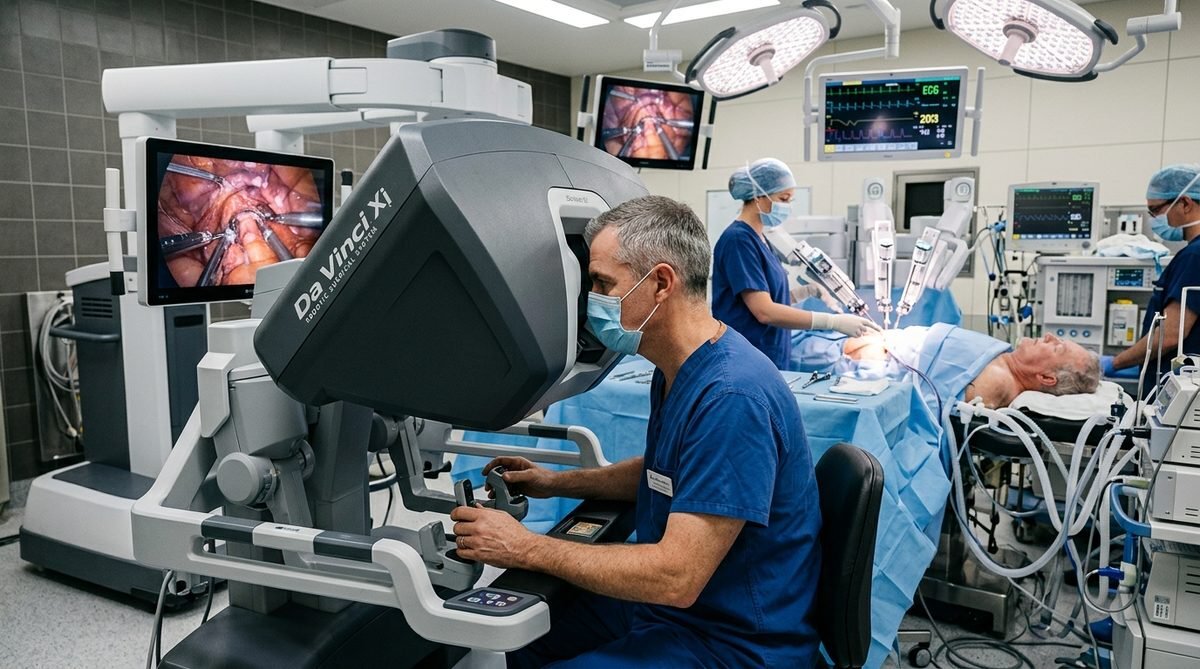
Intermediate and high-risk disease usually leads to one of two primary treatments: radical prostatectomy (surgical removal of the prostate) or radiation therapy, which may be combined with hormone therapy. Both are considered curative options for localised disease. The choice depends on the man's age, overall health, tumour characteristics, and personal preference.
Hormone therapy alone, or in combination with other treatments, is used for locally advanced or metastatic disease. Newer systemic therapies including enzalutamide and abiraterone have changed outcomes significantly for men with advanced prostate cancer over the past decade.
Does Having Your Prostate Removed Stop You From Ejaculating?
Yes. After a radical prostatectomy, ejaculation stops entirely. The prostate and seminal vesicles are removed during the procedure, and the vas deferens is divided. There is no fluid produced during orgasm. This is called dry orgasm or anejaculation.
Orgasm itself is still possible for most men after surgery, because orgasm is a neurological event separate from ejaculation. However, the sensation can feel different, and some men find it less intense, at least initially.
Fertility is also affected. Sperm banking before surgery is an option for men who want to preserve the possibility of biological fatherhood. This is a conversation worth having with the treating team before any treatment decision is finalised, not after.
Erectile function is a separate issue. Nerve-sparing surgery aims to preserve the nerves responsible for erections, but outcomes vary depending on age, pre-operative function, and surgical technique. Penile rehabilitation programs are often recommended post-surgery to support recovery.
Is Ejaculating Every Day Good for Your Prostate?
The evidence here is genuinely interesting and often misrepresented. A large study published in European Urology followed nearly 32,000 men over 18 years and found that men who ejaculated 21 or more times per month had a significantly lower risk of prostate cancer compared to those who ejaculated 4 to 7 times per month. The association held across age groups.
The proposed mechanism is that frequent ejaculation may flush out carcinogens that concentrate in prostatic fluid, or reduce the crystalloid deposits that have been linked to cancer development. Neither mechanism is proven, but the epidemiological association is consistent across multiple studies.
Does this mean ejaculating every day is protective? Directionally, yes, the evidence supports frequent ejaculation as associated with lower prostate cancer risk. Whether daily specifically is the threshold that matters is less clear. What the research does not support is the idea that ejaculation frequency is irrelevant to prostate health. It appears to matter.
What Is Active Surveillance and Who Is It For?
Active surveillance is a structured monitoring program for men with low-risk or very low-risk prostate cancer. It is a deliberate choice to watch the cancer closely rather than treat it immediately. The rationale is that many low-grade prostate cancers grow so slowly they will never cause symptoms or shorten a man's life, and treatment carries real side effects that are worth avoiding if the cancer does not require it. active surveillance
The protocol typically involves PSA testing every three to six months, annual MRI, and repeat biopsy every one to three years. If the cancer progresses, treatment is initiated. Studies show that the majority of men on active surveillance do not require treatment within five years, and those who do transition to treatment generally achieve the same outcomes as men who were treated immediately.
This is one of the areas where the prostate pathway in Australia has evolved most significantly in the past decade. Over-treatment of low-risk disease was a genuine problem when PSA screening first became widespread. Active surveillance has corrected that without compromising survival outcomes.
How Does the Pathway Handle Recurrence?
After primary treatment, PSA monitoring continues. A rising PSA after surgery or radiation is called biochemical recurrence and is the first sign that cancer may have returned or persisted. It does not automatically mean the cancer has spread.
Salvage radiation therapy is an option after surgery if recurrence is detected early. Salvage surgery after radiation is technically more complex but possible in selected cases. Hormone therapy is often added when recurrence is confirmed, particularly if PSA is rising quickly or the original cancer was high-grade.
Imaging with PSMA PET-CT, now widely available in Australia, has changed how recurrence is managed. It can detect disease at PSA levels as low as 0.2 ng/mL, allowing earlier and more targeted intervention than was possible with conventional imaging.
Frequently Asked Questions
What does PSA stand for and what level is concerning?
PSA stands for prostate-specific antigen. There is no single threshold that defines concern. A PSA above 4 ng/mL is often used as a referral trigger, but age-adjusted ranges are more accurate. A PSA of 3.5 in a 45-year-old warrants more attention than the same level in a 75-year-old. Rate of rise over time, called PSA velocity, is often more informative than a single reading.
Can prostate cancer be prevented?
There is no proven prevention strategy, but several factors are associated with lower risk. These include maintaining a healthy weight, regular physical activity, and a diet low in processed meat and high in vegetables. Frequent ejaculation, as discussed above, also appears to be associated with reduced risk based on current evidence.
At what age should men start PSA testing?
Current Australian guidelines suggest discussing PSA testing with a GP from age 50 for average-risk men, and from age 40 to 45 for men with a family history of prostate cancer or those of African ancestry, who carry higher risk. The decision to test should be informed, meaning the man understands what a positive result leads to before the test is taken.
Is the prostate pathway the same for all men?
The framework is consistent, but the path each man takes through it varies. Risk category, age, comorbidities, and personal values all shape which branches of the pathway apply. A 55-year-old with Grade Group 2 disease and no other health issues faces a different set of decisions than a 75-year-old with the same diagnosis and significant cardiovascular disease.
What is PSMA PET-CT and when is it used?
PSMA PET-CT is an advanced imaging scan that targets a protein expressed on prostate cancer cells. It is used primarily for staging high-risk disease before treatment and for detecting recurrence after treatment. Australia has been at the forefront of adopting this technology, and it is now Medicare-rebatable for eligible patients in specific clinical scenarios.
One Actionable Step
If you are over 50 and have not had a PSA test in the past two years, book a GP appointment this week and ask for one. Early detection through the prostate pathway gives you the most options. Waiting until symptoms appear narrows them.
Explore related health and wellbeing guides
This article is part of PTNA's consumer health and wellbeing library. Browse the Health & Wellbeing Resources hub to find related guides by topic, including Australian health cover, Medicare, prostate health, mental health, disability support and life insurance.
How Much Does It Cost to Have Your Prostate Removed Privately in Melbourne?
Read article →
Is It Worth Having Your Prostate Removed in Melbourne?
Read article →
Can You Get Anything Free if You Have Cancer in Melbourne?
Read article →
What Are the Negatives of Removing Your Prostate in Melbourne?
Read article →
Is Prostate Cancer Classed as a Disability in Melbourne?
Read article →