What Is Not Covered by Private Health Insurance (And What To Do About It)

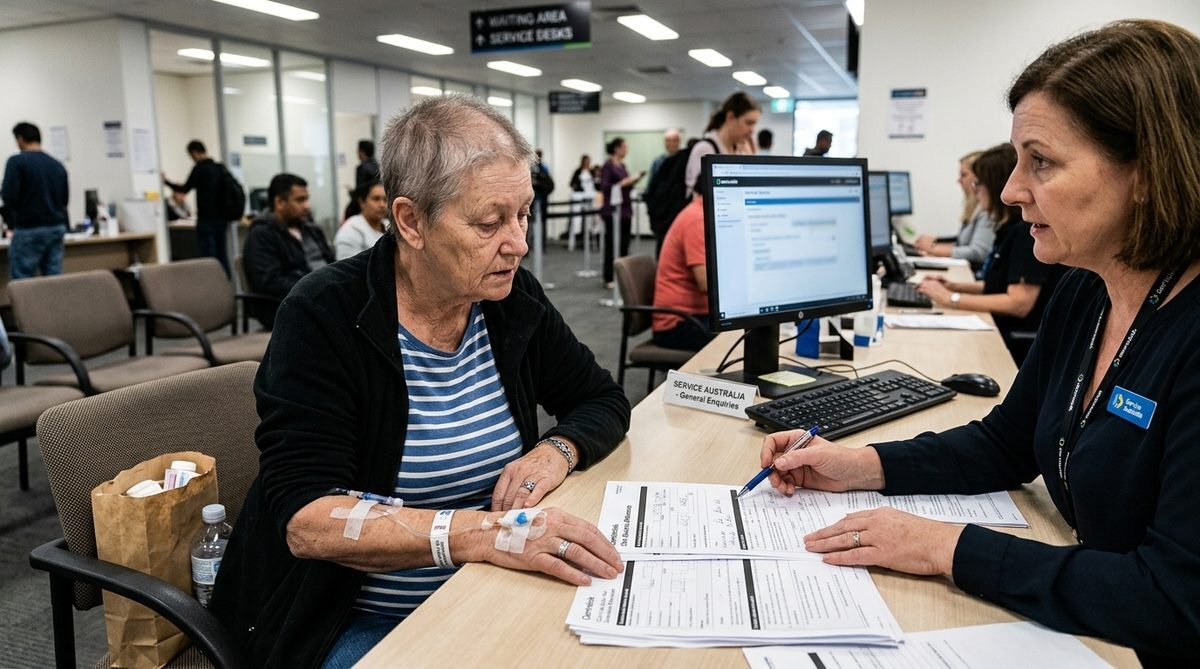
Most people find out what their policy doesn't cover at the worst possible time: when they're already sick, already stressed, and staring at a bill they didn't expect.
Private health insurance has real gaps. Some obvious. A lot aren't. And the way policies are written makes it easy to assume you're covered when you're not.
This article breaks down what typically falls outside private health insurance, why those exclusions exist, and what you can actually do to protect yourself before you need to make a claim.
Why Do Private Health Insurers Exclude Anything?
Insurers price risk. When a condition is expensive to treat, hard to predict, or considered preventable, it often gets excluded or heavily limited. That's the business logic.
The result is a system where you can pay premiums for years, genuinely believe you're covered, and then discover your policy has a clause that makes your specific situation ineligible. It happens constantly.
One of my clients learned this after a hospitalisation for acute pancreatitis. She had hospital cover and assumed treatment was included. What she didn't know was that her policy had a gastrointestinal exclusion she'd agreed to at sign-up in exchange for a lower premium.
The insurer paid nothing. She was left with a bill just under $9,000.
That's not a rare story. It's a common one.
What Is Typically Not Covered Under Health Insurance?
The following are the most common exclusions across private health insurance policies in Australia. Your specific policy may differ, so always read the product disclosure statement before you assume.
Dental treatment
General dental, including check-ups, fillings, and extractions, is not covered under hospital cover at all. You need a separate extras policy for that.
Even then, most extras policies cap annual dental benefits at a level that doesn't come close to covering major work like crowns, bridges, or orthodontics. Major dental is frequently sub-limited or excluded entirely from budget extras policies.
When I tried to claim for a root canal and crown, my extras paid $280 of a $2,400 procedure. The annual limit had already been partly used by two standard check-ups earlier that year.
Cosmetic and elective procedures
Any procedure that is considered cosmetic is excluded. This includes rhinoplasty, facelifts, liposuction, and breast augmentation when there is no clinical need. The line between cosmetic and reconstructive gets blurry, and insurers will often err on the side of exclusion unless your specialist documents a clear medical necessity.
Some weight loss procedures, including certain bariatric surgeries, fall into a similar grey zone. Cover depends on the insurer, the policy tier, and whether obesity-related health issues are documented.
Experimental and unapproved treatments
If a treatment hasn't received approval through the relevant regulatory and clinical pathways, private insurers won't pay for it. This includes some newer cancer therapies, certain biologics, and treatments used off-label.
This is where people with serious diagnoses sometimes get caught. A specialist recommends a treatment that is genuinely the best clinical option, but because it's still in trial phases or not yet listed on the Medicare Benefits Schedule, it sits outside what the insurer will fund.
Assisted reproductive technology and fertility treatments
IVF and other assisted reproductive technologies are excluded from most base-level hospital policies. Some higher-tier policies include them, but there are typically waiting periods of 12 months before you can claim.
Fertility preservation, egg freezing, and some hormone treatments are also commonly excluded or only partially covered. This catches a lot of people in their thirties who take out a policy thinking they're covered for everything, then start a family later and discover IVF is either excluded or has a waiting period they haven't yet served.
Mental health services with limitations
This one is complicated. Hospital cover generally includes psychiatric admissions, but the number of covered days per year is often capped. Community mental health services, outpatient psychology, and ongoing therapy are handled through Medicare and extras cover, not hospital cover.
Drug rehabilitation and residential treatment programs are frequently excluded or heavily limited. Someone needing 90 days of inpatient rehab may find their policy covers 28 days at best. The rest comes out of pocket or through public services.
In my experience, this is the area where the gap between what people expect and what actually exists is widest. Mental health care costs are significant, the need is often urgent, and the policy limits are consistently lower than what treatment actually requires.
Ambulance cover
Hospital and extras policies in most states do not automatically include ambulance cover. Queensland and Tasmania fund ambulance differently, but in other states you need a separate ambulance subscription or specific ambulance cover added to your policy.
A single ambulance call-out without cover can cost $1,000 or more.
Naturopathy and alternative therapies
Naturopathy, homeopathy, and many complementary medicines were removed from the list of recognised extras services in 2019 following a government review. If your extras policy still lists them, check the fine print. Most mainstream insurers no longer pay benefits for these services.
Some remedial massage, acupuncture, and chiropractic services are still covered under certain extras policies, but the annual caps tend to be low.
Pre-existing conditions during waiting periods
This is one of the biggest sources of disputes. If you take out a policy and have a pre-existing condition, most insurers apply a 12-month waiting period before they'll pay for hospital treatment related to that condition. For some conditions like obstetrics, it's 12 months from sign-up regardless. For psychiatric care, it can also be 12 months.
The problem is that "pre-existing" is defined broadly. An insurer can argue that a condition existed even if you hadn't been diagnosed yet, if a reasonable person would have sought treatment for it before taking out the policy.
Is Pancreatitis Covered by Private Health Insurance?
It depends on your policy, but pancreatitis frequently falls into exclusion territory. Many budget hospital policies exclude gastrointestinal conditions as part of their lower-tier product. If you agreed to that exclusion to get a cheaper premium, treatment for pancreatitis, including hospitalisation and any related procedures, won't be covered.
On gold-tier and comprehensive hospital policies, pancreatitis is generally covered because those policies must meet government-mandated inclusion requirements. The critical thing is to check whether your policy is bronze, silver, or gold, and to read the clinical category list, not just the headline coverage description.
Is Psoriasis Covered Under Health Insurance?
Psoriasis treatment through a GP or dermatologist outpatient visit is handled via Medicare, not private hospital cover. The Medicare rebate applies to specialist consultations, so private insurance doesn't come into it for standard appointments.
Where private cover becomes relevant is if psoriasis is severe enough to require hospitalisation, or if biologic treatments are prescribed. Some biologics for moderate-to-severe psoriasis are listed on the Pharmaceutical Benefits Scheme, which reduces the cost significantly. Others aren't, and those can cost thousands per treatment cycle without subsidy.
Light therapy and phototherapy sessions are sometimes claimable through extras, but the annual limits on most policies are low enough that they don't cover a full treatment course.
What Are the Disadvantages of Private Health Insurance?
The obvious answer is cost. Premiums in Australia have risen faster than inflation for most of the past decade. A couple on a comprehensive policy can easily spend $4,000 to $6,000 per year before they claim a single dollar.
But the less obvious disadvantages matter too.
The gap payment problem is real. Even with private hospital cover, you often pay the difference between what your insurer pays and what your specialist charges. These "gaps" can be hundreds or thousands of dollars per procedure, and most people have no idea until the bill arrives.
Policy complexity is another disadvantage. Policies are deliberately hard to compare. Different clinical category inclusions, different excess levels, different waiting periods, different annual limits on extras. Most people can't accurately assess whether their policy matches their actual health needs.
There's also the issue of benefit erosion over time. As you get older and your premium increases, it becomes tempting to downgrade your cover. But downgrading usually means adding exclusions, and those exclusions are the things you're more likely to need as you age.
One of my clients downgraded from gold to silver hospital cover to save $80 a month. Six months later he needed a hip replacement. The procedure was excluded from his new policy. He either had to pay privately, go public, or wait 12 months to upgrade and re-serve a waiting period.
None of those were good options.
The Preventive Care Problem
Most articles on this topic miss this entirely.
Private health insurance is structured to pay for treatment, not prevention. Routine health checks, screening tests outside of specific Medicare-funded programs, lifestyle medicine, and early intervention services are largely outside what private cover funds.
The irony is real. The interventions most likely to keep you out of hospital, including regular health monitoring, early detection, and proactive management of chronic conditions, are the ones the system is least likely to pay for.
Preventive healthcare done well reduces lifetime health costs significantly. But because the benefit of prevention shows up years later, and because you might switch insurers in the meantime, no single insurer has much financial incentive to fund it generously.
If you want genuine preventive care support, the most practical approach is to find an extras policy that covers allied health broadly, use it consistently, and treat your annual limits as a use-it-or-lose-it budget.
Transgender Health Care and Coverage Gaps
Gender-affirming care sits in a complicated coverage position. Some procedures are covered under hospital policies where there's a clinical need documented. Others, particularly those classified as cosmetic even when they're clinically appropriate for a patient's care, are excluded.
Hormone therapy prescribed by a GP or specialist is processed through the PBS and Medicare. But surgical procedures vary significantly in how they're classified, and not all insurers apply the same rules. This is an area where getting written confirmation from your insurer before any procedure is essential.
What the Affordable Care Act Changed (For US Readers)
If you're reading this from the United States, the framework is different. The Affordable Care Act mandated that most private health plans cover ten categories of essential health benefits, including preventive services, mental health, maternity care, and prescription drugs.
But even under the ACA, exclusions exist. Cosmetic procedures, long-term care, most dental and vision care for adults, and experimental treatments remain outside standard coverage. Short-term health plans, which are exempt from ACA requirements, can exclude far more.
The core principle is the same regardless of country: private insurance covers what it has agreed to cover, and the burden is on you to know the difference before you need it.
How To Actually Protect Yourself
Read your product disclosure statement before you sign, not after. It's not a quick read, but the clinical category list tells you exactly what's in and what's out.
Before any planned procedure, call your insurer and get written confirmation of what they'll pay. Ask specifically about gap cover and whether your surgeon is a participating provider.
If you're managing a chronic condition, check whether your policy has an applicable exclusion before you downgrade or switch. Switching insurers re-starts waiting periods for pre-existing conditions in some cases.
If cost is the driver behind choosing a lower-tier policy, be explicit with yourself about what you're giving up. A policy that costs less because it excludes gastrointestinal, joint replacement, and cardiac procedures is a very different product from one that includes them.
And if you're genuinely unsure whether your cover is right for your situation, a health insurance comparison service or broker can help you map your actual needs against what's available. The team at PTNA works through exactly this kind of assessment with people who want to make sure their cover matches their real life, not just the marketing summary on the policy brochure. PTNA works through exactly this kind of assessment
Frequently Asked Questions
Does private health insurance cover GP visits?
No. GP visits are covered through Medicare. Private hospital cover pays for in-hospital treatment. Some extras policies include a small rebate for specific out-of-hospital services, but routine GP consultations are not among them.
Are prescription medications covered by private health insurance?
In Australia, most prescription medications are subsidised through the Pharmaceutical Benefits Scheme, not private insurance. Some extras policies offer limited pharmacy benefits, but these are typically small rebates on a narrow list of products.
Can insurers refuse to cover a pre-existing condition?
In Australia, insurers cannot permanently refuse to cover a pre-existing condition. They can apply a waiting period, usually 12 months for hospital cover. After that, the condition is treated the same as any other covered illness under your policy.
Is mental health always covered under private hospital insurance?
Psychiatric hospitalisation is covered under most hospital policies, but there are usually annual day limits. Outpatient psychology and community mental health services are not covered by hospital insurance. They're accessed through Medicare or extras policies with psychology benefits.
Does private health cover ambulance?
Not automatically. Ambulance cover is either a separate subscription, an add-on to your policy, or funded differently depending on your state. Always check this separately rather than assuming your hospital policy includes it.
The single most useful thing you can do right now is pull out your current policy, find the clinical category list, and check it against your actual health history and family risk profile. If there's a gap, you have options.
If you wait until you're in hospital to find out, you don't.
Explore related health and wellbeing guides
This article is part of PTNA's consumer health and wellbeing library. Browse the Health & Wellbeing Resources hub to find related guides by topic, including Australian health cover, Medicare, prostate health, mental health, disability support and life insurance.

How Much Does It Cost to Have Your Prostate Removed Privately in Melbourne?
Read article →
Is It Worth Having Your Prostate Removed in Melbourne?
Read article →
Can You Get Anything Free if You Have Cancer in Melbourne?
Read article →
What Are the Negatives of Removing Your Prostate in Melbourne?
Read article →
Is Prostate Cancer Classed as a Disability in Melbourne?
Read article →