16 Jul 2026
What Food Do I Stay Away From for a Gleason 5+4 Prostate Cancer?
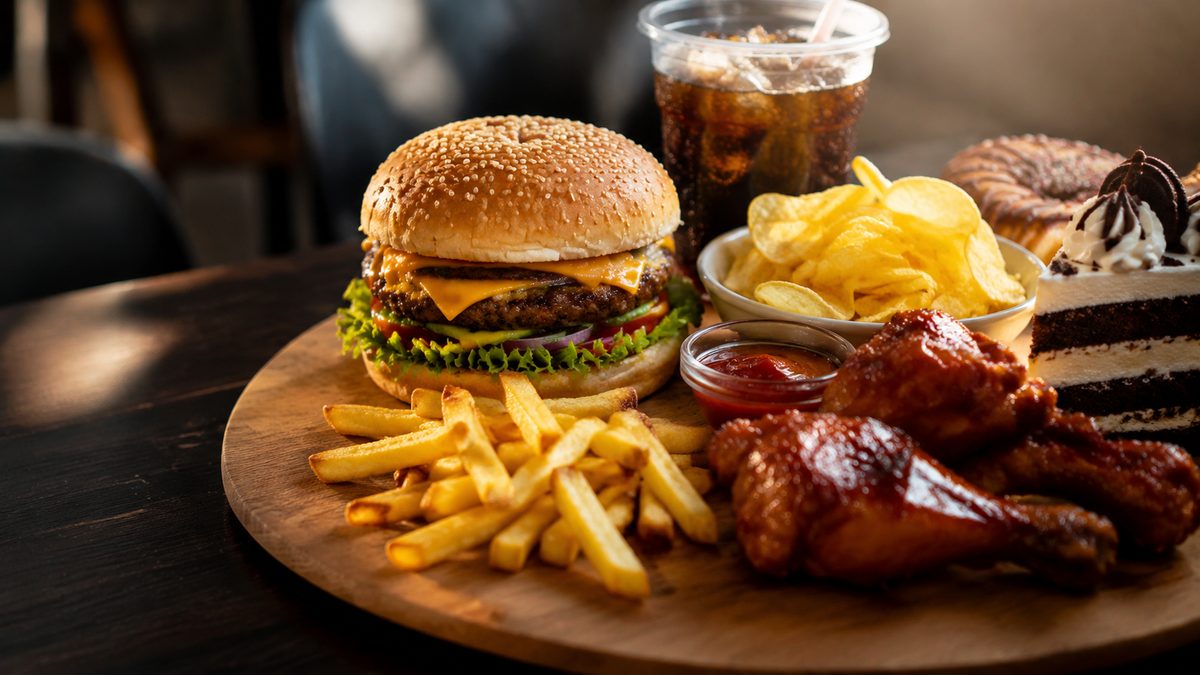
# What Food Do I Stay Away From for a Gleason 5+4 Prostate Cancer? A Gleason 5+4 diagnosis lands differently than most health news. It is a high-grade finding, and for many men, the first instinct after leaving the oncologist's office is to ask what they can actually do. Diet is usually the first place people look, and for good reason. What you eat cannot replace treatment, but the evidence is strong enough that nutrition deserves a serious conversation alongside whatever clinical plan your team puts together. This article covers the foods worth cutting back on or cutting out entirely, explains why they matter at this grade of disease, and touches on what the research says about eating patterns that may slow progression. ## What Does a Gleason Score of 5+4 Actually Mean? The Gleason grading system scores prostate cancer cells based on how abnormal they look under a microscope. A pathologist assigns a primary grade to the most dominant pattern of cells and a secondary grade to the next most common pattern. Those two numbers are added together to give the Gleason score. A score of 5+4 means the most prevalent cell pattern is grade 5, the most aggressive category, with grade 4 as the secondary pattern. The combined score of 9 places this in Grade Group 5, which is the highest tier under the current grading framework used in oncology. It signals fast-growing, poorly differentiated cells that are less likely to behave predictably. That context matters for diet because at this grade, the goal is less about prevention and more about not giving the cancer conditions it thrives in. Certain dietary patterns create a hormonal and inflammatory environment that research links to faster progression. Others appear to do the opposite. ## What's the Worst Food for Prostate Cancer? Processed red meat sits at the top of almost every evidence-based list. Bacon, sausage, hot dogs, deli meats, and charred or well-done red meat have consistently shown associations with worse prostate cancer outcomes in observational studies. The mechanism likely involves heterocyclic amines and polycyclic aromatic hydrocarbons, compounds that form when meat is cooked at high temperatures. These compounds have demonstrated carcinogenic activity in laboratory settings, and for a Gleason 9 cancer, there is no good reason to keep them on the plate regularly. Dairy products, particularly full-fat dairy, are worth examining seriously. Several large studies have found associations between high dairy intake and increased prostate cancer risk and progression. The proposed pathways include insulin-like growth factor 1 (IGF-1), which dairy consumption raises, and which has been shown to promote prostate cancer cell growth. Whole milk has drawn the most attention in this area, with some cohort data suggesting men with prostate cancer who consumed the most whole milk had significantly higher rates of disease progression and mortality compared to those who consumed little or none. Refined carbohydrates and added sugar feed into insulin signalling pathways that may encourage cancer cell proliferation. White bread, pastries, sweetened cereals, packaged snack foods, and anything built around refined flour spike blood glucose and drive insulin release. Over time, diets high in these foods are associated with higher IGF-1 levels and a more inflammatory metabolic environment. Saturated and trans fats follow a similar logic. Fried foods, commercially baked goods, and fatty cuts of meat promote systemic inflammation, and chronic inflammation is one of the conditions prostate cancer cells appear to exploit. For a high-grade tumour, keeping inflammation low is a reasonable goal that diet can genuinely support. ## What Are the Worst Drinks for Prostate Cancer? Alcohol is the most important one to address. Studies examining alcohol intake in men with prostate cancer suggest that heavy drinking is associated with more aggressive disease and worse survival outcomes. The evidence is not perfectly clean, but the biological rationale is sound. Alcohol promotes inflammation, disrupts hormone metabolism, and impairs the immune system's ability to identify and clear abnormal cells. For a Gleason 9 cancer, there is no safe or beneficial level of alcohol that research has identified. Sugary drinks, including sodas, fruit juices, energy drinks, and sweetened coffee drinks, contribute to the same insulin and IGF-1 signalling problems as refined carbohydrates. They deliver large amounts of fructose and glucose rapidly, with none of the fibre that slows absorption in whole food sources. Given that metabolic health appears relevant to prostate cancer outcomes, liquid sugar is worth removing from the daily routine. Full-fat milk warrants its own mention in this category as well. The whole milk finding is specific enough that switching to a plant-based alternative, or simply reducing dairy in liquid form, is an evidence-informed choice rather than a precautionary one without basis. ## What Foods Slow Down Prostate Cancer Growth? This is where the conversation shifts from restriction to action, and it is worth spending time here because the research is genuinely encouraging. Tomatoes, and specifically cooked tomatoes, are among the most studied foods in the context of prostate cancer. Lycopene, the carotenoid that gives tomatoes their red colour, is more bioavailable after cooking and has shown anti-tumour activity in prostate cancer research. Tomato paste, tomato sauce, and cooked whole tomatoes deliver lycopene in a form the body absorbs more readily than raw tomatoes alone. Cruciferous vegetables, including broccoli, cauliflower, Brussels sprouts, and cabbage, contain sulforaphane and other compounds that have demonstrated the ability to slow cancer cell growth and promote apoptosis in laboratory studies. Population data also supports higher vegetable intake as protective. These are foods worth eating in quantity. Fatty fish, including salmon, sardines, and mackerel, provide omega-3 fatty acids that counter the inflammatory pathways promoted by a Western diet. Some research suggests that men who eat more omega-3s have slower cancer progression, though the evidence here is observational rather than from randomised trials. Green tea contains polyphenols, particularly EGCG, that have shown activity against prostate cancer cells in multiple studies. Replacing some daily coffee or any sugary drink with green tea is a low-effort dietary shift with reasonable support behind it. Soy remains a subject of active research. Populations with high soy intake, particularly in East Asia, have historically had lower rates of aggressive prostate cancer. Isoflavones in soy appear to have some anti-androgenic properties, which is relevant because prostate cancer is androgen-driven. Whole soy foods like tofu, edamame, and tempeh are the forms most studied, as opposed to isolated soy protein powders. Flaxseed deserves mention too. Several small trials have found that supplementing with ground flaxseed reduced PSA doubling time and tumour proliferation markers in men with prostate cancer. It is easy to add to smoothies, oatmeal, or yoghurt and the evidence base, while not enormous, is encouraging enough to take seriously. ## The Bigger Dietary Pattern Matters More Than Any Single Food Oncology nutrition research increasingly points to overall dietary patterns rather than individual superfoods or villains. The Western diet pattern, characterised by high red meat, processed food, refined carbohydrates, and low vegetable intake, is consistently associated with worse prostate cancer outcomes across studies. The Mediterranean dietary pattern, built around vegetables, legumes, whole grains, olive oil, fish, and limited red meat, shows the opposite association. For someone with a Gleason 5+4 diagnosis who is also managing treatment side effects, this framing is useful because it removes the pressure of perfection around any single meal. The goal is a consistent pattern where vegetables dominate the plate, animal products are chosen carefully, processed food is the exception rather than the norm, and sugar is kept to a minimum. Body weight is also a relevant factor. Excess adipose tissue, particularly visceral fat, produces oestrogen and inflammatory cytokines that create a hormonal environment less favourable for controlling prostate cancer. A dietary pattern that supports a healthy weight is therefore doubly relevant for men managing this disease. ## A Note on Supplements Men diagnosed with prostate cancer are often drawn to supplements, and some of them have evidence behind them. Vitamin D deficiency has been linked to worse prostate cancer outcomes, and many Australian men with limited sun exposure or darker skin tones are deficient. Getting levels checked and correcting a deficiency is reasonable. However, high-dose supplements without clinical guidance can interfere with treatment, affect lab markers, or cause harm at doses that exceed the therapeutic window. The best place to have that conversation is with your oncologist or a dietitian with oncology experience, not a health food shop. This matters especially when you are on active treatment. ## Working With a Specialist Dietary change after a serious cancer diagnosis is most effective when it is tailored, monitored, and integrated with your clinical team's plan. A Gleason 5+4 cancer is typically managed aggressively, and whatever treatment pathway you are on, whether that involves radiation, hormone therapy, surgery, or a combination, a specialist who understands how nutrition intersects with those treatments will give you guidance that generic advice cannot match. If you are based in Australia and looking for support that connects oncology care with informed nutritional guidance, speaking with a team that understands the whole picture, not just the diagnosis in isolation, is where the real difference gets made. The foods to avoid are reasonably clear, and the research is consistent enough to act on. But the most important step is pairing those changes with the right clinical oversight, so that everything you do at the table supports what your medical team is doing in the clinic.
Related PTNA guides
Continue with PTNA guides on ejaculation and prostate-cancer risk and PSA testing for men aged 70, or browse the health and wellbeing resource library.
How Much Does It Cost to Have Your Prostate Removed Privately in Melbourne?
Read article →
Is It Worth Having Your Prostate Removed in Melbourne?
Read article →
Can You Get Anything Free if You Have Cancer in Melbourne?
Read article →
What Are the Negatives of Removing Your Prostate in Melbourne?
Read article →
Is Prostate Cancer Classed as a Disability in Melbourne?
Read article →