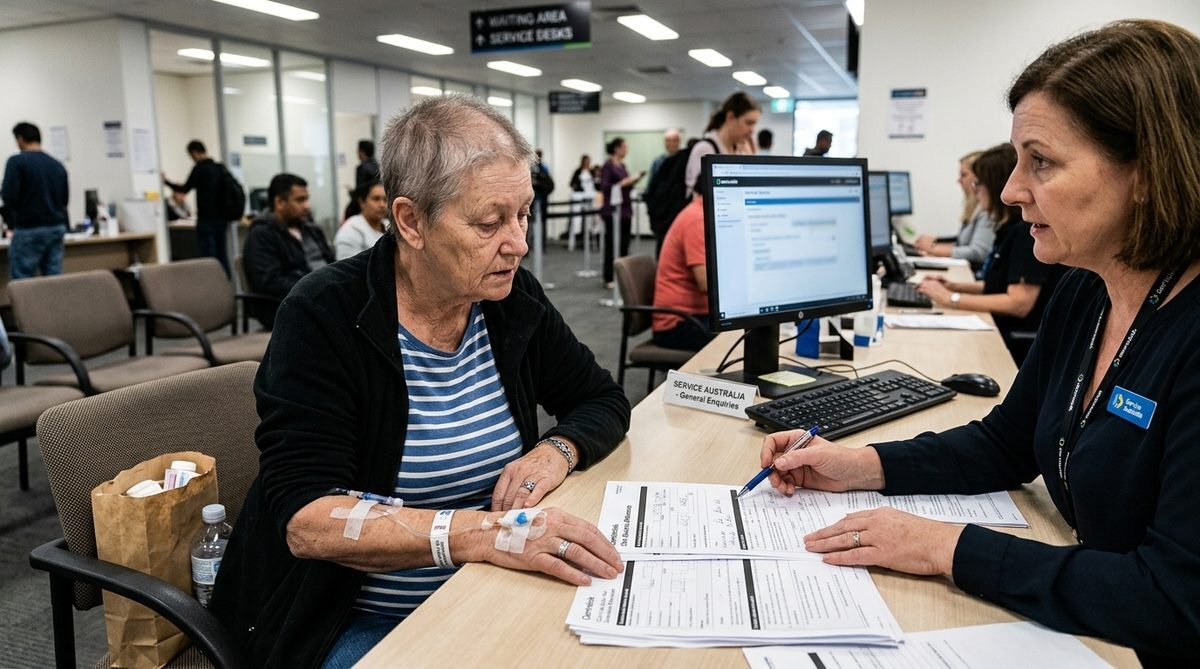
What Diseases Disqualify You From Life Insurance? A Plain-English Guide

Most people assume they'll be knocked back the moment they mention a health condition. That fear stops a lot of people from even applying. The reality is messier than that.
Understanding how insurers actually make decisions can save you a lot of wasted stress. Life insurance companies aren't trying to cover everyone at the same price. They're assessing financial risk.
Every application goes through a process called underwriting. Your health history, age, lifestyle, and medical records get weighed up. The insurer decides whether they'll cover you, what premium you'll pay, and what conditions apply. The outcome isn't always a flat refusal.
What conditions make you ineligible for life insurance?
There's no universal list of conditions that automatically disqualifies every applicant at every insurer. What one company declines, another may accept with a higher premium or exclusion. That said, certain diagnoses do trigger serious scrutiny and sometimes outright refusal.
Terminal illness is the clearest case. If you've been told you have less than 12 to 24 months to live, most standard policies won't be available. The financial risk is simply too immediate.
Active cancer is another category where cover becomes very difficult. The type of cancer, its stage, and how long you've been in remission all matter enormously. One of my clients was knocked back by two insurers after a breast cancer diagnosis, then approved by a third with a two-year waiting period and a cancer exclusion. It wasn't perfect cover, but it was something. The lesson: keep applying rather than stop at the first no.
Heart disease, particularly recent heart attacks or severe coronary artery disease, raises serious red flags. If the event was recent, most insurers will decline or postpone. Once you're further into recovery and have documented management, the picture changes.
organ failure requiring transplant, severe uncontrolled diabetes with documented complications, and advanced kidney disease all make standard cover unlikely. The pattern is always the same: it's not just the diagnosis but the severity and how well it's managed.
How does the underwriting process actually work?
When you apply, the insurer collects your medical history through a questionnaire. For higher sums insured or complex health histories, they may request a report from your GP or specialist. In some markets, insurers access the MIB Group database to check for inconsistencies in previous applications.
The underwriter then has several options. They can approve you at standard rates, approve you with a higher premium (you pay more because your risk is higher), approve you with an exclusion for a specific condition, postpone your application until a health event has resolved, or decline.
A decline isn't the end of the road. Different insurers use different guidelines. Some are more conservative. Some specialise in covering people with medical histories. Working with an adviser who knows which insurers take a flexible approach to specific conditions is genuinely worth the effort.
What are the 36 critical illnesses in life insurance?
This question usually comes up in the context of trauma insurance or critical illness cover, which is a separate product from standard life insurance. Many policies are built around a defined list of covered conditions, and 36 became an industry benchmark in some markets.
The core conditions on most critical illness lists include heart attack, stroke, cancer, coronary artery bypass surgery, kidney failure, major organ transplant, paralysis, blindness, and severe burns. From there, different insurers add conditions like multiple sclerosis, motor neurone disease, aortic surgery, cardiomyopathy, aplastic anaemia, and severe rheumatoid arthritis.
The number 36 isn't a regulation. It's a marketing convention. One insurer might list 36 conditions, another 40, another 28. What matters more than the number is how each condition is defined. Two policies can both list "heart attack" and pay out on very different clinical presentations. Always read the definitions, not just the count.
For life insurance specifically (a lump sum paid on death), a critical illness diagnosis doesn't automatically disqualify you. It complicates your application. An insurer writing life cover on someone with a history of stroke, for example, will load the premium or exclude death caused by another stroke. They're still covering you for other causes of death.
Does an ADHD diagnosis affect life insurance?
This surprises a lot of people. ADHD on its own generally isn't a reason to be declined. Insurers look at whether the condition is managed, whether there are any related mental health concerns, and whether your medication is stable.
Where ADHD starts to complicate an application is when it coexists with anxiety, depression, or a history of self-harm. Those factors carry more weight in underwriting than the ADHD diagnosis itself. I've seen clients with ADHD sail through at standard rates when their condition was well-documented and stable, and others face loadings because of untreated comorbidities.
If you have ADHD and are thinking about applying, have your GP records up to date. Be ready to show that your treatment plan is in place. That documentation often makes the difference between a standard offer and a loaded one.
Can you get life insurance if you have arthritis?
For most people with osteoarthritis, the answer is yes, often at standard rates. Osteoarthritis is extremely common and doesn't significantly shorten life expectancy on its own. Insurers aren't particularly alarmed by it.
Rheumatoid arthritis is a different conversation. It's an autoimmune condition that can affect the heart, lungs, and other organs over time. Insurers will look at how well controlled it is, what medications you're on (some immunosuppressants raise their own red flags), and whether there are any organ complications. A loading is common. An outright decline is less common unless the disease is severe and poorly controlled.
One of my clients had been managing rheumatoid arthritis for twelve years with biologics and regular monitoring. She expected to be knocked back. Her application came back with a modest premium loading and no exclusions. Her rheumatologist's records showed consistent management, which made the underwriter's job easier.
Mental health conditions and life insurance
This is one of the areas where people most often assume the worst. And sometimes they're right. Mental health history is assessed case by case.
A single episode of depression or anxiety, treated and resolved, is unlikely to result in a decline. Ongoing treatment, recent hospitalisation, or a history of suicide attempts will significantly affect the outcome. Insurers are assessing mortality risk, and severe mental illness does correlate with reduced life expectancy in the data they use, which is the language of underwriting.
What I find frustrating for clients in this situation is that the very act of seeking treatment (which is the right thing to do) creates a documented history that then affects their application. It's one of the genuine unfairnesses in how the system works. That said, specialised insurers and some group insurance products accessed through superannuation often have more lenient underwriting for mental health conditions, which is worth exploring.
HIV and life insurance in Australia
This has changed significantly over the past decade. HIV used to be a near-automatic decline. With modern antiretroviral therapy, people living with HIV now have life expectancies close to the general population. Some Australian insurers have updated their guidelines to reflect this, and approvals are possible for applicants with well-controlled HIV and no complications. It's not universal, and you will still face more scrutiny. But the blanket refusals of the past are no longer the default.
What most articles get wrong about insurance declinations
Most content on this topic presents a list of conditions and implies that having one means you can't get cover. That's inaccurate and unhelpful.
The first thing most articles miss: a decline from one insurer isn't a verdict from the industry. Underwriting guidelines vary between companies. Some insurers have genuinely developed expertise in specific conditions. Applying to three different insurers through a specialist adviser will sometimes produce three different outcomes on the same application.
The second thing that gets overlooked is group insurance. Life cover held inside superannuation in Australia is typically issued on a guaranteed acceptance basis up to a certain sum insured, with no medical underwriting required. For people who've been declined for individual cover, this is often where meaningful protection still exists.
The third thing is the difference between declining to insure and issuing cover with conditions. A policy with a specific exclusion or a higher premium is still cover. It's not the same as having nothing. Most people, when a broker explains the options clearly, would rather have imperfect cover than no cover at all.
Frequently asked questions
Can I apply for life insurance if I have diabetes?
Yes. Type 2 diabetes that's well managed with documented HbA1c results within a reasonable range is often approved with a loading. Type 1 diabetes and diabetes with serious complications (kidney disease, cardiovascular involvement) face more scrutiny and may result in a decline or significant exclusions depending on the insurer.
Does obesity affect life insurance eligibility?
It can. Most insurers use BMI as a proxy for mortality risk. A BMI above a certain threshold, usually around 40 to 45 depending on the insurer, may result in a loading or postponement. It rarely results in a flat decline unless combined with other significant conditions.
What happens if I am declined for life insurance?
First, check whether group cover through your superannuation fund is still available to you. Second, consider whether another insurer might assess your application differently. Third, ask the declining insurer what would need to change for them to reconsider. Sometimes a postponement means they'll reassess in 12 months after a health event has resolved.
Does a family history of illness affect my application?
It can, particularly for conditions like early-onset heart disease or hereditary cancers. The insurer will look at the age at which family members were diagnosed, how many first-degree relatives are affected, and whether you've had any relevant genetic testing. Family history alone rarely causes a decline but can contribute to a premium loading.
Can I get cover if I have had cancer?
Time since treatment matters most here. Many insurers will consider applications from cancer survivors after a period of remission, which can range from two to five years depending on the cancer type. Some cancers with very low recurrence rates are treated more leniently. Others, particularly those with high recurrence rates or those that were high grade, face longer waiting periods or permanent exclusions.
What to actually do next
If you have a health condition and you're not sure whether you can get life insurance, the worst move is to assume the answer is no and do nothing. Get a formal assessment from an adviser who specialises in life insurance for people with medical histories. They know which insurers are more likely to say yes to specific conditions, and they can run a pre-assessment before you submit a formal application so a decline doesn't go on your record.
In the meantime, check what cover you already hold inside your superannuation. You may already have a meaningful amount of life insurance in place without realising it, and that cover may have been issued without medical underwriting, meaning your health history didn't affect it at all.
The action point is simple: find out what you actually have before assuming you have nothing. Get a professional opinion before concluding that cover is impossible.
Explore related health and wellbeing guides
This article is part of PTNA's consumer health and wellbeing library. Browse the Health & Wellbeing Resources hub to find related guides by topic, including Australian health cover, Medicare, prostate health, mental health, disability support and life insurance.

How Much Does It Cost to Have Your Prostate Removed Privately in Melbourne?
Read article →
Is It Worth Having Your Prostate Removed in Melbourne?
Read article →
Can You Get Anything Free if You Have Cancer in Melbourne?
Read article →
What Are the Negatives of Removing Your Prostate in Melbourne?
Read article →
Is Prostate Cancer Classed as a Disability in Melbourne?
Read article →