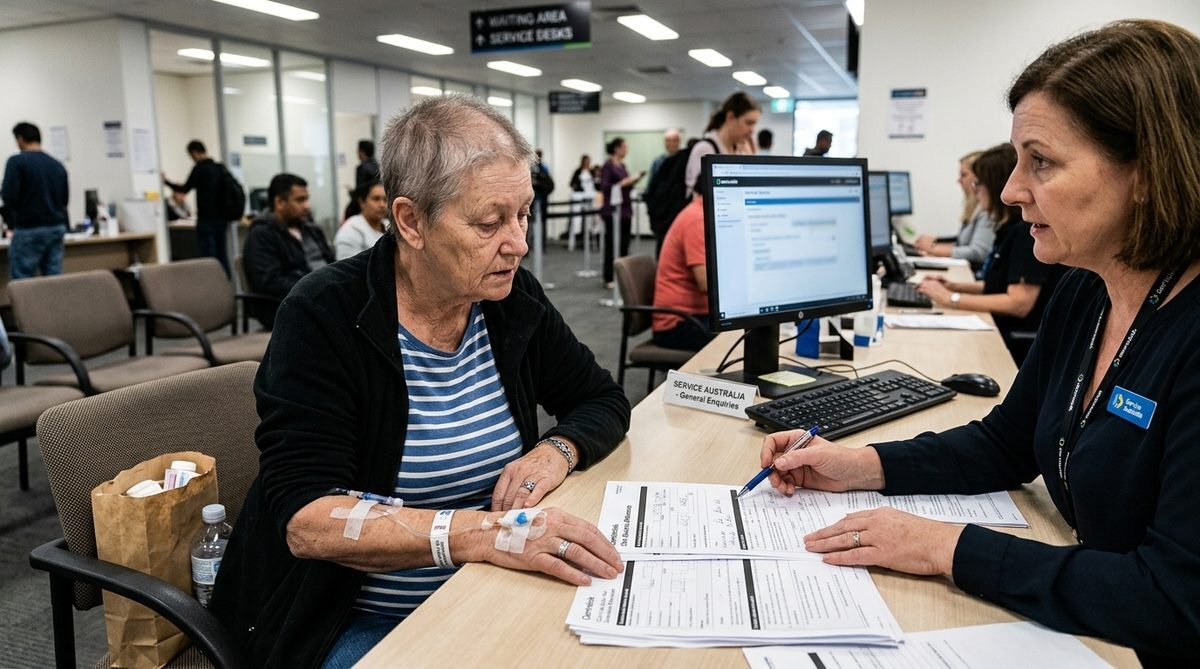
What Conditions Are Not Covered by Health Insurance? A Plain-English Guide for Australians
Health insurance gives you a safety net, but it has holes in it. Some are small and easy to work around. Others are large enough that people fall through them at the worst possible moment, arriving at a hospital or specialist only to find their policy won't pay. Understanding where those holes sit before you need to make a claim is one of the more practical things you can do with an hour of your time.
This guide walks through the most common conditions and treatments that health insurers exclude, why those exclusions exist, and what questions to ask when you're comparing policies or reviewing the one you already hold.
Why Health Insurance Doesn't Cover Everything
Private health insurance in Australia is a regulated but commercial product. Insurers price risk, and some risks are either too predictable, too expensive, or outside the intended scope of the product to be covered. The result is a policy document that can run to dozens of pages, with a section usually titled something like "general exclusions" or "what we don't cover" that most people skip until they need it.
The exclusions fall into a few broad categories: conditions that existed before you took out the policy, treatments that sit outside mainstream clinical medicine, services the government funds through Medicare, and elective procedures that are considered cosmetic or lifestyle-related rather than medically necessary. Men's health concerns like prostate health are sometimes subject to specific exclusions depending on your policy tier.
Pre-Existing Conditions
This is the exclusion that catches the most people off guard. A pre-existing condition is any illness, disease, or ailment for which signs or symptoms existed before you joined a health fund, whether or not you had a formal diagnosis at the time.
Under Australian law, insurers cannot permanently exclude a pre-existing condition, but they can impose waiting periods before they'll cover treatment related to it. For most conditions, that waiting period is twelve months. For psychiatric care, rehabilitation, and palliative care, it can extend to two years. For some specific conditions like cataracts, joint replacements, or cardiac procedures, the waiting period can also be up to twelve months even if you weren't aware of the condition when you joined.
The practical consequence is that if you take out hospital cover and then try to claim for a knee reconstruction three months later for a knee that was already giving you trouble, the insurer can decline that claim. They'll sometimes ask your GP or specialist for clinical notes going back years to establish whether symptoms pre-dated your membership.
Cosmetic and Elective Plastic Surgery
Health insurance covers reconstructive surgery when it follows an accident, cancer treatment, or a birth defect, but it does not cover procedures performed purely to change your appearance. Rhinoplasty, facelifts, breast augmentation for cosmetic reasons, liposuction, and similar procedures fall outside what any Australian health insurer will pay for.
The line between cosmetic and reconstructive can be genuinely blurry. A breast reduction might be cosmetic in one case and medically necessary in another, where the weight is causing chronic back pain or skin conditions. In those cases, the treating surgeon's documented clinical reasoning matters a great deal, and you'd want to confirm with your insurer before surgery rather than after.
Weight Loss Treatments and Bariatric Surgery
Obesity-related care sits in complicated territory. Some policies cover bariatric surgery, including gastric sleeve and gastric bypass procedures, but many do not, or they cover it only under specific clinical criteria such as a documented BMI above a certain threshold combined with obesity-related disease like type 2 diabetes.
Over-the-counter weight loss products, medically supervised diet programs, and newer injectable weight loss medications are almost universally excluded. If weight management is something you're actively considering, it's worth calling your insurer directly and asking specifically what clinical criteria need to be met before a bariatric procedure would be covered under your level of hospital cover.
Dental, Optical, and Hearing Aids
These three areas sit largely outside hospital cover and are instead handled by extras cover, with its own set of limits, waiting periods, and sub-limits. Even then, coverage is partial.
Hearing aids are a good example of where people are often surprised. Some extras policies include a contribution toward hearing aids, but the benefit is typically modest relative to the cost of the device, and there are annual or two-year limits that reset on a schedule that may not align with when you actually need a replacement. Major dental work like implants, crowns, and orthodontics often has a separate and lower sub-limit than general dental, and many people exhaust their annual benefit on a single procedure.
If you have no extras cover at all, dental, optical, and hearing costs are entirely out of pocket.
Mental Health: Covered but With Limits
Mental health treatment is an area where Australian private health insurance has improved substantially over the past decade, largely due to regulatory pressure. Hospital cover policies are now required to include psychiatric care, but that does not mean unlimited inpatient treatment.
What policies typically cover is acute inpatient psychiatric admission. What they often don't cover, or cover only partially, is ongoing outpatient psychological treatment beyond what Medicare's Better Access initiative already funds. The gap between what a psychiatrist charges and what a fund pays can also be significant, meaning even with insurance, out-of-pocket costs for mental health care can add up quickly.
Conditions related to drug and alcohol dependence occupy a grey area. Some policies cover rehabilitation as part of psychiatric care; others exclude substance use treatment explicitly. Reading the product disclosure statement carefully here is worth the effort.
Diseases and Conditions Often Listed as Exclusions
Beyond pre-existing conditions, some policies carry specific disease exclusions or category exclusions. These vary between funds and between tiers of cover, which is why two people with "hospital cover" can have very different experiences when they claim.
Conditions that appear as exclusions or restricted benefits in lower-tier policies include heart and vascular disease, cataracts, joint replacements, dialysis for chronic kidney disease, and certain cancer treatments. These are not excluded because they're rare. They're often excluded on basic or bronze-tier policies precisely because they're expensive and common, and including them would raise premiums considerably.
This is where the tiered system, bronze, silver, and gold, creates real consequences. A bronze policy might cover an emergency appendectomy but leave you uninsured for a hip replacement at sixty-five.
What Are the 36 Critical Illnesses in Health Insurance?
The "36 critical illnesses" framing comes from life insurance and trauma insurance products rather than from private health insurance. Trauma insurance, sometimes called critical illness cover, pays a lump sum on diagnosis of specific serious conditions. The list of covered conditions varies by insurer but commonly runs to around thirty or more, which is where the number originates.
Conditions typically included on these lists are things like cancer, stroke, heart attack, coronary artery bypass surgery, kidney failure, major organ transplant, blindness, deafness, paralysis, and serious burns. The exact number and definitions differ between policies and insurers, and trauma cover is a separate product from hospital and extras cover.
If you're looking at this question because you want coverage for serious illness that pays you directly rather than paying the hospital, trauma insurance is the product to research, and comparing it against your existing health cover is a conversation worth having with a financial adviser.
Treatments Outside Mainstream Medicine
Acupuncture sits in an interesting position. Some extras policies include it as a recognised natural therapy, but following a 2019 government review, the number of natural therapies that attract a private health insurance rebate was significantly reduced. Many funds removed rebates for things like homeopathy, naturopathy, and kinesiology. Acupuncture retained recognition in some policies but not all.
Experimental treatments, clinical trials, and procedures not approved by the Therapeutic Goods Administration or not listed on the Medicare Benefits Schedule are generally not covered. If a treatment is new enough that it lacks established clinical evidence, most insurers will decline to fund it regardless of what your specialist recommends.
Injuries Related to Certain Activities or Circumstances
Most health insurance policies exclude or limit cover for injuries sustained in specific circumstances. Self-inflicted injuries are a standard exclusion. Injuries sustained while committing a crime are also typically excluded. Some policies exclude or limit cover for injuries from certain high-risk activities like professional contact sport, though leisure participation in sport is generally covered.
Workers compensation and motor vehicle accidents also sit outside private health insurance. If your injury is covered by another scheme, your health insurer expects that scheme to pay first. Trying to claim through private health for something that WorkCover or a CTP insurer should cover will usually result in the claim being declined or referred back.
What to Actually Do With This Information
The most useful thing you can do with this knowledge is apply it to your own situation before you need to make a claim. Pull out your policy document, find the exclusions section, and read it against your actual health history and the health risks you're statistically likely to face in the next ten years.
If you have a family history of cardiac disease, check whether your policy covers cardiac procedures or whether you're on a tier that restricts them. If you're approaching an age where joint wear becomes a real possibility, check where knee and hip replacements sit in your cover. If you're considering any elective procedure, call your fund before you book surgery and ask them directly whether it's covered under your policy number. Men with family histories of prostate cancer should also review coverage for related treatments and prostate health concerns.
compare policies is also worth doing periodically. The market changes, funds update their product offerings, and the cover that made sense when you were thirty may have meaningful gaps now. Independent comparison tools and health insurance brokers can help map your actual needs against what's available.
Health insurance is genuinely useful. But it works best when you know what it does and doesn't do, rather than finding out at the moment you most need it to come through for you.
Explore related health and wellbeing guides
This article is part of PTNA's consumer health and wellbeing library. Browse the Health & Wellbeing Resources hub to find related guides by topic, including Australian health cover, Medicare, prostate health, mental health, disability support and life insurance.
How Much Does It Cost to Have Your Prostate Removed Privately in Melbourne?
Read article →
Is It Worth Having Your Prostate Removed in Melbourne?
Read article →
Can You Get Anything Free if You Have Cancer in Melbourne?
Read article →
What Are the Negatives of Removing Your Prostate in Melbourne?
Read article →
Is Prostate Cancer Classed as a Disability in Melbourne?
Read article →