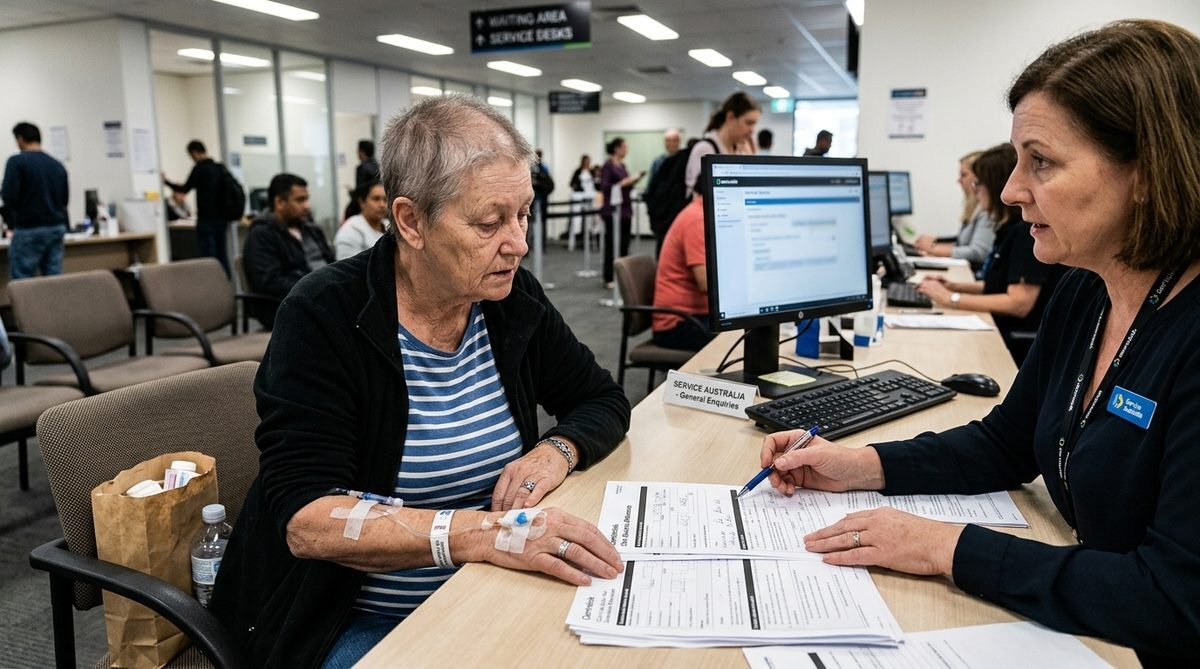
What benefits can you claim if you have Parkinson's in Australia?

Australians with Parkinson's may be able to claim the Disability Support Pension, NDIS support, My Aged Care services, Medicare and PBS assistance, concession help, Carer Payment or Carer Allowance. Having Parkinson's doesn't give you automatic access to these benefits. Each program has its own rules for age, residency, finances and how the condition affects daily life.
Your strongest claim will show what Parkinson's stops you from doing safely, reliably and in a reasonable time. Medical reports should explain your work limits, the help you need at home, changing symptoms and current care. Check the latest rules with Centrelink, the National Disability Insurance Agency, My Aged Care or Medicare before you apply.
Which support program should you approach first?
Start with the program that fits your main need. Contact Centrelink if Parkinson's has cut your ability to work or caused money problems. Consider the National Disability Insurance Scheme if you have a permanent impairment that causes a major loss of function and you meet its access rules. Contact My Aged Care if you are in the aged care system and need help to stay safe at home.
Medicare and the Pharmaceutical Benefits Scheme can lower health and medication costs. A caregiver may also qualify for a Centrelink payment if the care they give meets the required level.
These programs tackle different problems. The Disability Support Pension provides income support. The NDIS funds reasonable and necessary disability supports for eligible participants. My Aged Care arranges aged care services. Medicare and the PBS help cover health costs. Applying to one program doesn't mean another program will accept or reject you.
How does Centrelink assess a Disability Support Pension claim?
The Disability Support Pension, often called the DSP, may provide income support when a health condition has a serious, lasting effect on a person's ability to work. Services Australia also checks age, residency, income and assets rules.
A diagnosis by itself isn't enough. Centrelink needs proof of the impairment it causes. It will check whether the condition has been properly diagnosed, treated and stabilised under its current rules. It will also assess how the impairment affects work through the relevant impairment tables and other qualification tests.
Parkinson's can affect movement, thinking, mood, sleep, speech and automatic body functions. motor and non-motor symptoms can both cause disability, so a report that covers only tremor or walking may miss serious limits. Someone may walk into an appointment but still be unable to finish a work shift due to fatigue, slow thinking, freezing, pain or medication changes.
A useful DSP report links each symptom to a work task. It might show that stiff hands prevent safe tool use, a soft voice disrupts phone work, or sudden freezing makes travel unsafe. It should also say how often the problem happens and whether the person can repeat the task across a normal working week.
If you already receive another Centrelink payment, ask Services Australia how a DSP claim might affect it. Payment rates and eligibility rules change, so follow current Services Australia advice instead of an old online checklist.
When can the NDIS help with Parkinson's?
The NDIS may help when Parkinson's causes a permanent impairment and a major drop in functional capacity. Applicants must also meet the scheme's current age, residence and disability access rules. Parkinson's may get worse over time, but the condition's name alone doesn't decide the claim.
NDIS evidence should explain how you function in daily life. This may include personal care, communication, mobility, social activity, learning and self-management. Show what happens without help. A statement such as “needs help with showering” is weaker than a report saying poor balance and freezing create a fall risk when stepping into the shower.
Eligible supports may include assistive technology, home changes, therapy or help with daily tasks. Funding depends on the participant's goals, disability-related needs and the scheme's reasonable and necessary rules. The NDIS doesn't replace Medicare treatment, normal living costs or income support.
Care from a team of health professionals can improve function and quality of life in Parkinson's, yet it is often started later than it should be. That evidence backs early checks of therapy needs. It doesn't prove the NDIS must fund a certain treatment or device.
Where does My Aged Care fit?
My Aged Care is often the main service path for an older person who needs help at home or residential care. Age rules and special eligibility paths apply, so check which system covers you before starting a long application.
An assessment may find a need for personal care, home help, meal support, transport, home changes or allied health services. The service available and its cost can depend on the assessment, nearby providers, program rules and the person's finances.
Describe the hardest parts of a normal day. Include trouble getting out of bed, making food, taking medication on time, leaving home or swallowing safely. Weak breathing, a poor cough, sleep-related breathing problems and trouble swallowing can raise care needs in diseases that damage the brain and nerves. Tell a clinician about these symptoms because they may need medical checks as well as hands-on support.
Don't wait for a crisis to request an assessment. Falls, caregiver burnout or missed medication can quickly turn a manageable home routine into an urgent problem.
Which medical and medication costs may be reduced?
Medicare can help pay for eligible appointments, tests and treatment. The Pharmaceutical Benefits Scheme, or PBS, cuts the cost of listed medication when the prescription and patient meet its rules. Parkinson's medication may be covered when prescribed under the relevant PBS conditions.
The Medicare Safety Net may increase benefits for eligible out-of-hospital services once your household reaches the set threshold. The PBS Safety Net may lower the price of eligible medicines after the yearly threshold is reached. Concession card holders may pay less for some services and prescriptions.
Keep records of eligible costs and make sure family details are registered correctly when needed. Ask your pharmacist if your PBS spending is being recorded. Check likely fees with your clinic before a visit, since Medicare coverage doesn't always remove the whole out-of-pocket cost.
State and territory schemes may give extra help with transport, electricity costs, rates or health expenses. These schemes differ by location and can change. Check your state or territory government website, then ask Centrelink which concession card, if any, comes with your payment.
Can transport and equipment support be claimed?
Transport help may be available through the NDIS, My Aged Care, Centrelink or a state scheme, based on your age and situation. Centrelink's Mobility Allowance has set rules for work, study, disability and travel. How it works with the NDIS also matters. Check current Services Australia rules before counting on it. A comprehensive Parkinson's support guide can help clarify your options.
Describe the real transport barrier. Saying “I cannot drive” leaves big questions unanswered. Explain whether freezing stops you from safely boarding a bus, poor balance makes standing hard, or fatigue prevents you from finishing a return trip.
Assistive technology can include mobility aids, communication devices and gear that makes your home safer. Funding rules differ between programs. Get professional advice before buying costly equipment, as an agency may need an assessment, quote or approval before you buy it.
Wearable devices can help track some long-term conditions, but research hasn't shown that every device improves meaningful health outcomes in every setting. Pick equipment for a clear problem. A step-counting device won't fix unsafe transfers or missed medication unless it's part of a useful care plan.
What help can a caregiver receive?
A caregiver may qualify for Carer Payment, Carer Allowance or both if the care setup meets Centrelink's rules. Carer Payment gives income support to someone whose caring duties greatly limit paid work. Carer Allowance is a separate payment for eligible people who give daily care and attention.
Centrelink checks the care needed, not just the Parkinson's diagnosis. Evidence may cover help with dressing, meals, medication, supervision, communication and safe movement. Changes in thinking, hallucinations or sleep problems may cause heavy care demands even if the person can still walk.
Parkinson's is linked with a higher burden of dementia. This doesn't mean everyone with Parkinson's will develop dementia. But changes in memory, judgement or behaviour should be recorded when present, since they can change how much supervision is needed.
The person with Parkinson's and the caregiver should describe the same routine from two sides. One explains the help they receive. The other records the time, frequency and type of care they give.
What evidence makes a claim easier to assess?
Strong evidence turns symptoms into clear examples of lost function. Ask your treating team to cover:
- your confirmed diagnosis, treatment and response;
- how symptoms affect work and daily activities;
- how often symptoms change during the day;
- what assistance, equipment or supervision you need;
- whether the impairment is expected to continue;
- what happens during medication “off” periods; and
- why tasks cannot be completed safely, reliably or repeatedly.
Useful evidence may come from a neurologist, GP, occupational therapist, physiotherapist, speech pathologist or psychologist. The best mix depends on the limits in your claim. A speech pathologist may be best suited to record swallowing and communication trouble. An occupational therapist can check daily tasks, home safety and equipment needs.
Keep a short diary for several weeks if your symptoms change. Record falls, freezing, failed tasks, help received and the effects of medication timing. Don't make every day sound like your worst one. Show the pattern, including how often bad spells happen and how long recovery takes.
A made-up example shows the difference. Sam writes “Parkinson's makes cooking hard.” That gives an assessor little to measure. A stronger account says Sam drops utensils twice a week, can't safely lift a hot pan during off periods and needs someone else to make dinner most nights. The second version ties the condition to a real need for support.
What do people often miss when they apply?
The first missed point is changing symptoms. A short appointment may happen while medication is working well. Tell the assessor how your function changes before the next dose, after poor sleep or late in the day.
The next missed point is hidden symptoms. Parkinson's can involve depression, anxiety, fatigue, pain, constipation, sleep problems and slower thinking. Include them if they affect the benefit you are claiming. Don't add symptoms that have never been checked or treated.
People also confuse treatment with function. A medication list proves that treatment exists. It doesn't show whether you can shower safely, follow instructions or keep a job. Attach the medication list, then explain the limits and side effects that remain.
Another mistake is seeing one rejection as a decision about every type of support. A failed DSP claim doesn't automatically block My Aged Care, Medicare help or a carer claim. Read the reasons given. Fix missing evidence, seek an internal review within the stated time if suitable, or apply to a program that better fits your needs.
How should you organise the applications?
Follow a simple order so the paperwork doesn't become another full-time job.
- Write down your main problem, such as lost income, unsafe daily tasks, care costs or caregiver strain.
- Choose the agency that addresses that problem.
- Download or request its current evidence requirements.
- Ask each clinician to report on the limits they have observed and treated.
- Keep copies of forms, reports, receipts and agency messages.
- Record submission dates and review deadlines.
Private disability insurance may also matter if you had income protection and disability cover or cover through superannuation before or during the start of symptoms. Insurance follows policy terms, not Centrelink or NDIS rules. Ask the insurer or super fund for the policy wording and claim steps. Don't cancel existing cover until you know what that would mean.
Parkinson's is a major cause of disability across the population. That fact shows why support needs can be serious, but it can't decide one person's claim. Your recorded loss of function is what links the medical condition to a program's rules.
Action to take now: book one appointment with your GP and make a written list of your work limits, daily help, changing symptoms and care needs, then use it to choose the first agency to contact.
Common questions
What benefits am I entitled to if I have Parkinson's?
You may qualify for the Disability Support Pension, NDIS support, Mobility Allowance, or help with health and medicine costs. What you can claim depends on your age, income, work ability, and daily support needs.
Is Parkinson's considered a disability in Australia?
Yes, Parkinson's can be considered a disability in Australia when it limits daily life or work. A diagnosis alone does not guarantee benefits, as each program checks how the condition affects you.
What are 4 surprising things that may reduce Parkinson's disease?
Regular exercise, good sleep, a healthy diet, and staying socially active may help reduce some Parkinson's symptoms. They cannot cure the disease, so ask your doctor what is safe for you.
Does Parkinson's disease count as a disability?
Parkinson's disease can count as a disability if its symptoms make daily tasks or work harder. You may need medical reports showing how it affects your movement, thinking, or independence.Sources
How Much Does It Cost to Have Your Prostate Removed Privately in Melbourne?
Read article →
Is It Worth Having Your Prostate Removed in Melbourne?
Read article →
Can You Get Anything Free if You Have Cancer in Melbourne?
Read article →
What Are the Negatives of Removing Your Prostate in Melbourne?
Read article →
Is Prostate Cancer Classed as a Disability in Melbourne?
Read article →