What Benefits Can I Get If I Have Prostate Cancer? Treatments, Support & Financial Help

If you have prostate cancer, you can access a range of benefits: medical treatments with strong survival and quality-of-life outcomes, financial support through Centrelink and the NDIS, subsidised medicines under the PBS, and structured programs through Cancer Council Australia. The specific benefits available depend on your stage of disease, age, income, and whether your cancer affects daily function.
This article covers what most men in Australia can realistically expect to access and how to start claiming it.
What Benefits Can You Claim With Prostate Cancer?
Prostate cancer opens access to several categories of support that many men don't realise exist until they're already deep into treatment.
On the medical side, most localised prostate cancer is treated with curative intent. A 12-year follow-up study published in NEJM Evidence found that men treated for localised disease across surgery, radiotherapy, and active surveillance all maintained reasonable long-term health-related quality of life, though each treatment came with its own functional trade-offs. The fact that long-term survival is achievable for most men diagnosed at an early stage is itself a significant benefit.
On the financial side, here's what's available in Australia: financial support
- Medicare covers specialist consultations, imaging, biopsies, and most procedures
- The Pharmaceutical Benefits Scheme (PBS) subsidises hormone therapies, chemotherapy agents, and newer targeted treatments including PSMA-based radioligand therapy
- Centrelink offers the Disability Support Pension (DSP) and Sickness Allowance for those whose cancer or treatment affects their ability to work
- Cancer Council Australia provides free counselling, transport assistance, accommodation support for regional patients, and financial grants
- The NDIS may apply if your cancer or its treatment has caused a permanent or significant functional impairment
Some of these require an application with supporting medical documentation. Your treating oncologist or GP can provide the clinical evidence you need.
Can I Get Centrelink If I Have Cancer?
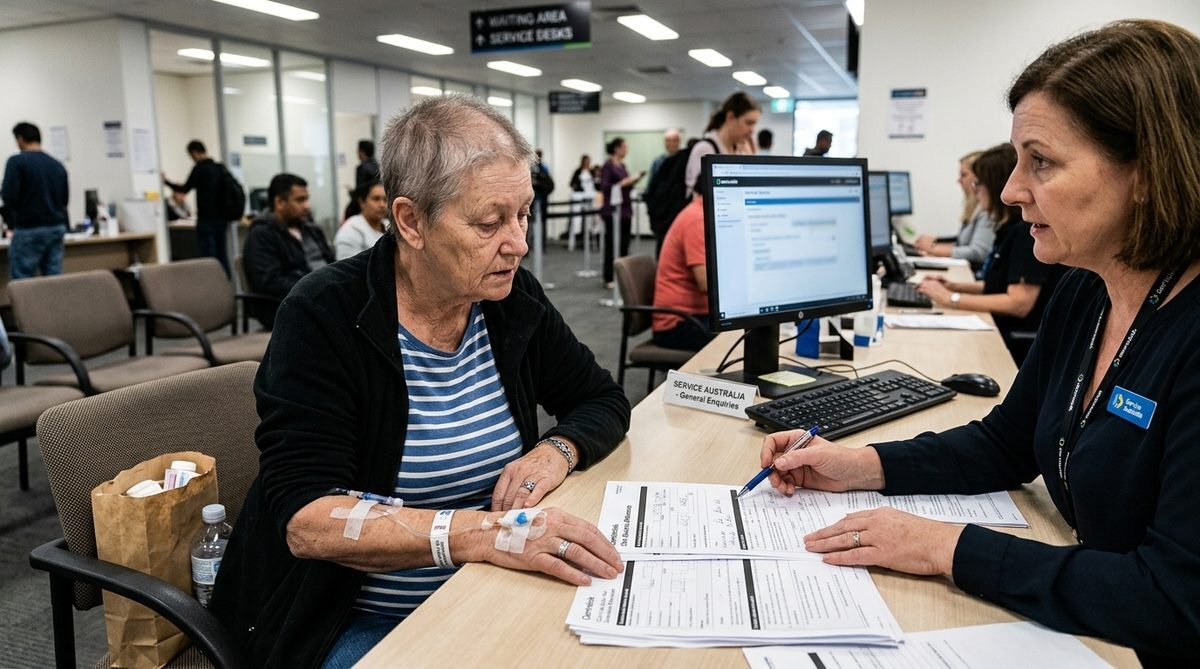
Yes. Having prostate cancer can make you eligible for Centrelink payments. The process is more straightforward than most people expect.
The two most relevant payments are the Disability Support Pension and JobSeeker with a medical exemption. The DSP is for people whose condition prevents them from working 15 or more hours per week at minimum wage. If your prostate cancer, or the side effects of treatment such as fatigue, incontinence, or nerve damage, limits you to that degree, you may qualify.
I worked with a 61-year-old who'd undergone radical prostatectomy and assumed he wouldn't qualify for any payments because his cancer was technically treated. What he didn't realise was that the persistent urinary incontinence and fatigue he was managing post-surgery was enough to support a DSP application. His GP wrote a detailed supporting letter and he was approved within eight weeks.
If your condition is temporary or you're mid-treatment, JobSeeker with a medical certificate from your doctor can provide income support while you recover. You don't need to be permanently disabled. You just need documented evidence that your condition currently limits your capacity to work.
The quickest way to start is to call Services Australia on 132 717 or visit a Centrelink service centre with your most recent specialist report and a letter from your GP.
What Is the 2-Week Rule for Prostate Cancer?
The 2-week rule is a clinical urgency standard used in some healthcare systems, most formally in the UK's NHS, where a GP must refer a patient to a specialist within two weeks if they present with symptoms that could indicate cancer. In that system, a man over 50 with urinary symptoms, a raised PSA, or a suspicious digital rectal exam finding is entitled to a specialist appointment within 14 days under this pathway.
Australia doesn't have an identical legislated 2-week rule, but the clinical intent is the same. The National Cancer Control Guidelines recommend urgent referral for men with a significantly elevated PSA or clinical features suspicious for cancer. In practice, most public hospital urology departments triage suspected cancer referrals as urgent and aim to see patients within two to four weeks. Private urology appointments are typically faster.
If your GP has found a raised PSA or suspicious finding and hasn't already referred you urgently, you can ask specifically for an urgent cancer referral. You're entitled to request it. Document the date and the finding, because early referral directly affects how early treatment can begin, and earlier treatment is associated with better functional outcomes.
Does Prostate Cancer Qualify for Disability?
It can. Whether prostate cancer qualifies you for disability support depends on how the disease and its treatment affect your day-to-day function, not just the diagnosis itself.
The NDIS requires that a condition be permanent and significantly affect your ability to participate in daily activities. Prostate cancer that's caused lasting nerve damage, incontinence requiring ongoing management, chronic fatigue, or mobility issues from bone metastases can all form the basis of an NDIS application. A cancer diagnosis alone isn't automatically sufficient, but functional impairment caused by cancer or its treatment often is.
For Centrelink's DSP, the threshold is different. You need a condition that's fully diagnosed, treated, and stabilised, and that still prevents you from working at a sustainable level. Advanced or metastatic prostate cancer often meets this threshold directly. Earlier-stage disease may qualify depending on your treatment response and remaining function.
One thing most people miss: even if you're not eligible for the DSP, the Carer Payment may be available to a partner or family member who provides full-time care while you're going through treatment. This is worth checking if someone in your household has stepped back from work to support you.
What Treatment Benefits Can You Expect Medically?
This is the question underneath the question. Most men asking about benefits want to know whether treatment actually works and what they can realistically expect their life to look like afterward.
For localised prostate cancer, the evidence is genuinely encouraging. At 12 years post-treatment, men treated with surgery, external beam radiotherapy, or active surveillance all showed similar overall survival rates, though the functional side effects differed meaningfully by treatment type. Surgery carries higher rates of urinary incontinence and sexual dysfunction in the short to medium term. Radiotherapy is more associated with bowel symptoms. Active surveillance preserves function best but requires sustained monitoring and carries the psychological weight of a managed rather than treated cancer.
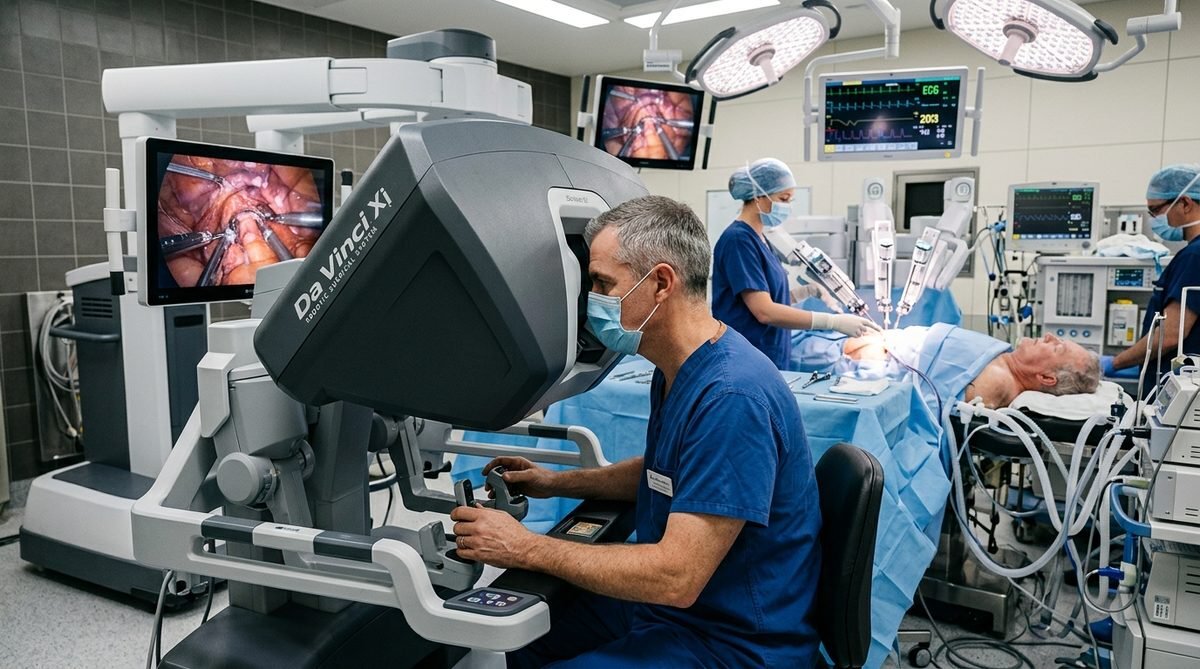
Stereotactic body radiotherapy, sometimes called SBRT or PACE, has shown results comparable to surgery for localised disease with a shorter treatment course and different side effect profile. Focal therapy, which targets only the tumour rather than the whole gland, is an emerging option that aims to reduce side effects while maintaining cancer control. These are options worth asking your urologist about explicitly, because they're not always offered first. Learn more about prostate cancer treatment options and their costs.
For metastatic prostate cancer, newer treatments have changed the outlook significantly. PSMA-targeted radioligand therapy using Lutetium-177 has shown meaningful improvements in progression-free survival and quality of life in men with metastatic castration-resistant disease, and a 2025 meta-analysis found favourable response rates with manageable toxicity. This treatment is now PBS-listed in Australia under specific criteria, meaning eligible men can access it at a subsidised cost.
When I work through treatment decisions with people managing this diagnosis, the conversation almost always comes back to the same tension: the desire to be cured versus the desire to maintain function. Research confirms that this trade-off is real. What matters is that it's your trade-off to make, with full information.
Support Services Most Men Do Not Know About
The financial and medical benefits are only part of the picture. There are practical support services in Australia that often go unclaimed because men either don't know they exist or assume they're for someone worse off.
Cancer Council Australia offers a free 13 11 20 helpline staffed by cancer nurses. They can help you understand your diagnosis, connect you with local support services, and navigate the paperwork for financial assistance. They also coordinate free transport to treatment for regional and rural patients, which is a real and significant benefit for anyone travelling hours to a metropolitan treatment centre.
Prostate Cancer Foundation of Australia (PCFA) has specialist prostate cancer nurses called Prostate Cancer Specialist Nurses (PCSNs) embedded in hospitals and cancer centres around the country. They're free to access, and their specific job is to support men and their families through diagnosis, treatment decisions, and recovery. In my experience, men who engage with a PCSN early in their diagnosis report feeling significantly less overwhelmed by the process.
Many private health insurers also have cancer care coordination programs that are underused. If you have private health cover, call your insurer and ask specifically what cancer support programs they offer. Some cover in-home nursing, psychology, and allied health services that aren't widely advertised.
What Most Articles Get Wrong About Prostate Cancer Benefits
Most articles focus only on treatment or only on financial support, as if these are separate conversations. They're not. The functional outcomes of treatment directly affect what financial and disability support you may qualify for, and the financial support you access can directly affect which treatments you can afford to pursue. These threads connect.
A second thing that gets missed: quality of life after treatment is highly individual and highly dependent on the baseline you start from. A 55-year-old who was sexually active and continent before treatment will experience surgical side effects very differently from a 72-year-old who was already managing urinary symptoms. Research supports this but doesn't always get communicated clearly at the point of diagnosis. Ask your specialist specifically how outcomes compare for someone with your starting function, not just for the average trial participant.
Third, most men wait too long to apply for support. The application processes for Centrelink, NDIS, and even hospital financial counselling take time. Starting those conversations at diagnosis, rather than when you're exhausted mid-treatment, makes a material difference to how much support you actually receive.
FAQ
Can I keep working while having prostate cancer treatment?
Many men do, particularly those on active surveillance or completing a short course of radiotherapy. Whether you can depends on your treatment, your job, and your side effects. Talk to your employer early and ask your oncologist for a functional capacity letter if you need to modify your duties temporarily.
Does the PBS cover prostate cancer medications?
Yes. Hormone therapies, chemotherapy agents like docetaxel and cabazitaxel, newer androgen receptor pathway inhibitors, and PSMA radioligand therapy are all PBS-listed under specific clinical criteria. Your oncologist prescribes under these criteria. If cost is a concern, ask your pharmacist about the Closing the Gap PBS co-payment supplement if you hold a concession card.
What if I was diagnosed years ago and never claimed anything?
You can still apply. Centrelink and NDIS assess your current functional status, not just when you were diagnosed. If you're living with lasting effects of treatment, you may still qualify now.
Is there support for my partner or carer?
Yes. The Carer Payment and Carer Allowance through Centrelink are available to partners or family members providing significant care. Cancer Council also offers carer support programs and counselling. PCFA has family support resources specifically for partners of men with prostate cancer.
How do I find a Prostate Cancer Specialist Nurse?
Call PCFA on 1800 22 00 99 or ask your urologist or oncologist to connect you with the PCSN attached to your treating hospital. If there isn't one at your hospital, PCFA can direct you to the nearest available nurse.
What to Do Now
If you or someone close to you has a prostate cancer diagnosis, the first action is to call Cancer Council on 13 11 20 this week. They'll help you understand what support is available in your specific state and situation, and they can connect you with a financial counsellor if you need help with Centrelink or NDIS applications.
Don't wait until you're overwhelmed by treatment to start that conversation. The earlier you engage, the more of these benefits you'll actually use.Sources
Explore related health and wellbeing guides
This article is part of PTNA's consumer health and wellbeing library. Browse the Health & Wellbeing Resources hub to find related guides by topic, including Australian health cover, Medicare, prostate health, mental health, disability support and life insurance.
How Much Does It Cost to Have Your Prostate Removed Privately in Melbourne?
Read article →
Is It Worth Having Your Prostate Removed in Melbourne?
Read article →
Can You Get Anything Free if You Have Cancer in Melbourne?
Read article →
What Are the Negatives of Removing Your Prostate in Melbourne?
Read article →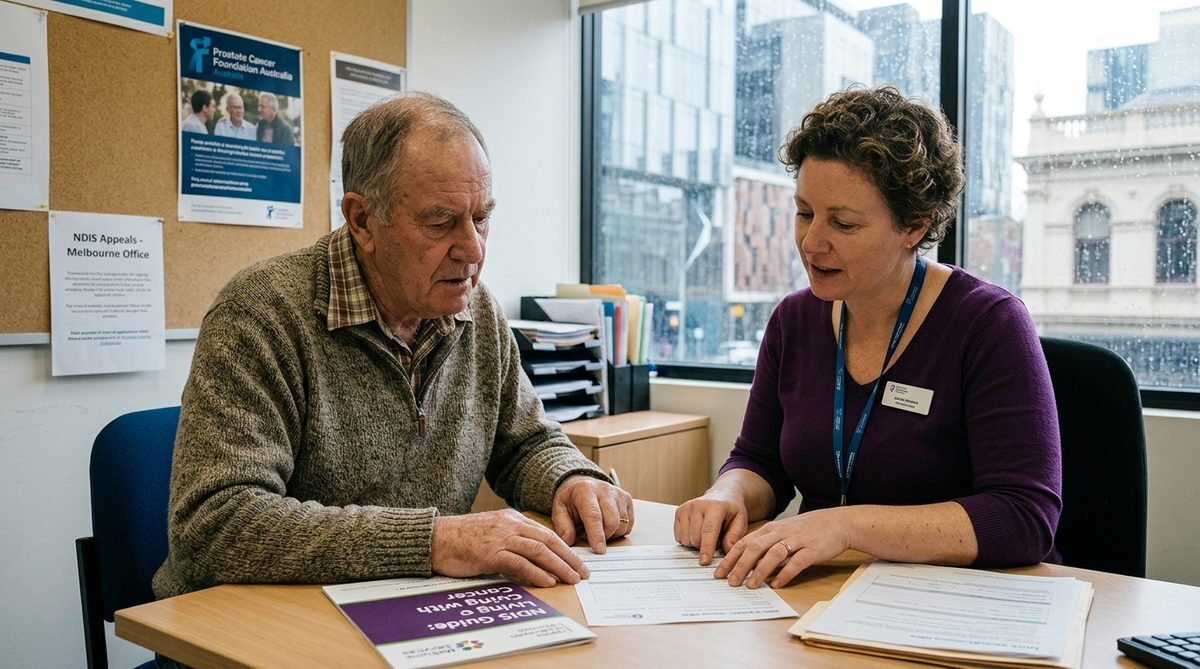
Is Prostate Cancer Classed as a Disability in Melbourne?
Read article →