What Benefits Can I Get If I Have Bipolar? Treatment Gains, Disability Support & Recovery

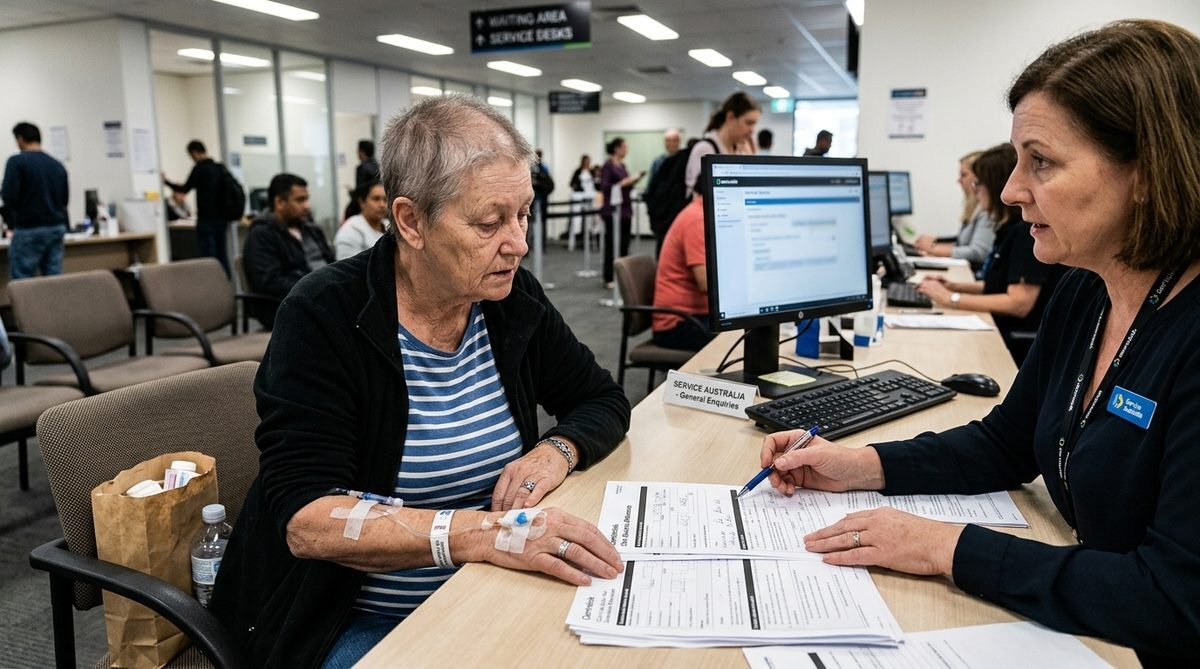
If you have bipolar disorder, you can access two distinct categories of benefit: the real, measurable improvements in functioning and quality of life that come with proper treatment, and the financial and practical supports available through systems like Centrelink. Both matter.
With evidence-based care combining mood stabilisers and structured psychological support, most people with bipolar disorder achieve significant gains in work capacity, relationships, self-management, and daily functioning. And yes, bipolar disorder can qualify as a disability under Australian law, which opens the door to Centrelink payments and other formal supports.
Does Bipolar Qualify as a Disability?
Bipolar disorder qualifies as a disability in Australia under the Disability Discrimination Act 1992, which covers physical, intellectual, and psychiatric conditions. For Centrelink purposes, the question is whether the condition substantially reduces your ability to work.
Bipolar disorder frequently meets that threshold, particularly when mood episodes are frequent, severe, or when residual symptoms between episodes affect concentration, reliability, and sustained effort.
The condition is also recognised under the NDIS, though access depends on whether the functional impairment is permanent or likely to be permanent. Many people with bipolar disorder do qualify, particularly those with early onset, a high episode frequency, or significant cognitive impairment between episodes.
Is Bipolar a Disability for Centrelink?
Yes, bipolar disorder can be recognised as a disability for Centrelink purposes. The main payment most people explore is the Disability Support Pension (DSP). To qualify, your condition needs to be diagnosed, fully treated, and still result in a significant work capacity limitation of fewer than 15 hours per week at or above minimum wage.
Fully treated means you have engaged with recommended treatments, which for bipolar disorder typically includes both pharmacotherapy and psychosocial interventions. This is worth understanding clearly: Centrelink does not approve DSP simply because a diagnosis exists. What matters is documented functional impairment after treatment has been properly trialled.
If you don't meet DSP criteria but still experience work limitations, JobSeeker with a partial capacity to work assessment is often the alternative. You may also be eligible for a Pensioner Concession Card, which reduces costs for medications, transport, and healthcare.
Can You Claim Money for Bipolar?
Several pathways exist depending on your circumstances.
The Disability Support Pension is the primary income support payment for people whose bipolar disorder severely limits their ability to work. Payments as of 2024 sit at roughly $1,116 per fortnight for a single person, with additional supplements available.
The NDIS funds reasonable and necessary supports related to daily functioning, not income. This means things like support workers, therapy, transport assistance, assistive technology, and community participation supports. Many people with bipolar disorder access NDIS funding for psychological therapy, which significantly reduces out-of-pocket treatment costs.
Medicare provides access to a Mental Health Treatment Plan through your GP, which gives you up to 20 structured psychosocial interventions per calendar year. This is one of the most practical and immediate financial supports available to anyone with a bipolar disorder diagnosis in Australia.
Private health insurance, depending on your level of cover, may also partially fund inpatient psychiatric admissions or day programs during acute episodes.
What Real-World Benefits Come From Treating Bipolar Disorder?
This is where the conversation usually needs to start, even though it often doesn't. The formal disability supports matter, but the more significant question for most people newly diagnosed is: can life actually get better?
The answer, backed by a decade of shifting clinical focus, is yes. Research in bipolar disorder used to measure success by whether mania and depression had stopped. That standard has moved.
International guidelines from NICE, the APA, CANMAT, ISBD, and the RANZCP now define recovery in terms of functional outcomes: returning to work or study, rebuilding relationships, regaining autonomy, and pursuing personally meaningful goals.
One of my clients came to treatment after a second hospitalisation, convinced that stability was the best she could hope for. What she actually achieved over 18 months was returning to part-time work, repairing a relationship with her adult daughter, and completing a certificate course she had abandoned years earlier. That is what the evidence describes when it talks about functional recovery.
What Specific Improvements Can You Expect?
The gains most consistently documented in clinical trials of psychosocial treatments added to medication include improved work and educational functioning, stronger family and social relationships, better self-management skills, and higher subjective wellbeing.
Self-management skills deserve particular attention because they're often underestimated. When I work with clients through structured psychoeducation, one of the most immediately useful things that shifts is their ability to recognise early warning signs of an episode. This matters enormously because early intervention at the prodromal stage, before a full episode develops, changes the trajectory.
One of my clients described it as finally having a remote control for something that previously felt completely out of her hands.
Sleep regulation is another area where gains are concrete and fast. Bipolar disorder involves significant disruption to circadian rhythms, and disrupted sleep is both a trigger and an early warning sign for mood episodes. Learning to protect sleep architecture is one of the highest-use behavioural changes available, and the functional improvement it produces is often visible within weeks.
Cognitive symptoms, including difficulties with concentration, memory, and processing speed, are among the most persistent challenges even between episodes. These do not always fully resolve, but structured support helps people develop compensatory strategies that restore functioning at work and in daily life.
This is an area where the research is honest: some neurocognitive impairment may persist even with optimal treatment. What changes is how much it limits you.
What Treatments Produce These Benefits?
Medication is the foundation and cannot be substituted. Mood stabilisers reduce episode frequency and severity, and this has direct downstream effects on every other outcome. Without adequate pharmacological management, psychosocial interventions cannot deliver their full benefit.
The psychosocial treatments with the strongest evidence are family-focused therapy, group or individual psychoeducation, and cognitive-behavioural therapy. Mindfulness-based interventions are showing increasingly strong results for emotional regulation and quality of life, particularly in the maintenance phase of treatment.
Family-focused therapy is worth singling out because it's often overlooked. The research consistently shows that the family environment, specifically expressed emotion, criticism, and hostility within the household, is one of the strongest predictors of relapse. Involving family members directly in treatment is not just supportive; it's clinically effective.
For young people with bipolar disorder, family-focused approaches and multi-family psychoeducational programs have the strongest evidence base and produce measurable gains in functioning and relapse prevention.
I remember one family I worked with where the parents of a 19-year-old with bipolar disorder had been responding to every mood shift with alarm and heavy monitoring. Completely understandable. But the effect was that their son felt surveilled, not supported, and his stress levels remained elevated.
Once we worked through psychoeducation together, the family dynamic shifted. He relapsed less. He completed his TAFE course. The family intervention did more measurable good than anything else in that case.
What Most Articles Get Wrong About Bipolar Benefits
The first thing most articles miss is the difference between symptomatic recovery and functional recovery. Symptom reduction is measurable and often achieved with medication. Functional recovery, meaning actually living the life you want, takes longer and requires a different type of intervention.
Assuming that stable mood equals a restored life is one of the most common and consequential misunderstandings in how bipolar disorder is managed.
The second thing often missed is that subsyndromal depression, the low-grade depressive symptoms that persist between full episodes, is the single biggest driver of ongoing functional impairment. It doesn't get enough clinical attention because it doesn't look dramatic.
But this is just based on what I see clinically: the weeks and months of flatness, low motivation, and mild cognitive fog cost people more in terms of work and relationships than the acute episodes do, over a lifetime.
The third is that early intervention for young people matters far more than most general articles suggest. For adolescents and young adults, prompt, family-involved treatment can prevent the kind of functional decline that makes bipolar disorder feel permanently limiting. The trajectory is genuinely different when treatment starts early and family is involved.
This is not reassuring language. It's what the controlled trials show.
What About Quality of Life?
Quality of life research in bipolar disorder is a more recent focus than in other mood disorders, but the findings are now consistent: structured psychosocial interventions improve multiple life domains, including work, relationships, autonomy, and subjective wellbeing. The improvement is not uniform across all domains or all people, and the research is clear that functional recovery typically lags behind symptomatic recovery after a mood episode.
But the direction of change with proper treatment is reliably positive.
What the research also shows is that your own goals need to be part of the treatment framework. A recovery-oriented approach, one that tailors interventions to where someone is in their illness trajectory and what matters to them personally, produces better outcomes than a purely symptom-reduction model.
This is why a good treatment provider asks what you want your life to look like, not just how many episodes you've had.
Frequently Asked Questions
What benefits can bipolar receive?
People with bipolar disorder can access the Disability Support Pension, NDIS funding, Medicare Mental Health Treatment Plan rebates, and concession cards, depending on the degree of functional impairment and income. The specific payment or support depends on how the condition affects your capacity to work and manage daily life.
Is bipolar a disability for Centrelink?
It can be. Centrelink recognises psychiatric conditions including bipolar disorder as disabilities when they substantially limit your ability to work. DSP eligibility requires demonstrated impairment after the condition has been fully treated.
Can you claim money for bipolar?
Yes. The most common routes are the DSP through Centrelink, NDIS supports, and Medicare rebates for psychological therapy. Which pathway applies depends on your functional limitations and financial situation.
Does bipolar qualify as a disability?
Yes. Under Australian law, bipolar disorder is a recognised psychiatric disability. Whether this translates to specific financial payments depends on the severity of your condition and its impact on your daily functioning and work capacity.
Can people with bipolar disorder work?
Many people with bipolar disorder work successfully, particularly with the right treatment, workplace accommodations, and self-management strategies in place. Work capacity varies significantly depending on episode frequency, treatment response, and the nature of the job.
How long does it take to see benefits from treatment?
Medication effects on acute mood episodes can be seen within weeks. Functional recovery, meaning real improvements in work, relationships, and daily life, typically takes months to years and is supported most effectively when psychosocial treatment runs alongside pharmacotherapy.
What to Do Next
If you were recently diagnosed, the most useful thing you can do right now is book an appointment with your GP and ask for a Mental Health Treatment Plan. This gives you immediate access to subsidised psychological therapy and is the fastest on-ramp to structured support.
If you're already in treatment but feel like life hasn't improved as much as symptom scores suggest it should, bring functional recovery explicitly into the conversation with your clinician. Ask what psychosocial interventions are available alongside your medication. The evidence is clear that combining both produces better outcomes than medication alone.
If financial support is the pressing concern, contact Centrelink directly or ask your GP or treating psychiatrist to assist with documentation for a DSP claim. A formal functional impairment assessment carries more weight than a diagnosis letter alone.
The team at PTNA works with people managing bipolar disorder across the full recovery spectrum, from early intervention to long-term maintenance. If you want support that targets both symptom stability and the life you actually want to be living, that is where to start.Sources
Explore related health and wellbeing guides
This article is part of PTNA's consumer health and wellbeing library. Browse the Health & Wellbeing Resources hub to find related guides by topic, including Australian health cover, Medicare, prostate health, mental health, disability support and life insurance.
How Much Does It Cost to Have Your Prostate Removed Privately in Melbourne?
Read article →
Is It Worth Having Your Prostate Removed in Melbourne?
Read article →
Can You Get Anything Free if You Have Cancer in Melbourne?
Read article →
What Are the Negatives of Removing Your Prostate in Melbourne?
Read article →
Is Prostate Cancer Classed as a Disability in Melbourne?
Read article →