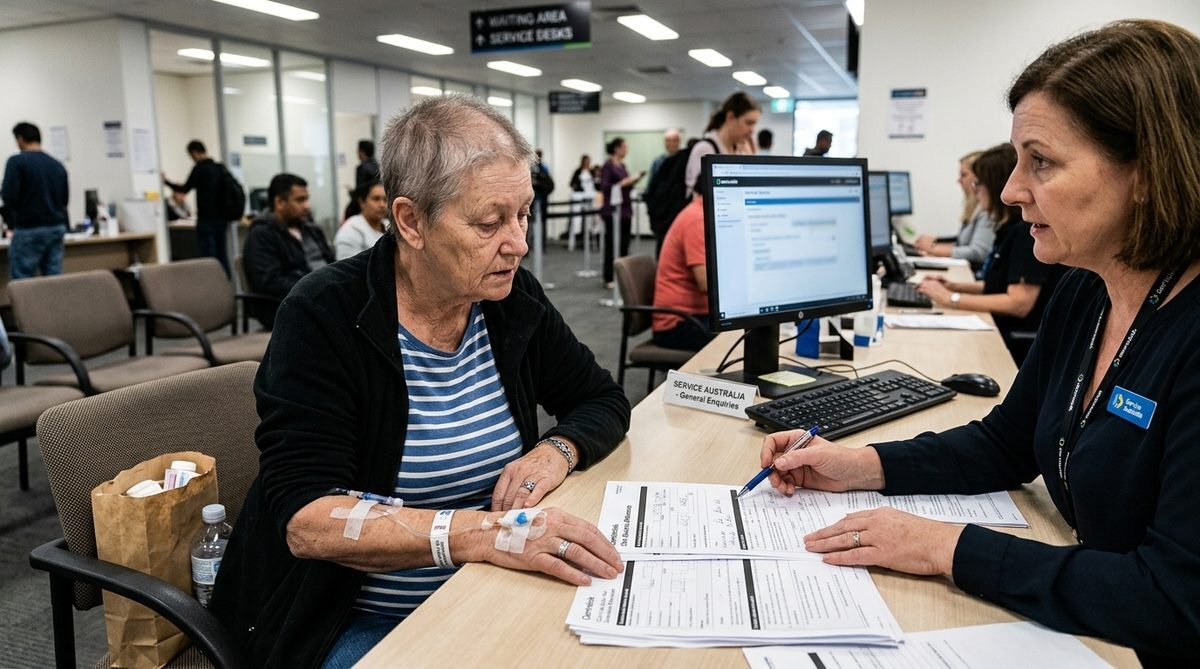
What benefits can I claim for migraines?
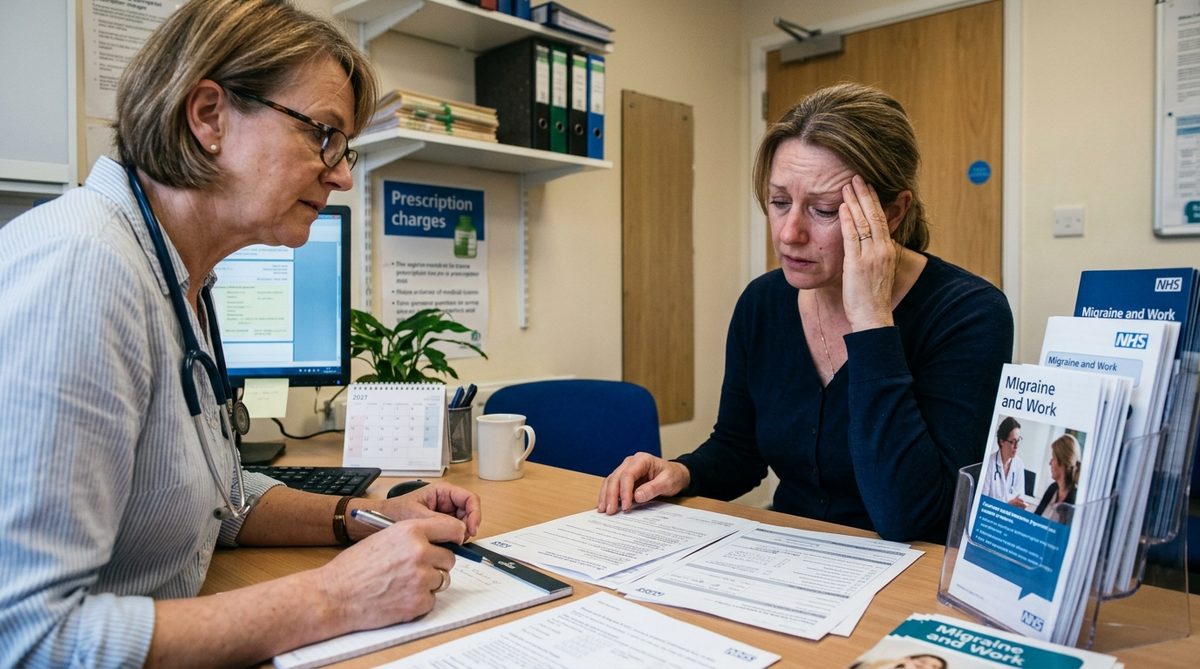
Migraines may support a claim for Australian income support, related concessions or reasonable changes at work. A diagnosis alone does not create an automatic right to a payment. The key issue is how the condition affects your function and your ability to work on a reliable basis.
The right pathway depends on the problem you need to solve. The Disability Support Pension may be relevant when the condition is long term and severely limits work capacity. JobSeeker Payment may be worth checking when illness reduces your capacity for a shorter period or affects what you can do while looking for work. Concessions or supplements may follow from eligibility for another payment. If you remain employed, workplace adjustments may help you keep working.
Each pathway has its own medical and non-medical rules. Income, assets, residence, treatment history and work capacity may matter. Check current criteria with Services Australia or the authority responsible for the support before applying.
Which type of support solves your immediate problem?
Start with the effect migraines have on your life rather than the name of a benefit. Australia does not have one payment granted simply because someone has migraine headaches.
Your main need will usually fit one of these paths:
- Long-term income support: Consider the Disability Support Pension pathway if your condition is persistent, treated and severely limits your ability to work. The current rules must be checked before you apply.
- Income support during reduced capacity: Check JobSeeker Payment if illness affects how much work you can do or your ability to meet normal participation requirements. Medical evidence may support an assessment of your present capacity, but other eligibility rules still apply.
- Related financial help: Some concessions, cards or supplements are linked to an eligible payment or personal circumstances. They are not automatic migraine payments.
- Support at work: Practical adjustments may reduce triggers, improve attendance or make your duties safer. These arrangements are separate from government disability benefits.
This distinction prevents a common mistake. Someone who needs temporary help may spend time preparing a long-term disability claim that does not match their position. Someone who can work with changes may overlook a faster discussion with an employer.
Ask what is causing the most pressure now. Is it lost income, trouble meeting job-search duties, treatment costs or the risk of losing your current job? Use that answer to choose the first pathway to investigate.
Be careful with overseas search results. Universal Credit belongs to the United Kingdom. SSDI and SSI benefits belong to the United States. They are not Australian claim options, even when an overseas article appears under an Australian search.
Why does function matter more than the diagnosis?
Migraine is a neurological disorder, but the diagnostic label does not show an assessor what you can do from day to day. Two people with the same diagnosis may have very different limits.
An assessor may need to understand whether attacks stop you from working safely, reliably, repeatedly and within a reasonable time. Pain is only one part of that account. Nausea may make travel hard. Sensitivity to light or sound may prevent screen use or work in a busy setting. Cognitive problems may affect reading, decisions or communication. Recovery may continue after the main headache has eased.
Frequency also needs context. A simple attack count can hide the true effect. One attack may interrupt a few hours. Another may stop all activity and be followed by a period in which concentration and stamina remain poor. Unpredictable attacks can also make regular attendance difficult, even when you function well between them.
A useful description connects each sign or symptom to an activity. Instead of writing, I get severe migraines, explain what happens:
- You must stop the task and lie in a dark, quiet room.
- You cannot look at a screen or follow spoken instructions.
- Nausea prevents you from travelling to work.
- You cannot drive safely during an attack.
- You return to work but complete tasks more slowly during recovery.
- You avoid making plans because attacks arrive without enough warning.
Describe your function between attacks as well. A chronic condition may affect sleep, concentration, attendance or confidence in planning work. Report only what is true for you. A strong claim is specific, consistent and supported. Dramatic wording cannot replace evidence.
Each benefit scheme applies its own legal and medical criteria. A migraine diagnosis, severe headache or high pain score may support the medical history, but none proves the required level of disability by itself.
Should you explore long-term or temporary income support?
Match the claim route to the expected duration of your limits, your treatment position and your current work capacity.
When might the Disability Support Pension pathway be relevant?
The Disability Support Pension is the long-term pathway most readers think of when migraines have a severe effect on work. It has strict medical and non-medical requirements. The question is broader than whether migraines are real or painful. The assessment may examine whether the condition is adequately diagnosed, treated and stabilised under the current rules, how it limits function and what work capacity remains.
Evidence should show the full pattern. Include attacks, recovery periods and any ongoing limits between attacks. If treatment has helped only in part, record the result accurately. If side effects create further limits, ask your treating clinician to document them within their professional knowledge. Do not imply that every possible treatment must be attempted.
Income, assets, residence and other current rules may also affect eligibility. Medical severity does not remove those requirements.
When might JobSeeker Payment be the closer fit?
JobSeeker Payment may be relevant when your capacity is reduced but your situation does not fit a long-term disability pathway. This can include a period when illness limits the work you can perform or affects your ability to meet ordinary participation requirements.
Medical evidence does not by itself guarantee payment or remove every obligation. Services Australia decides how the current rules apply to your circumstances. You may need evidence that states what you can do, what you cannot do and how long the limits are expected to last.
How can you make the first choice?
Use this decision sequence:
- Decide whether your reduced work capacity appears temporary, uncertain or long term.
- Record whether treatment is continuing and what response you have had.
- Estimate the work you can perform reliably across an ordinary week, including recovery time.
- Check the current medical, income, assets and residence rules for the likely payment.
- Ask Services Australia or a qualified adviser which route fits if the answer remains unclear.
A rejected Disability Support Pension claim does not automatically establish eligibility for JobSeeker Payment. Each decision uses its own rules and evidence.
Could changes at work help you remain employed?
Income support is not the only useful response. If you can keep working with practical changes, workplace adjustments may address the problem more directly.
The best request links a specific limit to a workable change. Possible adjustments include:
- Changing harsh lighting or moving your workstation away from glare.
- Reducing exposure to noise where the role allows it.
- Using flexible start times after an attack or during recovery.
- Working remotely when the duties can be performed away from the workplace.
- Taking short rest breaks in a quiet space.
- Temporarily changing duties, shifts or meeting schedules.
- Allowing access to water, food or prescribed medication when needed.
Do not send an employer a list of every possible adjustment. Choose the changes tied to your actual duties and limits. A vague request such as I need less stress gives the employer little to assess. A clearer request explains that bright overhead light triggers or worsens symptoms and proposes a different workstation or lighting setup.
A hypothetical example shows the difference. Suppose a worker can perform written tasks at home during mild symptoms but cannot manage a noisy commute or bright office. A request for remote work on affected days connects the limit to a practical option. Whether it is reasonable will still depend on the role, safety, operational needs and current workplace law.
Medical support can explain the work-related limit and why the proposed change may help. It does not need to reveal personal details that have no bearing on the request. Keep copies of the request, supporting document and response.
Adjustment rights and employer duties depend on the facts. Seek advice from an employment service, union or lawyer if your request is refused, your job is at risk or there is a dispute about safety or capacity.
What evidence makes the impact clear?
A diagnosis letter confirms the condition. It may say little about the way migraine attacks disrupt an ordinary month. Build an evidence chain that shows the pattern from several angles.
What should a migraine and function record contain?
Keep a dated record that covers:
- When each attack began and ended.
- The associated symptoms you experienced.
- The activities you had to stop or change.
- Any work missed, duties reduced or plans cancelled.
- The time needed before you could function at your usual level.
- Treatment used and the response you observed.
- Medication effects that limited work or daily tasks.
- Symptoms or limits that remained between attacks.
Use plain facts. Write left work after I could no longer read the screen instead of the migraine was unbearable. Both statements describe distress, but the first shows a functional limit an assessor can understand.
Separate attack time from recovery time. If the main pain ends but you still cannot drive, read or make sound decisions, record that difference. This prevents your evidence from making the condition look shorter than its real effect.
Which records should agree with the diary?
Your diary is supporting evidence, not proof that a claim must succeed. It becomes more useful when it is consistent with clinical notes, certificates, treatment records, leave history, reduced hours and other employment documents.
Ask your treating clinician to describe matters within their knowledge, such as:
- The diagnosis and relevant clinical history.
- Treatment tried and your recorded response.
- Known side effects or barriers affecting treatment.
- The functional limits reported or observed.
- The expected course of the condition, where they can give an informed view.
Do not ask for a letter that only says you are unable to work. A reasoned account is more useful. It should connect the medical condition to specific limits and explain whether those limits are expected to continue.
Check your own application against the records before lodging it. Dates, attack patterns and work history should tell the same account. Explain any genuine change rather than leaving an apparent conflict unresolved.
What should you do before starting a claim?
Use a short preparation process instead of guessing which benefit applies:
- Name the immediate need. Decide whether you need long-term income support, help during reduced capacity, related concessions or changes that let you remain at work.
- Check current official rules. Review Services Australia guidance for payment criteria and rates. Check the responsible workplace authority for current adjustment rights.
- Gather functional evidence. Combine your migraine record with medical notes and relevant work documents.
- Speak with your clinician. Ask for an accurate account of treatment, response, prognosis and functional effects.
- Get qualified help when needed. A welfare-rights service, medical professional, employment adviser or lawyer may help if the facts are complex or a decision is disputed.
No general article can decide entitlement because the current rules and your evidence control the outcome.
Start today by recording your next migraine attack, its recovery period and every task it prevents you from doing reliably.
How Much Does It Cost to Have Your Prostate Removed Privately in Melbourne?
Read article →
Is It Worth Having Your Prostate Removed in Melbourne?
Read article →
Can You Get Anything Free if You Have Cancer in Melbourne?
Read article →
What Are the Negatives of Removing Your Prostate in Melbourne?
Read article →
Is Prostate Cancer Classed as a Disability in Melbourne?
Read article →