What Benefits Can I Claim for Bipolar? A Clear Guide to Your Entitlements in Australia

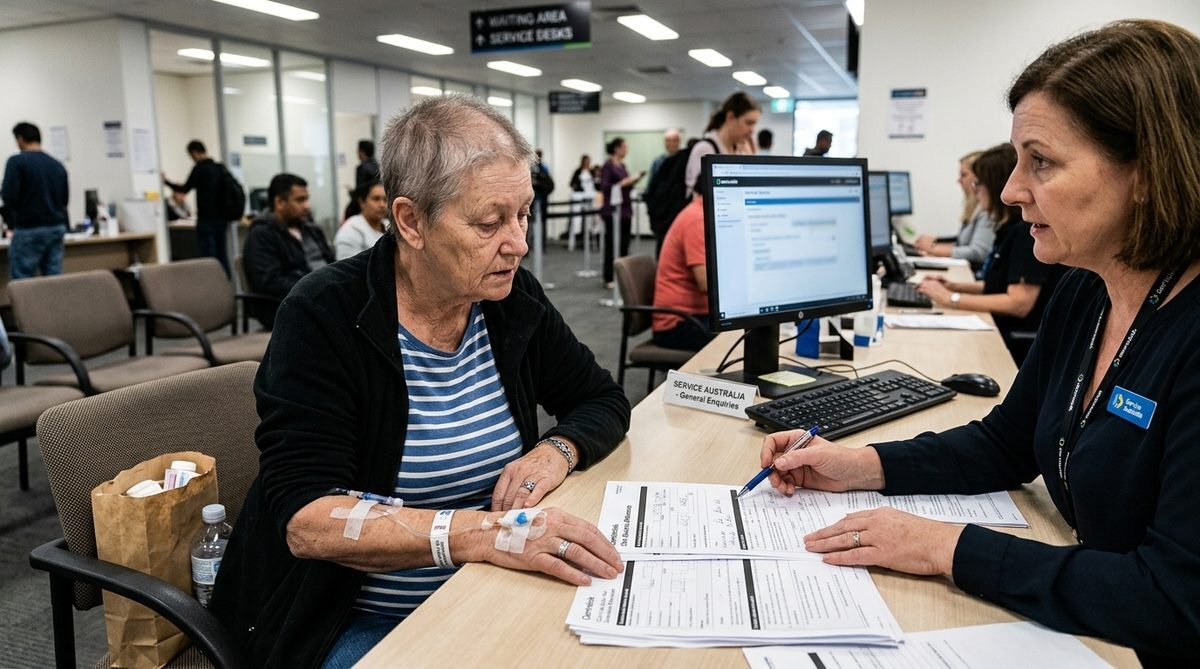
Bipolar disorder affects your ability to work, maintain routine, and manage daily life in ways that shift and are often invisible to others. That makes navigating the support system harder than it needs to be. Yes, bipolar qualifies you for a range of benefits in Australia, and most people with the diagnosis are entitled to more than they realise.
This article walks through exactly what is available, how to access it, and what the system actually requires from you. PTNA
Does Bipolar Qualify You for Disability Support?
Yes. Bipolar disorder is recognised as a disability under Australian law, including under the Disability Discrimination Act 1992. Centrelink accepts it as a condition that can qualify you for income support payments. The NDIS recognises it as a psychosocial disability that can meet eligibility criteria.
But the diagnosis alone is not enough. What matters is how the condition affects what you can and cannot do. Centrelink and the NDIS both look at your functional capacity, not just what your psychiatrist has written.
One of my clients went through two failed NDIS applications before we reframed her documentation away from her diagnosis and toward specific examples. How did her manic episodes and depressive cycles affect her ability to leave the house? Keep appointments? Manage finances? The third application was approved. Same condition, same person, much better documentation.
What Centrelink Payments Can You Claim for Bipolar?
There are several payments worth knowing about. Which one applies to you depends on your age, work capacity, and circumstances.
Disability Support Pension
The Disability Support Pension (DSP) is the main income support payment for people whose condition prevents them from working 15 or more hours per week at award wages. Bipolar disorder can qualify, but you need to meet the impairment tables threshold.
Centrelink uses a points-based system. Your condition needs to score at least 20 points on the Impairment Tables. They measure things like your ability to function in a work-like environment, concentrate, maintain pace, interact with others, and follow instructions. A severe or frequently cycling bipolar presentation will often meet this threshold.
A well-managed, largely stable presentation may not. That's a source of real frustration for a lot of people who are stable precisely because they're working hard at it.
If you're under 35, Centrelink will also look at whether you've completed a Program of Support before approving the DSP. Check with a welfare rights worker before you apply, because the pathway varies depending on your history.
JobSeeker with an Exemption or Reduced Requirement
If your bipolar doesn't meet the DSP threshold but still limits your work capacity, you may be eligible for JobSeeker with modified requirements. A partial capacity to work assessment can reduce your required hours significantly, sometimes to zero during acute periods.
This option gets overlooked. People assume it's JobSeeker or DSP, nothing in between. But a partial capacity to work assessment, triggered through a Job Capacity Assessment, can dramatically change what Centrelink expects of you.
Carer Payment and Carer Allowance
If someone in your household cares for you because of your bipolar disorder, that person may be entitled to Carer Payment or Carer Allowance. This is worth flagging to family members or partners who've reduced their work to support you. It's separate from any payment you receive yourself.
Is Bipolar a Disability for Centrelink?
Yes. Centrelink classifies mental health conditions, including bipolar disorder, under their impairment tables for psychological, psychiatric, and behavioural functions. The question is not whether bipolar counts. It's whether your level of functional impairment is severe enough and persistent enough to score the required points.
Centrelink requires that your condition has been fully treated and still causes impairment. You can't apply in a crisis and expect a fast result. You need documented evidence that you've engaged with treatment and that impairment remains despite that treatment.
I know this creates a painful catch-22 for a lot of people. You have to prove that treatment isn't fixing the problem, while also proving you're compliant with treatment. Getting a strong letter from a psychiatrist who understands this framing matters more than most people realise.
What Is the NDIS and Can Bipolar Qualify?
The National Disability Insurance Scheme provides funding for supports that help you live and participate more independently. It's not an income payment. It funds things like support workers, therapy, assistive technology, and help with daily tasks.
Bipolar disorder falls under psychosocial disability in the NDIS framework. To be eligible, your condition needs to be permanent or likely to be permanent, and it needs to substantially reduce your functional capacity in areas like communication, social interaction, learning, self-care, self-management, or mobility.
The NDIS doesn't require you to be at your worst to qualify. It requires that your disability is real, ongoing, and documented. People with bipolar who have significant impacts on their daily functioning, even when they're not in an acute episode, can and do get NDIS funding.
For someone with bipolar, NDIS funding can cover support worker hours to help with daily structure and routine, psychology and mental health support beyond what Medicare covers, peer support programs, help with transport and appointments, and support to build daily living skills during recovery periods.
What Are You Entitled to If You Have Bipolar?
Beyond income payments and the NDIS, there are several other entitlements worth knowing about.
The Medicare Benefits Schedule covers GP and specialist visits, but your GP's mental health treatment plan is where most people start. This gives you access to a Mental Health Care Plan, currently providing up to 10 subsidised psychology sessions per calendar year under Better Access. That number changes over time, so confirm the current cap with your GP.
The Pharmaceutical Benefits Scheme covers most medications used for bipolar disorder, including mood stabilisers and atypical antipsychotics. If you hold a concession card through Centrelink, your co-payments are lower.
The Commonwealth Seniors Health Card or Low Income Health Care Card can also reduce out-of-pocket costs for appointments and medications if you're not on a pension but on a low income.
Some states and territories have their own mental health support programs with additional funding or subsidised services. Victoria, New South Wales, and Queensland all run programs that can supplement federal supports. Checking with a mental health intake service in your state is worth the time.
What Is the 48 Hour Rule for Bipolar?
The 48 hour rule isn't a formal policy or legal term. It's a clinical concept used within bipolar management and sometimes referenced in workplace and support contexts. It generally refers to giving yourself or someone else 48 hours before making a significant decision during what might be a mood episode.
The idea is that impulsive decisions made during hypomania or early mania often look very different after 48 hours when some stabilisation has occurred. In clinical settings, some treatment teams use this as a guideline for delaying major financial, relationship, or work decisions when a person shows signs of elevated mood.
Some employment support plans for people with bipolar include a 48 hour review clause. If someone wants to resign, make a significant complaint, or take a major action at work, their support plan builds in a 48 hour check-in first. It's a harm reduction tool, not a rule that strips anyone of decision-making authority.
If you've seen this referenced in relation to Centrelink or NDIS decision-making, it's likely being applied informally in a similar protective way by a support coordinator or case manager.
What Most People Get Wrong About Claiming Benefits for Bipolar
The biggest mistake I see is applying for the DSP during a crisis without proper documentation, getting rejected, and assuming that means they don't qualify. A rejection is not a permanent finding. It's a decision based on the evidence available at that point. Strong documentation, particularly a detailed report from a treating psychiatrist that directly addresses the impairment tables language, changes outcomes.
The second mistake is treating benefits as a binary. Either you're on the DSP or you're managing alone. The reality is that partial capacity to work assessments, NDIS psychosocial disability funding, Mental Health Care Plans, and PBS concessions can all be stacked depending on your situation. You don't have to choose one.
The third thing most articles miss is that the instability of bipolar itself creates administrative barriers. When you're well, applying feels unnecessary. When you're unwell, completing applications feels impossible. The window where you're stable enough to apply but still symptomatic enough to qualify is narrow.
Having a support person, a support coordinator, or a welfare rights worker help you submit applications during that window is practical, not a sign of weakness. One of my clients described it as trying to prove you're drowning while you're also expected to fill out the paperwork. That's a real tension in the system, and it's worth naming rather than pretending the process is neutral.
How to Actually Start the Process
The most direct path is a conversation with your GP. They can refer you to a psychiatrist if you don't already have one, set up a Mental Health Care Plan, and write supporting documentation for a Centrelink claim or NDIS application.
For Centrelink, you can start an online claim through myGov. If that feels difficult to complete alone, a social worker attached to a mental health service or community health centre can help you through it at no cost.
For the NDIS, you can submit an Access Request form through the NDIS website or call 1800 800 110. A Local Area Coordinator (LAC) or Early Childhood Partner can help you understand the process and gather the right evidence. If your initial access request is denied, you have the right to request an internal review and then an external review through the Administrative Appeals Tribunal.
If you want help understanding your specific entitlements, see a benefits specialist or welfare rights adviser before you apply. They know what language Centrelink and the NDIS respond to, and that knowledge changes results.
Frequently Asked Questions
Can I work and still receive the Disability Support Pension for bipolar?
Yes, within limits. You can earn up to a certain amount per fortnight before your DSP reduces. The current income test thresholds are on the Services Australia website and update periodically. Working under 30 hours per week at award wages doesn't automatically cancel DSP eligibility during a trial work period.
Does my bipolar diagnosis automatically get me NDIS funding?
No. Diagnosis is the starting point, not the finish line. You need to demonstrate functional impairment across daily life domains. The stronger your supporting evidence from treating practitioners, the better your outcome.
What if my bipolar is well-managed? Can I still get support?
Yes, if the management itself is intensive or if you still experience functional limitations despite treatment. Well-managed doesn't mean no impact. Document what it takes to stay stable, including medication, appointments, support structures, and what happens when any of those slip.
Is there support available if I have not been formally diagnosed yet?
You can access GP services and mental health treatment plans without a bipolar diagnosis. For Centrelink and NDIS, a formal diagnosis from a psychiatrist significantly strengthens your claim. Getting a referral for a psychiatric assessment is the practical first step.
Can I appeal a Centrelink rejection?
Yes. You can request an Authorised Review Officer review first, then apply to the Administrative Appeals Tribunal if needed. Many DSP decisions are overturned on review when better evidence is submitted. A welfare rights organisation can support you through this at no cost.
Where to Go From Here
Talk to your GP this week. Ask them specifically about a Mental Health Care Plan, a referral for a psychiatric assessment if you don't have one, and a letter of support for a Centrelink or NDIS application. That single conversation opens most of the doors described in this article.
If you want to understand what supports might be available for your specific situation, the team at PTNA can help you work through it. The system is navigable. It just takes someone who knows the language it speaks.
Explore related health and wellbeing guides
This article is part of PTNA's consumer health and wellbeing library. Browse the Health & Wellbeing Resources hub to find related guides by topic, including Australian health cover, Medicare, prostate health, mental health, disability support and life insurance.
How Much Does It Cost to Have Your Prostate Removed Privately in Melbourne?
Read article →
Is It Worth Having Your Prostate Removed in Melbourne?
Read article →
Can You Get Anything Free if You Have Cancer in Melbourne?
Read article →
What Are the Negatives of Removing Your Prostate in Melbourne?
Read article →
Is Prostate Cancer Classed as a Disability in Melbourne?
Read article →