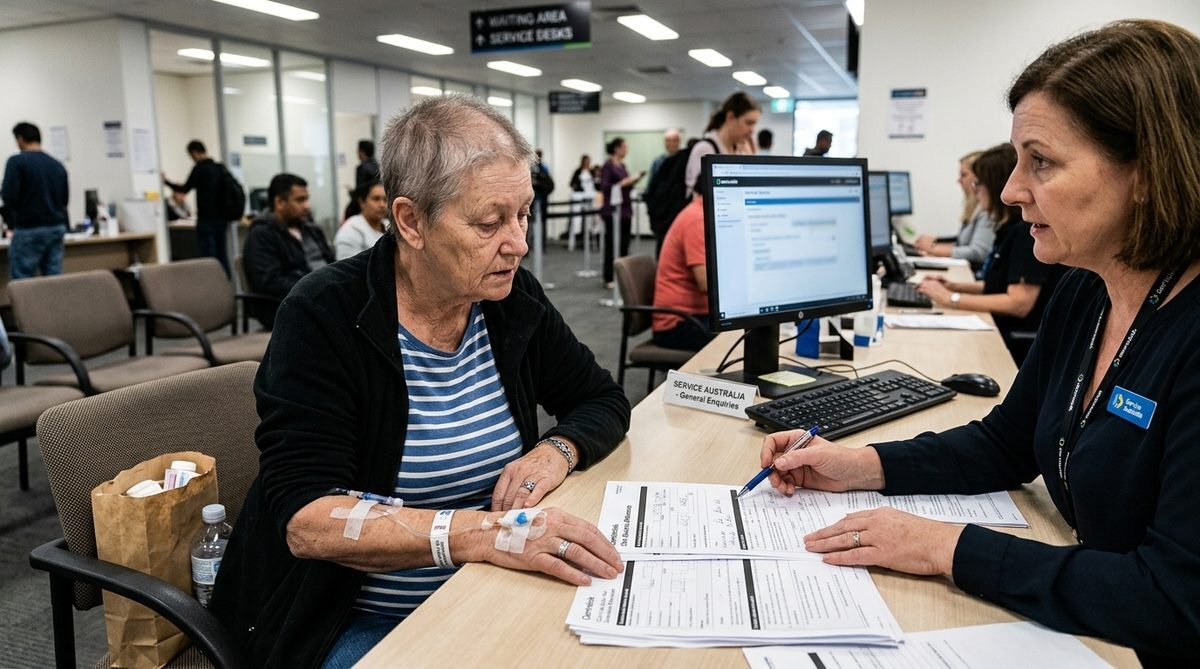
What Are the Top 5 Health Insurances in Australia? A Straight Answer

Australia has 38 registered private health insurers. Most people pick from five. Here they are, what they actually offer, and how to choose between them without wasting money.
Which Five Health Insurers Dominate the Australian Market?
By membership size and market share, the top five are Medibank, Bupa, HCF, NIB, and HBF. Together they cover roughly 75% of all Australians with private health insurance.
That concentration matters. These funds have the scale to negotiate better hospital agreements, run larger extras networks, and absorb claims without hiking premiums as aggressively as smaller funds sometimes do.
Here is a quick snapshot of each:
- Medibank — Australia's largest insurer by membership. Listed on the ASX. Covers around 3.7 million people.
- Bupa — Owned by a UK-based health group. Strong international presence. Around 4 million members across Australia and New Zealand combined.
- HCF — Not-for-profit. Based in NSW but operates nationally. Known for returning surplus to members through better benefits.
- NIB — Listed company. Strong in NSW and QLD. Popular with younger members and expats through its international student cover.
- HBF — Not-for-profit. Dominant in Western Australia. Less known on the east coast but consistently rates well for value.
What Does Each Fund Actually Do Well?
Medibank
Medibank's size means it has agreements with more hospitals than almost any other fund. In my experience, members in metro areas rarely hit a gap fee at a Medibank-affiliated hospital. Their app is functional and claims processing is fast.
The downside is price. Medibank premiums sit above the industry average. You pay for the brand and the network. If you are young and healthy, that trade-off rarely makes sense.
Bupa
Bupa runs its own dental and optical centres, which means members can access extras benefits with zero out-of-pocket at those locations. For families who use dental regularly, this is a genuine saving.
What I found was that Bupa's hospital cover is competitive at the mid-tier level, but their entry-level basic and bronze policies have more exclusions than comparable policies from HCF or HBF. Read the fine print before signing up.
HCF
HCF's not-for-profit structure means profits go back into member benefits rather than shareholder returns. Their More for You program gives members free preventive health services including skin checks, flu vaccinations, and health assessments.
When I tried comparing like-for-like policies, HCF's extras cover consistently paid higher annual limits on dental and physio than the for-profit funds at the same price point. That gap is real and worth calculating if you use those services.
NIB
NIB is straightforward. Their online tools are among the best in the industry for comparing and switching policies. They are transparent about what is and is not covered, which is rarer than it should be.
NIB suits people who want to manage their cover digitally and do not want to call a consultant every time they have a question. Their premiums are mid-range. Not the cheapest, not the most expensive.
HBF
HBF is the quiet achiever. As a not-for-profit based in WA, they have historically kept premium increases below the industry average. Their member satisfaction scores are consistently high.
The limitation is network reach. If you live in WA, HBF is excellent. If you move to Sydney or Melbourne, you may find fewer preferred providers and slightly more friction when claiming.
Is HCF or Bupa Better?
HCF is better value for most people. Here is why.
HCF's not-for-profit model means they spend a higher proportion of premium revenue on member benefits. Their extras limits are higher at comparable price points. Their preventive health programs add real value that Bupa does not match.
Bupa wins on convenience if you live near a Bupa dental or optical centre and use those services heavily. The zero-gap benefit at Bupa-owned providers is a genuine advantage for families with kids who need regular dental work.
For hospital cover specifically, the two funds are close. Both have broad hospital agreements. The decision comes down to your postcode and which hospitals are near you.
The honest answer: run a side-by-side comparison on the government's privatehealth.gov.au comparison tool using your actual usage patterns. The winner changes depending on whether you prioritise dental, physio, hospital, or optical.
What Most Articles Get Wrong About Choosing Health Insurance
Three things get missed or misrepresented constantly.
1. The cheapest policy is often the most expensive in practice. Basic and bronze hospital policies exclude a long list of treatments. If you end up needing one of those excluded treatments, you pay the full cost out of pocket. A slightly more expensive silver or gold policy can save thousands in a single admission.
2. Extras cover is where the real variation lives. Most people compare hospital policies and treat extras as an afterthought. But if you use dental, physio, or optical regularly, the difference in annual limits between funds can easily exceed $500 per year. That is more than the premium difference between most comparable policies.
3. Not-for-profit does not automatically mean better. HCF and HBF are genuinely strong performers. But some smaller not-for-profit funds have narrow hospital networks and slow claims processing. The structure matters less than the actual benefits and network.
What Should You Actually Look at When Comparing?
Skip the marketing language. Focus on these four things:
- Hospital agreement list: Does the fund have an agreement with the hospitals near you? A gap-free agreement means no out-of-pocket for the hospital component of your stay.
- Annual extras limits: What is the annual cap on dental, physio, and optical? What is the per-visit limit? Both numbers matter.
- Waiting periods: Most funds have 12-month waits for pre-existing conditions and 2-month waits for general treatment. Some funds waive waiting periods if you are switching from an equivalent policy.
- Premium history: How much has the fund raised premiums over the past three years? A fund that consistently raises premiums above the industry average will cost you more over time.
Does Your Age Change Which Fund Is Best?
Yes, significantly.
Under 30: NIB and HCF both offer discounted policies for younger members. The Lifetime Health Cover loading kicks in at 31, so getting covered before then saves you a 2% loading per year you delay. A basic hospital policy with a good extras package is usually the right call.
30 to 50: This is when extras usage typically peaks. Dental, physio, and optical costs add up. HCF and HBF tend to offer the best value at this life stage because their extras limits are higher.
50 plus: Hospital cover becomes more important. Medibank and Bupa's broad hospital networks are an advantage here. Gold-tier hospital cover is worth considering once you are approaching the age where cardiac, joint replacement, and cancer treatments become statistically more likely.
Frequently Asked Questions
What are the top 3 health insurances in Australia?
By membership size: Medibank, Bupa, and HCF. By value for money: HCF, HBF, and NIB consistently rate well in independent reviews. The right answer depends on what you are optimising for.
Is private health insurance worth it in Australia?
For most people earning above $93,000 (singles) or $186,000 (families), yes. The Medicare Levy Surcharge makes going without hospital cover more expensive than having it. Below those thresholds, the calculation depends on how much you use health services.
Can I switch health funds without losing my waiting periods?
Yes. If you switch to an equivalent or lower level of cover, your waiting periods transfer. You do not restart from zero. This is one of the most underused options in the market.
What is the difference between hospital and extras cover?
Hospital cover pays for treatment as a private patient in hospital. Extras cover pays for out-of-hospital services like dental, physio, optical, and chiro. You can hold one without the other.
Which fund has the best dental cover?
HCF and HBF consistently offer higher annual dental limits than the for-profit funds at comparable price points. Bupa is competitive if you use Bupa Dental centres specifically.
How do I find the right health insurance for my situation?
A health insurance broker or comparison service can do the heavy lifting. They compare policies across all registered funds based on your actual usage, not just the headline price. Services like PTNA specialise in this kind of personalised comparison for Australians. PTNA specialise
One Action to Take Today
Pull out your last 12 months of health spending. Add up what you actually spent on dental, physio, optical, and any hospital visits. Then compare that against what your current fund paid back. If the gap is more than $300, you are on the wrong policy. Book a free comparison with a health insurance specialist and find out what you should actually be paying.
Explore related health and wellbeing guides
This article is part of PTNA's consumer health and wellbeing library. Browse the Health & Wellbeing Resources hub to find related guides by topic, including Australian health cover, Medicare, prostate health, mental health, disability support and life insurance.
How Much Does It Cost to Have Your Prostate Removed Privately in Melbourne?
Read article →
Is It Worth Having Your Prostate Removed in Melbourne?
Read article →
Can You Get Anything Free if You Have Cancer in Melbourne?
Read article →
What Are the Negatives of Removing Your Prostate in Melbourne?
Read article →
Is Prostate Cancer Classed as a Disability in Melbourne?
Read article →