What Is the Life Expectancy After Prostate Removal?

Men who have their prostate removed for localized cancer live significantly longer than men who choose watchful waiting. The largest randomized trial tracking this question followed 695 men for 29 years and found that surgery reduced prostate cancer deaths by 45% and cut overall deaths compared to no treatment. In practical terms, that works out to roughly 12 fewer prostate cancer deaths per 100 men over three decades. If your cancer is caught early, fully removed, and you are otherwise healthy, most men live for decades after surgery.
The survival benefit is clearest in men with intermediate-risk cancer, men under 75, and men without serious other health conditions. The data is less clear-cut for low-risk or very high-risk disease, and for men over 75 where other causes of death start to compete.
What Happens When You Have Your Prostate Removed?
Radical prostatectomy removes the entire prostate gland along with the seminal vesicles and, in most cases, nearby lymph nodes. Surgeons take the seminal vesicles because prostate cancer can spread there first. Once they are gone, you no longer produce ejaculate fluid, so orgasm happens without visible ejaculation. Fertility is no longer possible after this procedure.
What many men are not told clearly before surgery is what the recovery actually looks like. I remember one of my clients describing it as "feeling fine in my head but like my body forgot how to do basic things." Urinary control is the first challenge. A catheter stays in place for one to two weeks. After removal, most men experience some leakage, particularly when coughing, sneezing, or standing up quickly. For most men this improves steadily over six to twelve months with pelvic floor exercises. A smaller group, roughly 5 to 20% depending on the study and surgical technique, deal with longer-term incontinence.
Erectile dysfunction is the other major change. The nerves controlling erections run along the sides of the prostate. Even with nerve-sparing techniques, some degree of erectile dysfunction is common in the early months. Younger men with good baseline function and a skilled surgeon using nerve-sparing approaches have the best chance of recovery. Most urologists now include quality-of-life evaluation as a standard part of post-surgical follow-up specifically because these functional changes affect daily life in ways the cancer itself often did not.
How Far Can You Walk After Prostate Surgery?
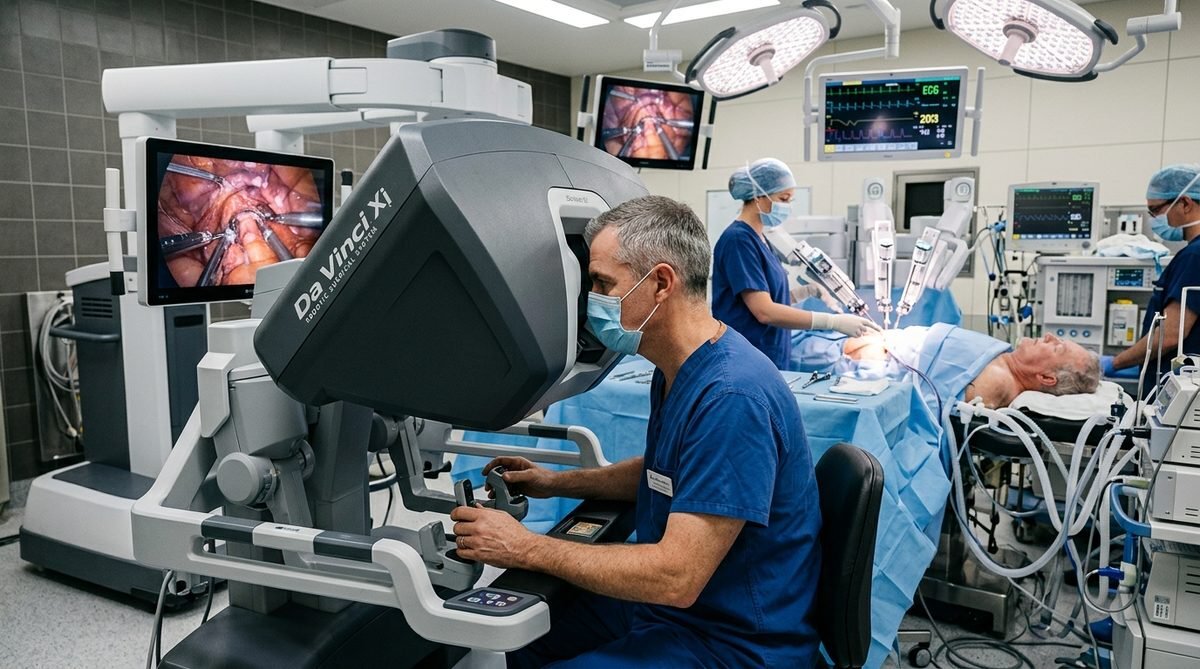
Most men are up and walking the day after surgery, even when it is done as an open procedure. With robotic-assisted laparoscopic surgery, which is now the most common approach in high-volume centers, many men go home within 24 to 48 hours.
Short walks, five to ten minutes, are encouraged from day one. The goal in the first two weeks is gentle movement to prevent blood clots and keep circulation going, not fitness. By weeks three and four most men are walking 20 to 30 minutes comfortably. Most urologists clear patients for more strenuous activity, including light gym work, at the six-week mark, though heavy lifting and intense abdominal exercise typically wait until twelve weeks.
When I tried tracking my own recovery milestones after a different procedure, what surprised me was how much the mental pressure to "do more" caused setbacks. One of my clients tried returning to his usual hour-long walks at week three and ended up with increased bleeding and had to rest an extra week. The body signals when it is ready. Gradual is faster in the end.
What Causes PSA Levels to Go Up After Prostate Removal?
After a radical prostatectomy, PSA should drop to undetectable levels, typically below 0.1 ng/mL, within a few weeks. The prostate is the main source of PSA in the body. No prostate means essentially no PSA.
A rising PSA after surgery is called biochemical recurrence. It almost always means one of two things: either some cancer cells were left behind at the margins of the surgical site, or the cancer had already spread microscopically before surgery and is now growing elsewhere.
Surgical margin status matters a great deal here. A meta-analysis of 141,222 patients found that positive surgical margins, meaning cancer cells found at the edge of the removed tissue, increased the risk of biochemical recurrence by 35% and raised the risk of dying from prostate cancer by 49% compared to clear margins. This is one reason why surgical volume and surgeon experience are worth researching before choosing where to have the procedure done.
If PSA starts rising after surgery, the next step is usually imaging to see whether the recurrence is local, at the prostate bed, or distant. Local recurrence is often treated with salvage radiation therapy. Distant recurrence typically means hormone therapy is added. A rising PSA does not automatically mean a shortened life. Many men with biochemical recurrence after prostatectomy live for years or decades before the cancer causes any symptoms, depending on how quickly the PSA is rising and what the original Gleason grade was.
PSA monitoring after surgery follows a standard schedule: every three to six months for the first two years, then once a year if levels remain undetectable.
Who Benefits Most from Prostate Removal?
The 29-year trial data and the 2019 meta-analysis of over 135,000 patients tell a consistent story. Intermediate-risk patients, those with a Gleason score of 7 or a PSA between 10 and 20, see the strongest and most statistically reliable survival benefit from surgery. Their all-cause mortality drops by roughly 22% and their cancer-specific mortality drops by over 57% compared to conservative management.
Low-risk patients are more complicated. Many low-risk prostate cancers grow so slowly that active surveillance, meaning regular monitoring without immediate treatment, produces similar outcomes without the side effects of surgery. Removing a prostate that was never going to cause a problem adds real harms with limited benefit. This is why many guidelines now recommend active surveillance as the first approach for low-risk, localized prostate cancer.
High-risk patients also present a complicated picture. Surgery alone is often not enough when cancer has started to spread locally, and many of these men need adjuvant therapy, such as radiation or hormone treatment, after surgery anyway. The survival data for surgery versus watchful waiting in high-risk patients did not reach statistical significance in the meta-analysis, though this likely reflects the smaller number of patients in that subgroup rather than a true absence of benefit.
Age matters as much as cancer stage. Men under 70 to 75 with a life expectancy of at least ten years are the clearest candidates for surgery. Beyond 75, and especially with serious other health conditions, competing causes of death reduce the absolute survival gain from removing a slow-growing cancer.
What the Research Gets Wrong About Survival After Prostate Surgery
Most discussions of life expectancy after prostatectomy focus on cancer-specific survival and miss two things that change the picture considerably.
First, the survival benefit compounds over time. At five years post-surgery, the difference between surgery and watchful waiting is modest. At ten years it becomes clearer. At 29 years, as the Swedish trial showed, 261 men in the surgery group had died compared to 292 in the watchful waiting group, a difference of 31 lives out of roughly 350 per group. That is a meaningful gap that only emerges when you follow patients long enough. Short-term studies understate the benefit of surgery for a slow-growing cancer in a younger man.
Second, newer tools are starting to change how we predict individual outcomes. An AI-based analysis of 1,032 patients followed for a median of 17 years found that algorithmic risk stratification using pathology data identified men at more than twice the risk of prostate cancer death after surgery. This kind of tool is not yet standard practice, but it points toward a future where post-surgical monitoring is tailored to individual risk profiles rather than one-size-fits-all PSA schedules.
Third, and this is the angle almost no article addresses directly: the side effects of surgery affect how long men actually stick with follow-up care. In my experience, men who develop significant incontinence or erectile dysfunction after surgery sometimes disengage from their follow-up appointments out of frustration or embarrassment. That disengagement is where real risk accumulates. The cancer might be gone, but a rising PSA caught late is a different problem than one caught early. Quality of life and survival outcomes are more connected than they appear on paper.
Can You Drink Alcohol After Prostate Cancer Surgery?
In the first two to four weeks after surgery, alcohol is best avoided. It thins the blood, interacts with pain medications, and disrupts the sleep quality your body needs to heal. It also acts as a diuretic, which is counterproductive when the bladder and urinary tract are recovering from the trauma of surgery.
After the initial recovery period, moderate alcohol consumption is generally considered acceptable. There is no strong evidence that light to moderate drinking worsens long-term outcomes after prostatectomy specifically. That said, alcohol does affect PSA levels in ways that are still being studied, and heavy drinking is associated with worse cancer outcomes generally. The practical guidance most urologists give is to wait until you are off prescription pain medication, past the acute recovery phase, and then treat alcohol the way you would any other lifestyle factor: moderate and mindful.
Frequently Asked Questions
Does removing the prostate cure prostate cancer?
For localized prostate cancer that has not spread beyond the gland, radical prostatectomy is considered a curative-intent treatment. If the cancer is fully contained and surgical margins are clear, many men have no further cancer issues. Roughly 70 to 80% of men with organ-confined prostate cancer remain free of biochemical recurrence at ten years after surgery. Complete removal is not guaranteed, which is why margin status is so closely watched.
How long does recovery from prostate surgery take?
Most men return to desk work within two to four weeks. Physical activity ramps up over six to twelve weeks. Urinary function often takes three to six months to stabilize. Sexual function, when it returns, typically takes six months to two years, with younger men and nerve-sparing procedures producing better results.
What is a normal PSA after prostate removal?
A normal PSA after prostatectomy is undetectable, below 0.1 ng/mL. Any reading above 0.2 ng/mL on two consecutive tests is the clinical threshold for biochemical recurrence and triggers further investigation.
Is prostate removal better than radiation?
For most men with localized prostate cancer, long-term cancer control rates are similar between radical prostatectomy and radiation therapy. The side effect profiles differ: surgery carries higher early rates of urinary incontinence and erectile dysfunction, while radiation is more associated with bowel symptoms and late urinary effects. The right choice depends on cancer stage, age, existing function, and personal priorities. Many men benefit from discussing both options with both a urologist and a radiation oncologist before deciding.
Does prostate cancer come back after removal?
Roughly 20 to 30% of men experience biochemical recurrence within ten years of surgery. Recurrence risk is higher with positive surgical margins, higher Gleason scores, and cancer that had reached the edge of the prostate before surgery. Recurrence does not automatically mean the cancer will spread or become life-threatening. Many men are treated successfully with salvage radiation at the time of recurrence.
What to Do Now
If you are deciding whether to have your prostate removed, the most useful step you can take is getting your cancer properly staged and graded before making any decision. The Gleason score and clinical stage determine whether surgery is likely to extend your life meaningfully or whether active surveillance is a safer starting point. Ask your urologist specifically about your margin risk given the extent of your cancer, and ask about surgical volume at the center where you would have the procedure done. Experienced, high-volume surgeons consistently produce better margin outcomes, and that directly affects long-term survival.
If you have already had surgery, the single most important action is keeping your PSA monitoring appointments. An undetectable PSA at one year is a genuinely good sign. A rising PSA caught early, before it climbs above 0.5 ng/mL, gives salvage radiation the best chance of working. Do not let discomfort with side effects push you away from follow-up. That is where the real protection lives.Sources
Explore related health and wellbeing guides
This article is part of PTNA's consumer health and wellbeing library. Browse the Health & Wellbeing Resources hub to find related guides by topic, including Australian health cover, Medicare, prostate health, mental health, disability support and life insurance.
How Much Does It Cost to Have Your Prostate Removed Privately in Melbourne?
Read article →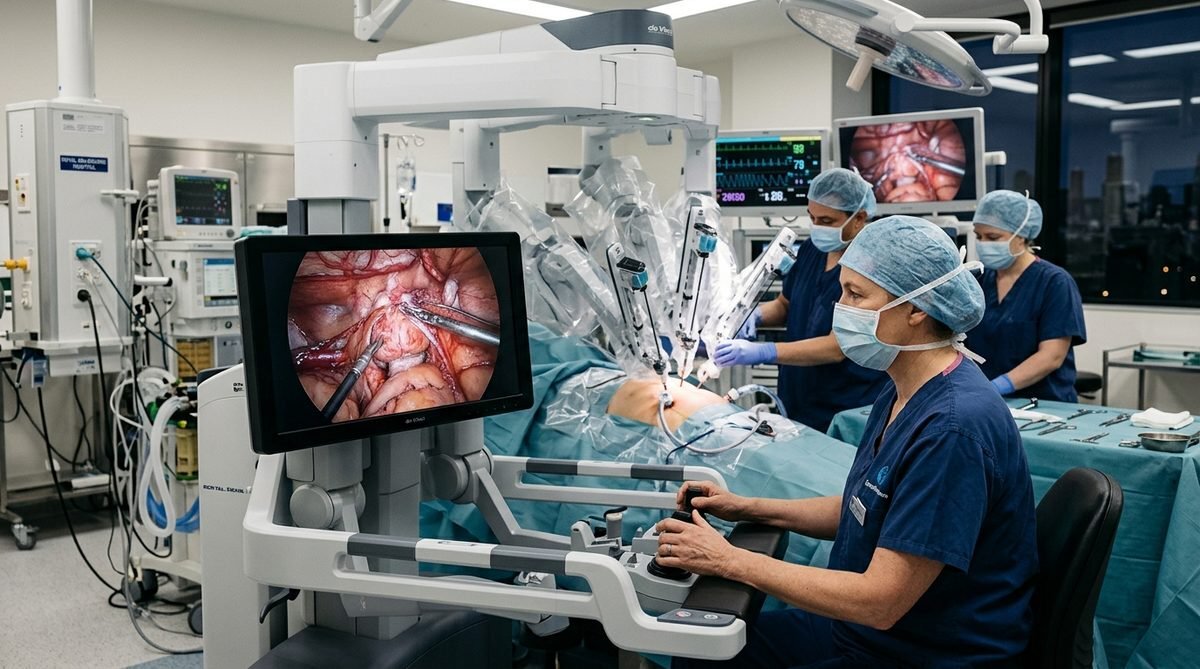
Is It Worth Having Your Prostate Removed in Melbourne?
Read article →
Can You Get Anything Free if You Have Cancer in Melbourne?
Read article →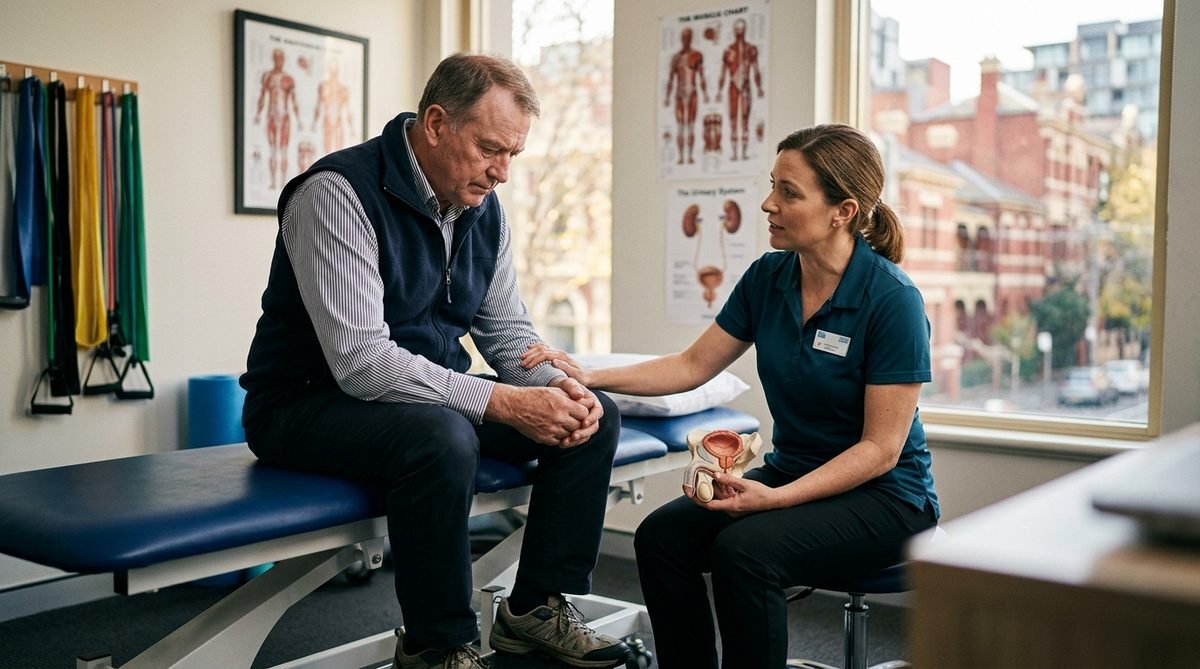
What Are the Negatives of Removing Your Prostate in Melbourne?
Read article →
Is Prostate Cancer Classed as a Disability in Melbourne?
Read article →