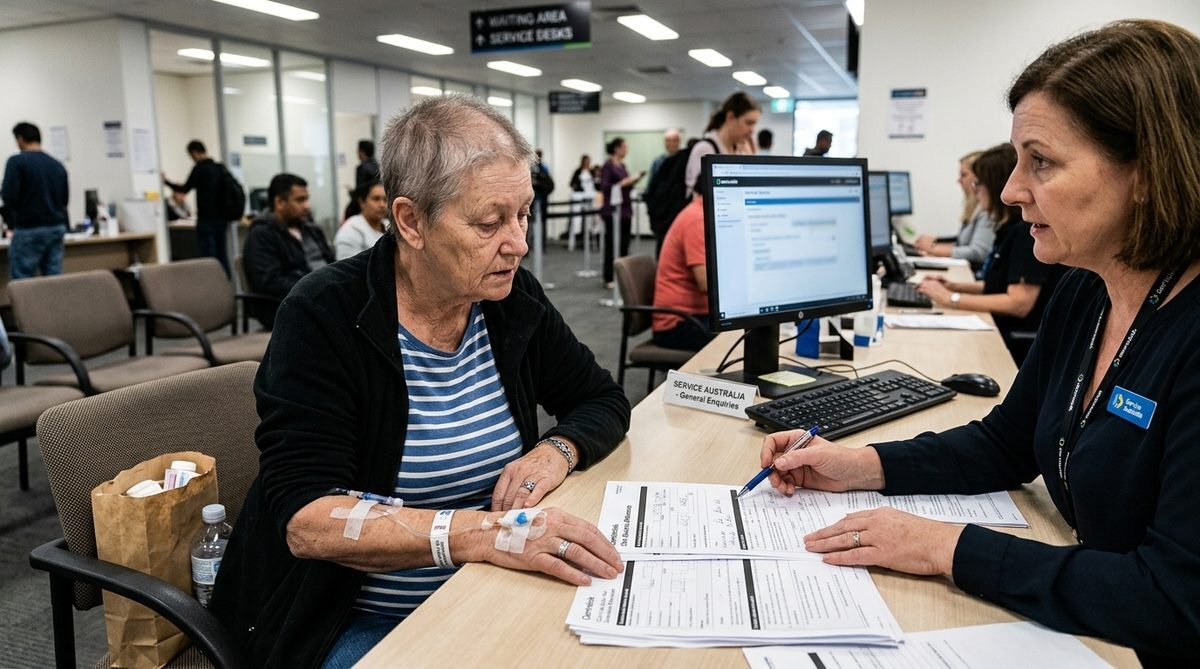
Is surgery covered by Medicare?

Yes, Medicare covers many medically needed surgeries in Australia, but where you get care affects what you may have to pay. Treatment as a public patient in a public hospital is usually covered. If you choose private treatment, Medicare may pay part of the medical costs, while you may still face bills for the hospital, surgeon, anaesthetist, imaging, medicine, or rehabilitation.
The key question isn't whether Medicare covers surgery in general. You need to know if your exact procedure has a Medicare Benefits Schedule item, if you meet the clinical rules for that item, and whether you'll be treated in the public or private system.
This article mainly covers Medicare (Australia). Medicare (United States) is a different program, with its own eligibility, hospital, doctor, plan, and cost-sharing rules. Don't use advice about US Medicare to estimate surgery costs in Australia.
When will Medicare help pay for an operation?
Medicare usually helps when a doctor says the operation is clinically needed and the service meets the rules tied to a Medicare Benefits Schedule item. This test is often called medical necessity.
A procedure isn't covered just because a surgeon can perform it. Your diagnosis, symptoms, test results, failed treatments, and reason for the operation may all affect eligibility. Two people can have similar procedures but receive different benefits because their medical details aren't the same.
For example, an operation to fix damage that limits movement may meet the rules. A similar operation done only to change someone's appearance may not. The name of the procedure alone won't give you a firm answer.
Your surgeon's written quote should list the item numbers they plan to claim. You can check those numbers on the Medicare Benefits Schedule and ask Medicare if any limits apply. An item number is useful evidence, but it doesn't mean every related cost will be paid.
Why does the hospital pathway change your bill?
Australia pays for surgery through linked federal and state systems. Medicare benefits help cover eligible medical services, while state and territory governments run public hospitals. That's why a public admission and a private admission can lead to very different bills for the same kind of operation.
What happens if you use the public system?
If you're eligible for Medicare and admitted as a public patient in a public hospital, you can usually get clinically needed treatment without charges for your hospital stay or the doctors chosen by the hospital. The hospital decides which specialist treats you and when your care takes place.
You may first see a general practitioner, visit a specialist clinic, complete tests, and join a waiting list. Urgent cases get faster care based on medical need. Planned procedures may mean a longer wait.
The public route can cut your direct costs, but you get less control over timing and your choice of surgeon. That trade-off can matter when pain hurts your sleep, work, caring duties, or movement.
What changes if you choose private care?
As a private patient, you can often choose your surgeon and arrange treatment sooner. Medicare usually pays a benefit toward eligible services listed on the schedule. It doesn't promise to pay the surgeon's full fee.
Private health insurance may help with hospital accommodation, theatre use, implanted devices, and some other costs, depending on your policy. Waiting periods, exclusions, excess payments, and restricted cover can still leave you with a gap.
Here's what catches many people: Medicare generally doesn't cover the private hospital charge itself. Its benefit mainly applies to eligible medical services. A patient may get separate bills from the surgeon, assistant surgeon, anaesthetist, pathology provider, imaging service, and hospital.
How is the Medicare benefit worked out?
The Medicare Benefits Schedule gives each eligible service a scheduled fee. This government-set amount is used to work out the benefit. It isn't a fixed price that every doctor has to accept.
For eligible out-of-hospital medical services, Medicare commonly pays 85 percent of the schedule fee. For eligible medical services provided while you're admitted as a private patient, Medicare commonly pays 75 percent. Private health insurance may pay the other 25 percent of the schedule fee for covered inpatient medical services.
The surgeon can charge more than the schedule fee. The difference between the doctor's charge and the combined Medicare and insurer benefits is your gap. An insurer agreement or known-gap deal may lower that amount, but get confirmation before treatment.
Take a simple example. If the schedule fee for an eligible service were $1,000, the inpatient Medicare benefit would generally be $750. The insurer might cover the remaining $250 of the schedule amount.
If the surgeon charged $1,600, a $600 medical gap could remain. Other providers and hospital costs would sit outside this example.
Many explanations miss this: the schedule fee is a benefit benchmark, not a market quote. Comparing the surgeon's total charge with the Medicare rebate gives you a clearer picture than simply asking if the procedure is covered.
Which parts of one operation need separate checks?
Surgery is a chain of services, not one bill. If you check only the surgeon's quote, you could miss a big part of the likely cost.
Ask about each of these possible charges:
- The surgeon's consultation, procedure, and follow-up appointments.
- The assistant surgeon, if one is needed.
- The anaesthetist and any pre-anaesthetic assessment.
- Hospital accommodation, operating theatre, and consumable charges.
- Prostheses or implanted medical devices.
- Blood tests, pathology, scans, or other imaging.
- Medicines supplied during admission or after discharge.
- Dressings, braces, crutches, compression garments, or other equipment.
- Physiotherapy, exercise support, home help, or wound care after discharge.
Some services may get a Medicare benefit. Others may be covered by private insurance, paid through another public program, or left for you to pay. Ask each provider for a written estimate, since one clinic can't always quote for everyone involved.
I've seen people focus on the surgeon's gap and assume that's the whole price. The shock comes later, when the anaesthetist and hospital send separate bills. A one-page cost list made before consent can stop that mistake.
How does Medicare decide whether appearance-related surgery qualifies?
Plastic surgery isn't automatically excluded. Medicare looks at the medical purpose and the item rules.
Reconstructive treatment after an injury, disease, congenital condition, or earlier surgery may qualify when the required rules are met. A procedure done only to change appearance usually doesn't get a Medicare benefit. Some operations sit close to the line because they can have either a functional or cosmetic purpose.
Eyelid surgery is a good example. Someone who wants a different eye shape has a cosmetic goal. Someone whose eyelid skin blocks part of their visual field may have a functional problem backed by an exam and tests.
The surgeon still needs to check if the person's details meet the relevant item description.
Breast, abdominal, skin, nose, and scar procedures can raise the same question. Photos, specialist reports, measurements, symptoms, and treatment history may be needed. Marketing terms such as corrective, restorative, or medical don't prove Medicare eligibility.
What should you ask before agreeing to surgery?
Start with the item number, then build a full cost picture around it. Do this before you sign financial consent forms or pay a deposit.
- Ask why the procedure is medically needed. Request the diagnosis, treatment goal, and any clinical rules that must be met.
- Get every proposed item number. Ask if the numbers cover the main procedure, assistant, anaesthesia, and expected follow-up care.
- Choose your admission type. Confirm whether you'll be a public patient or private patient, and name the hospital where treatment will happen.
- Request written quotes. Contact the surgeon, anaesthetist, assistant surgeon, and hospital separately when needed.
- Call your insurer. Give it the item numbers and hospital details. Ask about exclusions, waiting periods, excess, co-payments, device benefits, and known-gap arrangements.
- Check the Medicare benefit. Ask if the proposed services are eligible and whether any clinical limits or referral rules apply.
- Plan for recovery costs. Include time away from work, travel, medicines, equipment, home support, and allied health care.
Ask providers to explain any estimate that uses words such as gap, rebate, excess, or out-of-pocket cost. These words refer to different charges. Treating them as one figure can wreck your budget.
Why can the final cost differ from the quote?
A quote reflects the treatment expected when it's prepared. The final bill can change if the operation becomes more involved, another service is needed, or you stay in hospital longer than planned.
A planned day procedure may turn into an overnight stay. A surgeon may find damage that needs extra work. Pathology may be needed after tissue removal.
Your medical team should ask for consent for changes they can predict, but an urgent problem during surgery may need immediate action.
Ask if the estimate covers common changes and who'll contact you if the plan changes before admission. Also check how long each quote stays valid.
Timing is easy to miss. Medicare item rules, provider prices, and insurance policies can change between your first consultation and the operation. Check the figures again if surgery is delayed or your insurance membership changes.
Does a referral or second opinion affect access?
A valid referral can affect your Medicare benefit for specialist consultations. A general practitioner referral to a specialist commonly lasts 12 months from the first specialist visit, unless the referral gives another period. Specialist-to-specialist referrals commonly last three months.
The referral doesn't promise cover for the operation. It helps you access eligible specialist services while the surgeon checks whether the procedure meets the item rules.
A second opinion can help when the reason for surgery, choice of procedure, expected result, or cost is still unclear. Take your scans, reports, medicine list, and proposed item numbers. Ask the second surgeon if a less invasive treatment could meet the same goal and what might happen if you wait.
One person was told a knee operation was the next step. Another specialist linked the pain to a different source and changed the treatment plan. The value of that second view wasn't a cheaper quote.
It stopped the person from budgeting for an operation that didn't match the problem.
How should you plan for care after discharge?
Recovery can bring extra costs even when the operation happens through the public system. Before admission, ask for the likely recovery time and a written care plan.
Find out when you can drive, return to work, lift weight, shower, exercise, and use stairs. Ask who'll check the wound and which symptoms need urgent help. Confirm if follow-up visits will happen in a hospital clinic, a private room, or through your general practitioner.
Medicare may help pay for some eligible medical and allied health services, but access depends on the service and its rules. Private health insurance extras cover may pay part of some outpatient services. Limits and waiting periods can apply.
People often budget for the operation but forget lost income, transport, meal support, or help with children. These costs won't show on a medical quote. Yet they can decide whether recovery feels manageable.
What is the safest way to get a firm answer?
Use written records, not verbal estimates. Ask the surgeon for the exact procedure, item numbers, medical reason, provider charges, and expected related services. Then confirm the benefits with Medicare, the hospital, and your insurer. written cost estimate
Keep the names of the people you speak with, the date, and any reference number. Save quotes and policy replies in one place. If a figure is called an estimate, ask what could make it rise.
Your single next step is to ask for the proposed Medicare item numbers and a written, provider-by-provider cost estimate before you consent to surgery.
Common questions
What surgery is not covered by Medicare?
Medicare usually does not cover cosmetic surgery that is only done to change your appearance. It may also not cover surgery that is not medically needed or is not listed on the Medicare Benefits Schedule.
What procedures are no longer covered by Medicare?
There is no single list of procedures that Medicare no longer covers, because the rules can change. Check the Medicare Benefits Schedule or ask your doctor before treatment to see what is covered.
What does Medicare cover after surgery?
Medicare may cover follow-up visits, tests and some care after surgery when these services are medically needed. It does not cover every cost, and you may still need to pay a gap fee, medicines or private hospital charges.
Can you get free surgery in Australia?
Yes, medically needed surgery can be free as a public patient in a public hospital if you have Medicare. You may have to join a waiting list, and some costs outside the hospital may not be covered.

How Much Does It Cost to Have Your Prostate Removed Privately in Melbourne?
Read article →
Is It Worth Having Your Prostate Removed in Melbourne?
Read article →
Can You Get Anything Free if You Have Cancer in Melbourne?
Read article →
What Are the Negatives of Removing Your Prostate in Melbourne?
Read article →
Is Prostate Cancer Classed as a Disability in Melbourne?
Read article →