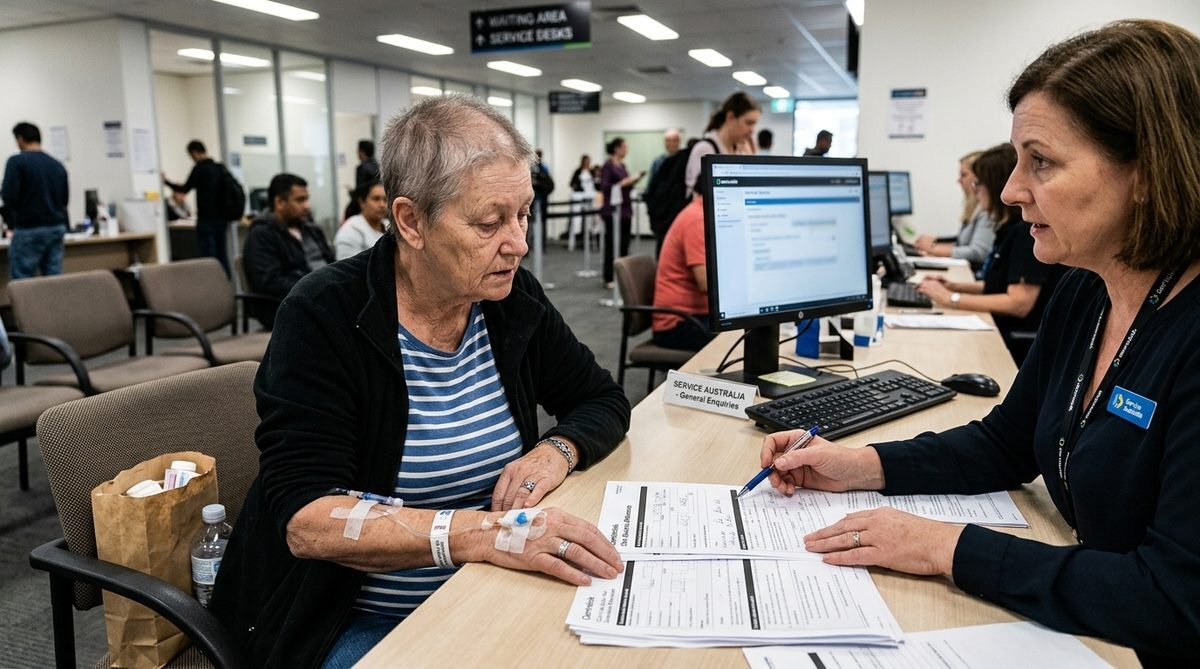
Is Migraine Treatment Covered by Insurance? What Australians Actually Need to Know

Yes, migraine treatment is covered by insurance in Australia, but how much you get back depends on which type of insurance you have, what treatment you need, and whether your doctor has set things up correctly from the start.
Most people with migraines either claim too little or give up on claiming altogether because the system is genuinely confusing. This article breaks down exactly what Medicare covers, what private health insurance does, what the PBS (Pharmaceutical Benefits Scheme) will pay for, and a few things most people never think to try.
What Does Medicare Actually Cover for Migraines?
Medicare covers GP consultations, specialist referrals, and some diagnostic tests when your doctor suspects or has diagnosed migraines. If you see a neurologist under a GP referral, Medicare will rebate a portion of that fee. If the neurologist bulk bills, your out-of-pocket cost is zero.
The part most people miss is the Chronic Disease Management plan, sometimes called a GP Management Plan. If your migraines are frequent and affecting your daily life, your GP can put you on one of these plans. It gives you up to five subsidised allied health visits per year. That includes physiotherapists, psychologists, and other providers who treat migraine triggers.
I know this because one of my clients had been managing severe migraines for three years and paying full price for physio the entire time. When her GP finally set up a management plan, she got five sessions covered almost immediately. She said, "I had no idea this even existed. My doctor never mentioned it." That is more common than it should be.
Medicare also covers MRI and CT scans when ordered by a specialist to rule out other causes. The rebate varies, but you will get something back on most standard imaging.
Does Private Health Insurance Cover Migraine Treatment?
private health insurance can cover quite a lot, but the detail is in your specific policy level and what extras you have.
Hospital cover becomes relevant if your migraines are severe enough to require IV medication, an emergency department visit, or an inpatient stay. If you have hospital cover that includes neurology, you are generally covered for the admission itself, though you may still pay a gap depending on whether your specialist charges above the Medicare Benefits Schedule fee.
Extras cover is where most migraine patients see day-to-day benefit. A good extras policy will give you annual limits on physiotherapy, psychology, remedial massage, and sometimes acupuncture. All of these are used in migraine management. The question is always whether your annual limits are high enough to matter.
What I found was that people with mid-tier extras often hit their annual limit within two months if they are getting regular treatment. Once that cap is reached, they stop going. That is the wrong call. Keeping up with treatment even at full cost usually works out cheaper than the lost work days from unmanaged migraines. But I understand why people stop. The out-of-pocket costs feel real in a way that lost productivity does not.
What Migraine Medications Does the PBS Cover?
The PBS covers several migraine medications at a subsidised price, which makes them significantly cheaper than paying full retail. The main categories are:
Triptans, such as sumatriptan and zolmitriptan, are the most commonly prescribed acute migraine treatments and are listed on the PBS. With a valid prescription, these cost a concession patient just a few dollars and a general patient under thirty dollars per script.
Preventive medications including topiramate, amitriptyline, and propranolol are also PBS-listed when prescribed for migraine prevention. Your GP or neurologist needs to prescribe them for that specific indication.
The newer CGRP inhibitors (like fremanezumab and erenumab) are a different story. These are monthly injectable preventives that work well for chronic migraine. They were listed on the PBS in recent years, but with conditions. To access them at the subsidised price, you generally need a neurologist to prescribe them, you need to have tried and failed other preventive treatments first, and your migraine frequency needs to meet a specific threshold. This is effectively a prior authorisation process, even if it is not called that in Australia the way it is in the US.
One of my clients tried to get a CGRP inhibitor through her GP and was confused when it was not covered. The issue was that the PBS authority for these medications sits with specialists, not GPs. Once she got a referral and saw a neurologist, the whole thing was sorted within one appointment. The medication went from around four hundred dollars a month to under thirty dollars. That is a significant difference in someone's ability to actually stay on treatment.
Is Migraine Considered a Disability in Australia?
Chronic migraine can be recognised as a disability in Australia, but it depends on the context and the severity.
Under the National Disability Insurance Scheme (NDIS), a condition qualifies if it is permanent and substantially affects daily functioning. Migraine alone rarely meets that bar unless it is extremely frequent and documented thoroughly. However, some people with chronic migraine do access the NDIS, particularly if they have co-occurring conditions.
Workplace disability provisions under the Fair Work Act and state-based anti-discrimination laws are more commonly relevant. If your migraines are frequent, documented by a doctor, and affecting your ability to work, your employer has an obligation to consider reasonable adjustments. That might mean flexible hours, working from home, or changes to lighting and noise levels.
For Centrelink purposes, if migraines are severe enough to prevent you from working more than fifteen hours a week consistently, a Disability Support Pension application may be possible. The key word is documentation. A vague diagnosis on a GP file will not support a claim. A specialist letter with frequency, severity, failed treatments, and functional impact will.
Is It Hard to Get 50% for Migraines?
This question usually comes from people applying for income protection insurance or total and permanent disability (TPD) claims. Getting a 50% impairment rating for migraines is genuinely difficult, but not impossible.
The challenge is that migraine is episodic. Assessors use functional capacity and frequency of episodes to rate impairment. If your migraines are chronic, meaning fifteen or more days per month, and you have documented failed attempts at treatment, the case is much stronger. If your migraines are less frequent but still disabling, the rating drops considerably.
What actually moves the needle in these cases is documentation built over time, not just at the point of claim. That means keeping a headache diary, having regular specialist reviews on record, and having your treating team document the functional impact in plain language, not just medical jargon.
I remember one of my clients who had been tracking her migraines for two years before she needed to make an income protection claim. She had a diary, a neurologist's letters, and records of every emergency presentation. Her claim was assessed far faster and at a higher rate than she expected. The insurer's assessor told her it was one of the most complete files they had seen for a migraine claim. That preparation was the difference.
Three Things Most Articles Get Wrong About Migraine Coverage
Most articles stop at "yes, some treatments are covered" and leave you no closer to actually knowing what to do. Here are three angles that rarely get covered properly.
First, many people do not realise that the way your diagnosis is documented affects what gets covered. "Headache" and "chronic migraine" are different billing codes and attract different rebates and PBS authorities. If your GP has been writing "headache" on your referrals, it is worth asking them to update the clinical documentation to reflect your actual diagnosis. This is not gaming the system. It is accuracy, and it matters for your coverage.
Second, mental health is a migraine coverage issue that people consistently ignore. Anxiety and depression are highly comorbid with chronic migraine. If you have both, a Mental Health Treatment Plan from your GP unlocks ten subsidised psychology sessions per calendar year under Medicare. If your migraines are causing or worsening anxiety, this is available to you right now. I have seen people use these sessions to work on sleep hygiene, stress responses, and pain catastrophising, all of which reduce migraine frequency. It is one of the most underused Medicare items in this space.
Third, most people do not appeal rejected insurance claims for migraines. Rejection rates for migraine-related income protection claims are not unusual on the first submission, because the documentation is often incomplete. The insurer is not always wrong. The claim is just under-documented. Getting an independent medical report from a neurologist and resubmitting is standard practice, and it works more often than people think.
Practical Steps Worth Taking Now
If you are managing migraines and trying to get your treatment costs under control, here is where to start.
Ask your GP whether you qualify for a Chronic Disease Management plan. If your migraines are frequent and affecting your work or daily life, you likely do. This unlocks subsidised allied health visits and is often overlooked in general practice.
Get a referral to a neurologist if you have not seen one. This is not just about better clinical care, though it is that. It also opens up PBS access to medications your GP cannot prescribe at the subsidised price, and it creates the specialist documentation trail that insurance claims rely on.
Start a headache diary today. Date, duration, severity out of ten, any missed work or activities, medications taken, and whether they worked. Do this every time. A six-month diary is worth more than any amount of verbal history when it comes to insurance claims, NDIS applications, or workplace accommodations.
Check your private health policy extras for physiotherapy, psychology, and remedial massage limits. If you are not using them for migraine management, you are leaving money on the table that you have already paid for in premiums.
If you have had a claim rejected or feel like your coverage should be better than what you are getting, a healthcare advocate or patient liaison service can help you navigate it. Services like those at ptna.com.au work through exactly these kinds of situations with patients who feel stuck in the system.
Frequently Asked Questions
Does Medicare cover seeing a neurologist for migraines? Yes, with a GP referral. If the neurologist bulk bills, you pay nothing. If they do not, Medicare rebates a portion of the consultation fee.
Are all migraine medications on the PBS? Most common ones are, including triptans and standard preventives. Newer CGRP inhibitors are listed but require a neurologist's prescription and evidence of prior treatment failure.
Can I claim physio for migraines on Medicare? Yes, if your GP sets up a Chronic Disease Management plan. You get up to five subsidised allied health visits per year, which can include physiotherapy.
What if my private insurer denied my migraine claim? You can appeal. Get a detailed neurologist report and resubmit. If you are still denied, you can take the complaint to the Australian Financial Complaints Authority (AFCA) at no cost.
Does the NDIS cover chronic migraine? In rare cases where migraine is permanent and substantially limits daily function, but it is difficult to access for migraine alone. Documenting functional impact over time strengthens any application.
The single most useful thing you can do today is book a longer appointment with your GP and ask two questions: whether you qualify for a Chronic Disease Management plan, and whether your diagnosis is recorded in a way that supports the treatments you are already getting. Those two things alone can change what you are covered for and what you are paying out of pocket.
Explore related health and wellbeing guides
This article is part of PTNA's consumer health and wellbeing library. Browse the Health & Wellbeing Resources hub to find related guides by topic, including Australian health cover, Medicare, prostate health, mental health, disability support and life insurance.
How Much Does It Cost to Have Your Prostate Removed Privately in Melbourne?
Read article →
Is It Worth Having Your Prostate Removed in Melbourne?
Read article →
Can You Get Anything Free if You Have Cancer in Melbourne?
Read article →
What Are the Negatives of Removing Your Prostate in Melbourne?
Read article →
Is Prostate Cancer Classed as a Disability in Melbourne?
Read article →