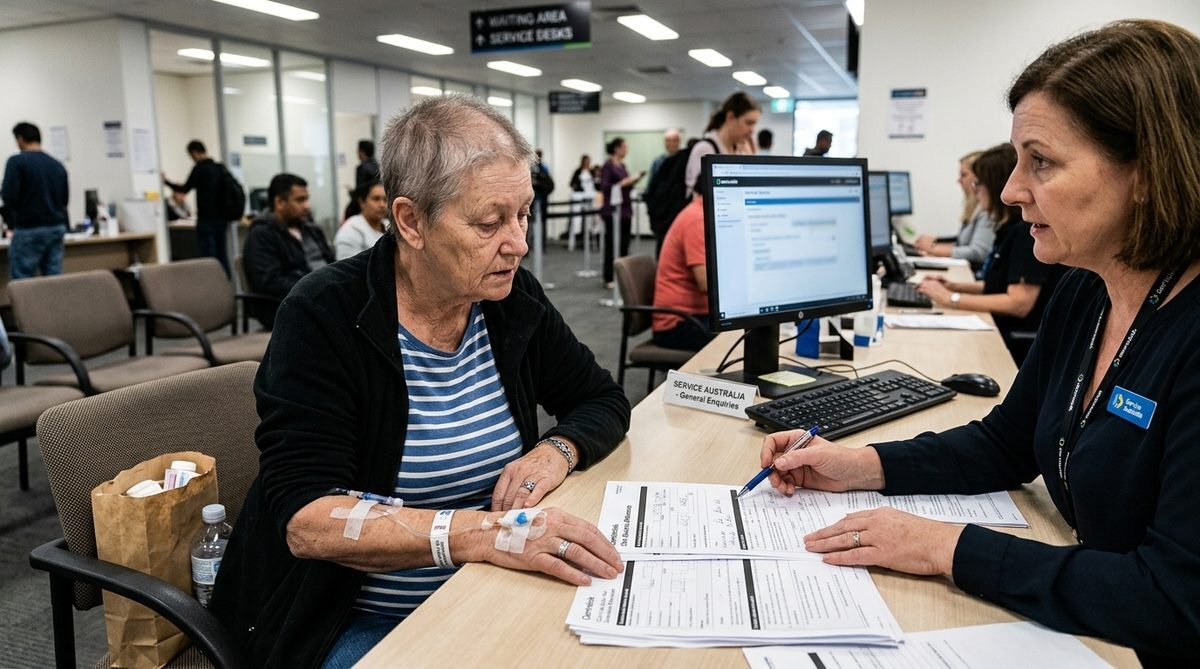
Is Migraine Covered Under Health Insurance? What Australians Need to Know

Yes, migraine treatment is covered under health insurance in Australia, but the extent of that coverage depends on your policy, your treatment type, and how your condition is documented. Most Australians with migraine are leaving money on the table because they don't know what they can actually claim.
This article breaks down exactly what's covered, what's not, and how to get the most from your insurance if migraine is affecting your life and your ability to work.
Is Migraine Treatment Covered by Insurance?
private health insurance in Australia covers migraine treatment in several ways, but the coverage is split across different parts of your policy.
Hospital cover applies when your migraine requires inpatient treatment. If you're admitted to hospital for IV medication, monitoring, or a severe episode that can't be managed at home, your hospital policy kicks in. This includes things like IV anti-nausea medication, pain management, and neurological assessment during admission.
Extras cover is where most people find day-to-day migraine support. Depending on your policy, this can include:
- Consultations with a neurologist (often partially covered through Medicare plus a gap payment)
- Physiotherapy for cervicogenic migraine or neck-related triggers
- Psychology or mental health support, since anxiety and stress are major migraine triggers
- Acupuncture, which has clinical evidence for migraine prevention
- Chiropractic care for some migraine types
Medicare also plays a role. GP visits, specialist referrals to neurologists, and many prescription medications used for migraine prevention and treatment are covered or subsidised through the Pharmaceutical Benefits Scheme (PBS). Medications like topiramate, amitriptyline, and propranolol are PBS-listed for migraine prevention. Medicare rebate
What I found when reviewing common policies is that most people don't realise their extras cover includes allied health that directly helps with migraine. They pay for physio or acupuncture out of pocket when they could be claiming it back.
What About the Newer CGRP Treatments?
This is where things get more complicated, and it's something most articles skip over entirely.
CGRP inhibitors like erenumab (Aimovig), fremanezumab (Ajovy), and galcanezumab (Emgality) are among the most effective preventive treatments for chronic migraine. They work by blocking the protein responsible for triggering migraine attacks.
As of 2024, these medications are not fully listed on the PBS for all patients, which means they can cost between $400 and $700 per month out of pocket. Private health insurance does not typically cover the cost of outpatient medications, so this gap falls on the patient.
Some patients access these through clinical trials, compassionate access schemes, or specialist programs. If you have chronic migraine (15 or more headache days per month, with at least 8 being migraine), it's worth asking your neurologist specifically about access pathways for CGRP treatments.
The PBS listing situation is evolving. Checking the current PBS schedule or speaking with a neurologist is the most reliable way to know your current options.
Can I Claim Benefits for Migraines?
Yes, and there are multiple pathways depending on your situation.
Through private health insurance: Claim back eligible consultations and allied health treatments through your extras cover. Keep receipts and submit through your insurer's app or portal. Many people don't bother with small claims, but they add up fast over a year of regular treatment.
Through Medicare: GP visits are bulk-billed or partially covered. Specialist consultations with a neurologist attract a Medicare rebate. If your GP puts you on a Chronic Disease Management (CDM) plan, you can access up to five allied health visits per year with a Medicare rebate. Migraine qualifies as a chronic condition for this purpose.
Through income protection insurance: If migraine prevents you from working, income protection insurance can replace a portion of your income during that period. This is separate from health insurance and requires its own policy. In my experience, this is the most underused form of financial protection for people with chronic migraine.
Through TPD or disability insurance: If migraine has permanently reduced your capacity to work, Total and Permanent Disability (TPD) insurance may apply. This is a higher bar to clear, but it's a real option for people with severe, treatment-resistant chronic migraine.
Is It Hard to Get 50% for Migraines?
This question usually comes up in the context of TPD claims or workers' compensation, where a percentage of impairment is assessed. Getting a 50% whole person impairment rating for migraine is difficult, but not impossible.
The challenge is that migraine is episodic. Assessors look at functional impairment, and a condition that comes and goes is harder to rate than a permanent physical injury. What works against claimants is poor documentation. What works in their favour is a long, consistent medical record showing frequency, severity, and impact on daily function.
To give yourself the best chance:
- Keep a detailed migraine diary. Record frequency, duration, severity, and how each attack affects your ability to work or function.
- See a neurologist, not just a GP. Specialist documentation carries more weight in assessments.
- Document failed treatments. If you've tried multiple preventive medications without success, that supports a higher impairment rating.
- Get a formal functional capacity assessment if your condition is severe.
What I found when looking at successful claims is that the paperwork matters as much as the condition itself. People with genuinely disabling migraine lose claims because their medical records don't reflect the full picture of how the condition affects them.
Is Migraine Considered a Disability in Australia?
Under Australian law, migraine can qualify as a disability, but it depends on severity and how it's documented.
The Disability Discrimination Act 1992 defines disability broadly. It includes conditions that affect a person's thought processes, perception of reality, emotions, or judgment, or that result in disturbed behaviour. Chronic migraine, particularly when it causes cognitive impairment (often called "brain fog"), sensitivity to light and sound, and inability to perform daily tasks, can fall within this definition.
For workplace purposes, this means employers have an obligation to make reasonable adjustments for employees with chronic migraine. That could include flexible hours, remote work options, reduced lighting, or modified duties during recovery periods.
For the National Disability Insurance Scheme (NDIS), migraine alone is unlikely to meet the access criteria unless it causes permanent, significant functional impairment. The NDIS focuses on permanent conditions, and while chronic migraine can be permanent, demonstrating that it meets the functional threshold requires strong medical evidence.
For Centrelink's Disability Support Pension (DSP), migraine can contribute to a qualifying impairment rating if it's severe and well-documented. It often needs to be assessed alongside other conditions to reach the 20-point threshold required for DSP eligibility.
What Most People Get Wrong About Migraine and Insurance
Three things come up repeatedly that most articles don't address directly.
First: Migraine is often underdocumented. People manage attacks at home, don't always see a doctor during an episode, and underreport to their GP because they feel like they're complaining. This creates a medical record that doesn't reflect the true burden of the condition. When it comes time to make an insurance claim, that thin record works against you. See your doctor during or after attacks. Get it on record.
Second: Pre-existing condition clauses catch people off guard. If you had migraine before taking out a health or life insurance policy, the insurer may exclude it as a pre-existing condition. This doesn't mean you can't get coverage, but it does mean you need to read the fine print and potentially shop around. Some insurers are more flexible than others, and a broker who specialises in health or disability insurance can help you find a policy that doesn't exclude your condition.
Third: The link between migraine and mental health is often ignored in claims. Anxiety and depression are significantly more common in people with chronic migraine. These conditions can be claimed separately and may actually be easier to get coverage for. If you have both, make sure both are documented and both are included in any claim or assessment.
How to Maximise Your Coverage Right Now
You don't need to wait until you're filing a claim to get more from your insurance. These steps make a difference immediately.
Review your extras cover and check whether it includes physiotherapy, psychology, and acupuncture. If it does, start using those benefits. Many policies have annual limits that reset each year, and unused benefits don't carry over.
Ask your GP about a Chronic Disease Management plan. This unlocks Medicare-subsidised allied health visits and costs you nothing to set up.
Check whether your employer's group insurance includes income protection. Many Australians have income protection through their superannuation fund and don't know it. If migraine causes you to miss work, this may already be available to you.
If you're considering a TPD or income protection claim, speak with a specialist before you approach the insurer directly. The way a claim is framed and documented at the start affects the outcome significantly.
FAQ
Does Medicare cover migraine specialist appointments?
Yes. A referral from your GP to a neurologist attracts a Medicare rebate. You'll likely pay a gap fee depending on whether the specialist bulk-bills, but the rebate reduces the cost significantly.
Can I get income protection insurance if I already have migraines?
It depends on the insurer and the severity of your condition. Some will cover you with an exclusion for migraine-related claims. Others will cover you fully. A specialist insurance broker can compare options and find a policy that works for your situation.
Does private health insurance cover Botox for migraine?
Botox (onabotulinumtoxinA) is TGA-approved for chronic migraine in Australia. If administered in a hospital or day procedure setting, your hospital cover may apply. If administered in a clinic, it's generally not covered by extras. Medicare does not currently subsidise Botox for migraine.
What's the difference between episodic and chronic migraine for insurance purposes?
Episodic migraine means fewer than 15 headache days per month. Chronic migraine means 15 or more. Chronic migraine is generally easier to document as a disabling condition and more likely to meet thresholds for disability or income protection claims.
Can children with migraine be covered under family health insurance?
Yes. Children listed on a family policy are covered under the same terms as adults. Paediatric neurology consultations attract Medicare rebates, and extras cover applies to eligible allied health treatments.
What to Do Next
Start a migraine diary today if you don't already have one. Record every attack, its duration, severity, and how it affected your ability to function. This single habit builds the documentation that supports every other claim or benefit you might pursue.
Then book a GP appointment to review your current treatment plan, ask about a Chronic Disease Management plan, and get a referral to a neurologist if you haven't seen one. Bring your diary.
If you're dealing with chronic migraine that affects your work or income, speaking with a specialist who understands disability and insurance claims in Australia is worth the time. The team at PTNA works with people navigating exactly these situations and can help you understand what you're entitled to.
Explore related health and wellbeing guides
This article is part of PTNA's consumer health and wellbeing library. Browse the Health & Wellbeing Resources hub to find related guides by topic, including Australian health cover, Medicare, prostate health, mental health, disability support and life insurance.
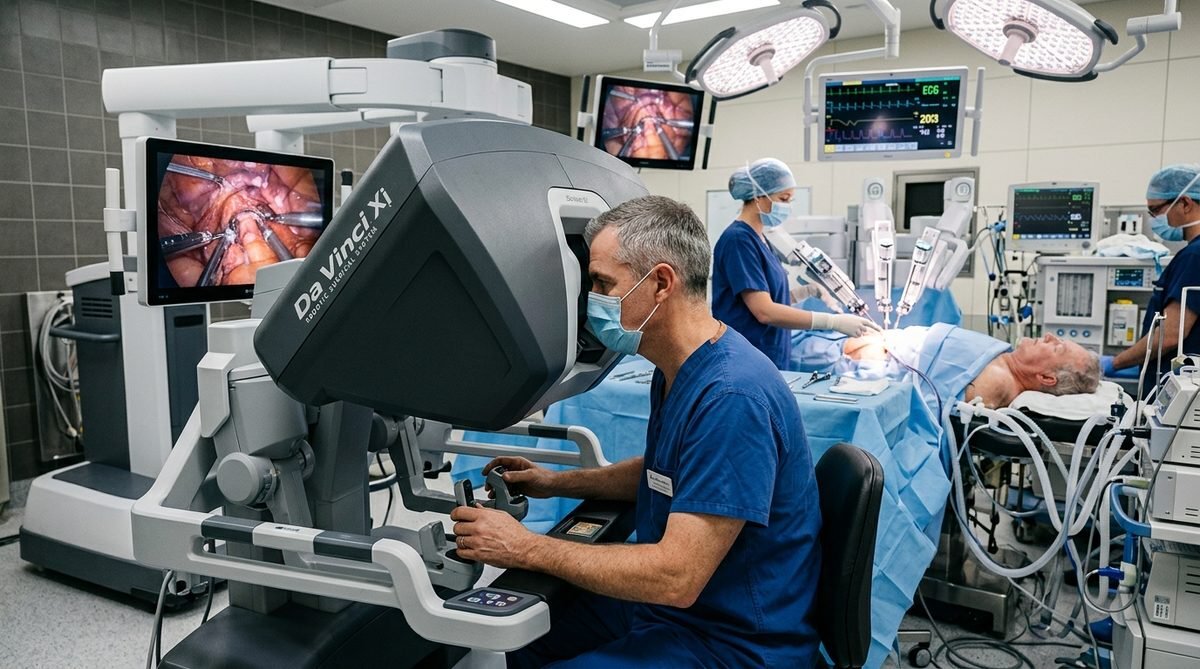
How Much Does It Cost to Have Your Prostate Removed Privately in Melbourne?
Read article →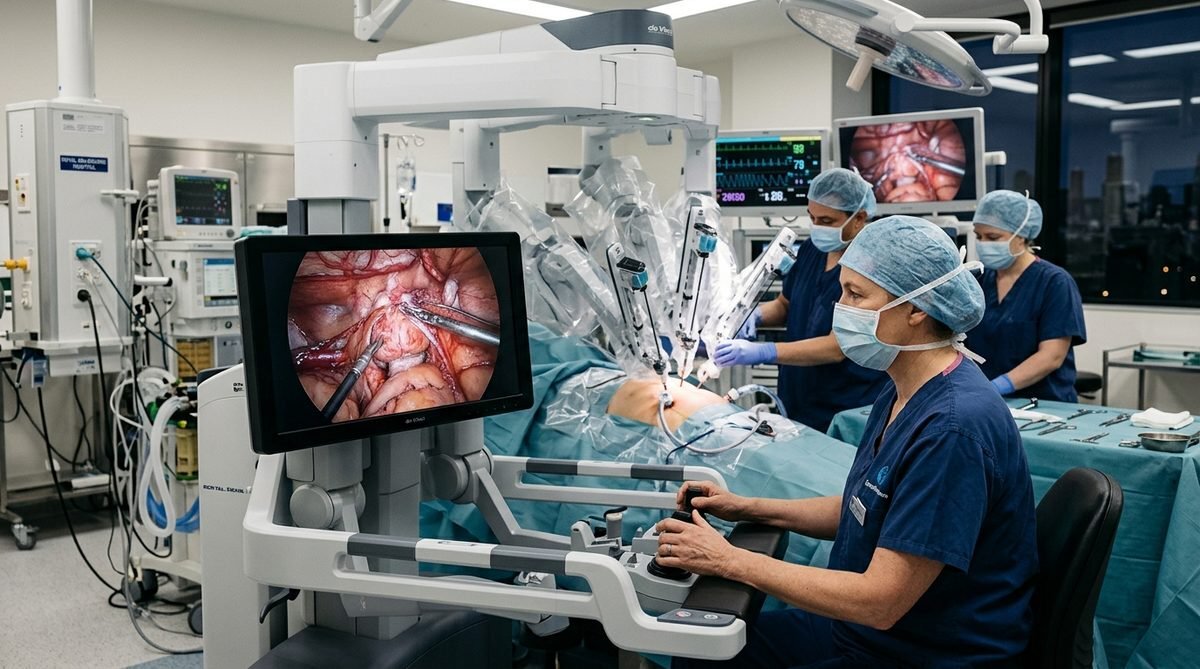
Is It Worth Having Your Prostate Removed in Melbourne?
Read article →
Can You Get Anything Free if You Have Cancer in Melbourne?
Read article →
What Are the Negatives of Removing Your Prostate in Melbourne?
Read article →
Is Prostate Cancer Classed as a Disability in Melbourne?
Read article →