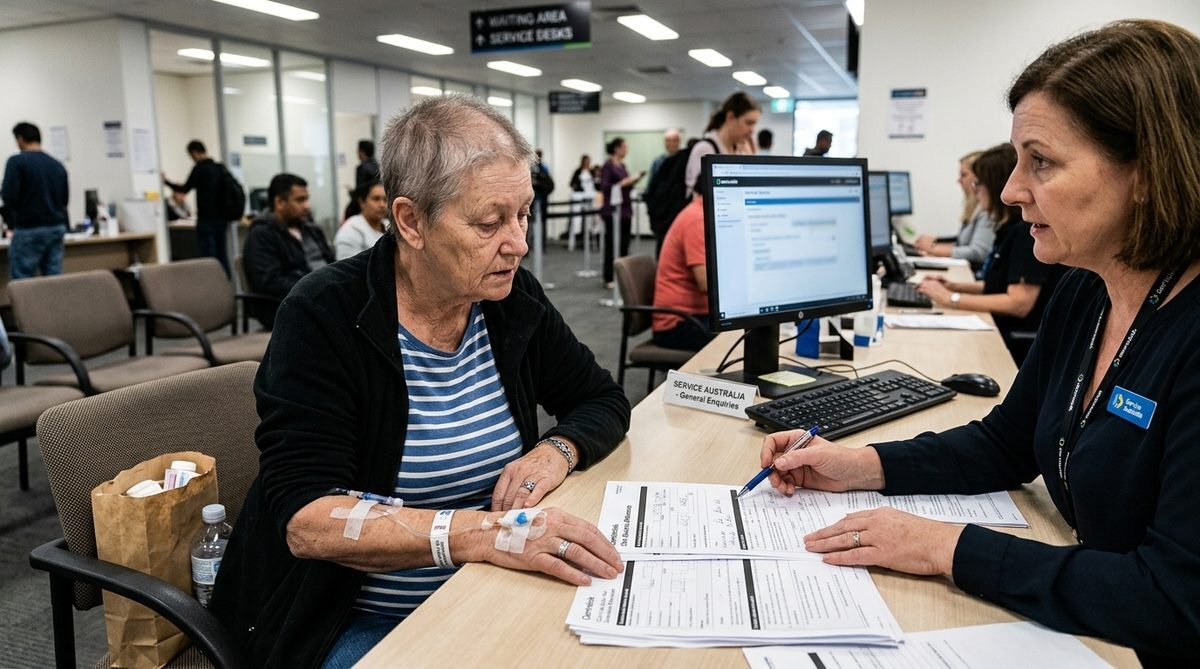
Is Medibank a Good Health Insurance in Australia? An Honest Look

Medibank covers around 3.9 million Australians. That's one of the two biggest private health insurers in the country. But size doesn't tell you if it's worth your money.
The honest answer: Medibank is a solid mid-to-premium option for people who want broad hospital cover and don't mind paying more for it. It's not always the cheapest, and its customer satisfaction scores are average rather than outstanding. But for many people, it works well enough that they stay for years.
What actually matters is whether it fits your situation. Age, health needs, family size, and how much you use your cover all change the equation. This article walks through what Medibank does well, where it falls short, and how it stacks up against the other big names.
Why Does Private Health Insurance Even Matter in Australia?
Australia has Medicare, the publicly funded system that covers GP visits, public hospital stays, and other services. For routine care, Medicare works fine. The problem is the public system is stretched. Wait times for elective surgery can run months depending on where you live and how urgent your case is.
Private health insurance lets you jump that queue. You can choose your specialist, get treated in a private hospital, and have a private room if you want one. The extras side of private cover also helps with things Medicare doesn't touch: dental, optical, physio, psychology, and chiropractic.
There's also a financial incentive baked into Australian health policy. If you earn above a certain threshold and don't hold hospital cover, you pay the Medicare Levy Surcharge on top of your normal tax. For a single earning $93,000 or more, that surcharge starts at 1% of income. Private hospital cover removes it. That alone changes the cost calculation for many people.
What Does Medibank Actually Cover?
Medibank offers four tiers of hospital cover: Basic, Bronze, Silver, and Gold. Each tier is regulated by the government through the tiering system introduced in 2019, so a Gold product from Medibank must cover the same clinical categories as a Gold product from any other insurer. The differences between funds at the same tier come down to out-of-pocket costs, service, and extras.
On the hospital side, Gold tier covers everything: joint replacements, cardiac surgery, pregnancy and birth, psychiatric care, and more. Silver cuts out some of the higher-cost categories. Basic and Bronze are designed mainly to avoid the Medicare Levy Surcharge rather than to provide real hospital access.
Extras cover is where funds really compete. Medibank's extras policies range from a simple Healthy Start package up to their Top Extras tier. Higher tiers give you more back on dental, better optical limits, physio, remedial massage, and speech therapy. One of my clients upgraded to Top Extras when her kids needed orthodontic work and the payback on braces alone made it worth it within the first year.
Where Medibank Falls Short
The most common complaint I hear is out-of-pocket costs on specialists. Even with Gold hospital cover, if your surgeon charges above the Medicare Benefits Schedule rate and doesn't have a known gap or no-gap arrangement with Medibank, you can face a bill you didn't see coming.
Medibank does have a large network of Members' Choice providers who've agreed to no or known-gap arrangements. But you have to check before you book. I've seen clients get hit with unexpected bills because they assumed cover meant no out-of-pocket. It doesn't automatically work that way with any fund, but it catches people off guard with Medibank because the brand positioning suggests comprehensive cover.
The 2022 cyberattack also damaged trust significantly. Medibank suffered a major data breach that exposed the personal and medical data of 9.7 million current and former customers. The company's handling of the breach drew criticism, and a class action followed. If data security concerns you, that history matters.
Premium increases are also worth tracking. Medibank has raised premiums each April, as all funds do, but some years its increases have run above the industry average. Over five to ten years, that compounds.
Is Medibank Private a Good Health Insurance?
Medibank and Medibank Private are the same company. The "Private" name was used historically and still appears on some materials and in common speech, but they're the same fund. So yes, the question and the answer are the same.
For people who want a fund with a large provider network, solid Gold tier hospital cover, and responsive customer service for straightforward claims, Medibank does a reasonable job. The satisfaction scores from APRA data and the Private Health Insurance Ombudsman sit around the middle of the pack. Not the worst but not the best.
Medibank vs Bupa: Which Is Better?
This is one of the most searched comparisons in Australian private health, and the honest answer is: it depends on what you actually use.
Bupa is the other dominant player with roughly 4 million members. The two funds are comparable in scale, premium levels, and provider network breadth. Where they differ is in the detail.
Bupa tends to score slightly higher on customer satisfaction in independent surveys, particularly for extras claims and dental. Its dental centre network is a strong advantage if you want predictable, low-gap dental care without having to search for a Members' Choice provider each time.
Medibank tends to edge ahead on hospital cover flexibility for some policy configurations and has historically had slightly stronger telehealth offerings through its health management programs. Medibank also has a 24/7 health advice line staffed by registered nurses, which some members find genuinely useful.
For most people comparing the two, the premium difference on like-for-like policies matters more than brand loyalty. Get quotes for the same tier and see which one is cheaper for your specific age, location, and family situation in that quarter. Premiums shift relative to each other over time.
Medibank vs HCF: Which Is Better?
This comparison is more interesting than most people realise. HCF is Australia's largest not-for-profit health fund, and that structure changes the incentive model. Surpluses are reinvested into member benefits rather than returned to shareholders. Medibank is a listed company with shareholders, so there's more pressure on margin.
In practice, HCF consistently scores among the highest in customer satisfaction surveys. Its More for Teeth and More for Eyes programs offer strong extras value, particularly for families with high dental use. One of my clients switched from Medibank to HCF when she had three kids in school and found the dental and optical rebates noticeably better dollar for dollar.
HCF's hospital cover is also competitive at the Gold tier, and its premium increases have historically been more moderate. The main downside is a smaller provider network in some states compared to Medibank, which can matter if you live outside a major metro area.
For people who use their extras heavily, especially dental, HCF deserves serious consideration over Medibank. For people who prioritise hospital cover and want the largest possible specialist network, Medibank holds its own.
Who Is the Best Private Health Insurance in Australia?
There's no single best fund. The funds that consistently rank well in independent comparisons are HCF, nib, and Australian Unity for extras value, and NIB, Bupa, and Medibank for hospital network breadth. Smaller funds like GMHBA and Teachers Health often outperform the big names on satisfaction scores because they serve narrower member bases and can manage costs more tightly.
The right answer for you comes from three questions. How much do you use your extras? If the answer is a lot, the not-for-profit funds and smaller restricted membership funds often win. How important is access to a wide specialist and hospital network? If you travel, live regionally, or want maximum flexibility, the bigger funds have an edge. And what's the actual premium difference on a comparable policy right now? Run the comparison at least once a year because the landscape shifts.
The Thing Most Comparison Articles Get Wrong
Most articles compare funds on premium price alone. That misses the point. The real cost of health insurance includes out-of-pocket expenses when you actually claim. A fund with a lower premium but poor no-gap agreements with specialists can cost you far more when you need surgery.
When I worked through this with a client who'd been on a budget Silver policy with a smaller fund, he was shocked to find that his two specialist consultations and a day procedure had cost him $1,400 out of pocket on top of his premiums. A Gold policy with Medibank or Bupa that year would have cost him about $600 more in premiums but would have covered those procedures with zero gap through a Members' Choice provider. The cheaper policy cost him more.
The second thing most articles miss is the value of switching. Loyalty to a health fund doesn't get rewarded in the same way as, say, a long-term mortgage customer might expect a rate reduction. Funds compete hardest for new members. Switching funds doesn't reset your waiting periods if you're moving to an equivalent or lower level of cover, so there's rarely a penalty for moving.
Frequently Asked Questions
Does Medibank have good customer service?
It's average. Phone wait times improve and worsen depending on the time of year, with April being slow after the annual premium changes. The Medibank app is functional for checking claims and policy details. Straightforward claims are processed quickly. Disputed claims and complex cases are where feedback becomes more mixed.
How long are waiting periods with Medibank?
Standard waiting periods apply: two months for most hospital services, twelve months for pre-existing conditions and pregnancy. These are the same across all funds because they're set by government regulation. If you're switching from another fund at an equivalent level, you don't need to re-serve waiting periods you've already completed.
Can I use Medibank for mental health cover?
Yes, Gold hospital policies cover psychiatric care. Medibank also has a mental health phone support line available to members, and some policies include psychology consultations under extras. If mental health cover is a priority, confirm the specific inclusions on the policy you're considering because they vary between tiers.
Is Medibank worth it if I am young and healthy?
Probably not for a full Gold policy. A basic hospital cover to avoid the Medicare Levy Surcharge costs around $100 to $130 per month for a single adult and removes the tax penalty. Adding comprehensive extras is only worth it if you actually use dental, optical, and physio regularly enough to get your money back. Run the numbers on what you spent last year without cover before upgrading.
Does Medibank pay the gap on specialist fees?
Only if the specialist participates in Medibank's Members' Choice or no-gap scheme. Always ask your specialist before the appointment whether they have a no-gap or known-gap arrangement with Medibank. If they don't, get a quote for your out-of-pocket before proceeding or ask for a referral to a specialist who does.
What to Do Next
Get quotes on a like-for-like Gold or Silver policy from Medibank, HCF, and one other fund this week using the government's PTNA comparison tool. Then check whether the specialists and hospitals you actually use are in the Members' Choice network for any fund you're considering. The premium is one number. The real cost is what you pay across a full year of using it.
If you want help working out which cover genuinely fits your situation, the team at PTNA can walk through it with you.
Explore related health and wellbeing guides
This article is part of PTNA's consumer health and wellbeing library. Browse the Health & Wellbeing Resources hub to find related guides by topic, including Australian health cover, Medicare, prostate health, mental health, disability support and life insurance.

How Much Does It Cost to Have Your Prostate Removed Privately in Melbourne?
Read article →
Is It Worth Having Your Prostate Removed in Melbourne?
Read article →
Can You Get Anything Free if You Have Cancer in Melbourne?
Read article →
What Are the Negatives of Removing Your Prostate in Melbourne?
Read article →
Is Prostate Cancer Classed as a Disability in Melbourne?
Read article →