Is It Worth Having Your Prostate Removed in Melbourne?
Having your prostate removed can be worth it when the operation offers a clear chance of curing serious, localised prostate cancer and that benefit outweighs the likely harm. It may offer little value when the cancer is unlikely to shorten your life, has already spread beyond the area surgery can treat, or can be watched safely.
Your cancer risk, general health and personal priorities should guide the decision. Age alone can't settle it. Nor can one blood test, one scan or the fear sparked by the word cancer.
Melbourne urologist and radiation oncologist can explain the sensible options. But you decide which trade-offs you can live with.
The main question is simple: will removing the prostate give you enough extra protection from cancer to justify the possible effects on bladder control, erections and recovery?
When does removal offer a meaningful benefit?
Prostate removal is most likely to be worthwhile when Prostate cancer seems confined to the prostate or nearby tissue and has features that make future growth a real concern. The operation is called a radical prostatectomy. It removes the prostate and seminal vesicles.
The surgeon may also remove nearby lymph nodes when there's a meaningful risk that cancer has reached them.
Your treatment team works out that risk through Cancer staging. They look at your scan results, biopsy findings, examination and Prostate-specific antigen level. The Gleason grading system describes how abnormal the cancer cells look.
The related Grade Group helps show how likely the cancer is to grow or spread.
No single result gives the full answer. A raised Prostate-specific antigen result doesn't prove that an operation will help. A small tumour can still contain aggressive cells, while a larger low-grade tumour may grow slowly.
The results need to tell one clear story before permanent treatment makes sense.
Surgery may suit a man who's healthy enough to recover, has a long Life expectancy and has cancer that could become dangerous during that time. It also allows a full lab assessment of the removed prostate. This can give more accurate details about the tumour than biopsy samples alone.
The operation becomes less useful when tests show distant spread. Removing the prostate can't remove cancer from bones or other organs. In that setting, Hormone therapy, other medicines and selected Radiation therapy may have a bigger role.
When can monitoring be the wiser choice?
Active surveillance of prostate cancer can be the better choice for many men with low-risk disease. It uses planned blood tests, examinations, scans and repeat biopsies to watch for signs of change. Treatment begins if the cancer shows that it's becoming more active.
This is active care, not neglect. The aim is to delay or avoid treatment that may never have been needed. A slow cancer may cause no symptoms and never threaten a man's life.
Removing it can expose him to harm without adding useful years.
Consider a common choice. A fit Melbourne man in his early sixties has a small, low-grade tumour, a modest Prostate-specific antigen result and reassuring imaging. He feels immediate surgery must be safest.
His specialist explains that close monitoring gives him a strong chance of avoiding treatment while keeping the option to act if the cancer changes. The value of surveillance becomes clear once he sees that tumour behaviour, not fear, should drive urgency.
Monitoring has its own burden. Some men find each blood test hard. Others struggle with repeat biopsies or the thought of untreated cancer.
That emotional cost belongs in the decision, but anxiety should first be met with clear facts and support. It shouldn't be mistaken for proof that surgery is medically needed.
How much cancer control could you gain?
Ask your specialist to describe the expected benefit in absolute terms. A statement such as “surgery lowers the risk” is incomplete. You need to know how many men with your results are expected to develop spread or die from the disease with each option over a useful period.
A fall from a 20 per cent risk to 10 per cent is a large absolute gain. A fall from 3 per cent to 2 per cent is much smaller, even though both can be called a reduction. This difference is one of the most missed parts of the decision.
Useful questions include:
- What is my Grade Group and clinical stage?
- Does imaging suggest that the cancer remains removable?
- What is my estimated risk if I choose monitoring?
- How much is surgery expected to reduce that risk?
- Could I need more Therapy after surgery?
Surgery doesn't always end treatment. Cancer may extend beyond the removed tissue, reach lymph nodes or return as a rising Prostate-specific antigen level. Some men then need Radiation therapy, Hormone therapy or both.
Ask about that chance before choosing an operation. Combined treatment can add to the overall load of side effects.
What harm should you weigh against that benefit?
The main long-term concerns are Urinary incontinence and Erectile dysfunction. The chances vary with age, health, tumour position, baseline function, surgical approach and the surgeon's results. Where possible, discuss each potential Side effect using the surgical team's own outcome data.
Bladder leakage often improves during the first year. Some men still need pads or more treatment. Erections usually recover more slowly.
Nerve-sparing surgery may help when it's safe, but cancer clearance comes first. Even when the nerves can be saved, recovery isn't guaranteed.
Removal also ends natural ejaculation and fertility. Orgasm may still occur, but it can feel different. Some men develop penile shortening, urine leakage during arousal or climacturia.
These effects get less attention than pad use. Yet they can shape confidence and intimate relationships.
Quality of life is personal. One man may accept erection loss to ease his fear of cancer. Another may place a high value on sexual function and prefer monitoring or Radiation therapy when cancer control is similar.
Neither choice is weak. The better choice matches the medical facts with the life the person wants to protect.
A partner should attend at least one appointment when the patient agrees. People often hear different parts of a complex talk. A partner may also raise practical concerns about intimacy, work, transport and help at home that the patient has kept quiet.
Does robotic surgery make removal the clear choice?
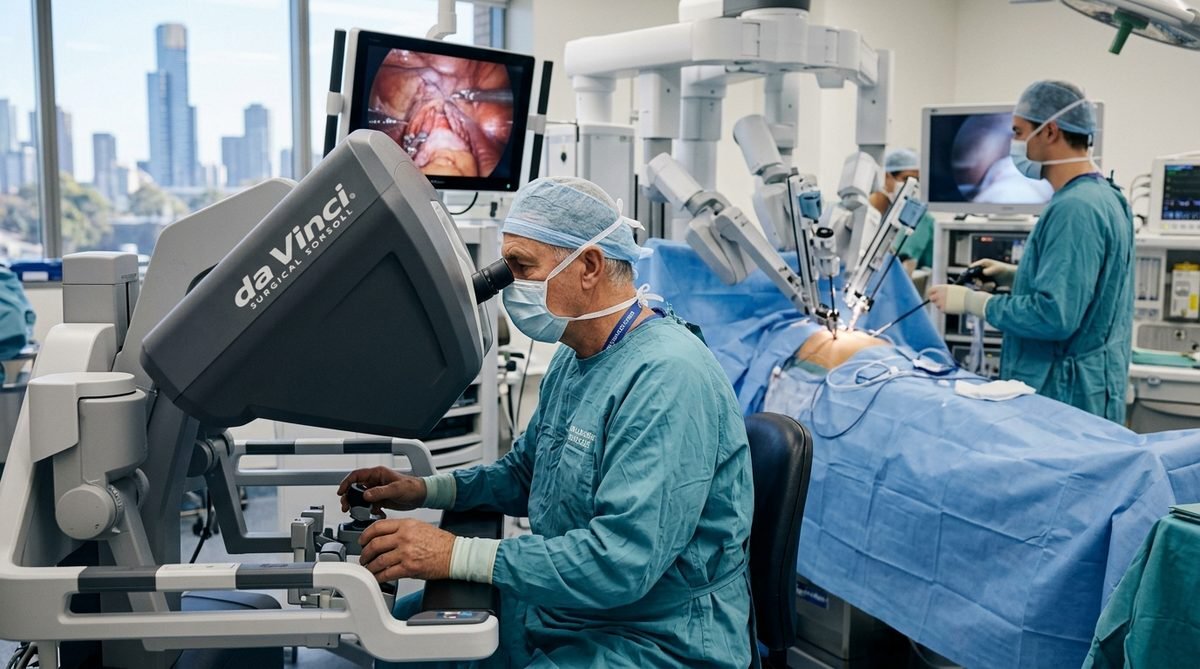
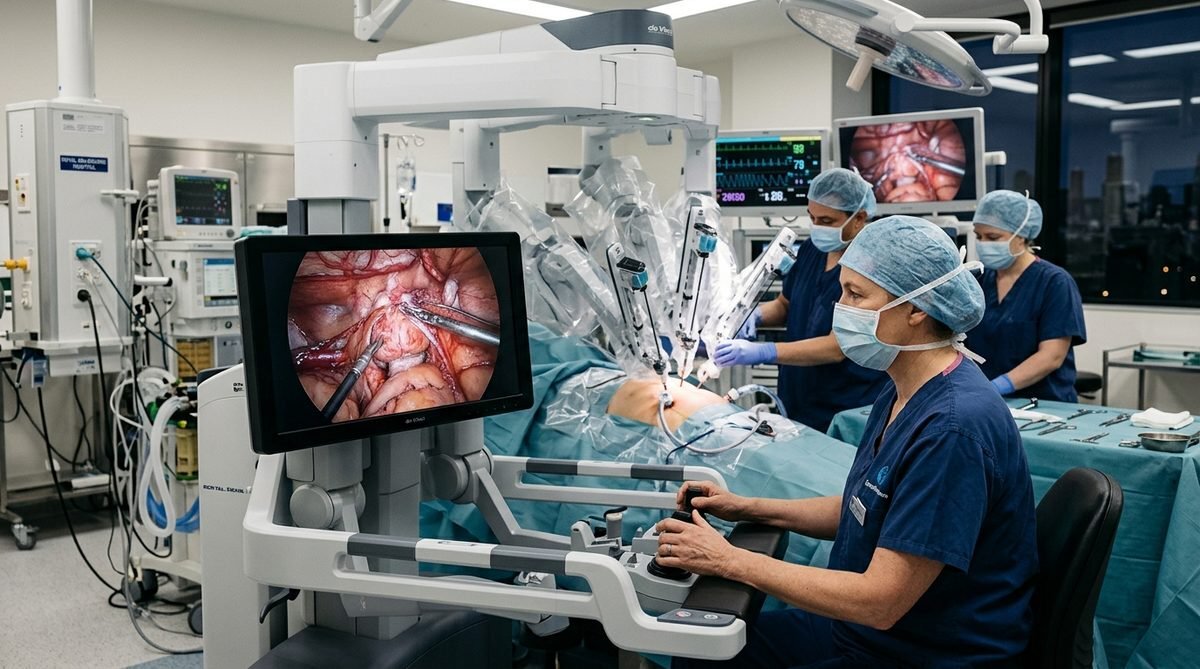
Robotic surgery is a way to perform the operation. It doesn't change whether removal is the right treatment. The system gives the surgeon a magnified view and controlled instruments through small cuts.
It may allow a shorter hospital stay and less early blood loss than older open methods. But the robot doesn't operate by itself.
The surgeon's skill, case volume, judgement and follow-up systems matter more than the label on the machine. Ask how often the surgeon performs radical prostatectomy, how outcomes are measured and what support is available for bladder and sexual recovery.
This is another point many articles miss: choosing a treatment comes before choosing a technique. A polished talk about Robotic surgery can pull attention from the harder question of whether an operation offers enough benefit in your case.
How does surgery compare with radiation?
For some localised cancers, surgery and Radiation therapy can both offer strong cancer control. They reach that goal in different ways and bring different patterns of harm.
Surgery provides removed tissue for detailed testing and usually causes a quick fall in Prostate-specific antigen. It carries the immediate risks of an operation and tends to cause earlier bladder leakage and erection problems.
Radiation therapy avoids prostate removal. Treatment may use external beams or radioactive sources placed in the prostate. Bowel irritation, urinary symptoms, fatigue and gradual changes in erections can occur.
Some men also need Hormone therapy. This can cause hot flushes, loss of muscle, lower sexual desire and changes in mood or metabolism.
Don't compare surgery with a vague idea of radiation. Ask a Melbourne radiation oncologist which radiation plan would apply to your cancer and whether hormone treatment would be added. Then compare that real plan with the proposed operation.
Salvage options also deserve a conversation. More treatment after a recurrence can be harder than first treatment. The chance of later Therapy matters, but it shouldn't control the choice when the first options offer similar control.
How do your health and expected lifespan change the answer?
Life expectancy matters because prostate cancer often develops over years. A man needs enough expected time to benefit from preventing future spread. Heart disease, lung disease, frailty and other cancers may pose a greater near-term risk than a slow prostate tumour.
This doesn't mean an older man should be denied surgery or a younger man should automatically receive it. A healthy older man may have many active years ahead. A younger man with major illness may gain little from removal.
A proper assessment looks at fitness, other health conditions and cancer behaviour together.
Recovery demands matter too. Men may need time away from physical work, help with transport and support while a catheter is in place. Pelvic floor training often starts before surgery and continues afterward under clinical guidance.
General strength and walking capacity can help recovery. But exercise doesn't remove the operation's core risks.
What should you ask before agreeing to surgery?
Take a written list to your Melbourne appointment. Ask for plain answers and copies of the key results. A sound consent discussion should cover:
- Your exact Cancer staging, Grade Group and biopsy findings.
- The estimated chance that the cancer will cause harm without immediate treatment.
- The expected absolute benefit from prostate removal.
- Whether Active surveillance of prostate cancer remains safe.
- Whether Radiation therapy offers similar cancer control.
- The surgeon's rates of Urinary incontinence, Erectile dysfunction, positive surgical margins and major complications.
- The chance of needing later Radiation therapy or Hormone therapy.
- The expected effect on work, exercise, sex and daily function.
A second opinion is useful when the benefit is small, the advice conflicts or you still can't explain the choice in your own words. Seek opinions from clinicians who offer different treatments. A surgeon is best placed to explain surgery.
A radiation oncologist can explain radiation. Your general practitioner can help connect the advice with your wider health.
Which decision errors cause the most regret?
Treating every cancer as an emergency
Some prostate cancers need quick action. Many allow enough time for another opinion and a careful review. Spending a few weeks learning about the options isn't the same as ignoring the diagnosis.
Focusing on survival while ignoring function
Cancer control deserves weight, but so does daily life. Ask what each outcome would mean in real terms. Wearing one small pad isn't the same as heavy leakage.
Reduced erections that improve with medicine are different from losing sexual function despite treatment.
Assuming removal guarantees peace of mind
Surgery may ease cancer worry, but follow-up testing continues. A rising Prostate-specific antigen after removal can bring fresh anxiety. Peace of mind is a possible benefit, not a promised result.
Letting one Side effect decide everything
Fear of leakage can steer a man away from helpful surgery. Fear of untreated cancer can push him toward an operation with little likely gain. Compare the full set of outcomes, their chances and their effects on your Quality of life.
How can you reach a decision you can live with?
Put the options on one page. For each one, note the expected cancer control, main harms, recovery demands and chance of more treatment. Then write down which outcomes matter most to you.
A practical decision may look like this:
- Choose surgery when cancer poses a meaningful long-term threat, removal has curative potential and you accept the functional risks.
- Choose active surveillance when the cancer has low-risk features and planned monitoring can protect you from needless treatment.
- Explore radiation when it offers similar control and its pattern of treatment and side effects fits your health and priorities better.
The right answer rarely comes from asking whether prostate removal is good or bad. It comes from asking how much benefit it offers you, what it may cost and whether another option reaches the same goal with a trade-off you prefer.
Book a Melbourne appointment that covers your stage, grade, absolute treatment benefit and personal side-effect risks, then seek a second specialist view before giving consent.
How Much Does It Cost to Have Your Prostate Removed Privately in Melbourne?
Read article →
Can You Get Anything Free if You Have Cancer in Melbourne?
Read article →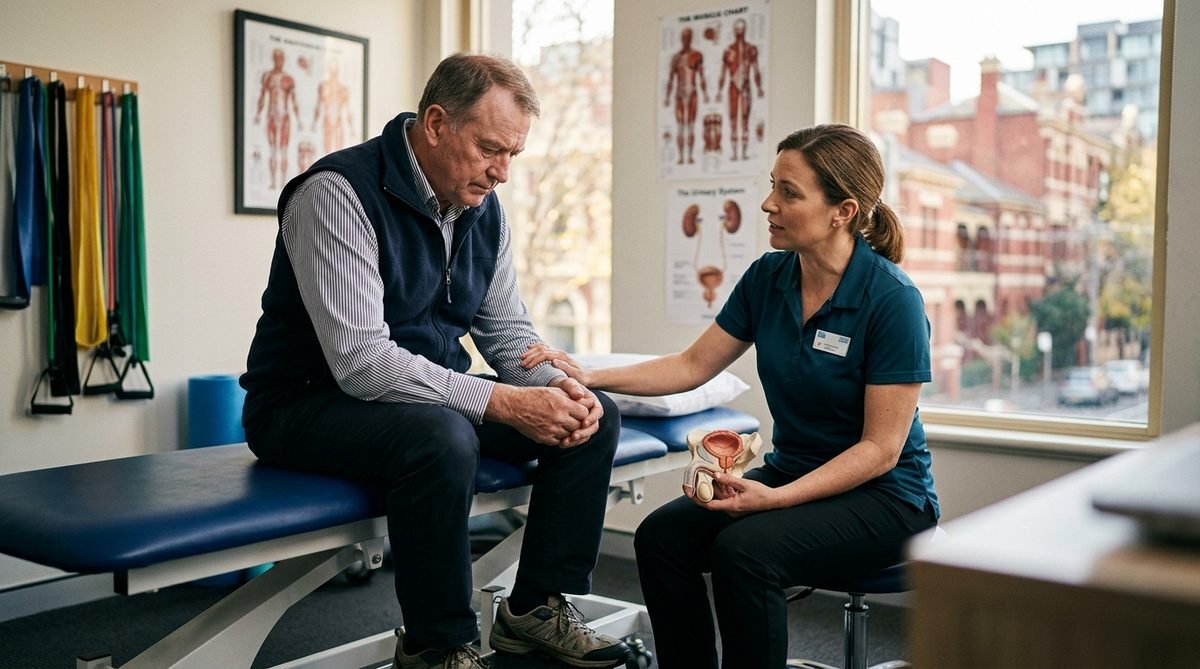
What Are the Negatives of Removing Your Prostate in Melbourne?
Read article →
Is Prostate Cancer Classed as a Disability in Melbourne?
Read article →
Can I Get Centrelink if I Have Cancer in Melbourne?
Read article →