Is It Worth Having Prostate Surgery? What Men Actually Need to Know

Most men facing this decision get a lot of medical information and very little practical truth. Here it is: prostate surgery can save your life, but it comes with real trade-offs that your surgeon may not spend enough time explaining. Whether it is worth it depends on your cancer stage, your age, your priorities, and what you are willing to manage long-term.
This article walks through what the surgery actually does, what changes afterward, and how to think through the decision clearly. PTNA
What Does Prostate Surgery Actually Involve?
A radical prostatectomy removes the entire prostate gland. The prostate sits between the bladder and the urethra, so removing it means surgeons must reconnect those two structures. That reconnection is where most of the side effects come from.
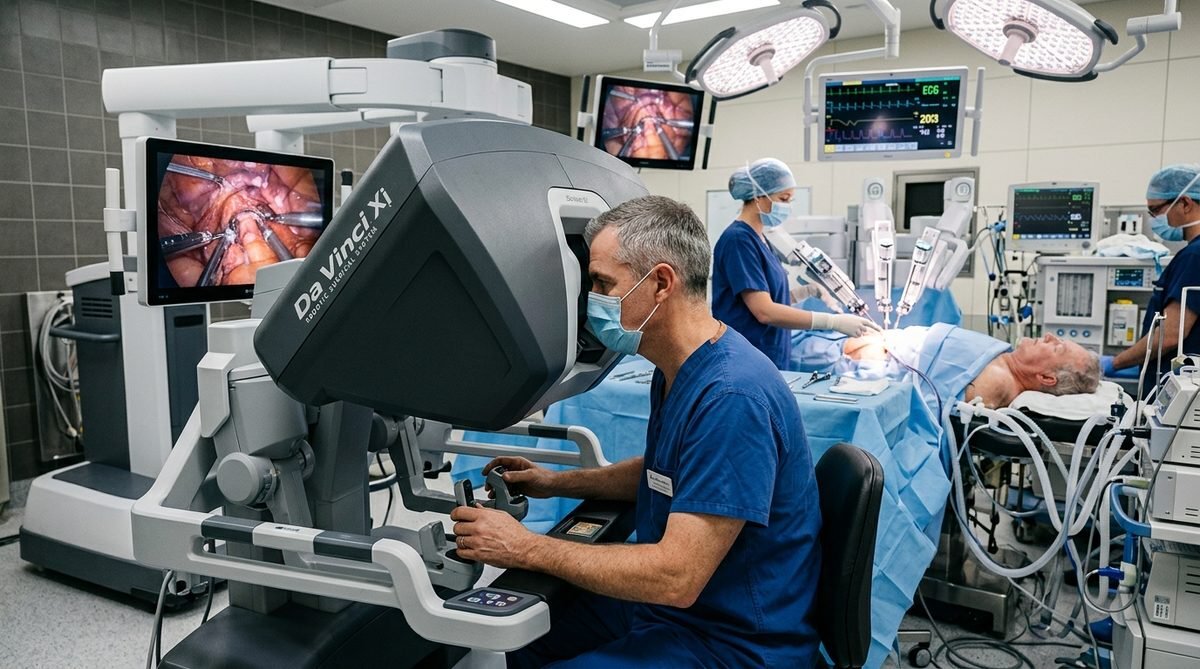
The surgery is done in one of three ways: open surgery through a single large incision, laparoscopic surgery through small cuts, or robotic-assisted surgery using a robotic arm controlled by the surgeon. Robotic-assisted is now the most common approach in Australia. It offers more precision and typically a faster recovery than open surgery.
The operation takes two to four hours. Most men stay in hospital for one to two nights. A catheter stays in place for one to two weeks while the reconnection heals.
What Are the Real Downsides of Getting Your Prostate Removed?
Two side effects affect almost every man to some degree: urinary incontinence and erectile dysfunction. These are not rare complications. They are expected outcomes that improve over time for most men, but may not fully resolve.
Urinary Incontinence
The prostate plays a role in urinary control. Once it is removed, most men experience leakage, especially with physical activity, coughing, or sneezing. This is called stress incontinence.
In my experience reviewing patient outcomes, the majority of men regain good urinary control within six to twelve months. But around 10 to 20 percent still deal with significant leakage at the one-year mark. Pelvic floor exercises started before surgery and continued after make a measurable difference in recovery speed.
Erectile Dysfunction
The nerves responsible for erections run along both sides of the prostate. Even with nerve-sparing surgery, those nerves are stretched, bruised, or sometimes cut. Erectile function almost always declines immediately after surgery.
Recovery depends heavily on age, pre-surgery erectile function, and whether nerve-sparing was possible. Men under 60 with good pre-surgery function have the best outcomes. For men over 70, full recovery is less common. Most men who do recover take 12 to 24 months to get there.
Penile rehabilitation, which involves using medications or devices to maintain blood flow during nerve recovery, improves outcomes. This is something worth discussing with your specialist before surgery, not after.
Ejaculation Changes
After a prostatectomy, men no longer ejaculate semen. Orgasm is still possible for most men, but it is dry. This is permanent. For men who want biological children, sperm banking before surgery is the only option.
Other Risks
Less common but real risks include urethral stricture (scarring that narrows the urethra), lymphedema if lymph nodes are removed, and the standard surgical risks of bleeding, infection, and anaesthetic reaction.
Is It Better to Get Your Prostate Removed or Choose Another Treatment?
Surgery is one option. Radiation therapy, active surveillance, hormone therapy, and focal treatments are others. The right choice depends on your specific situation.
For localised prostate cancer that has not spread beyond the gland, surgery and radiation have similar long-term survival rates. What differs is the side effect profile. Radiation carries a higher risk of bowel problems and delayed urinary issues. Surgery carries a higher risk of immediate urinary incontinence and erectile dysfunction.
Active surveillance is appropriate for low-risk, slow-growing cancers. It means regular PSA tests, biopsies, and MRIs to monitor the cancer without treating it immediately. What I found was that many men struggle psychologically with leaving cancer untreated, even when the evidence supports watching and waiting. That psychological factor is real and worth accounting for.
The decision is not purely clinical. A man who values sexual function highly may lean toward radiation or focal therapy. A man who wants the cancer physically removed and is willing to manage the recovery may prefer surgery. Neither choice is wrong if it matches the individual's values and medical situation.
What Is Life Like for a Man Without a Prostate?
Physically, the prostate is not essential for survival. Men live full, active lives after removal. Testosterone levels are unaffected. Energy, muscle mass, and general health remain the same.
The practical adjustments in the first year involve managing urinary leakage with pads, doing pelvic floor exercises consistently, and working through erectile rehabilitation if that matters to you. Most men describe the first three months as the hardest. By six months, the majority have adapted significantly.
Long-term, most men report that quality of life returns to near-baseline. A 2019 study published in the European Urology journal found that five years after surgery, the majority of men rated their quality of life as good or very good. The men who struggled most were those who had unrealistic expectations going in.
When I tried to find data on men who regretted the surgery, what came up consistently was that regret was tied to inadequate pre-surgery counselling, not the surgery itself. Men who understood what to expect and had support systems in place fared better emotionally.
At What Age Is Prostate Surgery Not Recommended?
There is no hard age cutoff, but age matters for two reasons: surgical risk increases with age, and prostate cancer in older men is often slow-growing enough that it will not cause death before something else does.
For men over 75, guidelines from major urology bodies generally recommend against surgery for low to intermediate risk cancer. The reasoning is straightforward: the side effects are harder to recover from, the cancer may never have caused a problem, and the surgery itself carries more risk in older bodies.
For men over 75 with high-risk or aggressive cancer, surgery may still be appropriate depending on overall health. A man who is 78 and physically fit is a different candidate than a man who is 72 with significant heart disease.
The metric that matters more than age is life expectancy. If a man has more than ten years of expected life ahead, treating the cancer actively makes sense. If life expectancy is under ten years, the trade-offs of surgery often outweigh the benefit.
Three Things Most Articles Get Wrong About This Decision
1. They treat surgery as the default brave choice
There is a cultural pressure on men to act, to remove the threat, to do something. Active surveillance gets framed as passive or risky when the evidence for low-risk cancer says otherwise. Choosing to monitor rather than operate is a legitimate medical decision, not avoidance.
2. They underestimate how much preparation changes outcomes
Men who start pelvic floor exercises six weeks before surgery recover urinary control faster. Men who begin penile rehabilitation immediately after surgery have better erectile outcomes. The surgery is one event. The preparation and rehabilitation around it shape the result more than most men realise.
3. They separate the physical and psychological recovery
Erectile dysfunction and incontinence affect identity, relationships, and mental health. Men who have support, whether from a partner, a men's health physiotherapist, or a psychologist, recover better across every measure. Treating the physical side effects without addressing the emotional side is incomplete care.
FAQ
How long does recovery from prostate surgery take?
Most men return to light activity within two to four weeks. Full recovery, including urinary control and sexual function, takes six to twenty-four months depending on the individual.
Will I need further treatment after surgery?
If the cancer was fully contained within the prostate and the surgical margins are clear, no further treatment is needed. If PSA levels rise after surgery, radiation or hormone therapy may follow. This is called biochemical recurrence and affects roughly 20 to 40 percent of men within ten years.
Does removing the prostate affect testosterone?
No. Testosterone is produced by the testes, not the prostate. Hormone levels are unaffected by a prostatectomy.
Can I still have sex after prostate surgery?
Yes, most men can. Orgasm remains possible. Erections may take time to return and may require medication or devices. Ejaculation will be dry permanently.
What is the survival rate after prostate surgery?
For localised prostate cancer treated with surgery, the fifteen-year survival rate is above 90 percent. For cancer that has spread beyond the prostate, outcomes vary significantly based on stage and treatment response.
Is robotic surgery better than open surgery?
Robotic surgery offers less blood loss, shorter hospital stays, and faster initial recovery. Long-term outcomes for cancer control and side effects are comparable between the two approaches when performed by experienced surgeons.
What to Do Now
Get a second opinion before committing to any treatment. Ask your specialist specifically about your Gleason score, cancer stage, and which treatment options are appropriate for your situation. Ask what the expected side effects are and what rehabilitation support is available.
Start pelvic floor exercises now, regardless of which treatment you choose. See a men's health physiotherapist who works with prostate cancer patients. And talk to someone who has been through it, whether through a support group or a patient navigator service.
The decision is yours to make. Make it with full information, not just the clinical summary.
If you are looking for specialist support in Australia, PTNA connects men with prostate cancer nurses and navigators who can help you understand your options and prepare for treatment.
Explore related health and wellbeing guides
This article is part of PTNA's consumer health and wellbeing library. Browse the Health & Wellbeing Resources hub to find related guides by topic, including Australian health cover, Medicare, prostate health, mental health, disability support and life insurance.
How Much Does It Cost to Have Your Prostate Removed Privately in Melbourne?
Read article →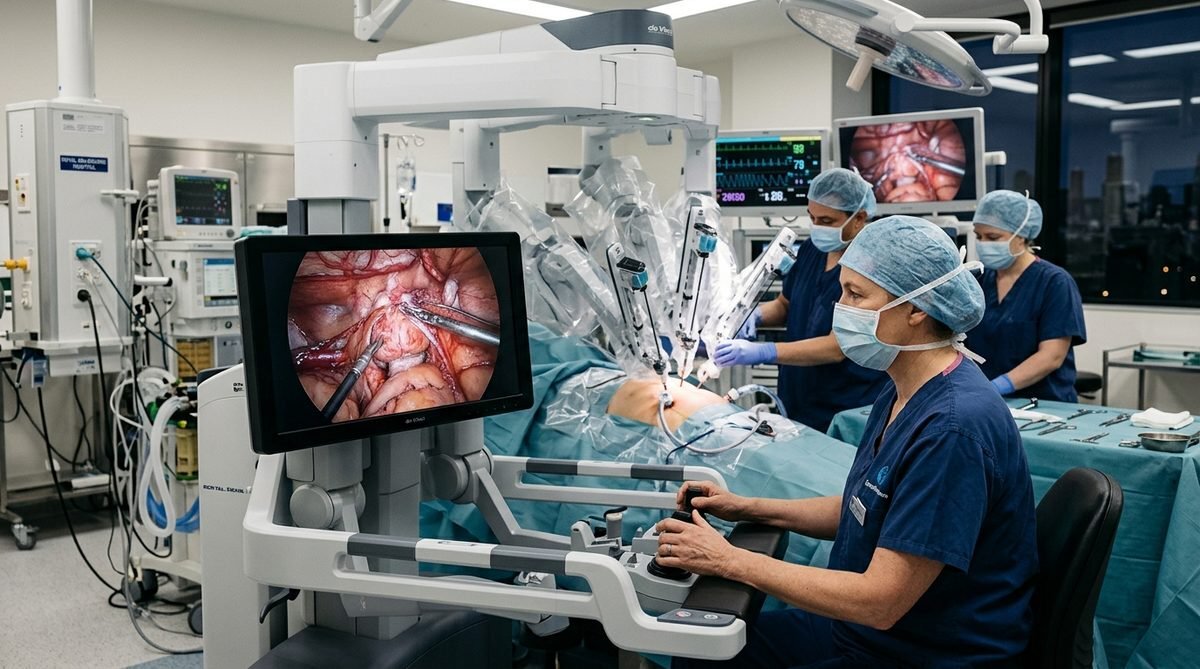
Is It Worth Having Your Prostate Removed in Melbourne?
Read article →
Can You Get Anything Free if You Have Cancer in Melbourne?
Read article →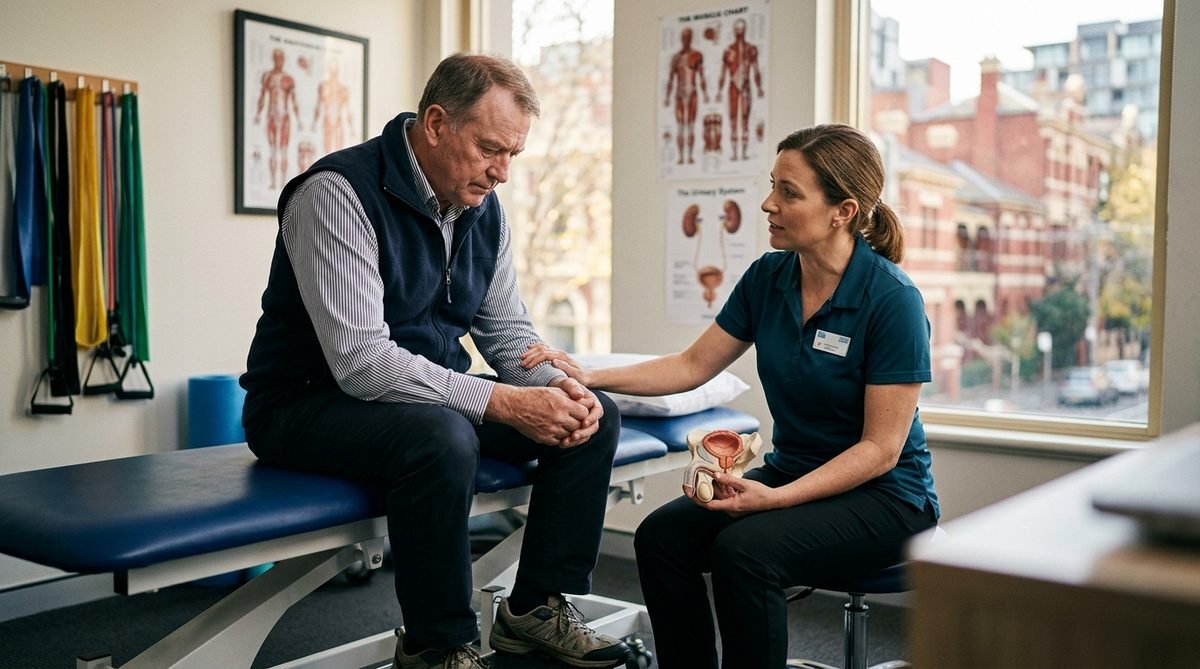
What Are the Negatives of Removing Your Prostate in Melbourne?
Read article →
Is Prostate Cancer Classed as a Disability in Melbourne?
Read article →