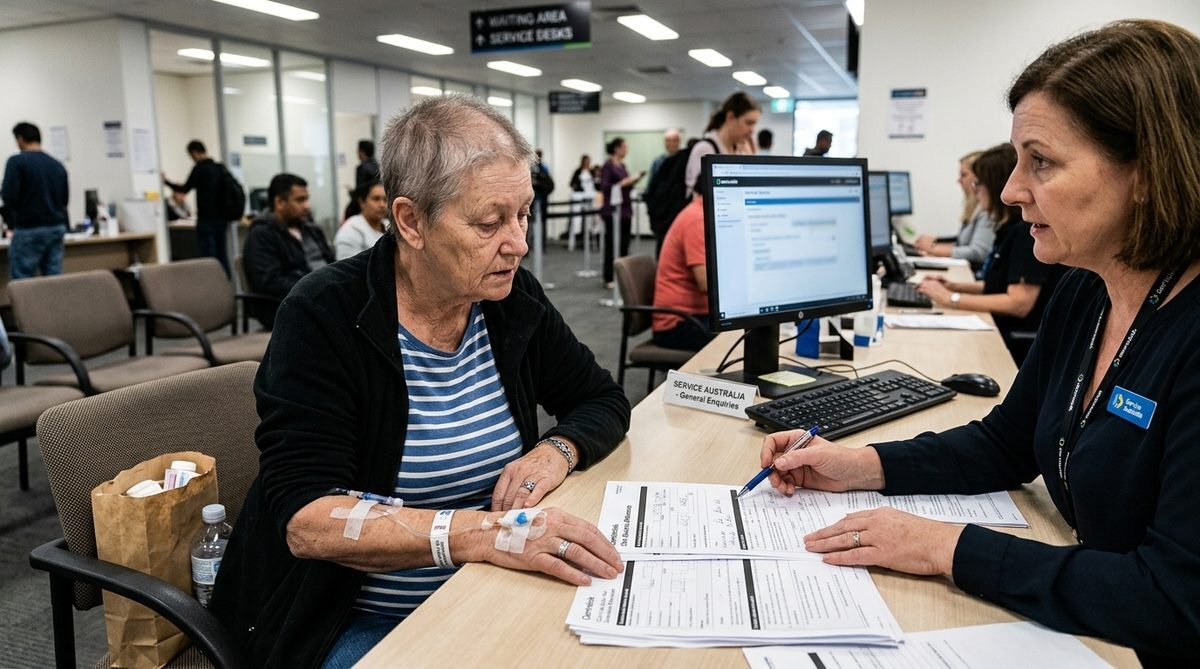
Is healthcare free in Australia for immigrants?

Healthcare in Australia is free or subsidised for some immigrants, but what you pay depends on your visa status and the service you use. People who can enrol in Medicare (Australia) may get treatment in a public hospital without a patient fee, plus money back for many medical services. Other immigrants need private insurance or must cover the full bill themselves.
The safest way to understand the system is to follow the bill. First, check whether Medicare covers you, then find out if the clinic accepts the Medicare benefit as full payment. You should also ask if the service falls outside Medicare.
This gives you a much clearer answer than thinking of Australian Health care as one free system.
What decides whether an immigrant pays for treatment?
Your citizenship alone does not set the cost. Australia looks at your immigration status, Medicare rules, provider fees, and the type of treatment when working out the final bill.
Australian citizens and most permanent residents can enrol in Medicare. Some people who have applied for permanent residence may also qualify if they meet set conditions. Certain temporary residents can get limited cover through a reciprocal health care agreement between Australia and their home country.
Many other temporary visa holders cannot use Medicare. This may include international students, working visitors, tourists, and relatives staying for a limited time. Their visa may require private health insurance for their whole stay.
A visa grant notice may mention health cover, but it won't explain every possible fee. Someone can meet the insurance condition and still face an excess, a waiting period, or a service the policy does not cover.
How does the medical bill change when you have Medicare?
Medicare pays a set benefit for listed medical services. That amount may cover all of the provider's fee, or just part of it.
If a doctor bulk bills you, they accept the Medicare benefit as full payment. You sign or approve the claim and pay nothing for that service. But bulk billing is the provider's choice.
A clinic may bulk bill some patients while charging others.
If the doctor charges more than the Medicare benefit, you pay the difference. This is called a gap fee or out-of-pocket cost. For example, a clinic may charge a private consultation fee, which you pay in full before getting a Medicare rebate later.
The gap left over is yours to pay.
This surprises many new arrivals. They hear they have Medicare and think every appointment will be free. A Medicare card gives you access to subsidies, but it does not set each doctor's price.
Before booking, ask: Do you bulk bill patients with my type of Medicare card, and is there any fee for this exact appointment? That one question can stop an expensive mix-up.
When is public hospital treatment free?
An eligible person can usually get medically needed treatment without a patient charge in a public hospital when admitted as a public patient. The hospital picks the treating doctor, and you may need to wait when the care isn't urgent.
You may be charged if you choose to be treated as a private patient, even inside a public hospital. Private insurance may cover some of the cost, but excesses and gaps can remain. A private hospital can also charge more than Medicare and the insurer will pay.
Emergency departments treat urgent illness and injury based on medical need. But that doesn't mean every patient leaves without a bill. A visitor with no Medicare rights and no suitable agreement may get an invoice after treatment.
Ambulance transport is another common trap. Medicare does not generally cover ambulance fees, and the rules change between states and territories. Some residents get state-based cover, while others need ambulance insurance or must pay the charge.
Which everyday services can still cost money?
Medicare leaves several common costs partly covered or outside the system. These gaps matter. Routine care can end up costing more than one hospital visit.
- Dental care: Most adult dental treatment is not covered by Medicare. Public dental programs have strict rules about who can use them and may have long waits.
- Prescription medicine: The Pharmaceutical Benefits Scheme cuts the price of many approved medicines. Patients still pay a share, and medicines outside the scheme can cost more.
- Glasses and contact lenses: Medicare may cover an eye test, but it usually won't pay for frames, lenses, or contact lenses.
- Allied health: Physiotherapy, psychology, podiatry, and similar services may get limited rebates under an approved care plan. Standard private visits often leave a gap.
- Tests and scans: Some pathology and imaging providers accept the Medicare benefit. Others add an extra fee. Ask before the test when it isn't urgent.
- Medicines and care outside hospital: Items given after discharge may bring separate costs, even when the hospital stay was covered.
- Cosmetic treatment: Procedures done only for appearance are generally outside Medicare.
In real life, the word “covered” needs a follow-up question: covered up to what amount? A rebate may shrink a bill without wiping it out.
What happens if your country has a reciprocal agreement?
Australia has reciprocal health care agreements with a limited number of countries. An eligible visitor from one of them may get cover for care that cannot wait until they return home. The agreement may also give access to some subsidised medicines.
The cover is limited. It does not replace broad travel insurance. It may leave out private hospital treatment, ambulance transport, planned procedures, dental work, and treatment mainly arranged for a trip to Australia.
Your nationality is only one part of the test. The passport you hold, your normal country of residence, and your visa can all affect whether the agreement applies. You may need proof that you lived in the partner country before coming to Australia.
Apply for any available reciprocal Medicare enrolment soon after you arrive. Keep your private cover until Services Australia confirms both your enrolment and its start date.
Why does a travel visa create more financial risk?
Anyone entering on a Travel visa should plan as if a medical bill could land tomorrow. Visitors usually get fewer public benefits than permanent residents. One accident can bring hospital, specialist, imaging, medicine, and transport charges.
Travel insurance should cover treatment in Australia, emergency transport, hospital admission, and repatriation. Read the exclusions for existing medical conditions closely. A cheap policy may fail right when it's needed if the traveller did not disclose a known condition.
Picture a visitor who gets severe stomach pain and needs urgent surgery. The public hospital will handle the emergency, but someone without Medicare or reciprocal rights may later get a large bill. The insurer may reject the claim if the illness is tied to an excluded condition.
The care and the payment decision happen separately.
Carry your policy number and the insurer's emergency contact details. A family member should know where to find them too.
How is the Australian system different from the US program?
The shared name causes mix-ups. Medicare (United States) is mainly a federal insurance program for older people and certain people with disabilities or specific health conditions. Medicare (Australia) is the national public health insurance system for eligible residents and some other people who qualify.
Using the US program does not give anyone automatic rights in Australia. A new immigrant must meet Australian enrolment rules. The same goes for people coming from countries with universal care.
Past cover does not transfer unless an Australian agreement or local rule gives access.
The naming issue may seem small, yet it can change how someone plans. A person might search for “Medicare eligibility” and find rules for the wrong country. Make sure any advice comes from an Australian government source and mentions Services Australia.
How should temporary residents compare private policies?
Start with the visa requirement, then look at what happens when you make a real claim. The lowest premium may come with a high excess or thin hospital cover.
Check the policy for:
- hospital and emergency treatment in Australia
- ambulance services in every state or territory you plan to visit
- waiting periods for pregnancy and treatment linked to an existing condition
- limits on doctor, specialist, pharmacy, dental, and allied health claims
- the amount you must pay before the insurer contributes
- direct billing arrangements with hospitals and clinics
- rules for family members listed on the visa
- cover during travel outside Australia
Overseas Student Health Cover is made for most international students. Overseas Visitors Health Cover is common for other temporary residents. These names describe broad product types, not the same benefits.
Different insurers may pay very different amounts for the same treatment.
Ask the insurer to send the product disclosure statement and waiting-period rules in writing. Save the response. A sales summary can help, but the policy terms decide the claim.
What should you do before using a clinic?
For non-urgent care, check the price before you arrive. Tell the clinic if you have a full Medicare card, an interim card, reciprocal cover, or private insurance. Ask if the doctor bulk bills and whether the visit may include extra tests.
Use this process:
- Check your Medicare status through Services Australia.
- Read your visa health insurance condition and current policy schedule.
- Ask the provider for the consultation fee and expected Medicare rebate.
- Check whether pathology, imaging, or another doctor will send a separate bill.
- Keep invoices, receipts, referrals, and claim records.
- Update Medicare and your insurer after any change to your visa or address.
In an emergency, get care first. Call triple zero when a serious illness or injury needs urgent help. Never let cost questions delay emergency treatment.
Which mistakes create surprise costs?
The first mistake is seeing Medicare enrolment as full insurance. It covers a set list of benefits and leaves gaps.
Another mistake is thinking a public building means a free service. A clinic can sit beside a public hospital and still charge private fees. A specialist working from a public hospital's private rooms may also bill you separately.
Some people cancel private insurance as soon as a permanent visa is granted. Yet Medicare enrolment may require an application and supporting documents. Your existing cover can protect you during the switch.
After enrolling, decide whether to keep the policy based on your needs and likely costs.
People also forget ambulance cover. Even a short ride can create a bill separate from the hospital charge.
And many patients ask if a service is covered but never ask about the gap. Providers and insurers can say what they will pay. Only the provider can confirm the price they will charge.
How can a new arrival make a safe health budget?
Put money aside for routine gaps, even if you qualify for Medicare. Your budget should cover clinic fees, medicine, dental treatment, and any insurance excess. Families need to plan for each person because one policy may set different limits for adults and children.
Keep a small health file with your Medicare details, visa grant notice, insurance policy, medicine list, and copies of key claims. It saves time when a receptionist or insurer asks for proof.
If your income is low, check whether you can get a concession card or state service. The rules vary. Use official government information instead of tips from social media groups.
The key idea is simple: Australia pays a large share of eligible medical care, but access and price are set one service at a time. Check your status, ask for the full fee, and keep suitable cover until you have written proof of what the public system will pay.
What should you do now?
Check your Medicare eligibility with Services Australia today. Then ask your insurer or provider to confirm every uncovered cost in writing before you cancel cover or book non-urgent treatment.
Common questions
Do immigrants to Australia get free housing?
No, immigrants do not usually get free housing in Australia. Some refugees and people in serious need may receive short-term housing help.
Is healthcare 100% free in Australia?
No, healthcare is not 100% free in Australia. Medicare covers many services, but patients may still pay for some doctor visits, medicines, dental care, and other treatment.
What benefits do immigrants get coming to Australia?
Benefits depend on a person's visa and how long they have lived in Australia. Some eligible immigrants can get Medicare, family payments, job support, or help in times of need.
Can immigrants get Medicare in Australia?
Some immigrants can get Medicare, including permanent residents and people with certain visas. Visitors from countries with a health care agreement may also receive limited cover.

How Much Does It Cost to Have Your Prostate Removed Privately in Melbourne?
Read article →
Is It Worth Having Your Prostate Removed in Melbourne?
Read article →
Can You Get Anything Free if You Have Cancer in Melbourne?
Read article →
What Are the Negatives of Removing Your Prostate in Melbourne?
Read article →
Is Prostate Cancer Classed as a Disability in Melbourne?
Read article →