Is Bipolar Disorder Covered by Insurance? What Australians Need to Know

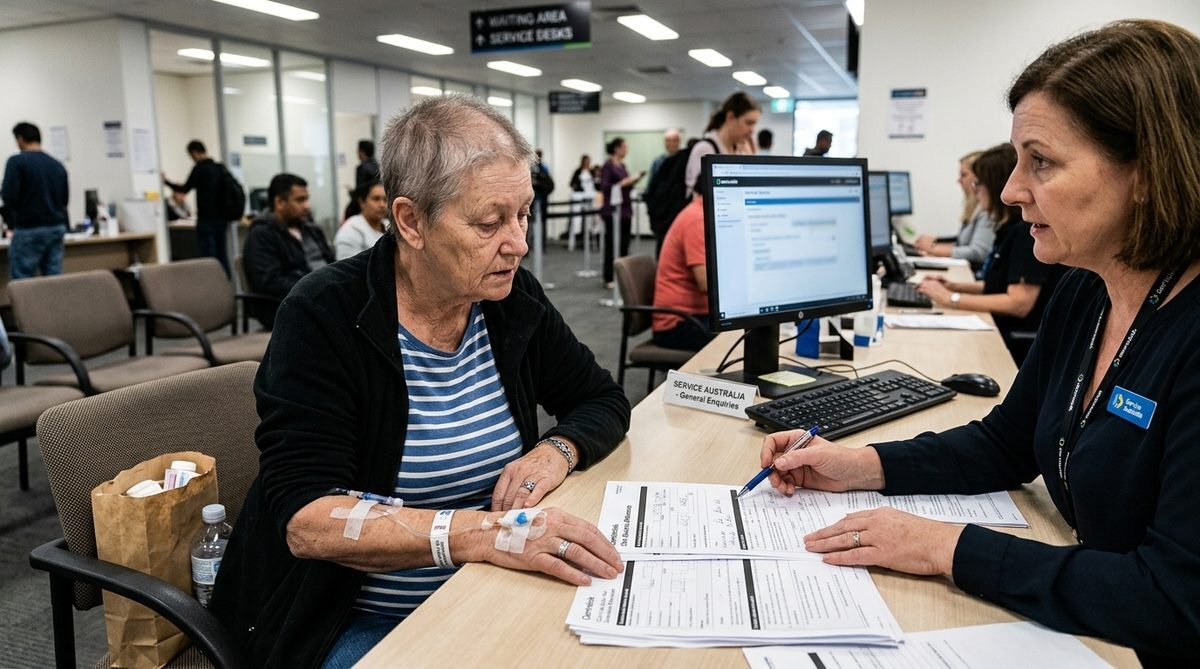
Yes, bipolar disorder is covered by insurance in Australia. Medicare covers psychiatric consultations, GP visits, and a Mental Health Treatment Plan. Private health insurance can cover inpatient psychiatric admissions. The NDIS may cover support if your condition causes a permanent functional impairment. Centrelink has payments available if you cannot work.
But what you can actually access depends on which system you use, your specific policy, and how your condition is documented. This article walks through each one so you know exactly where you stand. PTNA
What Does Medicare Cover for Bipolar Disorder?
Medicare won't cover you walking into a psychiatrist's office without a referral. The path in is through your GP. When you see your GP and get diagnosed or have an existing diagnosis of bipolar disorder, they can put together a Mental Health Treatment Plan.
That plan gives you access to up to 20 subsidised psychology sessions per calendar year through Medicare's Better Access initiative.
Psychiatrist visits are also covered under Medicare, but there's usually a gap payment. The Medicare rebate covers part of the fee, and most psychiatrists charge above that. Out-of-pocket costs vary widely. Some bulk bill, many charge $100 to $300 or more above the rebate per session.
One of my clients spent months thinking she had to pay the full fee for her psychiatrist because no one had told her about the rebate. When we sorted out her Mental Health Treatment Plan, her costs dropped significantly and she was able to keep her appointments consistently rather than cancelling when money was tight. That consistency made a real difference in her stability.
Medicare also covers hospitalisation through the public system at no cost. If you're admitted to a public psychiatric ward during a crisis or for stabilisation, you won't receive a bill.
Does Private Health Insurance Cover Bipolar Disorder?
Private health insurance in Australia covers mental health treatment under hospital cover, not extras cover. If your policy includes psychiatric services, it'll cover inpatient psychiatric admissions to a private hospital. This matters for bipolar disorder because private admissions typically offer shorter wait times, more control over which psychiatrist you see, and a private room.
The problem is that many people don't realise their policy has a waiting period for psychiatric care. The standard is two months, but some insurers apply up to 12 months for pre-existing conditions. If you take out a policy after a diagnosis and then need inpatient care, you may find yourself locked out during the waiting period.
I found that clients who sorted out private health insurance during a stable period were far better positioned when a difficult episode arrived. It's worth reading your Product Disclosure Statement specifically for the words "psychiatric services" or "mental health" before assuming you're covered.
Extras cover, which includes dental and physio, generally doesn't cover psychology or psychiatry. Some policies include an "extras" component for psychology sessions, but it's usually limited to a small annual cap and is separate from your mental health hospital cover.
Is Bipolar a Disability for Centrelink?
Bipolar disorder can qualify you for Centrelink's Disability Support Pension if the condition is severe enough to permanently reduce your capacity to work. Centrelink doesn't simply take a diagnosis as proof. They assess your functional capacity, meaning what you can and can't do on a consistent, reliable basis given your condition.
The assessment process involves your treating doctors providing evidence about how your condition affects your day-to-day functioning. If your bipolar disorder causes significant impairment in concentration, reliability, or the ability to manage a standard working week, that's the kind of evidence that supports a DSP claim.
If you don't meet the threshold for DSP, you may still qualify for JobSeeker with a partial capacity to work. This reduces the number of hours you're required to look for work per week and acknowledges that your condition creates real barriers to full-time employment.
I know this because one of my clients tried to access DSP twice and was rejected both times. The medical evidence being submitted described his diagnosis but not his functional limitations in daily life. Once his psychiatrist wrote specifically about how a mixed episode affected his ability to attend work reliably, the third application was successful.
What Benefits Can I Claim for Bipolar Disorder?
The main options in Australia are Medicare (subsidised mental health sessions and rebated psychiatrist visits), the Disability Support Pension or JobSeeker through Centrelink, the NDIS if you have a permanent impairment, and private health insurance for hospital-level care.
The NDIS is worth understanding separately. Bipolar disorder is a psychosocial disability, and the NDIS funds supports for psychosocial disabilities. But the NDIS requires that your impairment is permanent and substantially reduces your ability to participate in daily life. Episodic conditions like bipolar disorder can be harder to get through the NDIS because the impairment isn't always visible or active at the time of assessment.
If you do gain access to the NDIS with a bipolar disorder diagnosis, your plan can fund support coordination, community access support, help with daily living tasks during difficult periods, and sometimes supported accommodation. The funding is individualised based on your goals and needs, not a flat rate.
Here's an angle most articles miss: you can use multiple systems at once. Medicare for your psychiatrist, NDIS for daily support, and Centrelink for income support aren't mutually exclusive. Most people assume they have to pick one. You don't.
Is Bipolar 2 Hard to Live With?
Bipolar 2 is often harder to live with than people expect, including people who have it. The reason is that bipolar 2 involves hypomania rather than full mania. Hypomania can feel productive and positive, so people often don't identify it as a symptom. What they do notice is the depression, which in bipolar 2 tends to be longer and more severe than the highs.
Because hypomania doesn't typically cause the dramatic disruption of full mania, bipolar 2 is frequently misdiagnosed as depression for years. The treatment for depression alone, particularly antidepressants without a mood stabiliser, can actually worsen the cycling in bipolar 2. That misdiagnosis period is often when people accumulate the most damage to their relationships, finances, and careers.
I remember when one of my clients came in after 11 years of treatment for recurrent depression. She'd tried six different antidepressants, none of which held. A new psychiatrist reviewed her history, identified a pattern of hypomanic episodes that had been logged as "good weeks," and revised her diagnosis to bipolar 2. Within four months on a mood stabiliser, her depressive episodes reduced significantly. The right diagnosis changed everything. It took over a decade to get there.
From an insurance and access standpoint, bipolar 2 qualifies for the same supports as bipolar 1. The diagnostic label covers you for Mental Health Treatment Plans, psychiatrist rebates, and Centrelink applications in the same way.
What Not to Say to Someone With Bipolar Disorder
This matters practically because the way people around someone respond to their diagnosis affects whether they stay in treatment. Isolation and shame are two of the biggest barriers to consistent care.
Telling someone they seem fine isn't reassuring. People with bipolar disorder often work hard to appear stable even when they're not, and that comment dismisses the effort it takes. Asking whether they've tried just thinking more positively is unhelpful. Bipolar disorder is a brain-based condition with a strong genetic component. It doesn't respond to mindset adjustments.
Suggesting they go off their medication because they seem better misunderstands how mood stabilisers work. They work because the person is taking them. One of my clients told me directly after her husband kept pushing her to try coming off lithium because she'd been stable for two years. She described it as the loneliest part of having the diagnosis, being stable and still not being believed.
The most useful things people around someone with bipolar disorder can do are practical. Learn the early warning signs specific to that person. Help them maintain sleep routines, which are one of the strongest protective factors against episode onset. And treat their treatment plan as non-negotiable rather than something to debate.
The Thing Most Articles Get Wrong About Insurance and Bipolar Disorder
Most articles frame insurance coverage as a yes or no question. The more useful frame is: which system covers which type of care, and at what cost to you?
Medicare covers outpatient care well but has significant gaps for psychiatrist fees. Private health covers inpatient care but requires the right policy and no active waiting period. The NDIS covers daily living support but not clinical treatment. Centrelink covers income but not care. None of them covers everything.
The second thing most articles miss is that documentation drives access. Whether you're applying for DSP, the NDIS, or trying to claim on private health insurance, the strength of your clinical documentation determines what you get. A diagnosis code on a letter isn't the same as a detailed functional assessment from a treating psychiatrist. When I work with people navigating these systems, the most common reason for rejection is under-documented functional impact, not insufficient diagnosis.
The third thing is timing. Taking out private health cover, getting your Mental Health Treatment Plan in order, and building a relationship with a GP who understands your history are things worth doing during a stable period. Every person I've seen try to navigate insurance and entitlements during an acute episode has found it exponentially harder. The system rewards preparation.
Frequently Asked Questions
Does Medicare cover psychiatrist visits for bipolar disorder?
Yes. Medicare rebates a portion of psychiatrist fees. You need a GP referral. Most psychiatrists charge above the rebate, so there's usually a gap payment unless your psychiatrist bulk bills.
Can I get the NDIS for bipolar disorder?
You can apply if your bipolar disorder causes a permanent psychosocial disability that substantially limits daily functioning. Episodic conditions are assessed on how they affect you between episodes as well as during them. Evidence from your treating team is essential.
Does private health insurance cover psychiatric hospital stays?
Yes, under hospital cover that includes psychiatric services. Check your policy for waiting periods, especially if the diagnosis predates your cover. Some policies exclude pre-existing conditions for up to 12 months.
Can I get Centrelink payments for bipolar disorder?
Yes. The Disability Support Pension is available if your condition permanently reduces your work capacity. JobSeeker with partial capacity to work is available if you can work some hours but not full time. Your treating doctors need to provide functional evidence, not just a diagnosis.
Is bipolar disorder considered a permanent disability in Australia?
For Centrelink and NDIS purposes, it can be assessed as a permanent psychosocial disability. This doesn't mean it can't improve. It means the underlying condition is long-term and has a functional impact that meets the threshold for support.
Where to Start
Book an appointment with your GP and ask specifically for a Mental Health Treatment Plan. That single step opens Medicare-subsidised psychology sessions and gives you a referral pathway to a psychiatrist. From there, ask your psychiatrist to document your functional limitations clearly, not just your diagnosis. That documentation becomes the foundation for every other claim or application you might make.
If you're looking for a psychiatry team that works with people managing bipolar disorder and can help you navigate what you're entitled to, the team at PTNA works with patients across Australia. You can find more information at ptna.com.au.
Explore related health and wellbeing guides
This article is part of PTNA's consumer health and wellbeing library. Browse the Health & Wellbeing Resources hub to find related guides by topic, including Australian health cover, Medicare, prostate health, mental health, disability support and life insurance.
How Much Does It Cost to Have Your Prostate Removed Privately in Melbourne?
Read article →
Is It Worth Having Your Prostate Removed in Melbourne?
Read article →
Can You Get Anything Free if You Have Cancer in Melbourne?
Read article →
What Are the Negatives of Removing Your Prostate in Melbourne?
Read article →
Is Prostate Cancer Classed as a Disability in Melbourne?
Read article →