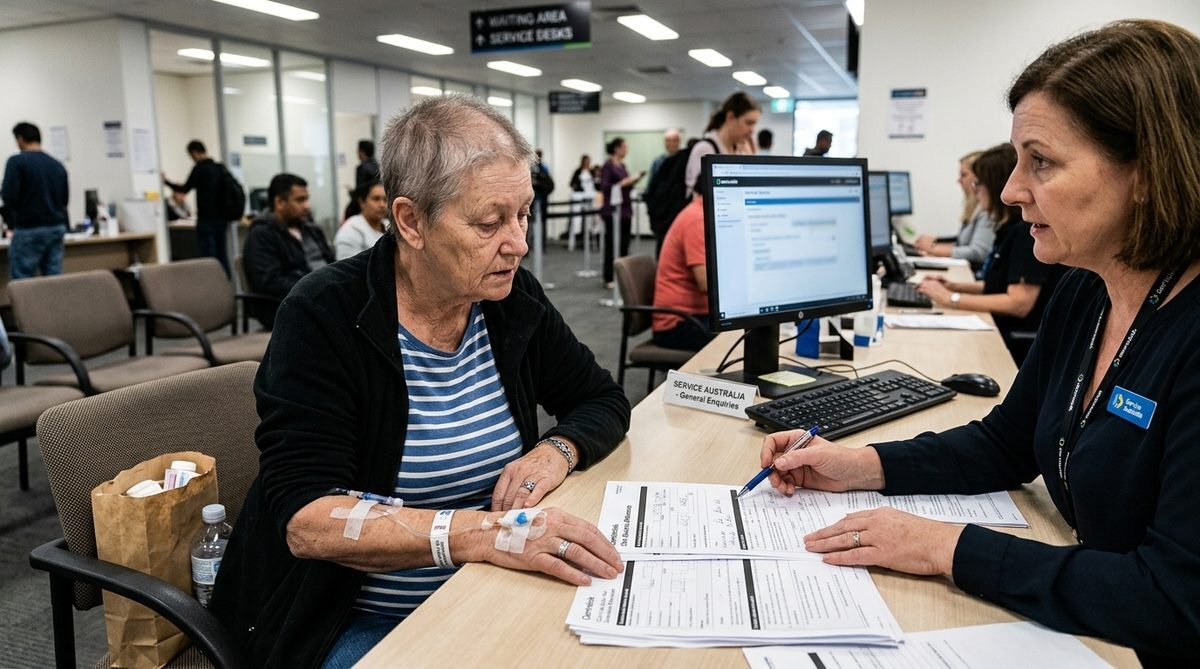
Is a Gallbladder Stone Covered by Health Insurance in Australia?

Yes, gallbladder stone treatment is covered by health insurance in Australia. But how much you pay out of pocket depends on whether you have Medicare only, private hospital cover, or both.
The gap between what you expect to pay and what you actually pay catches a lot of people off guard. Here's what the system actually looks like from the inside.
Does Health Insurance Cover Gallstones?
Medicare covers gallstone treatment as a medical necessity. If your gallstones are causing symptoms, the diagnosis and surgery fall under the Medicare Benefits Schedule (MBS).
That means your GP visits, specialist consultations, ultrasounds, and the surgical procedure all attract a Medicare rebate.
The real question isn't whether insurance covers it. It's how much of the bill Medicare or your private insurer actually absorbs, and how much lands in your hands. what your private insurer actually absorbs
In my experience working with people going through this, the biggest shock isn't the surgery cost itself. It's the anaesthetist gap, the hospital excess, and the out-of-hospital specialist visits that nobody warned them about.
What Does Medicare Actually Pay For?
Medicare pays 75% of the MBS fee for in-hospital procedures when you're a private patient. As a public patient in a public hospital, Medicare covers the full cost. No private cover needed. No gap fees. No excess.
If you have no private health insurance and you go public, your gallbladder surgery will cost you nothing out of pocket. The trade-off is wait times. Depending on your state and how symptomatic you are, you could wait weeks or several months for an elective cholecystectomy (surgery to remove the gallbladder).
One of my clients waited four months in the public system with intermittent pain. She eventually went private because the uncertainty was affecting her work. That's a legitimate reason to consider private cover, but it's a personal call, not a financial one.
Is Gallstone Surgery Covered by Medicare?
Yes. Laparoscopic cholecystectomy, the most common gallstone surgery, is listed on the MBS under item numbers for digestive system procedures. Medicare will rebate a set amount against that item number regardless of what the surgeon charges.
The problem is that surgeons can charge above the MBS fee. If your surgeon charges more than the MBS fee and you're a private patient, you pay the difference unless your private insurer covers it or your surgeon bulk-bills.
A public patient in a public hospital pays nothing. A private patient in a public or private hospital pays at minimum the hospital excess on their policy, and potentially a specialist gap on top of that.
How Much Does It Cost to Remove Gallbladder Stones With Insurance?
The numbers vary a lot. Here's a realistic breakdown.
As a public patient with no private cover, the out-of-pocket cost is typically zero. Surgery, anaesthetic, hospital stay, and follow-up in a public hospital are all covered through Medicare and the public system.
As a private patient with hospital cover, your out-of-pocket costs usually include your hospital policy excess (commonly $500 to $750 per admission), any gap between what your specialist charges and what Medicare plus your insurer pays, and any out-of-hospital consultations that fall under extras cover rather than hospital cover.
Without any insurance, the cost of a private laparoscopic cholecystectomy in Australia typically runs between $5,000 and $12,000 depending on the hospital, the surgeon, and your specific case. That includes the surgeon fee, anaesthetist, and hospital accommodation.
I know this because a client had her surgery as a private patient and still received a gap bill of $900 from the anaesthetist alone, which her hospital policy didn't fully cover. She had good cover. She just didn't know to ask her anaesthetist upfront whether they had a gap arrangement with her insurer.
What the Waiting Period Rules Mean for You
If you're taking out private health insurance specifically because you've been told you need gallbladder surgery, you will almost certainly be subject to a 12-month waiting period for pre-existing conditions.
This is one of the most common situations I see people get burned by. They find out they have gallstones, they rush out and buy private cover, and then discover their insurer classifies gallstones as a pre-existing condition. The insurer waits 12 months before they'll cover anything related to it.
If you already have hospital cover and gallstones are a new diagnosis, you're in a much better position. The waiting period rules typically apply at the time you take out the policy, not at the time of diagnosis.
Check your certificate of insurance and call your insurer before you book anything privately. Ask them directly whether gallbladder surgery is covered under your current policy and whether any waiting period applies.
Does the Type of Policy Matter?
Yes, significantly. Australia's private health insurance system uses a tiered hospital cover structure: Basic, Bronze, Silver, and Gold.
Gallbladder surgery is a digestive system procedure. Gold and Silver Plus policies are required to cover digestive system procedures. Basic and Bronze policies aren't required to include it, and many don't.
If you have a Basic or Bronze policy and you haven't checked the clinical categories it covers, do this before you assume you're covered. The insurer's product disclosure statement will list every included and excluded clinical category.
When I tried to explain this to a client who had a Bronze policy, he had no idea his policy excluded digestive system procedures. He'd been paying premiums for three years assuming he was covered for most things. He wasn't covered for this specific surgery.
What About Extras Cover?
Extras cover doesn't pay for hospital procedures or surgery. It covers things like dental, physiotherapy, and optical. It won't contribute to your gallbladder operation.
Where extras cover becomes relevant after surgery is if you need physiotherapy or dietitian consultations during recovery. Some policies cover dietitian visits, which can be useful given that diet plays a role in managing digestive health after a cholecystectomy.
How to Know What You're Actually Covered For
Call your insurer and ask these three questions before booking anything: Is laparoscopic cholecystectomy covered under my current hospital policy? Does any waiting period apply? What's my excess for this admission? For personalised guidance on your specific situation, review your coverage details with a specialist.
Then call the surgeon's rooms and ask: Do you have a gap agreement with my insurer? What's the estimated out-of-pocket for your fee? Do you know who the anaesthetist will be, and do they also have a no-gap or known-gap arrangement?
That last question matters more than most people realise. The surgeon might bulk-bill through your insurer and still leave you with a $600 gap from the anaesthetist. Anaesthetists operate independently and set their own fees.
What If You Don't Have Private Cover at All?
The public system is a real option. If your gallstones are symptomatic but not an emergency, you'll be assessed, placed on a surgical waitlist, and operated on at no cost. The surgery is the same procedure performed by trained surgeons in accredited public hospitals.
The downside is timing. If your symptoms are severe or affecting your quality of life, waiting is genuinely difficult. If your symptoms are manageable, the public system is a financially sound path.
Some people in this situation choose to pay out of pocket for the initial specialist consultation and ultrasound to get a clear diagnosis faster, then enter the public system for the surgery itself. That approach is worth knowing about because it gives you faster information without committing to the full private cost.
FAQ
Does health insurance cover gallstones in Australia?
Yes, if you have a hospital policy that includes digestive system procedures (typically Silver Plus or Gold), gallstone treatment including surgery is covered. Medicare also covers it through the public system at no cost to you as a public patient.
Is gallstone surgery covered by Medicare?
Yes. Laparoscopic cholecystectomy is an MBS-listed procedure. As a public patient in a public hospital, Medicare covers the full cost. As a private patient, Medicare pays 75% of the MBS fee, with your private insurer covering the remainder up to the MBS fee, and any amount above that potentially becoming a gap payment.
How much does gallbladder removal cost with private insurance?
Most people with Silver Plus or Gold hospital cover pay their policy excess, typically $250 to $750, plus any specialist gap fees. Without insurance, the full private cost ranges from roughly $5,000 to $12,000.
What if I just found out I have gallstones and I don't have insurance?
You can access treatment through the public system at no cost. If you want to take out private cover now, be aware that a 12-month waiting period for pre-existing conditions will likely apply to any gallstone-related treatment.
Can I claim gallstone treatment on extras cover?
No. Hospital procedures including surgery aren't covered by extras policies. Extras cover applies to ancillary services like dental and physiotherapy.
Does my insurer need to pre-approve gallbladder surgery?
Most insurers don't require pre-approval for listed procedures, but it's worth notifying them before admission. Some hospitals have liaisons who handle this. Confirming cover before surgery avoids disputes over the bill afterward.
What to Do Now
If you've been told you need gallbladder surgery or you're trying to understand your options before a diagnosis progresses, take these steps.
Call your insurer today and confirm your clinical category cover and your excess. Ask your surgeon's rooms directly whether they have a no-gap or known-gap arrangement with your fund.
If you don't have private cover and can't afford to wait, ask your GP about your public waitlist priority given your symptom severity. And if you're considering taking out a new policy, factor in the 12-month pre-existing condition waiting period before making that decision.
The system isn't simple, but it is navigable once you know the right questions to ask.
Explore related health and wellbeing guides
This article is part of PTNA's consumer health and wellbeing library. Browse the Health & Wellbeing Resources hub to find related guides by topic, including Australian health cover, Medicare, prostate health, mental health, disability support and life insurance.
How Much Does It Cost to Have Your Prostate Removed Privately in Melbourne?
Read article →
Is It Worth Having Your Prostate Removed in Melbourne?
Read article →
Can You Get Anything Free if You Have Cancer in Melbourne?
Read article →
What Are the Negatives of Removing Your Prostate in Melbourne?
Read article →
Is Prostate Cancer Classed as a Disability in Melbourne?
Read article →