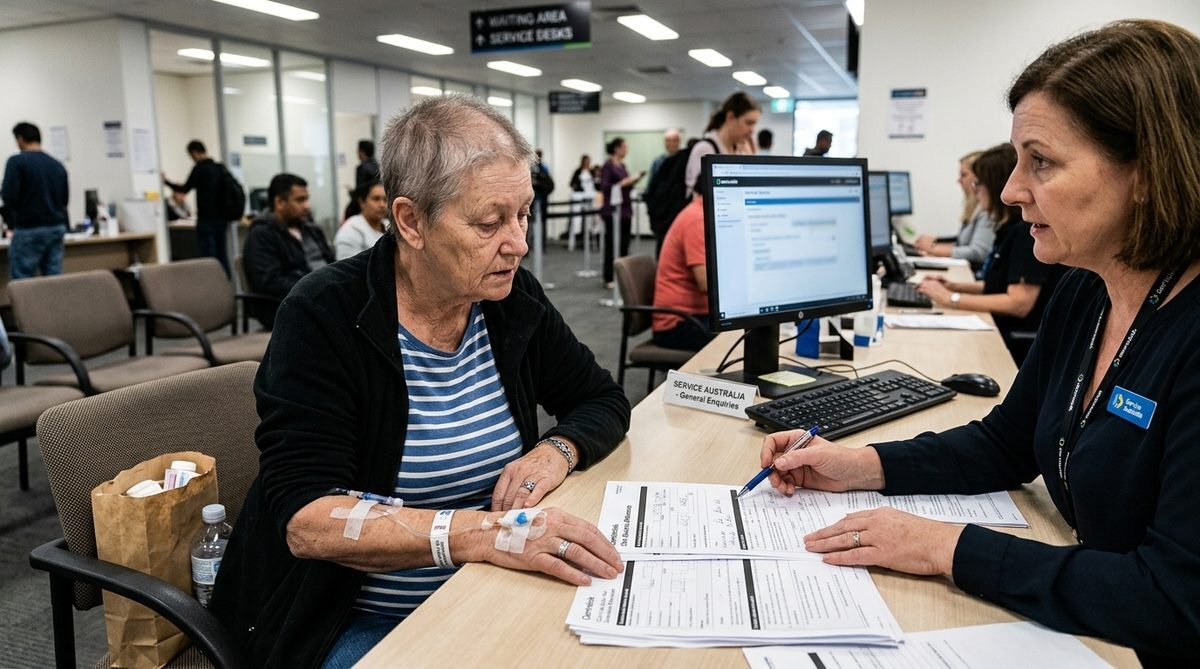
How to get 50% migraines?

To receive a 50 percent VA disability rating for migraines, a veteran must show that a service-connected migraine condition most closely matches the highest schedular criteria under Diagnostic Code 8100. The record must support very frequent, completely prostrating and prolonged attacks that produce or are capable of producing severe economic harm.
A diagnosis alone will not earn this rating. A high attack count will not guarantee it either. The Department of Veterans Affairs reviews the whole disability picture, including what happens during an attack, how long the effects last, how often severe attacks occur, and how they affect the veteran's ability to work. 50 percent VA disability rating
Service connection and the rating percentage are separate issues. The veteran must first show that the migraine disability is connected to military service, or that it was caused or made worse by another service-connected condition. The evidence must then establish the current level of impairment.
Which parts of the 50 percent standard must the evidence address?
The 50 percent migraine rating has four connected parts:
- Very frequent attacks: The severe attacks occur as a recurring pattern, rather than as rare events.
- Completely prostrating attacks: The attacks force the veteran to stop meaningful activity.
- Prolonged attacks: The disabling effects continue for a meaningful period and may include recovery time.
- Severe economic impact: The condition harms, or is capable of seriously harming, the veteran's ability to earn income and function reliably at work.
The VA does not publish a fixed monthly attack count that automatically satisfies all four parts. A record showing many headaches may still leave open whether those headaches were completely prostrating, prolonged, or tied to serious work problems.
The reverse can also matter. A veteran may understate the true pattern by reporting only the worst pain and leaving out the hours spent recovering, the shifts missed, or the duties another person had to finish. Those facts help show the complete disability picture.
Compare the record with each part of the standard. Mark statements such as “frequent headaches” or “bad migraines” as gaps because they do not explain what actually occurred. Replace vague descriptions with accurate facts from treatment records, migraine logs, employment documents, and firsthand observations.
What makes an attack completely prostrating?
A completely prostrating migraine attack stops normal activity. The key issue is functional incapacity, not the use of a particular word in a claim form.
Relevant facts may include having to lie down, withdrawing to a dark room, being unable to read a screen, or needing another person to handle basic duties. The veteran may be unable to drive, prepare food, supervise children, finish a work task, or hold a normal conversation. These are examples, not a required symptom list.
Pain intensity and complete prostration are related, but they are not identical. A veteran might report severe pain while continuing to work. Another attack might include lower reported pain but disabling visual symptoms, nausea, confusion, or sensitivity that makes useful activity impossible. The record should explain the effect instead of relying on a pain score.
A useful description answers concrete questions. What was the veteran doing when the attack began? What activity had to stop? Could the veteran remain upright? Was help needed? What treatment or medication was used? When could normal activity resume?
Consider a hypothetical example. A veteran writes only, “Severe migraine, pain nine out of ten.” That entry shows pain but says little about incapacity. A stronger and still truthful entry might explain that the veteran left a work station, lay in a dark room, could not look at a screen, and remained unable to complete normal tasks for the rest of the shift.
Medical notes can support this account, but a clinic may never observe the veteran during the worst stage of an attack. Statements from a spouse, colleague, supervisor, or another direct observer can describe what that person saw. The most useful statement gives dates or recurring patterns and reports observable facts rather than offering a medical opinion.
How should frequency and duration be recorded?
Use a migraine diary to separate all headaches from the attacks relevant to the higher rating. A bare monthly total hides the details the VA needs to assess.
Record each event when it happens or as soon as possible afterward. A practical entry can include:
- The date and time the symptoms began.
- The symptoms experienced and any warning signs.
- The medication or other immediate response used.
- Whether normal activity continued, slowed, or stopped.
- The length of the disabling stage.
- The time needed before normal function returned.
- The effect on work, household duties, or another planned activity.
Clearly distinguish an ordinary headache from a migraine that limits activity and an attack that stops all meaningful function. This makes the log more credible than treating every episode as equally severe.
Duration should cover more than the period of peak pain when the facts support it. If nausea, visual disturbance, medication effects, or exhaustion continued to prevent normal activity, record when useful function returned. Do not add recovery time that did not occur.
A contemporaneous diary can also resolve vague estimates made months later. It may show whether attacks cluster, whether medication changes the duration, and whether the veteran repeatedly misses the same type of duty. Connect entries with appointment dates, prescription records, urgent treatment records when applicable, and observed absences.
Do not rewrite old entries to copy the words in the rating schedule. Consistency should come from accurate reporting across the record. A diary that repeats “completely prostrating” without describing a single stopped activity may carry less weight than plain entries showing exactly what happened.
How can severe economic impact be shown while still employed?
A veteran does not have to lose a job before migraine attacks can meet the economic part of the rating standard. Continued employment does not erase serious problems with attendance, reliability, earnings, or output.
Relevant effects may include missed shifts, early departures, reduced hours, lost overtime, depleted leave, or lost commissions. The veteran might decline added duties because an unpredictable attack would leave a team without support. An employer might allow flexible hours, remote work, added breaks, reduced screen exposure, or access to a quiet room.
The evidence should connect these work effects to migraine attacks. General claims that migraines “make work hard” provide little detail. A simple chronology can match an attack date with the hours missed, the task left unfinished, the leave used, or the income lost.
Useful records may include attendance reports, leave statements, wage records, accommodation documents, performance notices, and correspondence about missed work. A supervisor or colleague can explain firsthand how often the veteran leaves a station, needs coverage, or cannot complete a task during an attack.
A hypothetical salaried veteran may lose no immediate wages because paid leave covers each absence. The leave record can still show repeated disruption and shrinking protection against later absences. Another veteran may remain at work during some attacks but produce little useful work and require colleagues to take over safety-sensitive duties. The facts should show the practical work effect rather than focus only on job loss.
The schedular migraine rating is different from individual unemployability. The 50 percent migraine criteria concern the severity of that disability, including its economic effect. Individual unemployability is a separate VA determination about whether service-connected disabilities prevent substantially gainful employment. Evidence for one issue may help explain the other, but the standards should not be merged.
Why might evidence support 30 percent but not 50 percent?
The 30 percent criteria under Diagnostic Code 8100 address characteristic prostrating attacks occurring on average once a month over the relevant period. The 50 percent level requires a more severe overall pattern.
The difference is not a simple jump in attack count. Evidence supporting 30 percent may establish recurring prostrating attacks but say little about prolonged duration or severe economic impact. The higher rating calls for very frequent attacks that are completely prostrating and prolonged, with the required economic effect.
A prior decision may reveal the missing issue. Read the reasons for the decision and the compensation examination. Look for findings about frequency, whether attacks were prostrating, how long they lasted, and how they affected work.
If the VA accepted recurring prostrating attacks but found no severe economic impact, submitting the same diagnosis and headache count again may not fill the gap. Records of leave use, lost work time, reduced output, or accommodations may speak more directly to the disputed issue.
If the examination reports brief attacks while the treatment notes and diary describe much longer periods, identify the contradiction. Explain it with dates and supporting records. Do not assume that repeating the regulatory phrase will resolve a factual conflict.
The VA must assess the disability picture supported by the complete record. No single document controls every claim. The best evidence works together and gives a consistent account of the attack pattern and its effects.
How do you build a consistent evidence chain?
Organize the claim by issue. This prevents a stack of disconnected records from hiding the facts that matter.
Is service connection established?
Confirm whether the VA has already recognized the migraine condition as service connected. If it has not, the record must address the link to service. A secondary claim must include competent evidence supporting the claimed relationship to an existing service-connected condition. Severity evidence cannot replace that link.
Does the record identify the current condition?
Include the current medical diagnosis and relevant treatment history. Medical records can document symptoms, medication changes, reported attack patterns, and clinical findings. They should support the claim without being treated as automatic proof of a particular percentage.
Do the records show what severe attacks stop?
Use the migraine diary and lay statements to describe observable limits. State which activities stopped, whether the veteran had to lie down or isolate, and when useful function returned. Avoid asking witnesses to diagnose migraines or give a medical causation opinion.
Can the duration and frequency be checked?
Match diary entries with appointments, prescription history, messages to medical staff, and other dated records when available. Explain genuine gaps. For example, a veteran may manage established attacks at home rather than visit a clinic each time. State that fact plainly instead of suggesting that an absence of emergency treatment proves either mild or severe disability.
Does the work evidence connect attacks with economic harm?
Link specific attacks or recurring patterns with attendance, reliability, earnings, leave use, or productivity. Remove private workplace details that do not help prove the issue. Keep documents showing the date, consequence, and connection to the migraine condition.
Is the compensation examination accurate?
During a compensation examination, describe the usual pattern and the worst relevant attacks truthfully. Explain frequency, duration, stopped activities, recovery, and work effects. Do not minimize the condition because the examination happens on a good day. Do not exaggerate symptoms or recite legal language that does not match the facts.
If the examination report later contains a material error, identify the exact statement and the record that conflicts with it. A specific correction carries more force than a broad claim that the examination was unfair.
What should you do before filing?
Create a one-page evidence map. List service connection, the current migraine pattern, complete prostration, prolonged duration, and economic impact as separate issues. Beside each issue, name the document or statement that supports it. Note every contradiction and genuine gap, then gather the missing record or qualified medical opinion before filing.
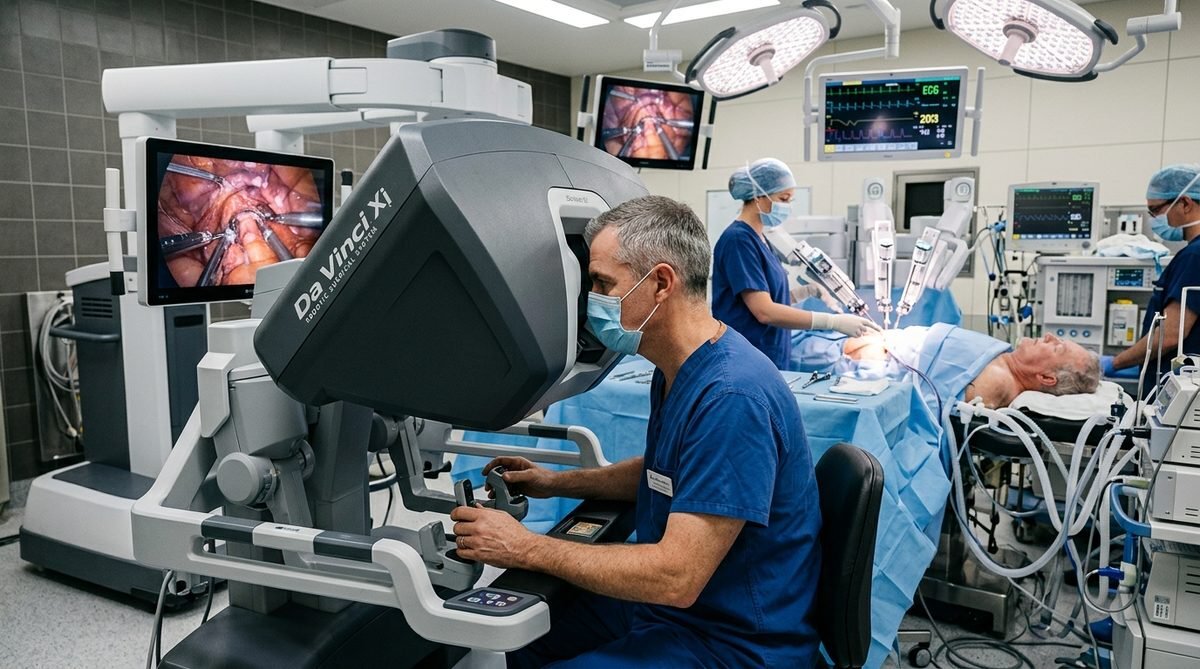
How Much Does It Cost to Have Your Prostate Removed Privately in Melbourne?
Read article →
Is It Worth Having Your Prostate Removed in Melbourne?
Read article →
Can You Get Anything Free if You Have Cancer in Melbourne?
Read article →
What Are the Negatives of Removing Your Prostate in Melbourne?
Read article →
Is Prostate Cancer Classed as a Disability in Melbourne?
Read article →