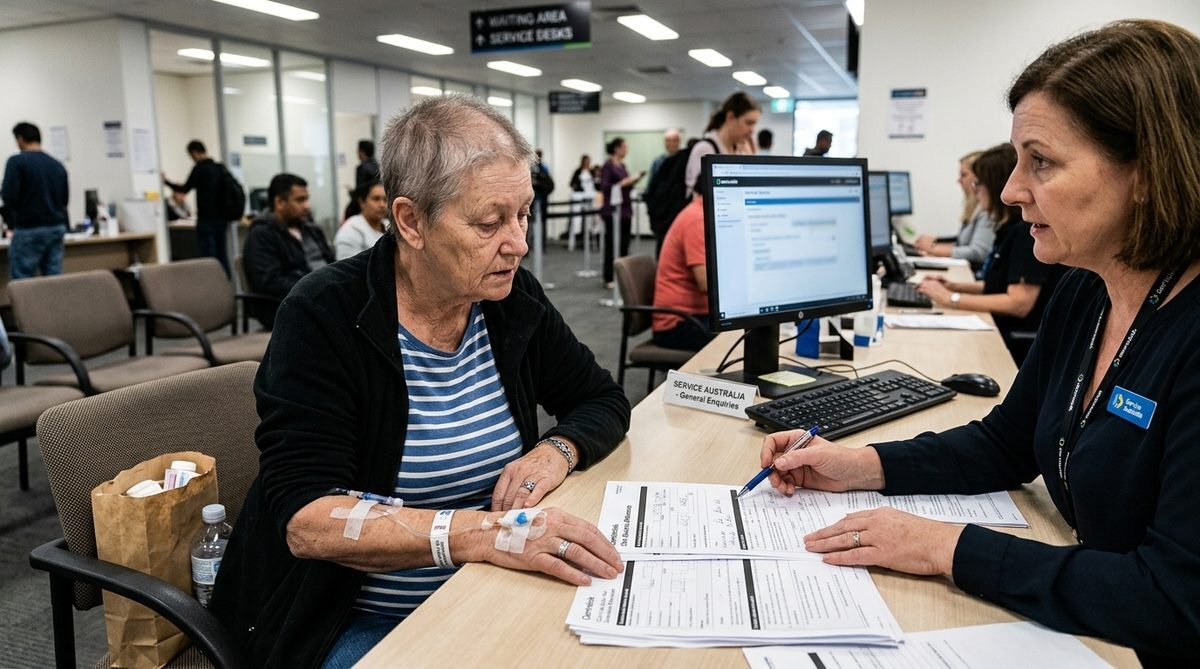
How to Claim Surgery on Bupa: A Complete Guide to Getting Reimbursed

Most people think claiming surgery on Bupa is automatic. You have insurance, the surgery happens, the bill disappears. Wrong.
What actually happens is a process. It requires you to do several things in the right order, at the right time, or you end up with a bill you didn't expect. PT Nation Australia
This guide walks you through exactly how to claim surgery on Bupa, what to check beforehand, what to do after the procedure, and where most people lose money without realizing it.
Check Your Cover Before You Book Anything
The single most common mistake: whether the procedure is covered. You book the surgery, have it done, and then discover your policy has a waiting period you haven't served, or the procedure falls under an exclusion you never read.
One of my clients went in for a shoulder reconstruction and assumed she was covered. The hospital admission, yes. But the specific implant used was classified differently, and she was left with a gap she hadn't budgeted for. Not because Bupa did anything wrong. Because she didn't check first.
To check whether your procedure is covered, log into the Bupa member portal or call Bupa on 134 135. Confirm three things: whether the procedure is included in your level of cover, whether any waiting periods apply, and what your excess amount is for that type of admission.
If you know the MBS item number for the procedure, that makes the conversation much faster. Your surgeon or GP can usually give you this. what your policy pays for that item number and tell you whether you'll face a gap.
What Does Bupa Actually Cover for Surgery?
Bupa covers hospital admissions. That's the facility costs, theatre fees, and accommodation. What your policy pays depends on which tier of hospital cover you hold: Gold, Silver, Bronze, or Basic. Each covers different clinical categories.
The surgeon's fee is separate. Bupa pays the Medicare Benefits Schedule (MBS) benefit for the surgical item numbers. Medicare pays 75% of the MBS fee if you're a private patient. Bupa tops that up to 100% of the MBS fee. If your surgeon charges above the MBS fee, you pay the difference. That difference is called the gap, and it's the part most people don't see coming.
Bupa has a known gap scheme. If your surgeon participates, Bupa has agreed to cover the gap up to a set limit, and you pay little or nothing above the MBS rate. If your surgeon doesn't participate, you could be paying hundreds or thousands out of pocket on top of your insurance.
Always ask your surgeon two questions before agreeing to anything: Are you a Bupa known gap provider? If not, what will your fee be above the MBS rate?
Do You Pay Hospital Excess for Day Surgery?
Yes, in most cases you do. A lot of people think day surgery is exempt from the excess because you're not staying overnight. That's wrong.
Your hospital excess applies to admissions, not nights. If you're admitted as a private patient for a day procedure, you're still admitted, and your excess is triggered. Bupa policies generally charge the excess once per person per calendar year for hospital admissions, so if you've already been admitted earlier in the year, you may have already paid it.
Check your policy schedule or call Bupa to confirm your specific excess amount and whether it resets annually or per admission. Some older policy types charge per admission rather than per year, which can significantly increase your costs if you have multiple procedures.
If your excess is $750 and you're having a $900 day surgery, it's worth doing the maths before you assume insurance makes it cheaper.
How to Claim Surgery on Bupa: Step by Step
Before admission, call Bupa to get pre-authorisation for the hospital stay. This isn't always mandatory depending on the hospital and your policy, but it removes any dispute about coverage after the fact. The hospital often does this on your behalf, but confirm it's been done. Get a reference number.
On the day of your procedure, tell the hospital admissions team you're a Bupa member. Give them your membership number. They'll verify your cover directly with Bupa and handle most of the hospital billing from that point. For in-hospital claims, the hospital usually submits the claim to Bupa directly. You shouldn't have to do this part yourself.
After the procedure, the billing becomes your responsibility in a few areas. Your surgeon, anaesthetist, and any assistant surgeons bill separately. They send you invoices, usually within a few weeks. Each of these needs to be claimed individually through Medicare and then Bupa for the gap component.
To claim medical expenses from Bupa after surgery, you have a few options. The fastest is using the Bupa app or the online member portal. Upload the invoice or itemised account, enter the details, and submit. Bupa processes most claims within a few business days and deposits the benefit directly into your nominated bank account.
You can also claim at a Bupa store with the original invoice, or submit by mail, but digital is quicker.
For the Medicare portion, claim that first through the Medicare app or myGov, or at a Services Australia service centre. Once Medicare processes their payment, you claim the balance from Bupa. Some providers offer a two-way claiming system where both Medicare and Bupa are billed at once, but this depends on the provider's software.
How to Claim After Surgery When Multiple Bills Arrive
This is where people get confused. A single surgery can generate four or five separate bills: the hospital, the surgeon, the anaesthetist, an assistant surgeon, and sometimes a pathologist or radiologist. Each one needs to be claimed separately.
When I went through a procedure myself, invoices arrived over six weeks. One came almost two months after the surgery. I nearly missed claiming it because I thought everything had been settled. The window to claim with Bupa is generally two years from the date of service, so you're not going to lose the money if you're a bit slow. But staying on top of each invoice as it arrives is easier than trying to reconstruct it later.
Keep a folder, physical or digital, with every invoice as it arrives. Note the date of service, the provider number, and the MBS item numbers listed. You'll need these when submitting.
When Bupa Pays Less Than You Expected
If the benefit paid is lower than you expected, the most common reasons are that the surgeon charged above the MBS rate and wasn't on the known gap scheme, the procedure was only partially covered under your policy tier, or a waiting period hadn't been fully served.
You can call Bupa and ask for an explanation of benefits. They'll break down exactly what was paid, under which item number, and why. If you believe there's been an error, you can lodge a formal review.
One client of mine had a claim underpaid because the hospital coded the admission under a clinical category her policy didn't fully cover. After a phone call and some paperwork, Bupa corrected it. These things do happen and they're worth following up.
Physio and Rehab After Surgery: Claiming Extras
If your policy includes extras cover, post-surgical physiotherapy or occupational therapy may be claimable as well. This is separate from your hospital cover and has its own annual limits and waiting periods.
To claim physio through Bupa extras, swipe your Bupa card at a recognised provider and the benefit is applied on the spot. If the provider doesn't have HICAPS, you pay in full and claim through the app afterwards with the receipt.
Check your annual extras limits before you start rehab. If you've already used most of your physiotherapy limit earlier in the year, you may be paying most of this out of pocket. Some people time elective surgeries towards the start of the calendar year specifically to have full extras limits available for recovery.
What Most People Get Wrong About Bupa and Surgery
The insurance model works on financial risk pooling. You pay premiums, Bupa pools that money, and uses it to cover members when they need care. What surprises people is that private health insurance in Australia was never designed to make surgery free. It was designed to give you access to private hospital care and reduce your out of pocket costs to a manageable level, not to zero.
The gap between what insurers pay and what specialists charge is a structural feature of the system, not a mistake. Surgeons are free to set their own fees above the MBS rate. Bupa doesn't control that. What you can control is choosing providers on the known gap scheme.
The second thing most articles miss: the anaesthetist's fee is often the biggest unexpected cost. Most people think about the surgeon but forget that the anaesthetist bills entirely separately and has no obligation to be on any gap scheme. Ask about the anaesthetist's fee before surgery. It's a completely reasonable question and any practice manager will be able to tell you.
The third thing: Bupa's mental health and rehabilitation policies have changed significantly in recent years. If your surgery involves a recovery period that requires inpatient rehabilitation or a mental health admission, these may be covered under Gold tier policies where they weren't previously. Check current inclusions rather than relying on what you were told when you first took out the policy.
FAQ
How do I check if a procedure is covered by Bupa?
Log into your Bupa member account online, use the Bupa app, or call 134 135. Give them the MBS item number for the procedure if you have it. They'll confirm whether it falls within your clinical category coverage, whether any waiting periods apply, and what benefit your policy pays for that item.
How long does a Bupa surgery claim take to process?
Digital claims submitted through the Bupa app or member portal are typically processed within two to five business days. Paper or mail claims take longer, usually one to two weeks. Complex claims requiring manual review may take longer and Bupa will contact you if additional information is needed.
Do I need pre-authorisation before surgery?
Bupa recommends it, and for planned procedures it removes any ambiguity about coverage. Call Bupa before your admission, confirm your cover for the procedure and the hospital, and keep the reference number. The hospital often handles pre-authorisation on your behalf, but always confirm this has happened rather than assuming.
Can I claim surgery costs if I forgot to pre-authorise?
Yes. Pre-authorisation is a recommendation for hospital admissions, not a strict requirement for your claim to be paid. Your claim will still be assessed against your policy terms. The main risk of skipping pre-authorisation is finding out after the fact that something wasn't covered, rather than before when you still have choices.
What if my surgeon is not on the Bupa known gap scheme?
You'll pay the difference between your surgeon's fee and the combined Medicare plus Bupa benefit. Ask your surgeon's practice manager for an estimate of this gap before you proceed. If the gap is significant and you want to reduce it, ask whether there are other surgeons performing the same procedure who do participate in the scheme.
How do I claim medical expenses from Bupa for specialist consultations related to surgery?
Pre and post-operative specialist consultations are generally claimable as medical services, not hospital services. Claim the Medicare rebate first through Medicare, then claim the balance with Bupa through the app or portal using the itemised invoice. These claims typically process faster than hospital claims.
What to Do Next
Before your next procedure, call Bupa with the MBS item number, confirm your coverage, ask your surgeon whether they're on the known gap scheme, ask your anaesthetist the same question, and get the pre-authorisation reference number. Those five steps prevent almost every unexpected bill.
If you're looking for physiotherapy or rehabilitation support after surgery in Australia, the team at PT Nation Australia works with private health insurance including Bupa extras cover, and can help you get the most out of your remaining benefits during recovery.
Explore related health and wellbeing guides
This article is part of PTNA's consumer health and wellbeing library. Browse the Health & Wellbeing Resources hub to find related guides by topic, including Australian health cover, Medicare, prostate health, mental health, disability support and life insurance.
How Much Does It Cost to Have Your Prostate Removed Privately in Melbourne?
Read article →
Is It Worth Having Your Prostate Removed in Melbourne?
Read article →
Can You Get Anything Free if You Have Cancer in Melbourne?
Read article →
What Are the Negatives of Removing Your Prostate in Melbourne?
Read article →
Is Prostate Cancer Classed as a Disability in Melbourne?
Read article →