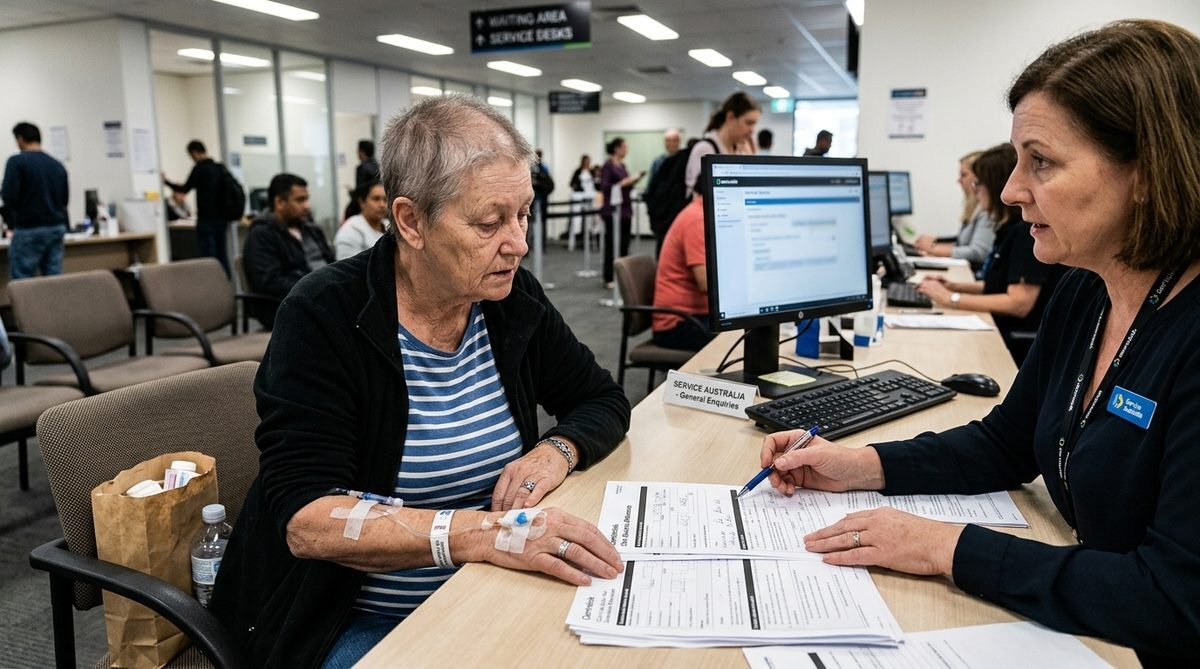
How Much Does Prostate Surgery Cost in Australia? (2025 Guide)

Prostate surgery in Australia costs between $0 and $15,000 out of pocket, depending on whether you use the public system, have private health insurance, or pay entirely yourself. That range is wide, so the actual number that matters is yours — and it comes down to a few specific factors.
This article breaks down what you will actually pay, what Medicare covers, how robotic surgery changes the equation, and what questions to ask before you book anything.
What Does Prostate Surgery Cost in Australia?
The total cost of prostate surgery — called a radical prostatectomy — sits between $20,000 and $35,000 when all fees are added together. That includes the surgeon, anaesthetist, assistant surgeon, hospital facility, and any pathology or imaging done during the procedure.
What you pay out of pocket is a different number entirely.
In the public system, most patients pay nothing. Medicare covers the procedure under the Medicare Benefits Schedule (MBS), and the public hospital absorbs the facility cost. The trade-off is waiting time, which can stretch from weeks to several months depending on your state and the urgency of your case.
In the private system, your out-of-pocket cost depends on whether your surgeon bulk bills, charges above the MBS fee, and what your health fund covers. In my experience researching this space, most men with private hospital cover end up paying between $2,000 and $8,000 out of pocket once Medicare and their insurer have contributed. Some pay more if their surgeon charges significantly above the scheduled fee. private health insurance
Without any insurance, you are looking at the full $20,000 to $35,000 range, though some private hospitals offer self-funded packages that bring this down slightly.
Is Prostate Surgery Covered by Medicare in Australia?
Yes. Radical prostatectomy is listed on the Medicare Benefits Schedule under item numbers 37210 and 37219, among others depending on the approach used. Medicare pays 75% of the MBS fee if you are treated as a private patient in a private hospital, and 100% if you are treated as a public patient in a public hospital.
The catch is the gap. Surgeons are not required to charge the MBS fee. Many charge above it, and the difference between what they charge and what Medicare pays is your gap. This is sometimes called an out-of-pocket cost or a co-payment.
Medicare does not cover the hospital facility fee directly. That is where private health insurance comes in, or where public hospital admission removes the cost entirely.
One thing most articles miss: Medicare also covers the anaesthetist and assistant surgeon under separate MBS items, but those practitioners can also charge above the schedule fee. Always ask each provider what their gap will be, not just the surgeon.
Does Private Health Insurance Cover Prostate Surgery in Australia?
Private hospital cover (also called hospital cover) pays for the hospital accommodation, theatre fees, and prostheses if applicable. It does not pay your surgeon's gap unless you have a specific gap cover arrangement or your surgeon participates in your fund's no-gap or known-gap scheme. health fund covers
What I found when looking at this closely is that the fund matters less than the surgeon's billing arrangement. A surgeon who participates in your fund's no-gap scheme means you pay nothing above what Medicare and the fund cover. A surgeon who does not participate can charge whatever they choose, and your fund will not cover the difference.
Before you confirm a surgeon, call your health fund and ask two things. First, does this surgeon participate in your no-gap or known-gap scheme? Second, what is the expected gap for the specific MBS item numbers involved?
Waiting periods also apply. Most hospital cover policies have a two-month waiting period for accidents and a twelve-month waiting period for pre-existing conditions. Prostate cancer is typically treated as a pre-existing condition, so if you have just taken out cover, you will likely need to wait twelve months before you can claim.
What Is the Difference in Cost Between Robotic and Open Prostate Surgery in Australia?
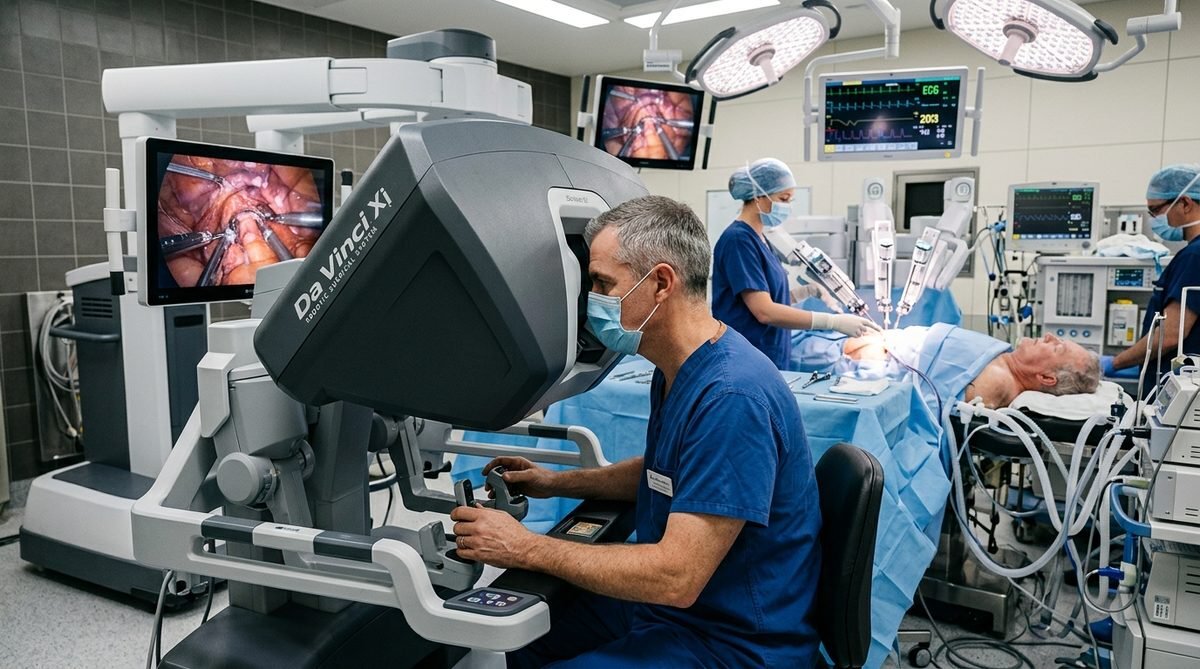
Robotic-assisted laparoscopic prostatectomy (RALP) costs more than open surgery, and the gap is real. The robotic approach typically adds $2,000 to $5,000 to the total procedure cost, partly because of the equipment involved and partly because surgeons who perform robotic surgery often charge higher fees.
From a Medicare perspective, robotic prostatectomy is listed under MBS item 37219, while open prostatectomy falls under 37210. The scheduled fees differ, but both are covered. The out-of-pocket difference comes from surgeon fees and hospital charges, not from Medicare's contribution.
The clinical case for robotic surgery is strong. Studies published in journals including the European Urology journal show lower rates of urinary incontinence and erectile dysfunction compared to open surgery, along with shorter hospital stays and faster recovery. What this means practically is that the higher upfront cost can be offset by fewer complications and less time off work.
In the public system, access to robotic surgery depends on the hospital. Major teaching hospitals in Sydney, Melbourne, Brisbane, and Perth have robotic platforms. Regional hospitals often do not, which means some patients are referred to metropolitan centres or offered open surgery locally.
How Long Is the Hospital Stay After Prostate Surgery in Australia?
For robotic prostatectomy, most patients stay one to two nights in hospital. Open surgery typically requires three to five nights. These are averages — your stay depends on how you recover, whether there are any complications, and your surgeon's protocol.
After discharge, a urinary catheter stays in place for one to two weeks. Most men return to light activity within two to four weeks and to full activity within six to eight weeks, though this varies.
The shorter hospital stay with robotic surgery has a direct cost implication. Private hospital accommodation runs between $500 and $1,500 per night depending on the facility and room type. Fewer nights means lower facility costs, which your health fund or you will pay less of.
What Factors Affect the Cost of Prostate Surgery in Australia?
Several things move the number up or down.
Surgeon experience and reputation carry the biggest weight. High-volume surgeons who specialise in prostate cancer often charge above the MBS fee. The data supports paying for volume — surgeons who perform more than 50 radical prostatectomies per year consistently show better outcomes on continence and potency than lower-volume surgeons, according to research from the Prostate Cancer Foundation of Australia.
The surgical approach matters, as covered above. Robotic costs more upfront but often less in total when recovery time is factored in.
Location plays a role. Sydney and Melbourne tend to have higher surgeon fees than regional areas, though the gap is narrowing as more specialists move to telehealth-assisted models for follow-up care.
Your health fund tier affects what the insurer pays toward the facility. Basic hospital cover may not include the category of room or theatre required for a robotic procedure at a private hospital. Check your policy's inclusions before assuming you are covered.
Pathology and imaging add to the total. A prostate MRI before surgery, bone scan if required, and post-operative pathology are all billed separately. Medicare covers most of these, but gaps apply here too.
How to Reduce Your Out-of-Pocket Cost
Ask your surgeon directly whether they participate in a no-gap or known-gap scheme with your health fund. This single question can save you thousands.
If you are in the public system and your wait time is acceptable, you may pay nothing. Ask your GP for a referral to a public urology service and get a clear timeline before deciding to go private.
Request an itemised quote before agreeing to anything. Surgeons are required to provide a written estimate of fees under the Australian Medical Association guidelines. The quote should include the surgeon fee, assistant surgeon fee, and anaesthetist fee separately. Get a clear quote breakdown to understand your exact costs. get a clear quote
Compare hospitals. Some private hospitals have negotiated fixed-price packages for prostatectomy that include all facility costs. These packages can reduce uncertainty even if they do not always reduce the total.
The how much does prostate surgery cost in Australia question has a real answer once you know your specific situation — your insurer, your surgeon's billing model, and whether you are going public or private.
Frequently Asked Questions
Can I get prostate surgery for free in Australia?
Yes, as a public patient in a public hospital. Medicare covers the procedure and the hospital absorbs the facility cost. You will have no choice of surgeon and may wait several months depending on clinical urgency.
What is the Medicare rebate for prostate surgery?
Medicare pays 75% of the MBS scheduled fee when you are treated as a private patient. As a public patient, Medicare pays 100% of the scheduled fee directly to the hospital. The MBS fee for radical prostatectomy is currently around $1,800 to $2,200 depending on the item number, though surgeon charges are typically higher.
Is robotic prostate surgery available in the public system?
At major public teaching hospitals, yes. Not all public hospitals have robotic platforms. If robotic surgery is recommended and not available at your local public hospital, ask about a referral to a centre that has the equipment.
How do I find out my exact out-of-pocket cost before surgery?
Ask your surgeon's rooms for a written fee estimate covering all MBS item numbers involved. Then call your health fund with those item numbers and ask what they will pay. The difference is your gap.
Does Medicare cover the anaesthetist for prostate surgery?
Yes, anaesthesia for prostate surgery is covered under separate MBS items. The anaesthetist can also charge above the scheduled fee, so ask them directly what their gap will be.
What happens if I cannot afford private surgery and the public wait is too long?
Talk to your urologist about clinical urgency. High-grade or locally advanced prostate cancer typically receives priority in the public system. If your case is urgent, the wait time is usually much shorter. Some private hospitals also offer payment plans for self-funded patients.
The One Thing to Do Before You Book
Call your health fund before you confirm a surgeon. Give them the surgeon's name and the MBS item numbers for the procedure. Ask what your gap will be. That call takes ten minutes and can change your decision entirely.
Explore related health and wellbeing guides
This article is part of PTNA's consumer health and wellbeing library. Browse the Health & Wellbeing Resources hub to find related guides by topic, including Australian health cover, Medicare, prostate health, mental health, disability support and life insurance.
How Much Does It Cost to Have Your Prostate Removed Privately in Melbourne?
Read article →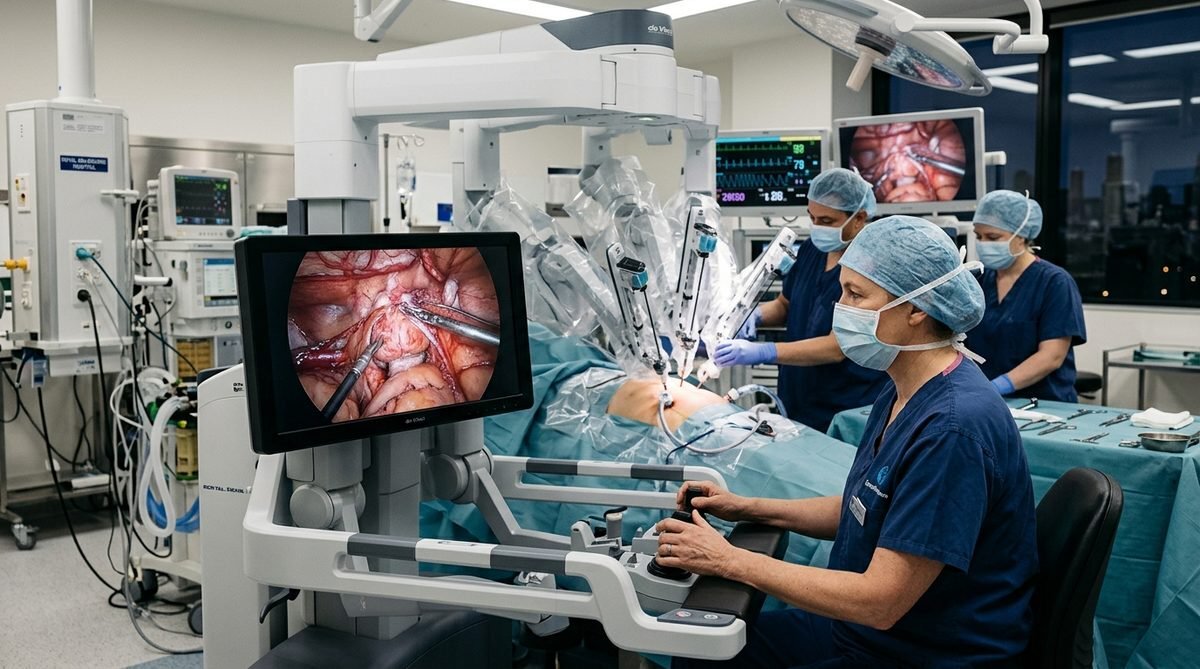
Is It Worth Having Your Prostate Removed in Melbourne?
Read article →
Can You Get Anything Free if You Have Cancer in Melbourne?
Read article →
What Are the Negatives of Removing Your Prostate in Melbourne?
Read article →
Is Prostate Cancer Classed as a Disability in Melbourne?
Read article →