How Much Does It Cost to Have Your Prostate Removed Privately in Melbourne?
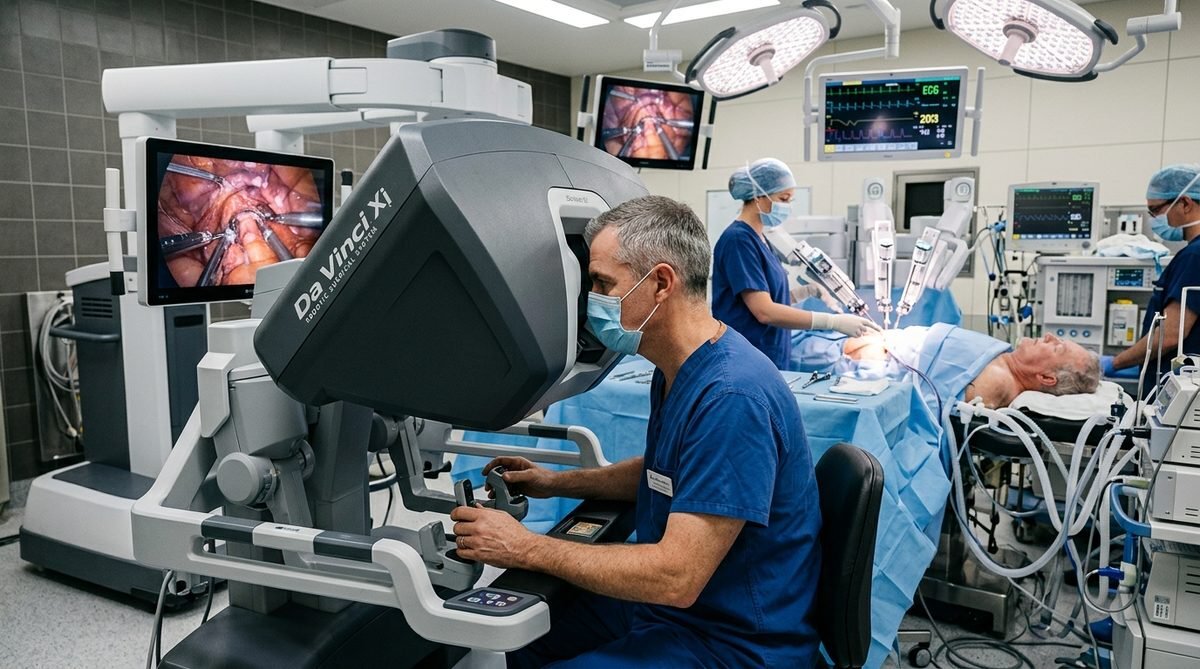
Having your prostate removed privately in Melbourne may cost about $25,000 to $45,000 before Medicare and private health insurance benefits are applied. With suitable hospital cover, your final out-of-pocket price may be much lower, often several thousand dollars. Without useful insurance, you may need to fund most of the total bill.
There isn't one set fee for a private prostatectomy. The surgeon, assistant, anaesthetist, hospital and pathology provider may each send a separate bill.
Your quote can also change if you need a longer stay or extra care. To budget safely, get written estimates from every provider and ask your insurer to confirm each item number.
This guide covers radical prostate removal for cancer through Melbourne's private health system. It explains what goes into the bill, how rebates change it and which costs are easy to miss.
What will appear on a private prostate removal bill?
A private surgery bill is made up of separate charges. The surgeon's estimate alone won't show the full cost. You may also get bills from the surgical assistant, anaesthetist and hospital.
The main charges commonly include:
- The surgeon's fee for the prostatectomy.
- An assistant surgeon's fee.
- The anaesthetist's fee.
- Hospital accommodation and nursing care.
- Use of the operating theatre and surgical equipment.
- Medicines, dressings and disposable items.
- Pathology testing of the removed prostate and nearby tissue.
- Specialist reviews before and after the operation.
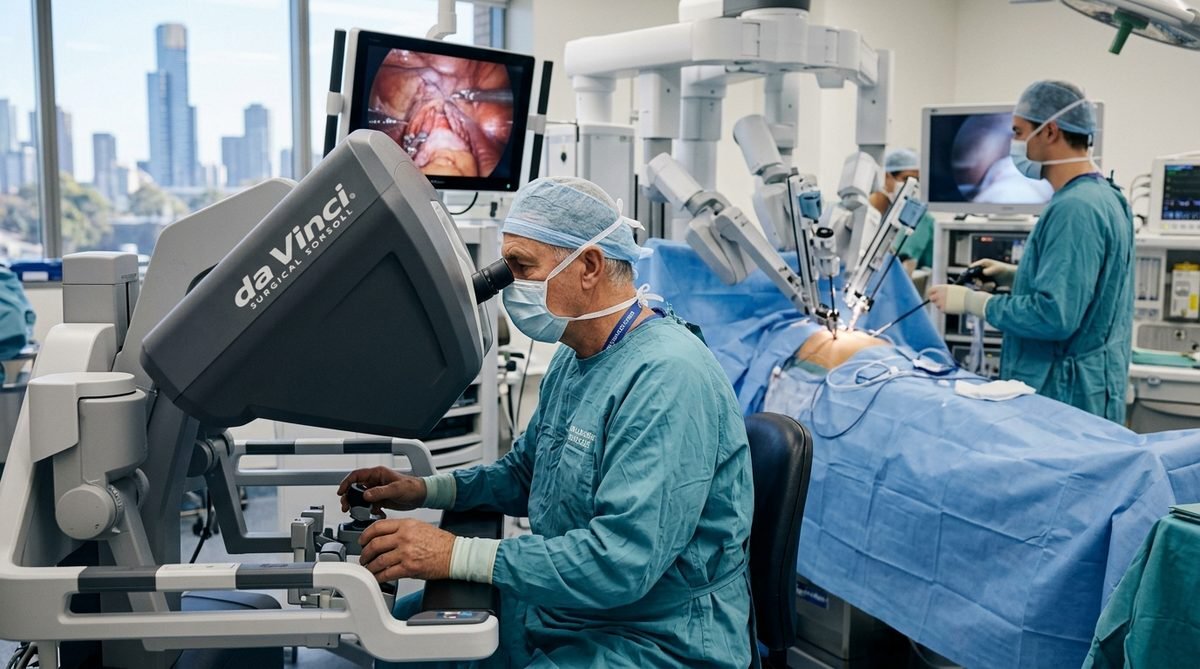
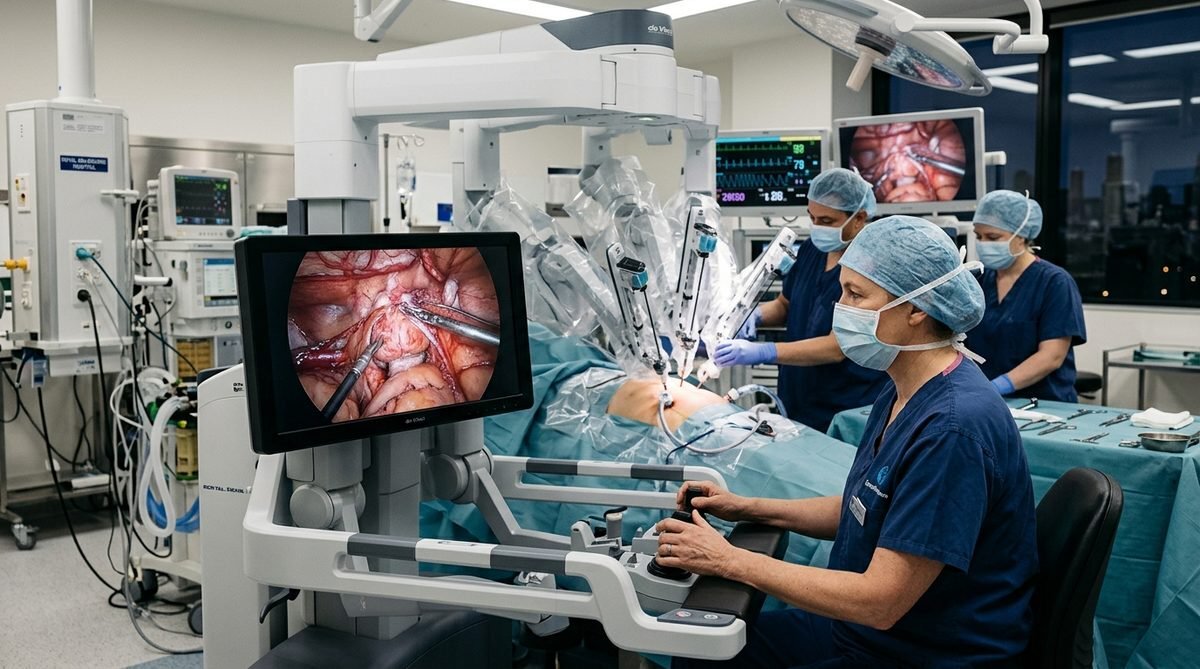
For robotic surgery, the hospital may also charge for robot equipment and single-use tools. Ask if these items are included in the hospital estimate. A quote called an “operation fee” may cover only the surgeon.
Private estimates are usually split into several parts, so the total gross cost in Melbourne can reach the mid-five figures. That's not the same as your personal gap. Medicare and your fund may pay part of the eligible medical and hospital charges.
How much might you pay from your own pocket?
Your cost depends on your cover and how far the fees sit above the scheduled benefit. A Melbourne patient with eligible private hospital cover may pay about $3,000 to $12,000 out of pocket. Gaps can be larger when doctors charge well above the Medicare Benefits Schedule fee or the policy excludes part of the admission.
A self-funded patient could face a bill closer to the full $25,000 to $45,000 range. Complications, extra nights or another procedure can push it higher. These are planning ranges, not fixed Melbourne prices.
Take an example patient with a $12,000 surgeon estimate. The insurer doesn't simply subtract the whole amount from the policy. Medicare and the fund work out benefits using eligible item numbers and their own schedules.
If the combined benefit is $6,500, the surgeon's gap is $5,500. The patient must still add the anaesthetist, assistant and any policy excess.
Many cost guides miss this point: a fully covered admission doesn't mean every fee chosen by a doctor is fully covered. The biggest shock often comes from the gap between the doctor's fee and the benefit schedule.
How do Medicare and private cover change the amount?
Medicare can help pay for eligible medical services during private treatment. Your private fund may add a benefit for covered services and eligible hospital charges. The exact amount depends on the item numbers, your policy and whether each doctor uses the fund's gap deal.
Private health insurance may cover:
- Hospital accommodation under an eligible policy.
- Part of the medical fees for approved Medicare services.
- Some prostheses or approved surgical items.
- Benefits under a known-gap or no-gap agreement.
It may leave you to pay:
- Your policy excess or co-payment.
- Doctor fees above the insurer's benefit.
- Excluded or restricted treatment.
- Outpatient appointments and some scans.
- Rehabilitation services that sit outside your extras cover.
Call the fund before you accept a surgery date. Give them the proposed Medicare item numbers, hospital name and names of every treating doctor.
Ask if your policy covers the admission, whether waiting periods apply and what excess you'll pay. Get the answers in writing or ask for a reference number for the call.
A policy may include hospital treatment but restrict the category tied to your operation. Don't rely on the policy's marketing name. The item-by-item check is what counts.
Which choices have the greatest effect on the final fee?
The surgeon's fee has a big effect because specialists set their own private charges. Their experience, demand and the planned method may shape the price. A higher fee doesn't prove that one surgeon will get a better result.
The surgical method can change the quote too. Robot-assisted surgery may bring extra hospital equipment charges. Open or laparoscopic surgery has a different cost mix.
Your surgeon should suggest a method for clinical reasons, then explain what it means for the bill.
The hospital and length of stay matter because accommodation, theatre time and supply costs may rise when care takes longer. A smooth admission may match the original estimate. A return to theatre or extra nights can change it.
A complex case may change the surgeon's plan and operating time. Past abdominal surgery, the spread of cancer and the need to remove lymph nodes can alter the procedure. The final tissue check may also need extra pathology work.
Ask if the estimate assumes a standard operation and what could cause extra charges. You can't predict every event. But you can learn which charges are fixed and which remain open.
What should a complete written estimate tell you?
A useful estimate shows the service, provider fee, expected benefit and gap left to pay. It should list the Medicare item numbers, not just use a broad phrase such as “prostate surgery package.”
Request written estimates from:
- The surgeon and assistant surgeon.
- The anaesthetist.
- The private hospital.
- Any separate imaging or pathology provider.
Then ask the surgeon's office these questions:
- Does the fee include routine follow-up visits?
- Is pelvic lymph node removal included if required?
- Are robotic consumables included in the hospital quote?
- What happens to the fee if the procedure changes?
- Will each doctor use my fund's gap scheme?
- Who bills for catheter care after discharge?
When I review a medical estimate, the most useful detail is the expected patient gap beside each service. A grand total without benefit details offers little protection against surprise bills.
Which costs are often missed before surgery?
The operation is just one part of the financial plan. Tests before admission may include blood work, imaging or heart checks. Some are outpatient services, so private hospital cover may not pay for them.
After discharge, you may need medicines, continence pads and trips to appointments across Melbourne. You may need time off paid work too. These costs can seem small next to the operation, yet they may strain the household budget for weeks.
Price pelvic floor physiotherapy before surgery. urinary incontinence is common early in recovery, though its length and severity vary. A physiotherapist skilled in men's pelvic health can teach you the right muscle exercises before the operation and guide your return to activity.
Sexual recovery may bring more costs. Erectile dysfunction may need tablets, a vacuum device, injections or specialist care. Some treatments get limited rebates or no private benefit.
Ask the surgeon what recovery support is usually offered and which services are billed separately.
Here's something many articles miss: the lowest surgery gap may not lead to the lowest total recovery cost. Judge a quote alongside access to continence care, sexual rehabilitation and follow-up. Those services shape daily life long after the hospital bill is paid.
Can you reduce the cost without choosing care by price alone?
Yes. Start by comparing full written gaps, not just surgeon fees. A doctor in your fund's gap program may leave you with a smaller bill, even if the listed fee looks similar.
Ask whether the surgeon works at more than one private hospital in Melbourne. Hospital charges and insurer deals can vary. The same surgeon may use another suitable facility with a lower excess or fewer uncovered items.
You can also ask for a second specialist opinion. The goal is to confirm the treatment plan and understand the fee.
Ask both specialists about expected cancer control, continence results, sexual function and how they handle complications. Cost matters, but it belongs beside clinical fit and informed consent.
If money is tight, ask whether treatment through Melbourne's public system is medically suitable. This may cut direct costs, though timing and specialist choice work differently. Don't delay cancer care while comparing bills. Ask the treating specialist how much time you can safely take to decide. whether treatment through Melbourne's public system is medically suitable
What should you confirm about recovery and added care?
Ask how long the catheter is likely to stay in, when follow-up happens and who to call if a problem starts. Check whether routine visits after surgery are part of the surgical fee. If not, ask what they are likely to cost.
Find out when pelvic floor therapy should start and whether your extras policy pays a benefit. Ask which sexual rehabilitation plan is used and when it begins. Planning early makes the real cost of different care teams easier to compare.
Picture a Melbourne patient who budgets only for the surgeon's gap and policy excess. After surgery, he buys continence supplies and books several physiotherapy visits. He also needs erectile function treatment that isn't covered.
The surgery estimate was right. But his household budget fell short because it left out recovery costs.
Another often-missed detail is a clear policy for complications. Ask who pays if you need an unplanned review, readmission or extra procedure. Providers can't promise an exact total for an unexpected event, but they can explain how billing usually works.
How can you compare two Melbourne quotes fairly?
Put both quotes into the same table. Write down the provider fee, Medicare benefit, fund benefit and your expected gap. Add the policy excess and any hospital charges that are still unclear.
Use the same procedure details for each comparison. A quote that includes lymph node removal can't be fairly compared with one that leaves it out. Check if each estimate includes robotic consumables, assistant fees and routine follow-up.
Then compare the care plan. Note the access to pelvic floor therapy, sexual rehabilitation and urgent advice after surgery. Cheap care can turn costly when key support must be arranged later at full price.
Don't assume “no-gap” means you won't pay anything. It may refer to one doctor or one part of the admission. Ask every provider to put their own gap in writing.
What should you do before agreeing to surgery?
Make one full cost sheet before you consent. List every provider, the relevant item numbers, the quoted fee and the confirmed benefit. Add the hospital excess and a separate recovery budget for medicines, continence care and rehabilitation.
- Obtain the surgeon's written informed financial consent document.
- Request separate estimates from the assistant, anaesthetist and hospital.
- Give every item number to Medicare and your fund.
- Ask each provider whether the quote can change.
- Set aside funds for care after discharge and unpaid time away from work.
Your next step is to ask the surgeon's office for every proposed item number and a complete written gap estimate before you book the Melbourne hospital admission.
When having your prostate removed privately, the total cost typically includes the surgeon, anaesthetist, hospital stay, preoperative tests, and Operating theater fees, with the final amount depending on the procedure, hospital, insurance cover, and individual care needs.
Is It Worth Having Your Prostate Removed in Melbourne?
Read article →
Can You Get Anything Free if You Have Cancer in Melbourne?
Read article →
What Are the Negatives of Removing Your Prostate in Melbourne?
Read article →
Is Prostate Cancer Classed as a Disability in Melbourne?
Read article →
Can I Get Centrelink if I Have Cancer in Melbourne?
Read article →