How Much Does a Prostate Operation Cost Privately in Australia?

The honest answer is somewhere between $5,000 and $20,000 out of pocket. It depends on the surgeon, the hospital, the type of procedure, and your private health cover. That range is wide, and I'll break down exactly what moves the number up or down.
Most men asking this question are either just diagnosed with prostate cancer or dealing with an enlarged prostate that's making life miserable. Either way, the system feels opaque. You get a referral, then a quote that reads like a different language, and nobody gives you a straight number. This article does. urology nurse navigator or patient advocate
What Does a Private Prostate Operation Actually Cost in Australia?
For a radical prostatectomy (removal of the prostate, typically for cancer), the total cost before any rebates sits between $25,000 and $40,000. Add up the surgeon fee, anaesthetist, assistant surgeon, and hospital facility fee.
After Medicare and a good private health insurance policy, most men end up paying $5,000 to $15,000 out of pocket.
For a TURP (transurethral resection of the prostate), which treats an enlarged prostate rather than cancer, the total cost is lower. Out-of-pocket fees after rebates typically land between $2,000 and $8,000 privately.
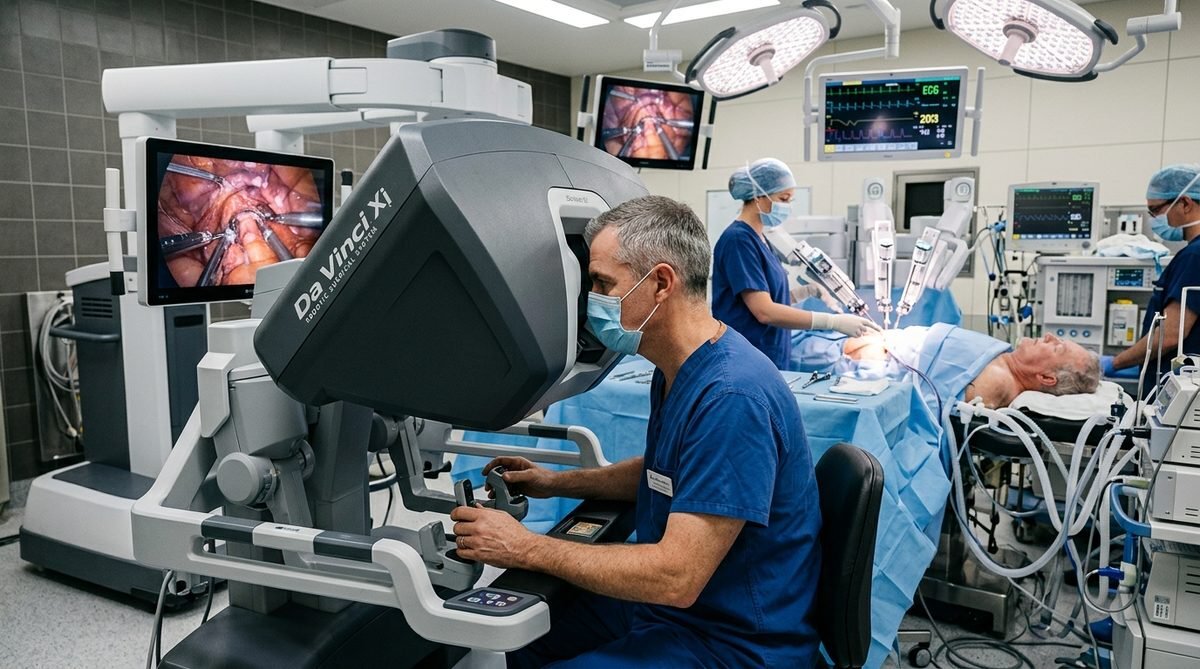
Robotic-assisted surgery adds cost. The hospital charges more because the equipment is expensive to run. Surgeons who specialise in robotic procedures also tend to charge higher fees. The robotic option adds roughly $3,000 to $6,000 to the out-of-pocket figure compared with open surgery at the same hospital.
One of my clients went through this recently. He had a quote from a urologist in Sydney for robotic prostatectomy. The gap fee from the surgeon alone was $8,500. He found a surgeon at a different hospital who charged $3,200. Same procedure, same robotic system, comparable experience level.
The difference was the surgeon's billing choice, not the quality of care. That gap in gap fees is one of the things most men don't know to look for.
Is Prostate Surgery Covered by Medicare in Australia?
Yes, Medicare covers a portion of all listed prostate procedures. The Medicare Benefits Schedule (MBS) assigns a set fee to each procedure. Medicare pays 75% of that scheduled fee for in-hospital treatment, and your private health insurer pays most of the remaining 25%.
Here's the catch: surgeons are allowed to charge above the MBS fee, and most do. The difference between what the surgeon charges and what Medicare plus your insurer pays is called the gap. That's what comes out of your pocket.
Some surgeons participate in no-gap or known-gap arrangements with insurers, which caps your out-of-pocket at a fixed amount. Others bill entirely outside these arrangements. Before you book anything, ask the surgeon's rooms directly: "What is your gap fee, and do you participate in any known-gap schemes?" That one question can save you thousands.
For hospital costs, Medicare and private health insurance together usually cover the facility fee in full if you're admitted as a private patient in a private hospital, provided your policy covers urological procedures. Public patients in public hospitals get full Medicare coverage, but you can't choose your surgeon and waiting times are longer.
What Affects the Cost?
The type of surgery matters most. A TURP is shorter and simpler than a radical prostatectomy. Shorter theatre time and shorter hospital stay mean lower costs across the board.
The hospital itself is a major driver. Private hospitals in Sydney and Melbourne charge more for facility fees than hospitals in regional areas. The same surgeon doing the same operation at two different hospitals can produce a $4,000 difference in your bill.
Your private health insurance level is the other big variable. Basic hospital cover often excludes or restricts prostate surgery. If you took out a basic policy to save on premiums, it may not cover the procedure at all, leaving you to pay the full hospital facility fee yourself. Gold-tier hospital cover almost always includes full urological surgery cover. Check your policy before assuming you're covered.
The anaesthetist bills separately from the surgeon. A long procedure under general anaesthetic can generate an anaesthetist fee of $1,500 to $3,500, with a gap component that isn't always disclosed upfront. Ask for the anaesthetist's name before surgery and call their rooms about their billing.
Is 72 Too Old for Prostate Surgery?
Age alone is not the deciding factor. Overall health is. I've seen men in their mid-70s go through robotic prostatectomy and recover well. I've also seen cases where surgery was considered too risky for men in their late 60s because of cardiac issues or other complications.
What surgeons assess is your biological age, not your birth year. Kidney function, heart health, lung capacity, and general fitness all feed into the anaesthetic risk calculation. A fit, active 72-year-old is a better surgical candidate than a sedentary 65-year-old with uncontrolled high blood pressure.
For prostate cancer specifically, your urologist will weigh your life expectancy against the cancer's likely growth rate. Slow-growing, low-grade prostate cancer in a 72-year-old may be managed with active surveillance rather than surgery. Not because you're too old, but because the cancer may never cause problems within your expected lifetime. Surgery carries recovery costs, incontinence risk, and sexual function changes. Those trade-offs deserve a detailed conversation, not a blanket age rule.
One of my clients was 74 and told by a GP that surgery "probably wasn't worth it at his age." He got a second opinion from a urologist who specialised in older patients. The urologist reviewed his fitness markers and said he was a good candidate. He had the surgery, recovered fully within three months, and his PSA has been undetectable since.
The lesson: age-based assumptions can work against you. Get the specialist opinion.
Is Prostate Surgery a Big Operation?
A radical prostatectomy is major abdominal surgery. Robotic-assisted versions use five or six small incisions rather than one large one, which reduces recovery time. But it's still major surgery under general anaesthetic lasting two to four hours. Most men stay in hospital for one to three nights. Full recovery takes four to six weeks. Return to heavy lifting or exercise takes longer.
risks of prostate surgery and worth understanding before you consent. Urinary incontinence affects most men immediately after surgery. For the majority, this resolves within three to twelve months with pelvic floor exercises. A smaller percentage have long-term continence issues. Erectile dysfunction is also common and depends heavily on whether the nerve bundles alongside the prostate could be spared during surgery. Nerve-sparing techniques have improved outcomes significantly, but there are no guarantees.
A TURP is a shorter procedure, typically 60 to 90 minutes, with a one to three night hospital stay. Recovery is faster. It doesn't carry the same cancer-treatment purpose as a prostatectomy; it relieves urinary symptoms from an enlarged prostate. Most men return to normal activity within two weeks.
What most articles don't mention is that the recovery experience varies enormously depending on pre-operative fitness. Men who walk into surgery with strong pelvic floor muscles and good cardiovascular fitness consistently recover faster and report better continence outcomes.
Starting pelvic floor exercises before surgery, not after, is one of the clearest things you can do to improve your result. I know this because one of my clients was told to start after surgery. He didn't regain full continence for eight months. His brother had the same surgeon, same procedure, but started pelvic floor work six weeks before. He was continent within ten weeks. That difference matters.
How to Reduce Your Out-of-Pocket Cost
The most effective thing you can do is compare surgeon gap fees before committing. Use the government's Medical Costs Finder tool at the Australian Government's health website. It shows what surgeons in your area typically charge relative to the MBS fee. Look for surgeons with low or no gap arrangements who also have strong surgical outcomes. Those two things are not mutually exclusive.
Check your private health insurance policy now, before you need surgery. Call your insurer and ask specifically whether your policy covers radical prostatectomy or TURP, and whether there's a waiting period if you've recently upgraded. Upgrading your policy while already diagnosed is likely subject to a 12-month wait for pre-existing conditions.
If cost is a serious barrier, public hospital treatment is a legitimate path. You will wait longer, and you won't choose your surgeon, but surgical quality in Australia's public system is high. For cancer cases, public hospitals have multidisciplinary teams and access to the same technology as private hospitals.
Ask about payment plans. Many private hospital groups and some surgeons' rooms offer interest-free payment arrangements for the gap component. It's not always advertised. Ask directly.
Frequently Asked Questions
How much does a prostate operation cost in Australia without private health insurance? Without private health insurance, a private prostatectomy will cost the full facility fee plus surgeon fees, which can reach $30,000 to $40,000. Medicare still covers 75% of the MBS scheduled fee for the surgeon, but hospital accommodation and theatre fees become your responsibility. Most people in this situation choose the public system.
Can I use superannuation to pay for private surgery? In some circumstances, yes. You can apply for early release of superannuation on compassionate grounds, which includes treatment for a life-threatening condition or to ease acute or chronic pain. The Australian Tax Office assesses these applications. It's worth speaking with a financial adviser if surgery costs are prohibitive.
How long is the waiting list for prostate surgery in the public system? For cancer, public hospitals generally prioritise based on urgency. A high-grade or rapidly progressing cancer will be seen quickly. Benign conditions like an enlarged prostate may wait several months. Urgency classification is determined by your urologist's referral.
Does the type of prostate surgery affect long-term outcomes? Robotic prostatectomy has shown faster recovery and lower blood loss compared with open surgery in most studies. Long-term cancer outcomes are comparable between robotic and open approaches in experienced hands. The surgeon's volume and experience matters more than the specific technique.
What is the Medicare rebate for prostate surgery? The MBS item number for radical prostatectomy is 37210. The scheduled fee is periodically updated. Medicare pays 75% of that in hospital. Your insurer typically covers most of the remaining 25%. The gap is whatever the surgeon charges above the MBS fee, which varies widely.
What to Do Next
Before your next appointment, write down three things: your current private health cover level, the name of the procedure your urologist is recommending, and two questions you haven't asked yet. Ask about the surgeon's gap fee. Ask about their nerve-sparing approach if relevant to you. Ask what pelvic floor preparation you should be doing before surgery.
Cost transparency in the private surgical system requires you to ask direct questions. The information exists. It's just rarely offered unless you ask for it.
If you want to understand your specific cost position before committing to a surgeon or hospital, speaking with a urology nurse navigator or patient advocate can help you interpret quotes and compare options. That step alone has saved several of my clients thousands of dollars and significant stress.
Explore related health and wellbeing guides
This article is part of PTNA's consumer health and wellbeing library. Browse the Health & Wellbeing Resources hub to find related guides by topic, including Australian health cover, Medicare, prostate health, mental health, disability support and life insurance.
How Much Does It Cost to Have Your Prostate Removed Privately in Melbourne?
Read article →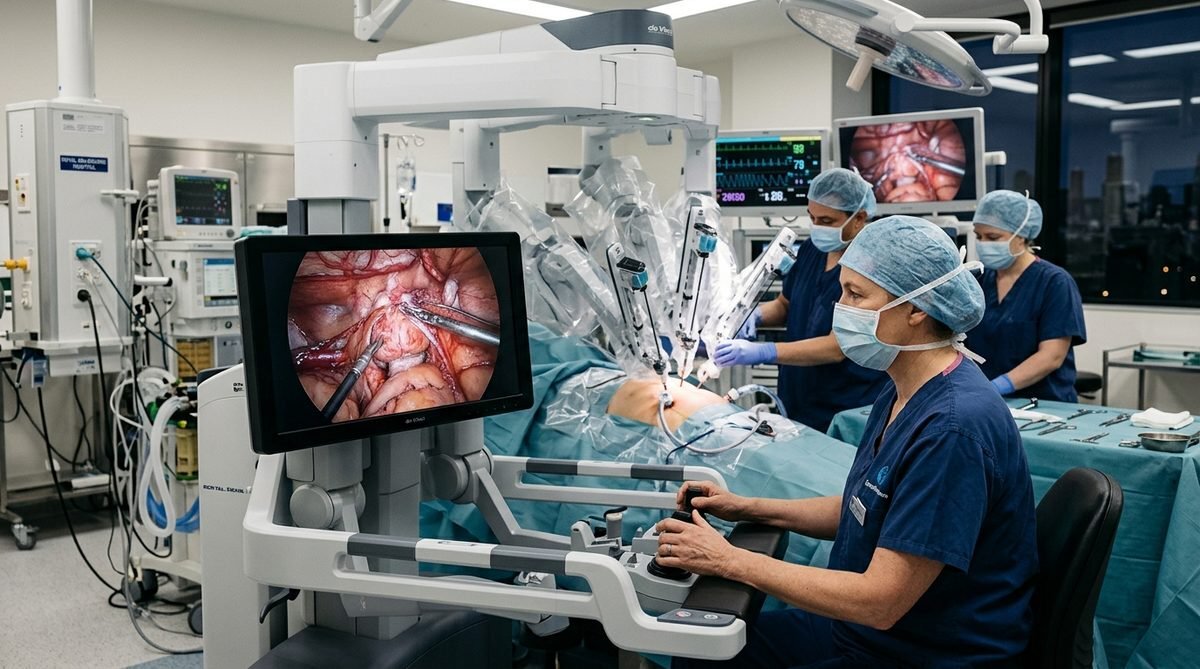
Is It Worth Having Your Prostate Removed in Melbourne?
Read article →
Can You Get Anything Free if You Have Cancer in Melbourne?
Read article →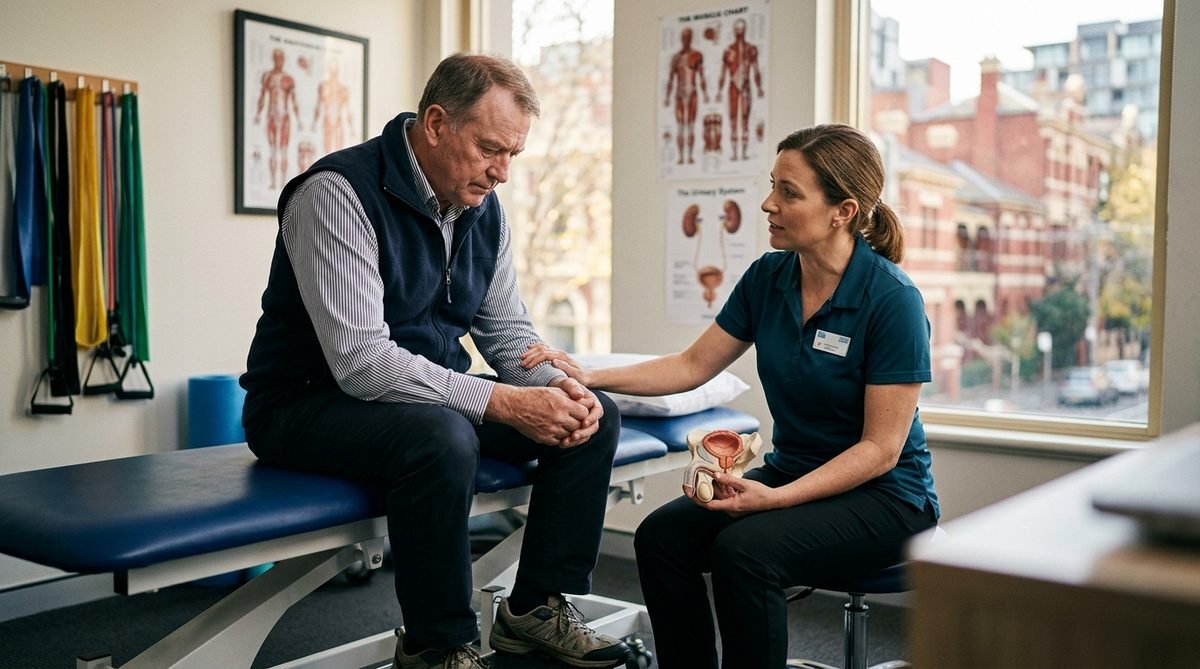
What Are the Negatives of Removing Your Prostate in Melbourne?
Read article →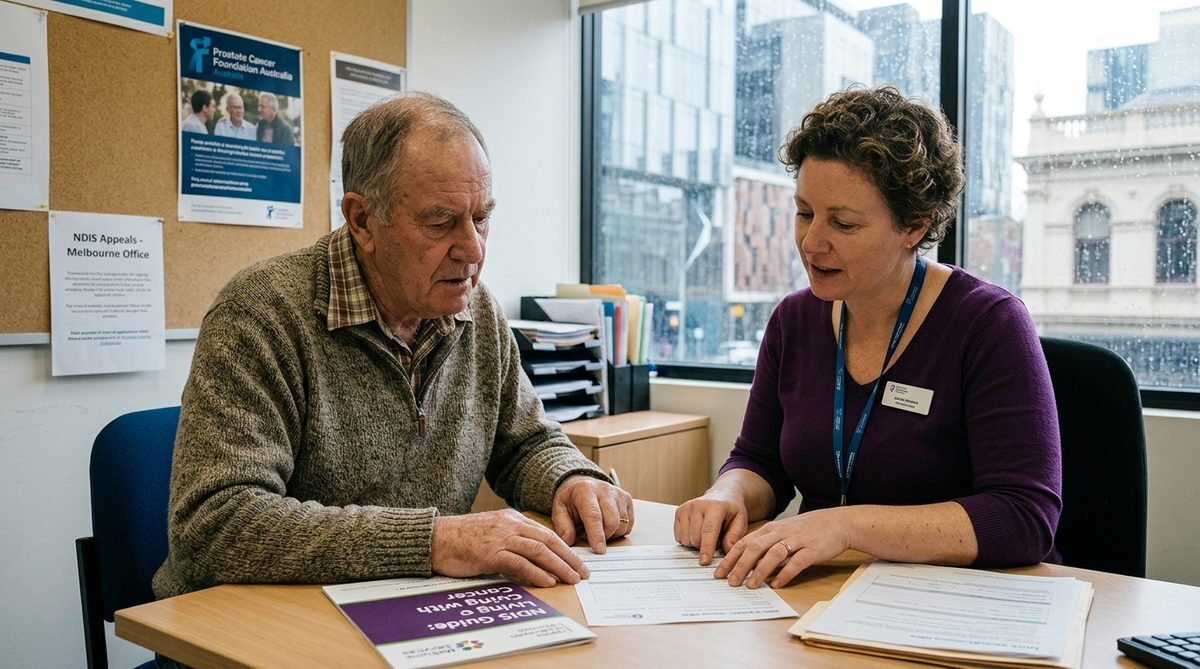
Is Prostate Cancer Classed as a Disability in Melbourne?
Read article →