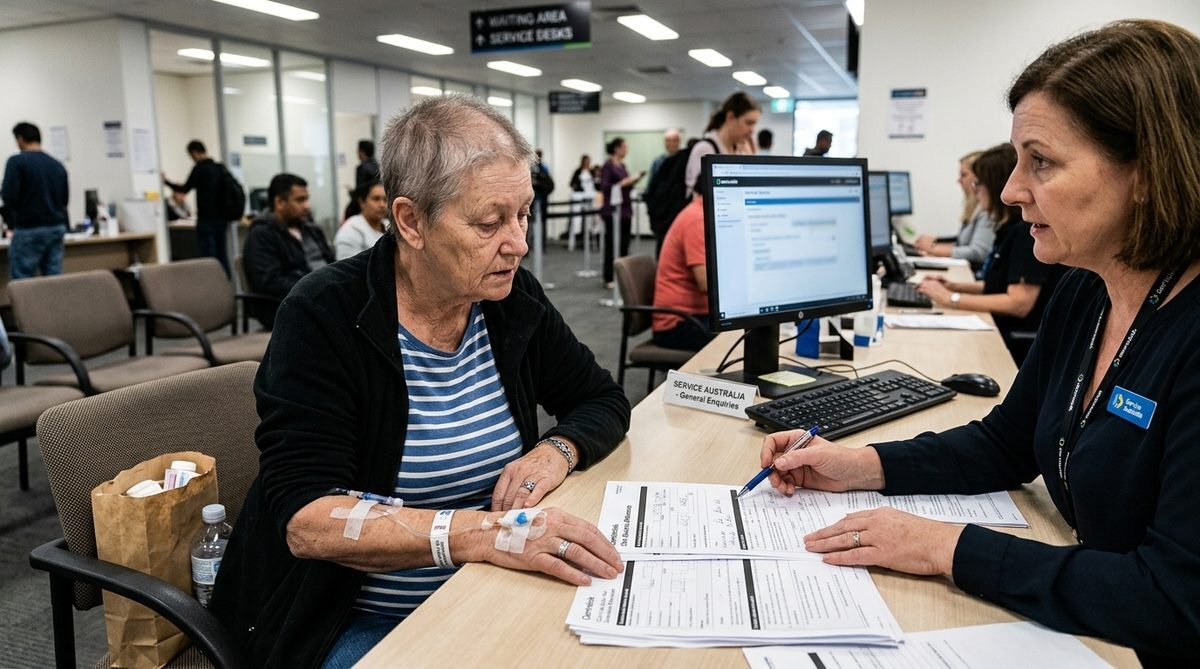
How Much Does a Prostate Operation Cost in Australia? (What to Expect)

A prostate operation in Australia typically costs between $5,000 and $30,000 out of pocket. The final bill depends on whether you go public or private, which procedure you need, and who performs it.
That range is wide because "prostate operation" covers several very different procedures.
This article breaks down what each one costs, what Medicare covers, and what most men don't find out until after they've already booked.
What Types of Prostate Surgery Are There?
The cost conversation starts here because the procedure determines the price. There are three main operations your urologist will likely discuss. support resources
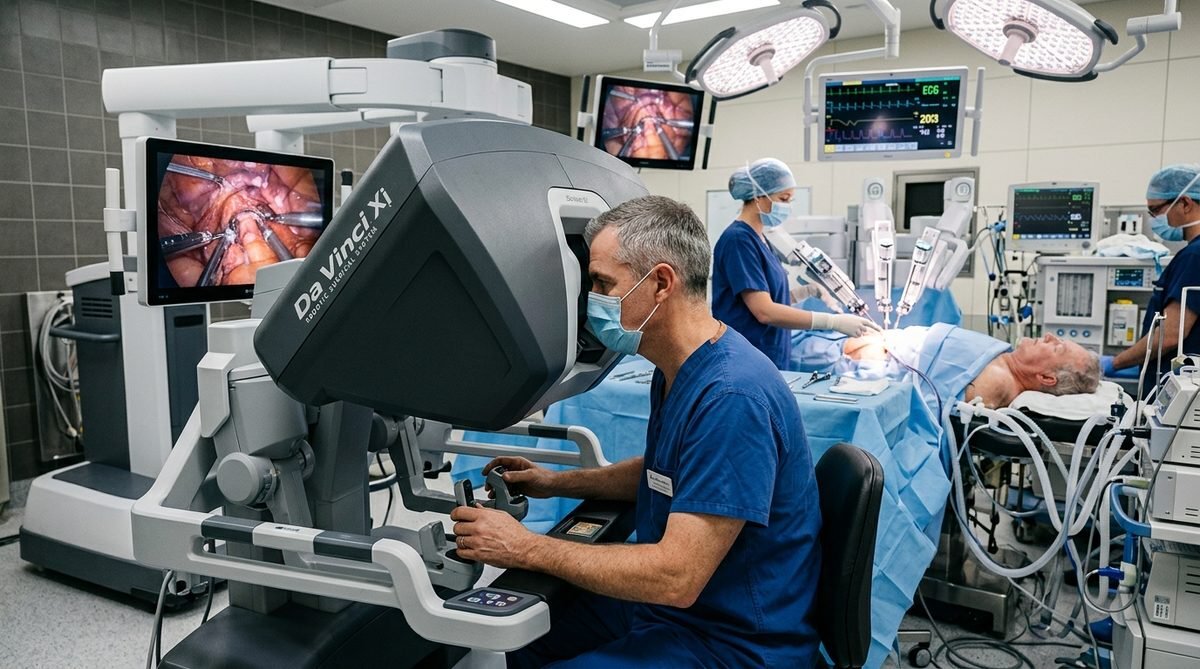
A radical prostatectomy removes the entire prostate gland and is done for prostate cancer. It can be open surgery, laparoscopic surgery, or robotic-assisted surgery (the da Vinci system). Robotic prostatectomy is now the most common approach in Australia's private system and carries the highest cost.
A TURP (transurethral resection of the prostate) treats benign prostatic hyperplasia, which is non-cancerous enlargement of the prostate that causes urinary problems. It's a shorter procedure with lower costs.
Radiation therapy and brachytherapy are sometimes grouped with surgical options in cost discussions, though they aren't strictly surgery. They carry their own cost structures through oncology rather than urology.
What Is the Average Cost of a Prostate Operation in Australia?
For a radical prostatectomy in the private system, total cost including surgeon fees, assistant surgeon, anaesthetist, hospital fees, and pathology typically lands between $15,000 and $30,000. Your health fund covers a significant chunk if you hold appropriate hospital cover, but out-of-pocket costs of $3,000 to $8,000 are common even with insurance.
For a TURP, total costs are generally lower, sitting between $5,000 and $12,000 privately, with out-of-pocket expenses typically under $3,000 for insured patients.
In the public system, both procedures are available at no direct cost to you. Medicare and the public hospital system cover everything. The trade-off is waiting time, which for non-urgent prostate cancer surgery can stretch from weeks to several months depending on your state and local health network.
One of my clients went through this exact decision. He had a confirmed prostate cancer diagnosis, Gleason score 7, and his public wait was estimated at 10 to 14 weeks. He had private health insurance but hadn't checked his policy in years.
When we looked at it together, his cover had a 12-month waiting period for cancer-related surgery that he hadn't completed. His actual out-of-pocket in the private system ended up being closer to $11,000 because he was paying much of it himself. That's a detail that catches people off guard.
Is Prostate Surgery Covered by Medicare in Australia?
Yes, Medicare covers prostate surgery. The Medicare Benefits Schedule (MBS) lists item numbers for prostatectomy and TURP, which means Medicare will pay a set rebate toward the surgeon's fee. The issue is that most private surgeons charge above the MBS fee, and the gap becomes your out-of-pocket cost.
If you're treated in a public hospital, Medicare covers everything through the public system. You pay nothing directly.
If you use private health insurance with hospital cover that includes urological procedures, your fund pays the hospital accommodation and part of the surgeon's fee. But "no gap" or "known gap" arrangements only apply when your surgeon has agreed to those payment terms with your fund. Many high-volume prostate surgeons don't participate in no-gap agreements because demand is high enough that they don't need to.
Always call your fund before surgery and ask: does this surgeon have a no-gap or known-gap arrangement with you? Get it in writing if possible.
What Is the 2 Week Rule for Prostate Cancer?
The two-week rule is a clinical guideline originating in the UK that has influenced how Australian GPs and urologists handle urgent referrals. It means patients presenting with symptoms or test results suggesting possible cancer should see a specialist within two weeks.
In Australia, this isn't legally mandated the way it is in parts of the NHS system, but most urologists and GP referral pathways treat it as a clinical standard for suspected prostate cancer. If your PSA is significantly elevated, your GP will often mark the referral urgent and most urologists will schedule you within two weeks for initial consultation.
This matters for cost planning because an urgent diagnosis can compress your decision timeline. You may have less time to shop around for surgeons, check your insurance policy details, or explore public system options before you need to commit.
I remember one client who got his PSA result on a Thursday, had a biopsy confirmed by the following Wednesday, and was being asked to schedule surgery within the next three weeks. He hadn't thought about any of this before. The financial side hit him at the worst possible moment.
Knowing the two-week timeline in advance means you can do some of this thinking before you're in the middle of it.
Robotic Surgery vs. Open Surgery: Does It Change the Cost?
It does, significantly. Robotic-assisted prostatectomy using the da Vinci system requires specialised equipment and a surgeon trained in robotic technique. The hospital charges more for theatre time because the robot itself is expensive to maintain and operate.
Open radical prostatectomy is less common now in major centres but remains available and is generally cheaper. Laparoscopic prostatectomy sits in the middle.
The clinical outcomes between experienced robotic and experienced open surgeons are comparable in most measures, including cancer control, continence recovery, and erectile function preservation. What changes the outcome most is surgeon volume, meaning how many of these procedures that specific surgeon does per year, not which technique they use.
This is something most articles on this topic get wrong. They frame robotic surgery as categorically superior and leave patients feeling like they must pay for it or accept worse results. The evidence doesn't support that.
An experienced open surgeon who does 80 prostatectomies a year will likely outperform a less experienced robotic surgeon who does 20.
Who Is the Best Prostate Surgeon in Australia?
There's no single answer and anyone who gives you one is selling something. What you actually want is a high-volume urological surgeon who specialises in prostate cancer, operates at an accredited facility, and can show you their own outcome data on continence and potency preservation.
Australia has several major centres with strong prostate surgery programs. These include specialists associated with the Peter MacCallum Cancer Centre in Melbourne, Westmead Hospital in Sydney, the Royal Brisbane and Women's Hospital, and private centres in all major cities. The Prostate Cancer Foundation of Australia (PCFA) maintains a directory of specialists and is a useful starting point.
When I work with clients going through this, the question I tell them to ask any surgeon is: how many radical prostatectomies did you personally perform last year? If the answer is under 50, keep asking around. The surgeons with the best outcomes typically do over 100 per year.
Also ask: what are your personal rates for urinary incontinence at 12 months and for erectile dysfunction? A good surgeon can answer these with their own data, not just published averages.
What Costs Do People Usually Forget to Budget For?
The surgery fee is obvious. These are the costs that catch people out.
The anaesthetist charges separately from the surgeon and often has their own gap fee. This can add $500 to $2,000 to your out-of-pocket costs depending on case complexity and procedure length.
An assistant surgeon is required for most open and robotic prostatectomies. They also charge separately and may not have a gap arrangement with your fund.
Pathology for the surgical specimen is billed separately. If lymph nodes are also removed and tested, that adds to the cost.
Post-operative care including follow-up consultations, PSA monitoring, continence physiotherapy, and any additional imaging or treatment for margins all add up over the months following surgery.
If you need to travel for surgery, accommodation and travel costs for you and a support person can be significant, particularly if you're in a regional area.
Can You Reduce Your Out-of-Pocket Costs?
Yes, and most men don't explore this enough before they commit to a surgeon and hospital.
The most direct way is to ask your surgeon directly whether they'll operate under a known-gap or no-gap arrangement with your fund. Some will, particularly if you ask before they've already scheduled theatre time.
Second, check whether you qualify for public treatment. Even if you have private insurance, you can elect to be treated as a public patient in a public hospital. You give up the choice of surgeon, but you don't give up clinical quality at a major teaching hospital. For many men, particularly those whose surgery isn't urgently time-sensitive, this is a completely rational financial decision.
Third, if you're in financial hardship, some states have programs through their cancer councils that can assist with costs related to cancer treatment. The PCFA also maintains support resources. Explore whether you qualify for financial hardship assistance through support programs.
FAQ
How long is the waiting list for public prostate surgery in Australia?
For urgent cases, most public hospitals aim to operate within four to six weeks of diagnosis. For semi-urgent cases, waiting times of two to four months are typical, though this varies by state and hospital. In regional areas, waits can be longer.
Does private health insurance always cover prostate surgery?
It covers it if your policy includes the relevant hospital tier and you've served any applicable waiting periods. Cancer-related surgery often sits in higher tiers of hospital cover. Check your policy documents or call your fund before you assume you're covered.
Is a TURP cheaper than a prostatectomy?
Generally yes. A TURP is a shorter, less complex procedure. Out-of-pocket costs in the private system are typically lower, and recovery time is shorter. But a TURP treats benign enlargement, not cancer. They aren't interchangeable based on cost.
What is a PSA test and does it affect surgery costs?
A PSA (prostate-specific antigen) blood test is covered by Medicare as a diagnostic tool. It doesn't directly affect surgery costs, but an elevated PSA triggers the referral and diagnostic pathway that may lead to surgery, so it's often the starting point of the whole cost journey.
Are there payment plans available for prostate surgery?
Some private hospitals and surgical groups offer payment plans or financing arrangements. It's worth asking the hospital's billing department directly. Medical financing options through companies like MacCredit or similar providers are also available, though you should compare interest rates carefully.
What to Do Next
Get the diagnosis confirmed first. Then call your health fund with the specific MBS item numbers your surgeon has quoted and ask exactly what you'll be covered for. Ask your surgeon directly about gap arrangements. And if the wait for public surgery is manageable given your diagnosis, take that option seriously before assuming private is the only path.
If you want guidance specific to your situation, the team at PTNA works with men navigating exactly this process.
Explore related health and wellbeing guides
This article is part of PTNA's consumer health and wellbeing library. Browse the Health & Wellbeing Resources hub to find related guides by topic, including Australian health cover, Medicare, prostate health, mental health, disability support and life insurance.
How Much Does It Cost to Have Your Prostate Removed Privately in Melbourne?
Read article →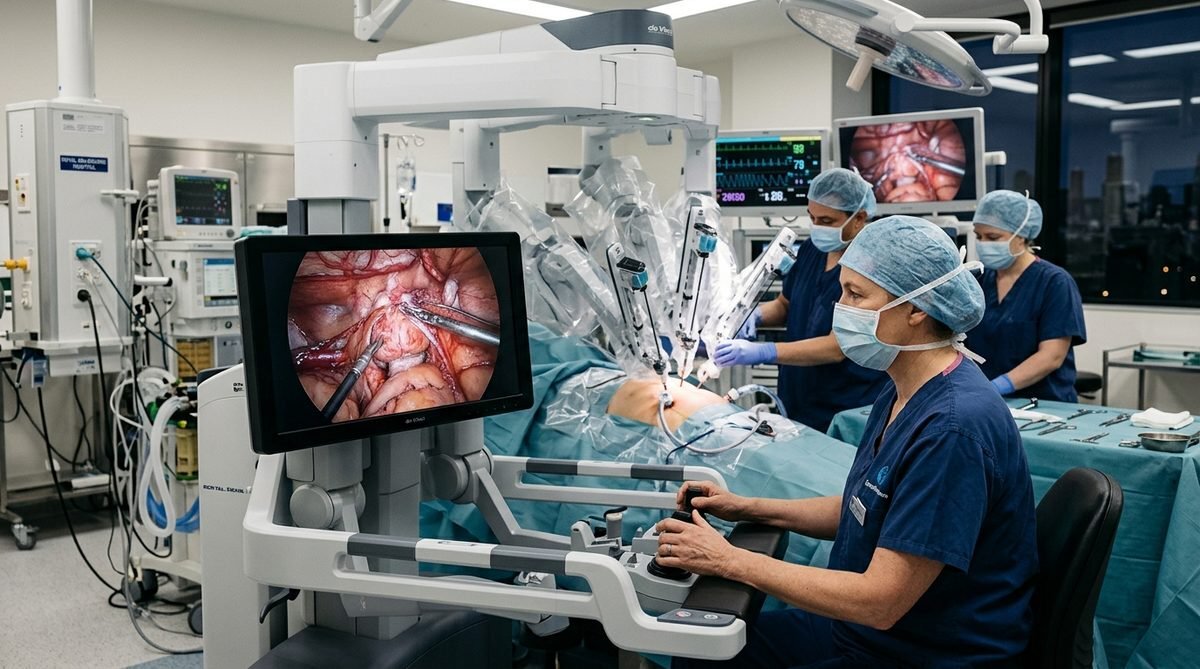
Is It Worth Having Your Prostate Removed in Melbourne?
Read article →
Can You Get Anything Free if You Have Cancer in Melbourne?
Read article →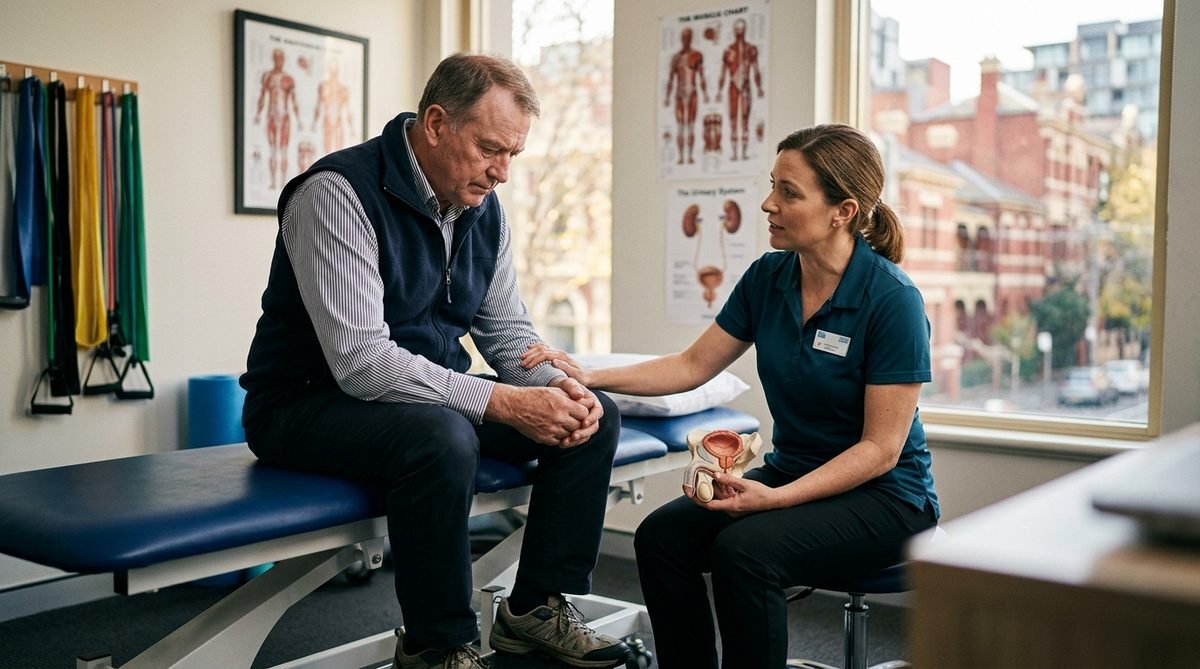
What Are the Negatives of Removing Your Prostate in Melbourne?
Read article →
Is Prostate Cancer Classed as a Disability in Melbourne?
Read article →