How Long After Prostatectomy Are You Considered Cancer Free?

You are considered cancer free when your prostate-specific antigen (PSA) level drops to undetectable levels and stays there for ten years. The journey starts at your first six-week blood test.
When I work with clients after surgery, they want a simple yes or no. They want to know the exact minute the cancer leaves their body. I tell them that cancer recovery is a process. It is not a single event.
I know this because my client John went through this exact process. He had his surgery on a Tuesday. By Thursday, he was asking when he could claim victory. I had to show him how doctors track recovery using data rather than feelings.
Will I be cancer free after prostatectomy?
Yes, you can be cancer free after a prostatectomy. For most men with localized prostate cancer, the surgery removes all the cancer cells.
The surgeon removes the entire prostate gland. This removes the main tumor. The pathologist looks at the tissue under a microscope. They check for clean margins. Clean margins mean no cancer cells are visible at the outer edge of the removed tissue.
If the margins are positive, some cancer cells may have been left behind. Even with clean margins, microscopic cells can sometimes escape before the surgery. These cells are too small for scans to detect. This is why you must monitor your blood. You are only considered cancer free when these tests show no signs of active prostate tissue.
When my client Steve got his pathology report, his doctor used the term surgical cure. But Steve still needed to verify this with blood tests. You cannot rely on the surgery alone to make the final call.
How long after prostatectomy are you considered cancer free?
You must wait ten years with undetectable PSA levels to be officially declared cured. However, you get your first strong indicator at six weeks.
In my experience, patients worry about the long wait. They think they have to live in fear for a decade. But you do not need to wait ten years to feel relief. You can look at leading indicators.
Think of your recovery like a business dashboard. If you only look at the ten-year mark, your feedback loop is too slow. You cannot make decisions based on a ten-year cycle.
Instead, look at the early indicators. The first indicator is the six-week PSA test. Your prostate produces PSA. If your prostate is gone, your PSA should drop to undetectable levels. This is usually less than 0.1 nanograms per milliliter. If your PSA is undetectable at six weeks, the surgery was successful.
The second indicator is the twelve-month PSA test. If your PSA remains undetectable for a year, your risk of early recurrence is low.
Most recurrences happen within the first five years. If you reach the five-year mark with undetectable PSA, your chances of staying cancer free are excellent. By year ten, urologists consider you cured. The risk of the cancer returning after ten years is very low.
If your PSA is undetectable at six weeks, you have won the first battle. You do not have to hold your breath for ten years.
How long does it take to heal inside after prostate surgery?
It takes three to six months to heal inside after prostate surgery. The skin incisions heal in two weeks, but the deep internal tissue takes much longer.
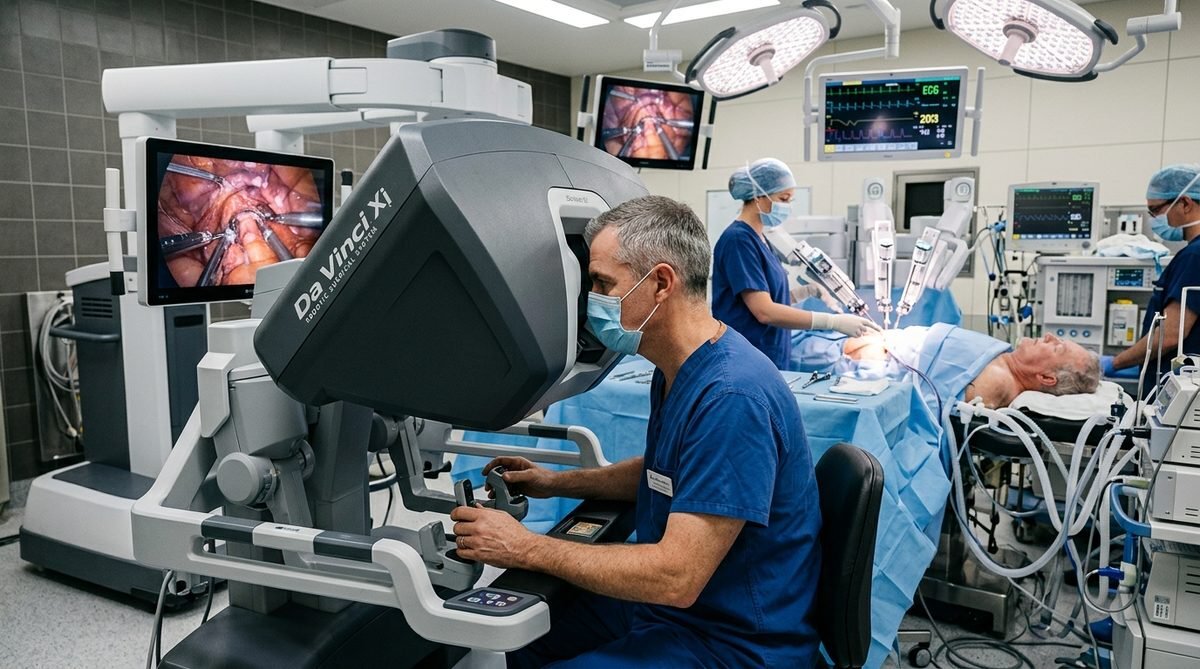
Surgeons usually perform a robot-assisted radical prostatectomy. They make several small cuts in your abdomen. They use robotic arms to remove the prostate gland. The surgery is precise, but it still causes internal trauma. Your body needs time to repair the blood vessels and tissue.
The surgeon cuts the urethra and sews it back to the bladder. This connection is called the anastomosis. It needs time to form strong scar tissue. The nerves that run along the side of the prostate also suffer trauma. Even if the surgeon saves the nerves, they get stretched and bruised during surgery. These nerves can take up to two years to recover.
One of my clients tried to return to his normal gym routine after four weeks. He felt fine on the outside. But his internal stitches were not ready. He experienced bleeding and pain because he rushed his body. I told him he had to respect the internal timeline.
avoid heavy lifting for at least six weeks. This prevents the internal stitches from tearing. Give your bladder neck time to heal before you push your body.
How is life after prostate removal?
Life after prostate removal is active and normal, but you will face temporary side effects like leaking urine and erectile changes.
You have to deal with the physical changes directly. Most men experience urinary incontinence right after the catheter comes out. You will likely need to wear pads for a few weeks or months. When my client Steve had his catheter removed, he leaked immediately when he stood up. This is normal. The sphincter muscle around your urethra is weak after surgery. It has to learn how to keep urine in without the help of the prostate.
What I found was that daily pelvic floor exercises speed up this recovery. If you do them consistently, you can get dry much faster.
Sexual function also changes. You will not have ejaculate anymore because the prostate and seminal vesicles are gone. This is called a dry orgasm. Your ability to get an erection will depend on nerve recovery and your pre-surgery health.
When I talked to Steve nine months after his surgery, he was dry. He did not need pads anymore. His erections were slowly returning. He used a daily low-dose medication to bring blood flow back to the tissues. His life was different, but it was good.
What is the life expectancy after prostate removal?
Your life expectancy after prostate removal is normal. For men with localized prostate cancer, the fifteen-year survival rate is over ninety-five percent. Understanding your health insurance coverage helps you plan for post-surgery care and recovery expenses.
This means the cancer will not shorten your life if you catch it early and remove it. You are far more likely to die of natural causes or heart problems.
I tell my clients to stop obsessing over the cancer once the PSA is undetectable. Instead, focus on your heart health and muscle mass. Those are the things that will determine how long you live.
When you remove the prostate, you eliminate the primary threat. If your PSA stays down, your focus should shift to general wellness. Eat a clean diet and do resistance training. You have a long life ahead of you, so treat your body well.
What factors influence your risk of recurrence?
Several factors determine whether your cancer might return after surgery. The pathology report provides these details.
- The Gleason score indicates how aggressive the cancer cells look under a microscope. A higher score means the cancer is more aggressive.
- The stage of the tumor tells you how far the cancer has grown. If the cancer broke through the outer wall of the prostate, the risk of recurrence is higher.
- The status of the lymph nodes is critical. If the surgeon removed lymph nodes and they contain no cancer, your outlook is excellent.
- The surgical margins show if any cells were left at the cut edge. Positive margins increase the risk that you will need follow-up treatment.
Knowing these factors helps you and your doctor plan your follow-up schedule. If you have high-risk features, you will get PSA tests more frequently.
What happens if your PSA starts to rise?
If your PSA rises above 0.2 nanograms per milliliter, it is called a biochemical recurrence. This does not mean you are going to die of cancer. It means there are active prostate cells somewhere in your body.
When this happens, your doctor will look at how fast the PSA is doubling. This is called PSA doubling time. A slow doubling time means the cells are growing slowly.
Your doctor may recommend salvage therapy. This usually involves radiation to the prostate bed. It can also include hormone therapy to starve the cells of testosterone.
One of my clients, a sixty-year-old named Mark, saw his PSA rise to 0.3 nanograms per milliliter two years after surgery. He was terrified. We looked at his options, and his doctor recommended localized radiation. Mark completed the treatment, and his PSA dropped back to undetectable. He is still cancer free today.
Frequently Asked Questions
What is a normal PSA level after prostatectomy?
A normal level is undetectable. This means less than 0.1 or 0.2 nanograms per milliliter depending on the laboratory doing the test.
Can you still get prostate cancer if your prostate is removed?
Yes. If cancer cells escaped the prostate before surgery, they can grow in other parts of the body. They will still produce PSA, which is why your doctor monitors your blood.
Do I need radiation after a prostatectomy?
You only need radiation if your PSA starts to rise or if your surgical margins showed that cancer cells were left behind at the edge of the tissue.
When can I start exercising after prostate surgery?
You can walk immediately. However, you should avoid heavy lifting and vigorous exercise for six weeks to allow the internal tissues to heal.
How long does urinary incontinence last after surgery?
Most men regain bladder control within three to six months. Some take up to a year. Doing daily pelvic floor exercises speeds up this process.
Action Plan
Take control of your recovery by tracking your PSA numbers and starting pelvic floor physical therapy immediately.
- Schedule your PSA test for exactly six weeks post-surgery.
- Perform your pelvic floor exercises three times a day to regain bladder control.
- Track your test results in a simple log so you can watch your numbers drop.
Explore related health and wellbeing guides
This article is part of PTNA's consumer health and wellbeing library. Browse the Health & Wellbeing Resources hub to find related guides by topic, including Australian health cover, Medicare, prostate health, mental health, disability support and life insurance.
How Much Does It Cost to Have Your Prostate Removed Privately in Melbourne?
Read article →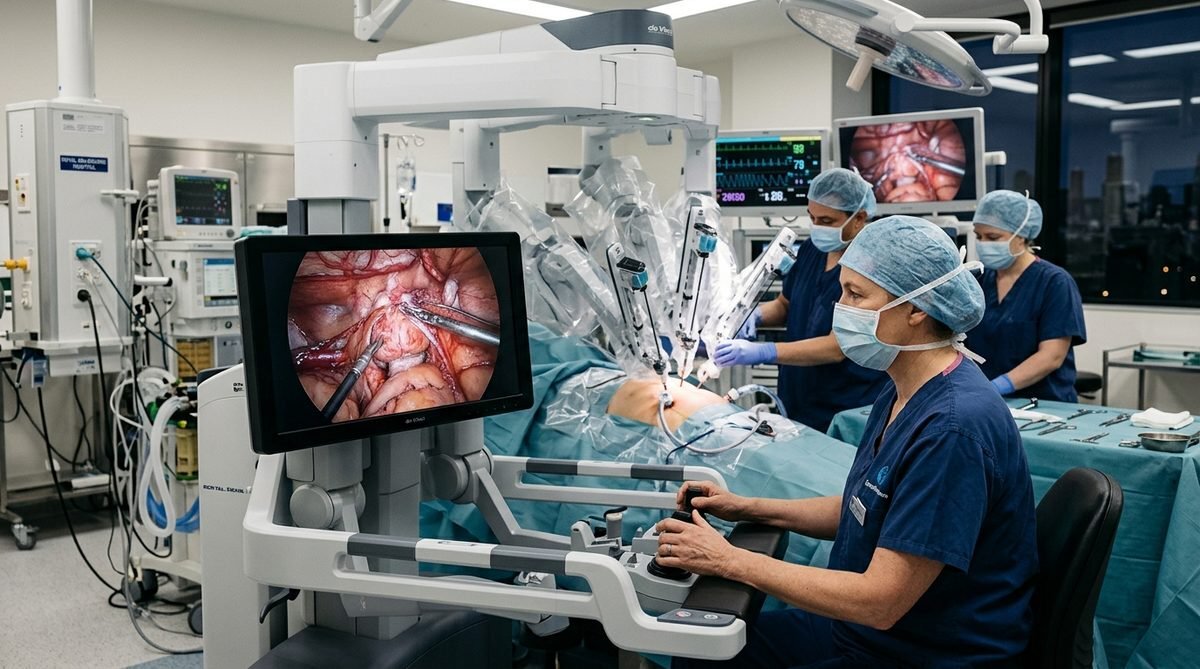
Is It Worth Having Your Prostate Removed in Melbourne?
Read article →
Can You Get Anything Free if You Have Cancer in Melbourne?
Read article →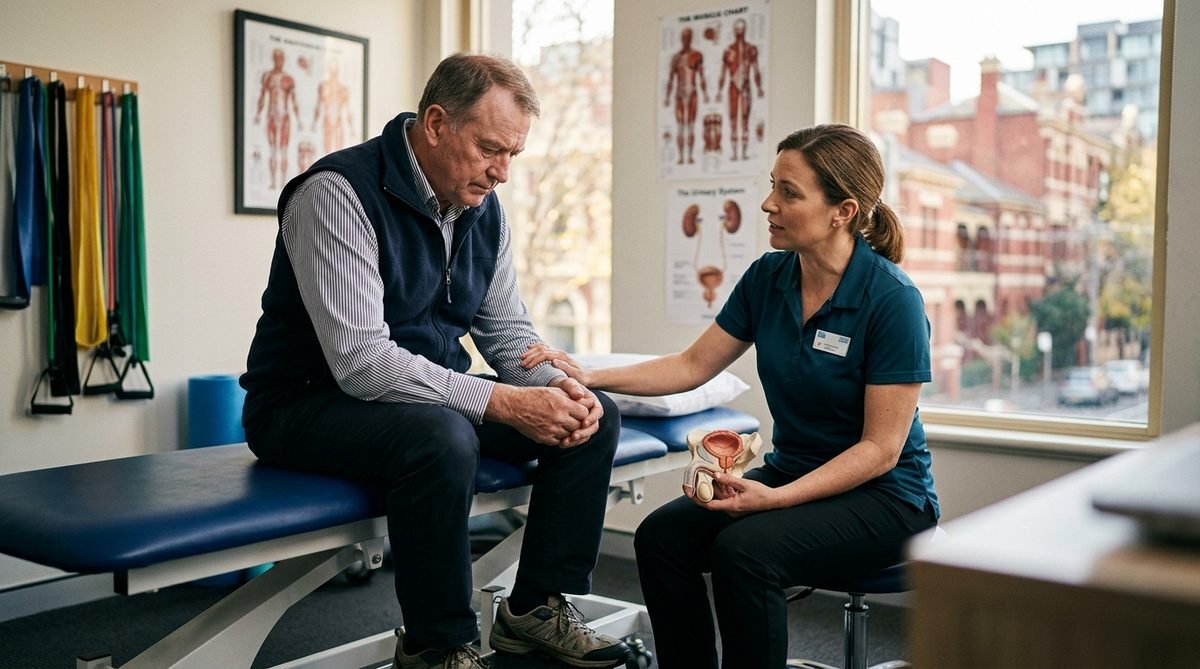
What Are the Negatives of Removing Your Prostate in Melbourne?
Read article →
Is Prostate Cancer Classed as a Disability in Melbourne?
Read article →