How Is Life After Prostate Removal? What to Expect in Recovery and Beyond

Life after prostate removal is manageable for most men, but it takes time. The timeline is different for everyone. The two areas that affect quality of life most are urinary control and erectile function.
Both can be significantly disrupted in the weeks after surgery. Both typically improve over months rather than days. Most men regain reasonable urinary control within three to twelve months. Erectile function recovery takes longer and depends heavily on whether the nerves were preserved during surgery.
What most articles skip over: recovery is not passive. What you do before and after surgery directly shapes the outcome. Men who go into surgery with strong pelvic floor muscles and come out with a structured rehabilitation plan consistently do better.
What Happens After the Prostate Is Removed?
The prostate sits at the base of the bladder and wraps around the urethra. When it comes out, the bladder and urethra have to be reconnected. That join needs time to heal, which is why a catheter goes in during surgery and stays in for a period afterward.
The prostate also sits close to two nerve bundles responsible for erection, and close to the sphincter muscles that control urinary flow. Depending on how the surgery goes and where the cancer is, those structures may be fully preserved, partially preserved, or removed. That is the single biggest predictor of functional outcome beyond age and baseline health.
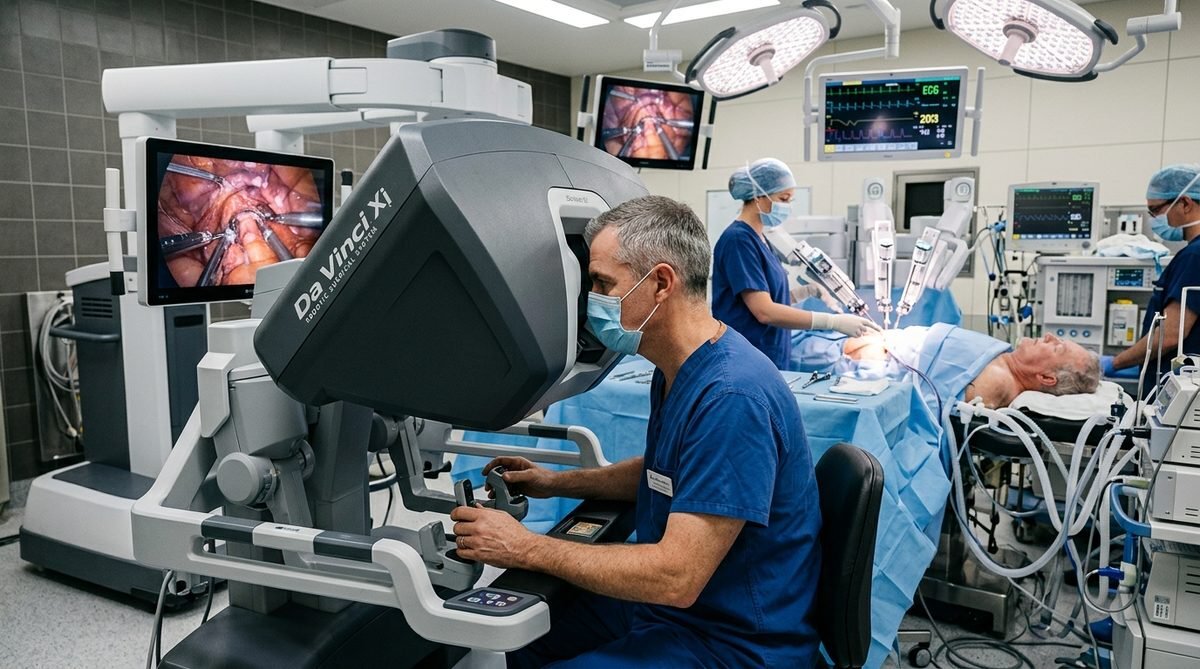
In the days following surgery, most men feel more fatigue than pain. The incisions from robotic-assisted surgery are small, and most men go home within one to two days. The catheter goes home with them.
How Long Do You Keep a Catheter in After Prostate Surgery?
The catheter typically stays in for seven to fourteen days after robotic-assisted radical prostatectomy. Open surgery sometimes requires longer, closer to two to three weeks, because the reconstruction involves more tissue handling.
The catheter is not comfortable. It is manageable. Most men adapt within a few days and are mobile at home. The removal appointment, called a cystoscopy or simply a catheter pull, is quick and usually involves a brief check that the anastomosis (the join between bladder and urethra) has healed.
Once the catheter comes out, almost every man leaks. Some leak a lot. This is expected. The sphincter that was doing all the work before surgery is now the only one doing the job, and it needs time to strengthen and adapt. This is not a sign something went wrong.
How Much Pain After Prostate Surgery?
Pain is generally less than most men expect, particularly with robotic surgery. The incisions are small and most men manage with over-the-counter pain relief within the first week. The discomfort that tends to linger is not sharp pain but a dull ache, fatigue, and the irritation of the catheter itself.
What does cause real discomfort in the weeks following surgery is the leakage. Wearing a pad constantly, especially if you are active or working, is psychologically harder for many men than the physical pain. One of my clients described it as feeling like his body had betrayed him, even though he knew intellectually it was temporary. That frustration is extremely common and worth naming because it affects whether men stay consistent with their recovery exercises.
Bladder spasms can also occur in the early weeks. These feel like sudden, sharp urges and brief cramps. They settle as the bladder heals.
How Long Does It Take to Recover from Prostate Cancer Surgery?
Physical recovery from the surgery itself happens fast. Most men are walking the day after, driving within two weeks, and return to daily activity. Heavy lifting and strenuous exercise usually wait until six weeks post-surgery.
Functional recovery is different. Urinary continence, defined as needing zero pads, is achieved by around 85 to 90 percent of men within twelve months of robotic surgery. The steeper part of that recovery curve happens in the first three to six months. Men who do consistent pelvic floor work from before surgery through the recovery period reach continence faster.
Erectile function recovery is slower and less predictable. In men under 60 with bilateral nerve-sparing surgery and good baseline function, recovery rates are higher but still take twelve to twenty-four months to plateau. Men who are older, have pre-existing vascular issues, or had one or both nerve bundles removed will face a harder road. That does not mean nothing can be done, it means the intervention needs to start earlier and be more structured.
Here's what the research makes clear: incontinence and erectile dysfunction often occur together and are not independent problems. Addressing both simultaneously, rather than waiting for one to resolve before focusing on the other, leads to better overall quality of life outcomes.
The Part Most Men Are Not Told About: Penile Rehabilitation
After the nerves are disturbed during surgery, the smooth muscle tissue inside the penis does not receive the oxygen it normally gets from nighttime erections. Over time, without intervention, that tissue can fibrose and stiffen, which makes later recovery harder regardless of how well the nerves heal.
Penile rehabilitation, which typically involves low-dose daily PDE5 inhibitors, vacuum erection devices, or both, is designed to keep blood flowing to that tissue while the nerves recover. Starting it early makes a meaningful difference.
I know this because one of my clients waited six months before anyone mentioned rehabilitation to him. He had assumed that because nothing was working, there was nothing to do. By the time he started, he had a longer path back than men who began within the first four to six weeks. His urologist was not negligent, it just never came up. Ask about it directly at your post-op appointment.
Urinary Leakage: What Is Normal and What Is Not
Some leakage immediately after catheter removal is not just normal. It is universal. The question is whether it improves over the following weeks and months.
Stress urinary incontinence, leaking when you cough, sneeze, laugh, or lift, is the most common pattern after prostatectomy. It responds well to pelvic floor training when done consistently and correctly. Urgency incontinence, the sudden urge that comes with little warning, can also occur and sometimes needs medication alongside exercises.
If leakage is not improving at all after three to six months of consistent pelvic floor work, that is the point to go back to the urologist. There are surgical options including male slings and artificial urinary sphincters that have strong evidence behind them for persistent stress incontinence.
What I found when working through recovery protocols with clients is that the men who made the least progress were the ones doing their exercises incorrectly. They were bearing down instead of lifting up, or they were tensing their glutes and calling it a kegel. Getting a single session with a pelvic floor physiotherapist who can confirm you are using the right muscles is worth more than three months of guessing.
Psychological Recovery and Quality of Life
The research on quality of life after radical prostatectomy is honest: functional changes do affect wellbeing, particularly in the first year. Men who go in expecting a quick return to normal and hit unexpected delays report higher distress than men who had realistic expectations going in.
What protects quality of life most is not avoiding complications. It is having a plan when they occur. Men who have a pelvic floor physio referral ready, who know what penile rehabilitation involves, and who have a partner or support person who understands the recovery arc, cope measurably better.
The angle most articles miss entirely: the psychological impact of leakage is often harder than the physical discomfort of it. Avoiding social situations, reducing activity, and withdrawing from intimacy because of pad anxiety are all common. They are also all counterproductive to recovery, because reduced activity slows pelvic floor strengthening and reduced intimacy delays sexual rehabilitation. Getting ahead of this pattern early matters.
What Most Articles Get Wrong About Recovery
Most recovery content frames this as a waiting game. Wait for the nerves to heal. Wait for the muscles to strengthen. Give it time.
Time is necessary but it is not sufficient. In my experience, the men who recover fastest are the ones treating recovery like a training program. They show up to pelvic floor exercises the same way they would show up to physio after a knee reconstruction. They take penile rehabilitation seriously from the first weeks. They ask their surgeon direct questions about nerve preservation before the operation, not after.
The other thing that gets consistently underplayed is how much pre-surgical fitness matters. Pelvic floor strength before surgery is one of the strongest predictors of how quickly continence returns afterward. If you have a prostatectomy scheduled and you are not already working with a pelvic floor physio, start this week.
Frequently Asked Questions
Will I ever be fully continent again?
Most men, around 85 to 90 percent, achieve continence (zero pad use) within twelve months of robotic prostatectomy. The recovery rate is lower for older men and those with pre-existing bladder issues, but consistent pelvic floor rehabilitation improves outcomes across all groups.
Can I have sex after prostate removal?
Yes, though it changes. Orgasm is still possible but ejaculation does not occur because the prostate and seminal vesicles are removed. Erectile function depends on nerve preservation and recovery. It typically takes twelve to twenty-four months to see the full extent of recovery, and penile rehabilitation started early improves outcomes.
Does prostate removal affect bladder control permanently?
For a small percentage of men it does. Persistent stress urinary incontinence beyond twelve months that has not responded to conservative treatment can be addressed with a male sling or artificial urinary sphincter, both of which have strong evidence for effectiveness.
Is robotic surgery better for recovery than open surgery?
Robotic-assisted surgery generally results in less blood loss, shorter hospital stay, and faster return to daily activity. Functional outcomes for continence and erectile function are broadly similar between techniques when performed by experienced surgeons, though robotic surgery shows some advantages in early continence recovery.
When should I be worried about my recovery?
If you have no improvement in continence after three to six months of consistent pelvic floor work, if you develop fever or worsening pain in the early post-operative period, or if leakage suddenly worsens after a period of improvement, go back to your urologist. These warrant assessment rather than more waiting.
Where to Start
If surgery is scheduled, get a referral to a pelvic floor physiotherapist now. Don't wait until after the catheter comes out. The evidence is clear that pre-surgical training accelerates post-surgical recovery.
If surgery has already happened, the same applies. Start pelvic floor rehabilitation, confirm with a physio that you are doing it correctly, ask your urologist about penile rehabilitation options at your next appointment, and set a six-month review point to assess whether you need additional support.
Recovery after prostate removal is real work. It is also, for the large majority of men, work that pays off.Sources
Explore related health and wellbeing guides
This article is part of PTNA's consumer health and wellbeing library. Browse the Health & Wellbeing Resources hub to find related guides by topic, including Australian health cover, Medicare, prostate health, mental health, disability support and life insurance.
How Much Does It Cost to Have Your Prostate Removed Privately in Melbourne?
Read article →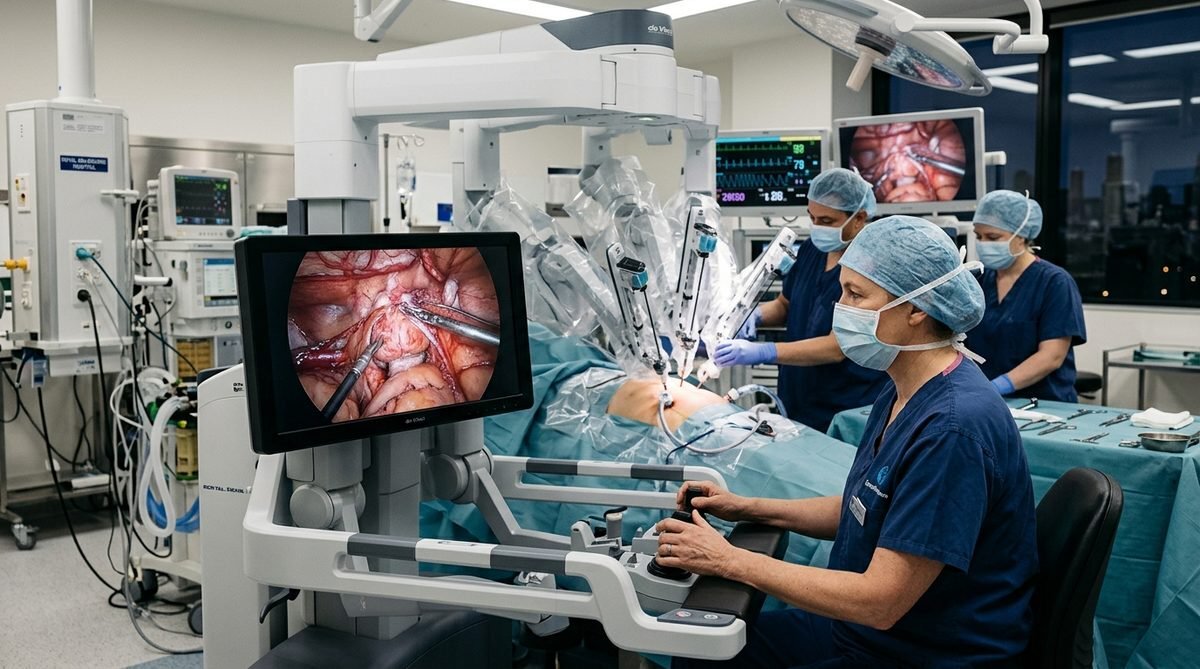
Is It Worth Having Your Prostate Removed in Melbourne?
Read article →
Can You Get Anything Free if You Have Cancer in Melbourne?
Read article →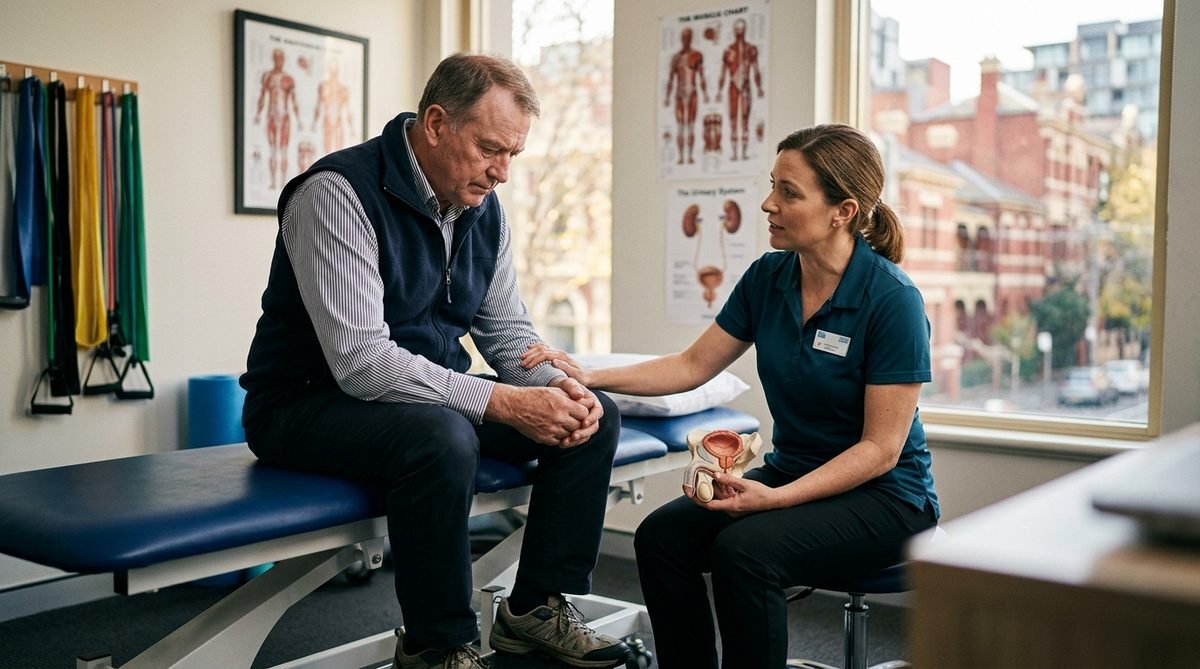
What Are the Negatives of Removing Your Prostate in Melbourne?
Read article →
Is Prostate Cancer Classed as a Disability in Melbourne?
Read article →